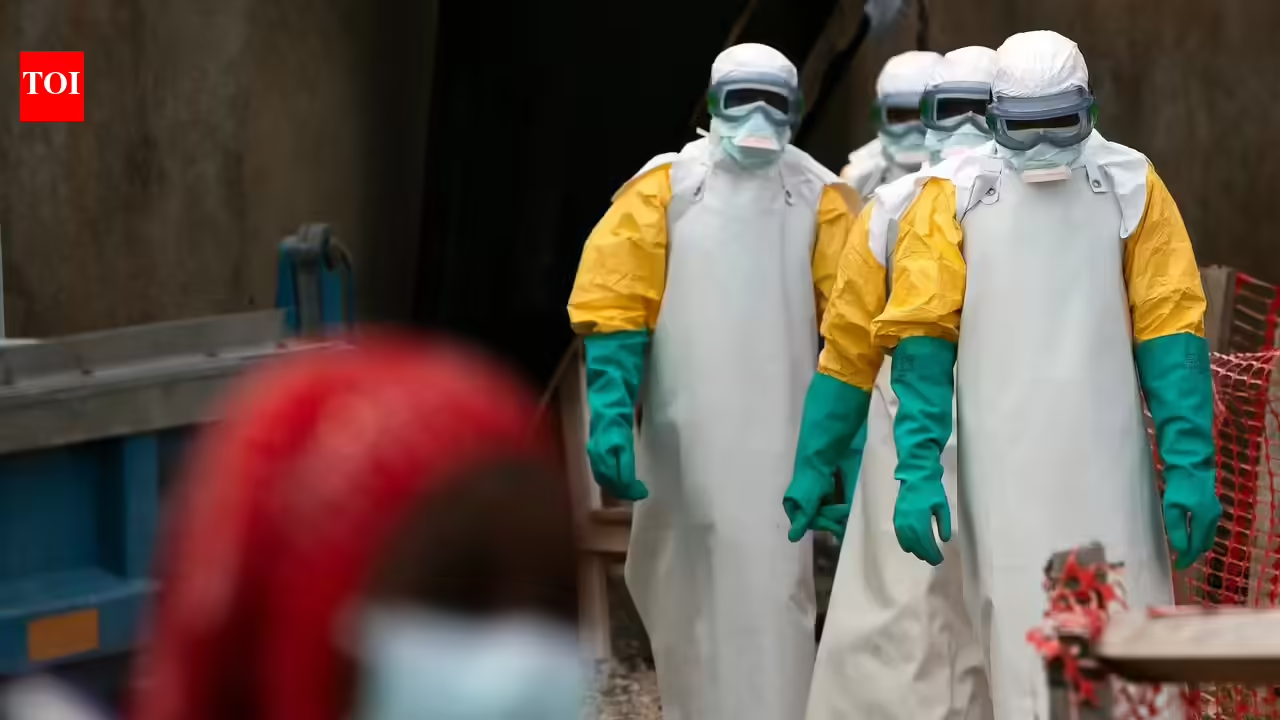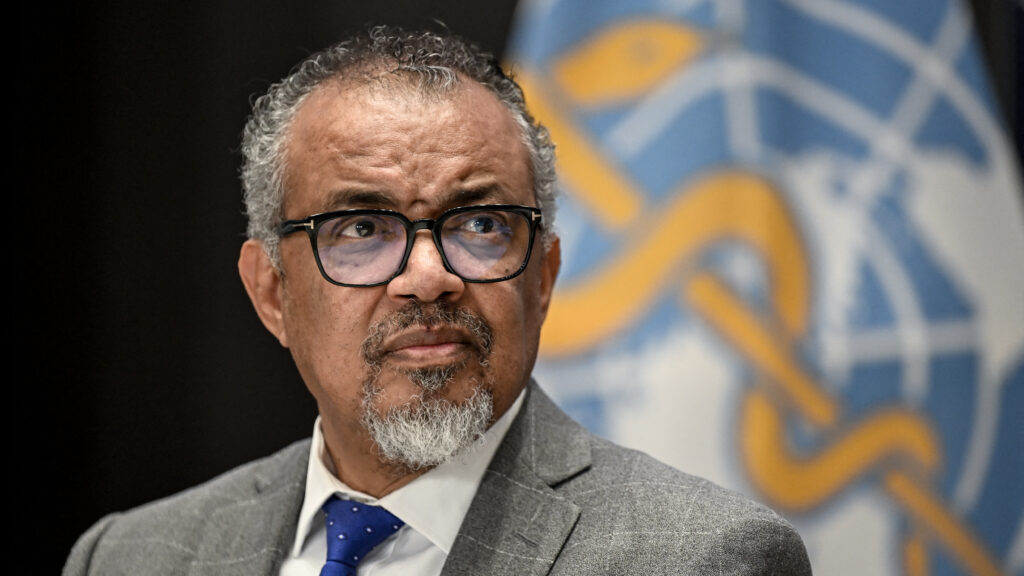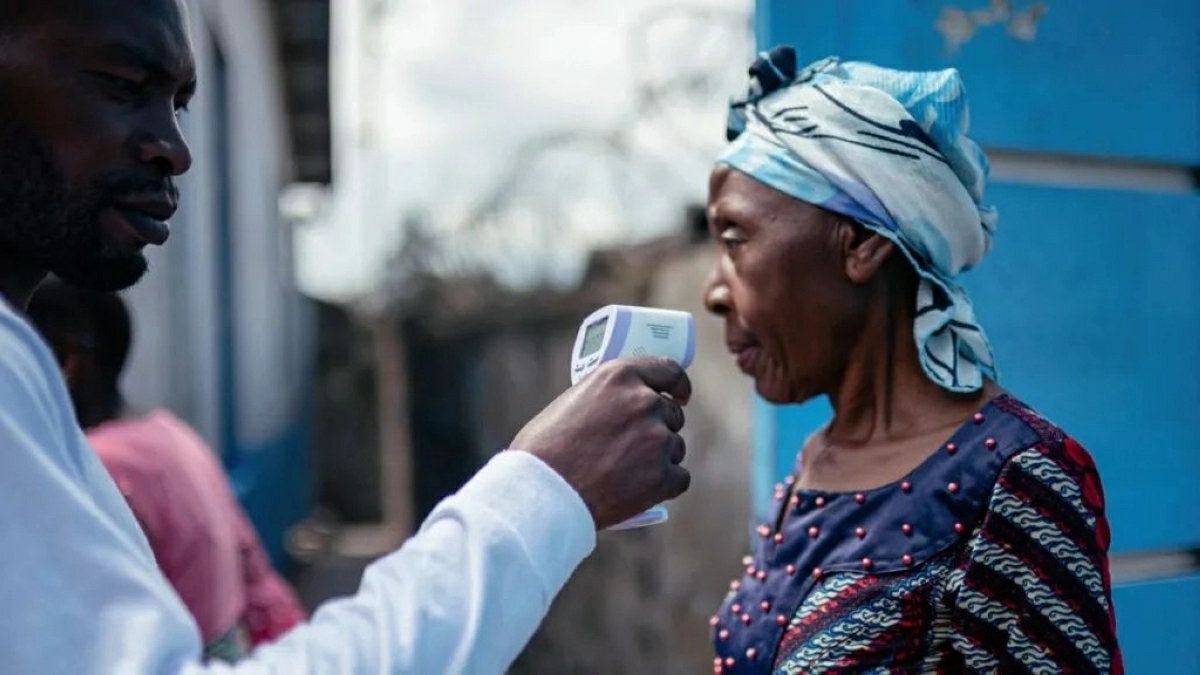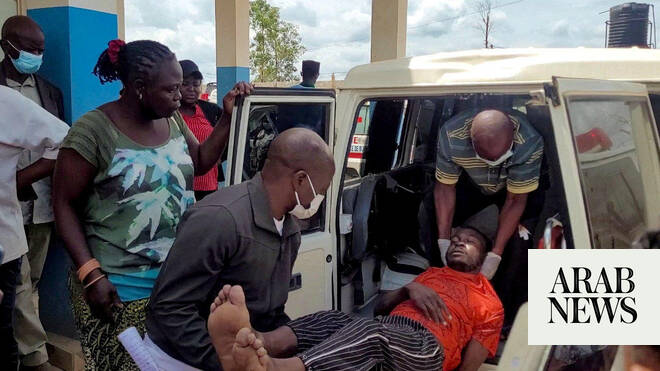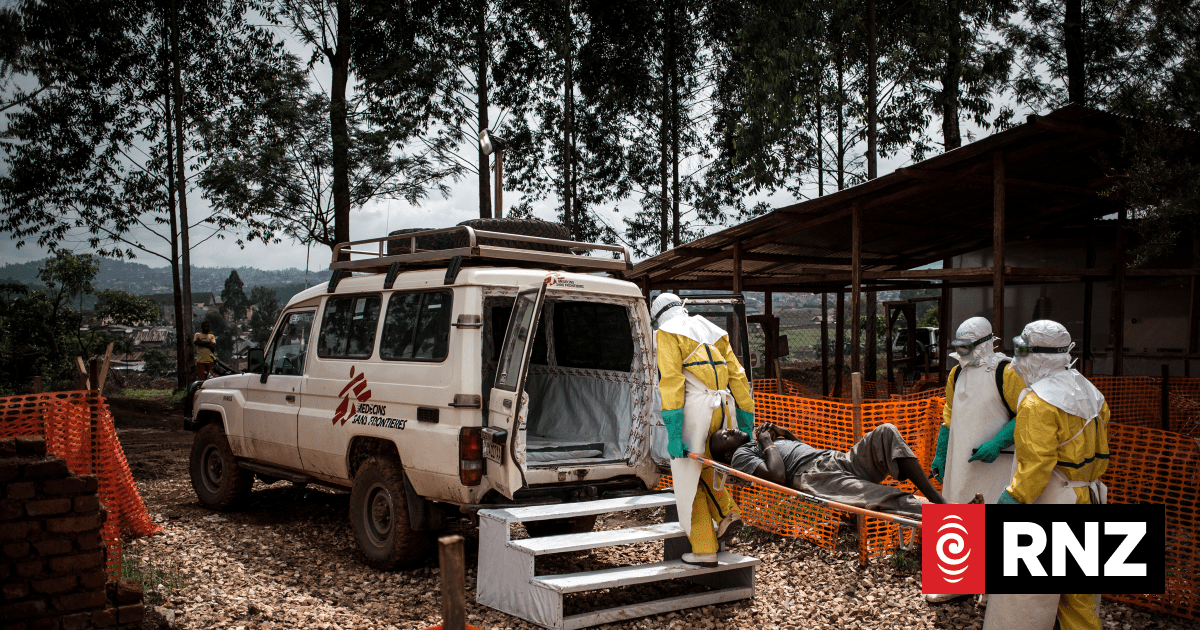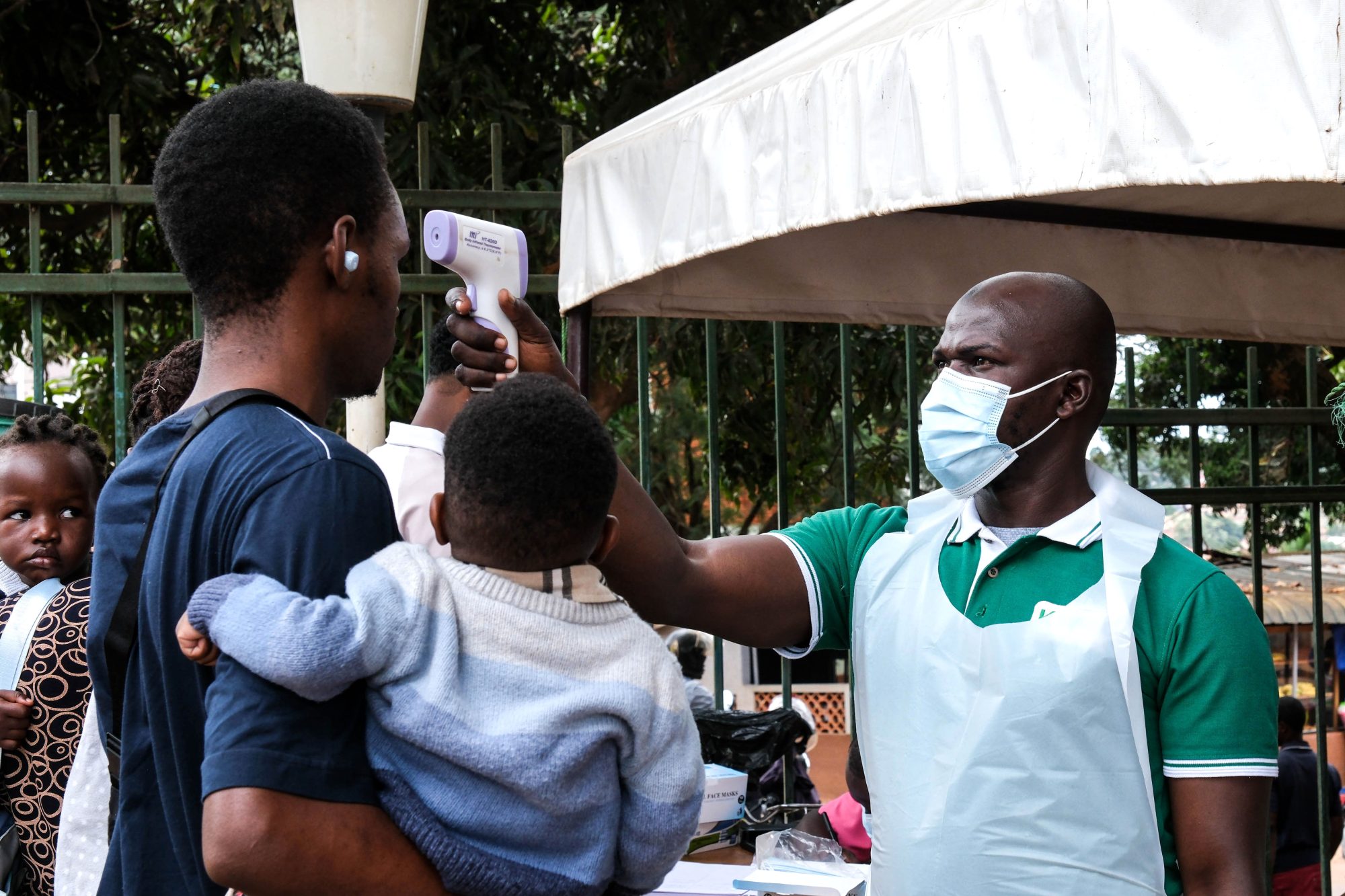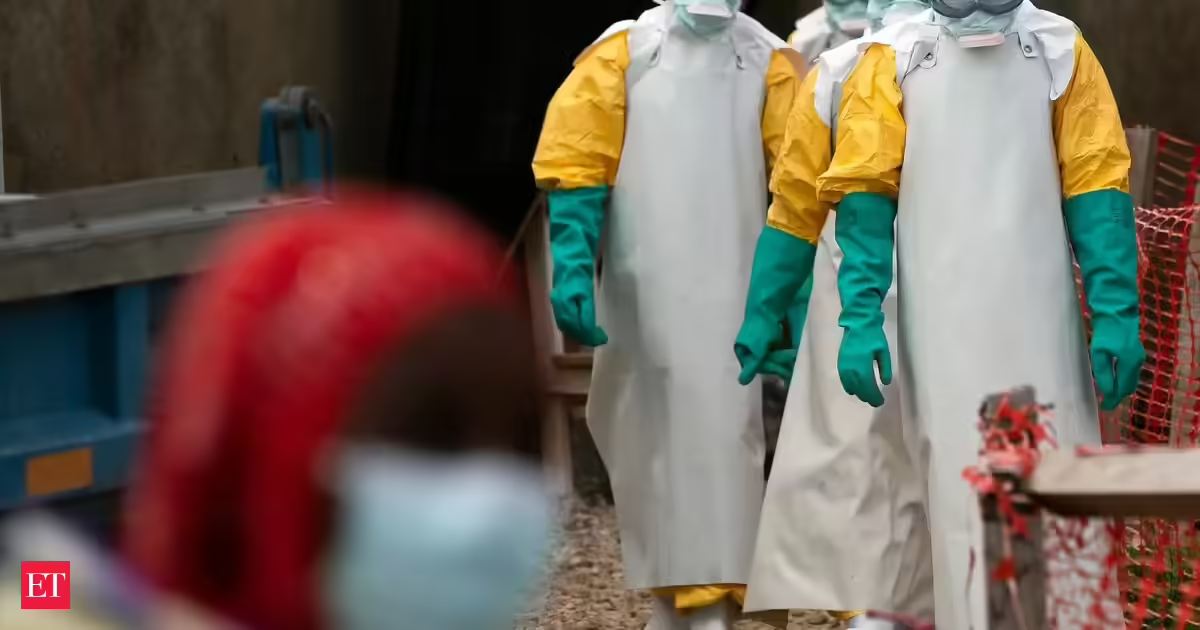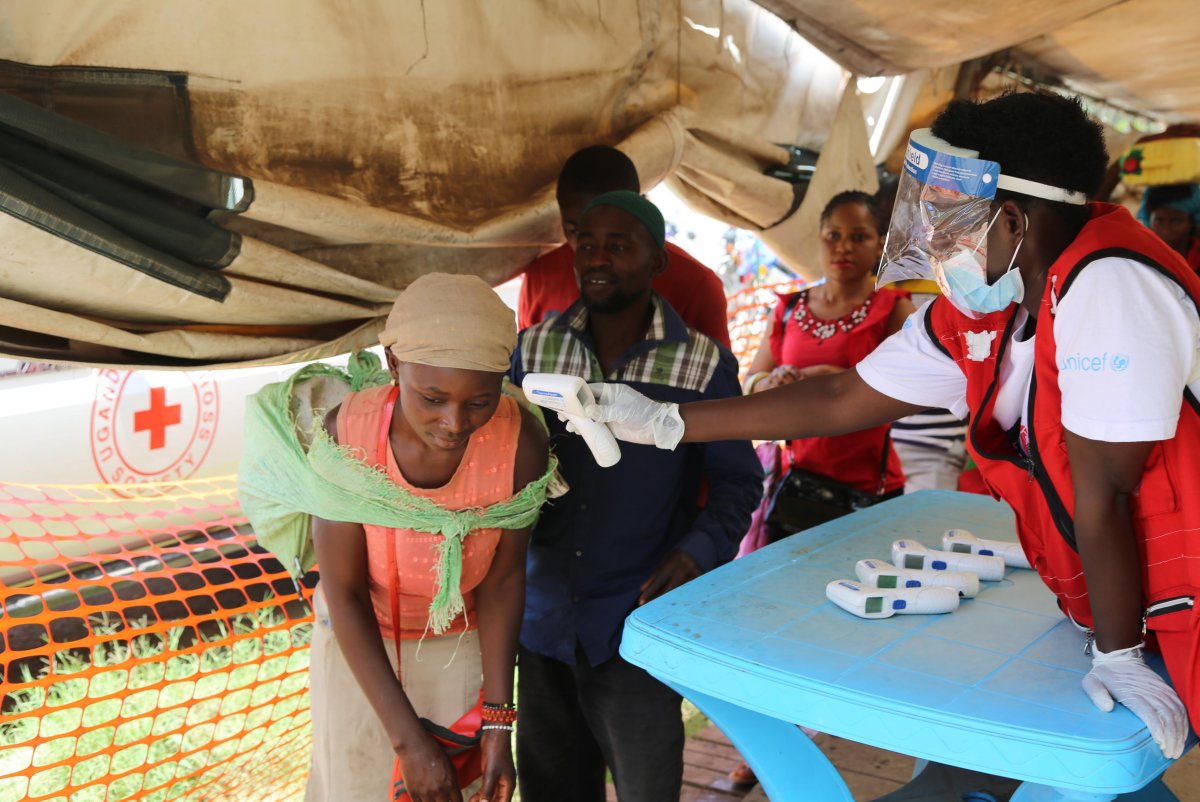
In briefWHO has declared an international health emergency over a rare strain of Ebola.It stopped short of calling the outbreak a pandemic.The World Health Organization declared an international health emergency over a rare strain of Ebola that has killed dozens in the Democratic Republic of Congo, but stopped short of calling the outbreak a pandemic on Sunday."WHO ... is hereby determining that the Ebola disease caused by Bundibugyo virus in the Democratic Republic of the Congo and Uganda constitutes a public health emergency of international concern (PHEIC), but does not meet the criteria of pandemic emergency," the Geneva-based global health body said in a statement.Ebola is highly contagious and can be contracted through bodily fluids such as vomit, blood, or semen. The disease it causes is rare, but severe and often fatal.Officials first announced the latest outbreak in the DRC on Friday with 65 deaths and 246 suspected cases.By Saturday, the Africa Centres for Disease Control and Prevention reported 336 suspected and 13 confirmed cases. Four people have died among the confirmed cases.At an online briefing on Saturday, Africa CDC director-general Jean Kaseya said the first cases were reported in Mongwalu health zone, a high-traffic mining area."Cases subsequently migrated to Rwampara and Bunia as patients sought medical care, enabling spread across three health zones," he said.A high number of active cases remain within the local community, particularly in Mongwalu, Kaseya said, "significantly complicating containment and contact tracing efforts".Insecurity in Ituri, where IS-backed militants carry out rampant deadly attacks, continues to restrict surveillance and rapid response operations, he added.Of the 87 deaths, 57 are in the Mongwalu health zone, 27 in the Rwampara health zone and three in Bunia, Ituri's main city.Congolese health minister Samuel-Roger Kamba said late on Friday that test results confirmed the Bundibugyo virus, a variant of the disease that has been less prominent in Congo's past outbreaks. This is Congo's 17th outbreak since Ebola first emerged in the country in 1976.The suspected index case in the latest outbreak is a nurse who died at a hospital in Bunia, Kamba said. He said the case dates back three weeks to 24 April.He did not say whether samples from the nurse were tested, but said the person presented symptoms suggestive of Ebola.Uganda confirmed Friday an Ebola case that authorities said was "imported" from Congo. The person died at the Kibuli Muslim Hospital in Uganda's capital, Kampala, on 14 May.The Africa Centres for Disease Control and Prevention had said it is concerned about the risk of further spread due to the proximity of affected areas to Uganda and South Sudan.Congo has experience managing Ebola outbreaks but often faces logistical challenges in delivering expertise and supplies to affected regions.As Africa's second-largest country by land area, Congo's provinces are far from one another and mostly battling conflict. Ituri, for instance, is around 1,000km from the nation's capital, Kinshasa, and is ravaged by violence from Islamic State-backed militants.For the latest from SBS News, download our app and subscribe to our newsletter.
WHO declares Ebola outbreak an international health emergency
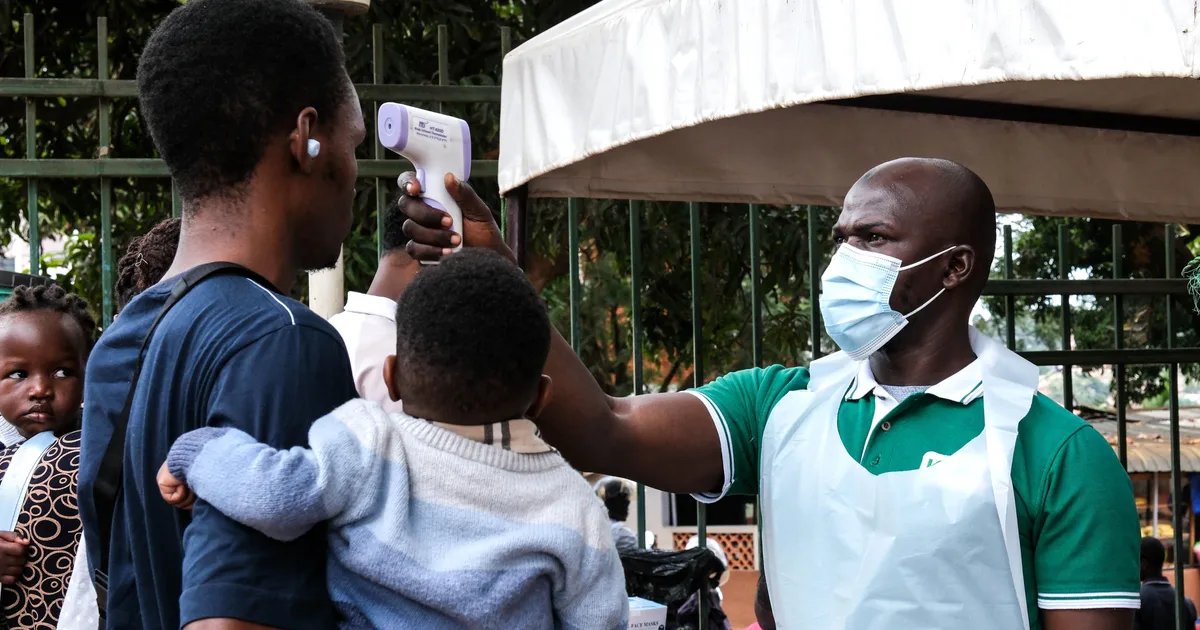
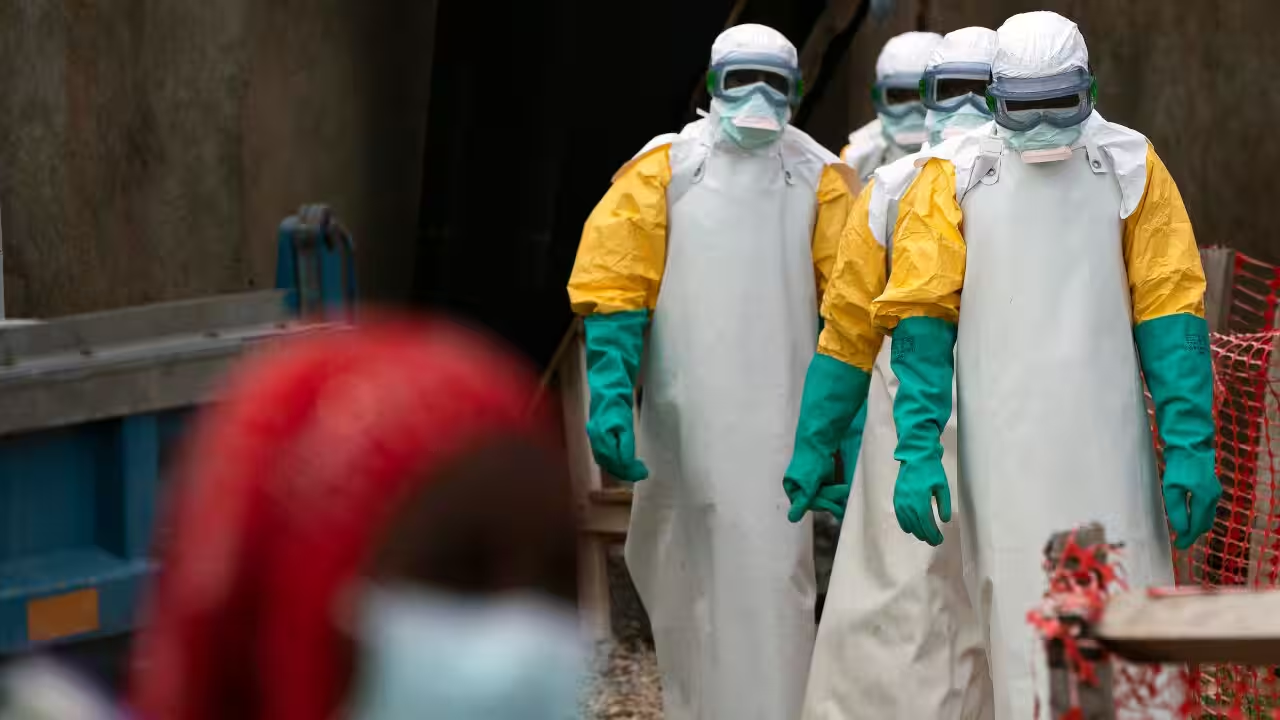
The outbreak of the highly contagious disease began in the Democratic Republic of the Congo and Uganda.
498 words~2 min read