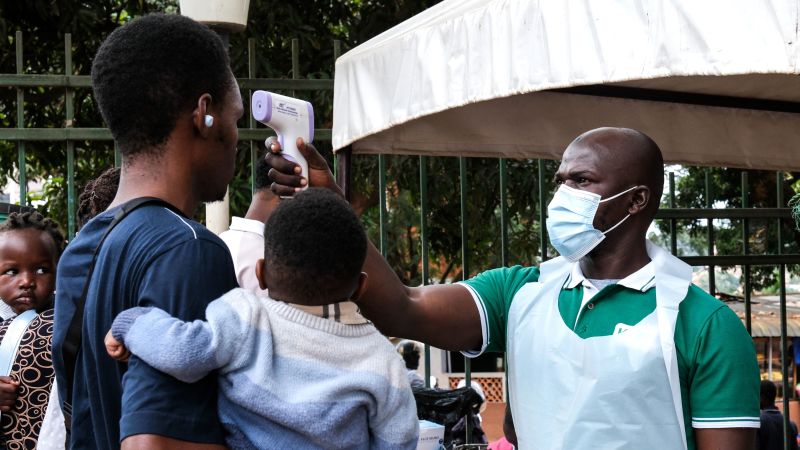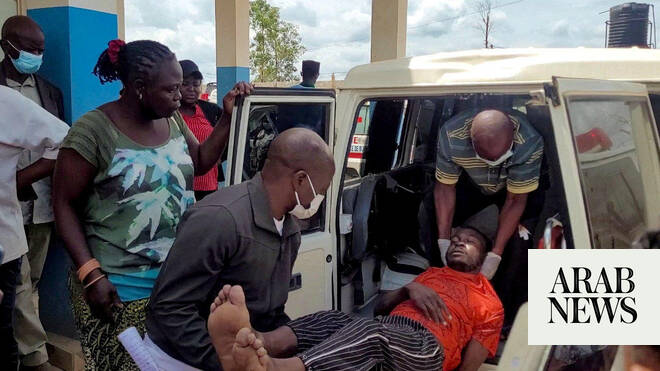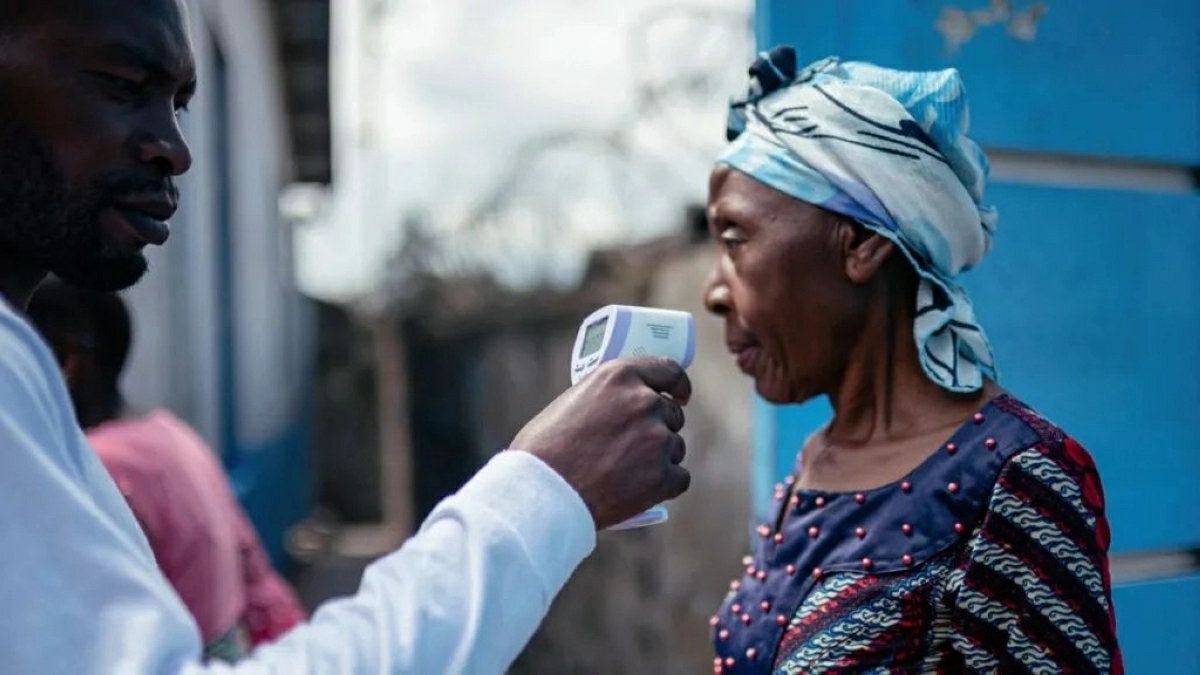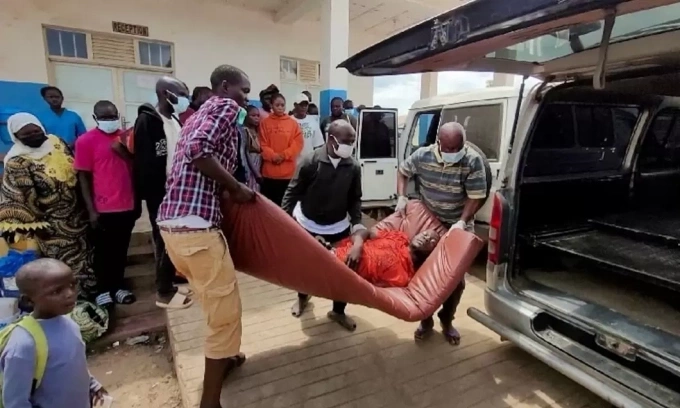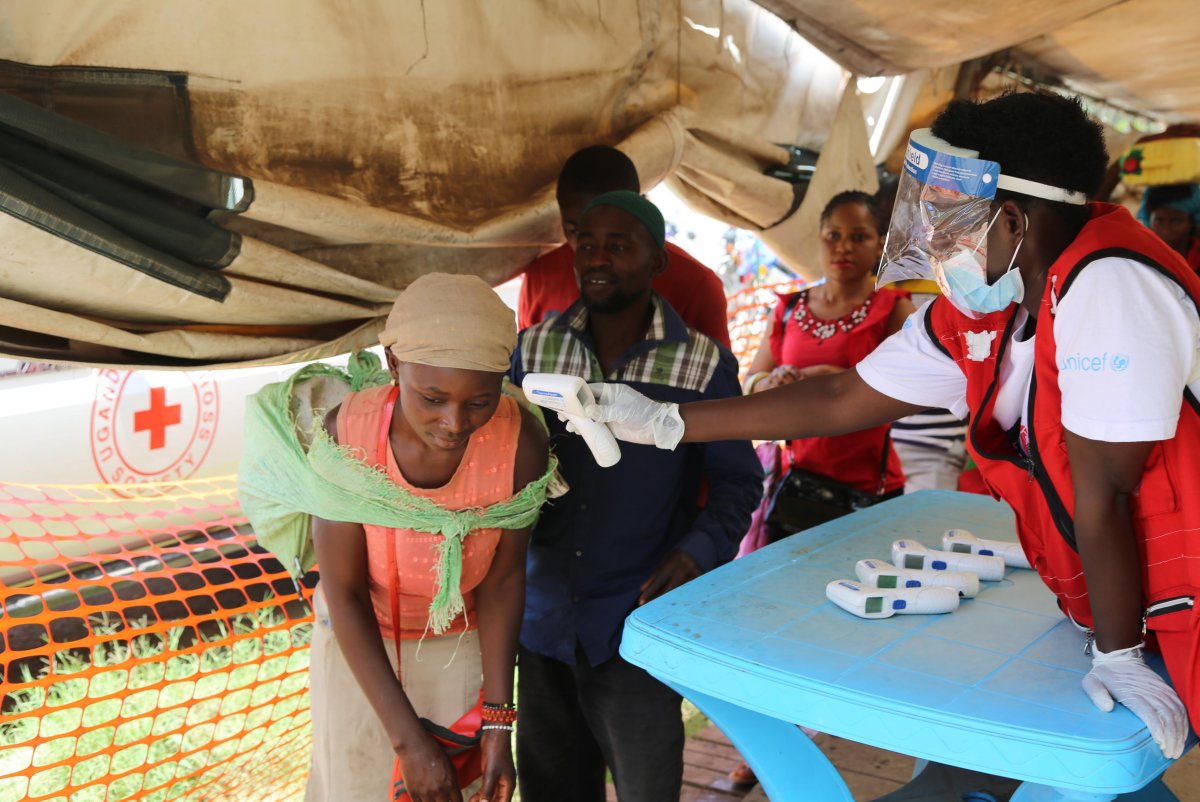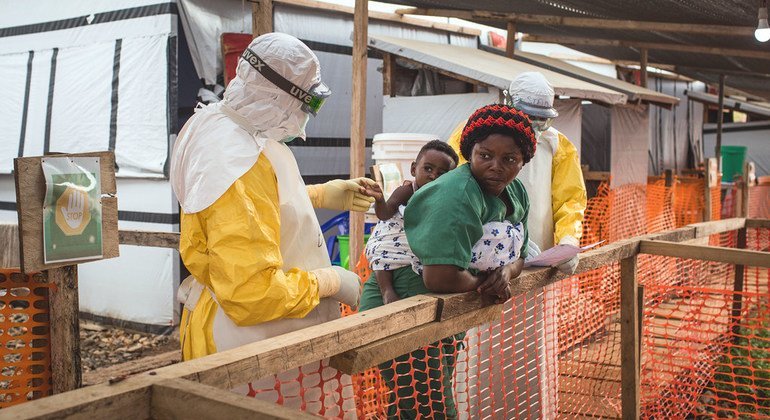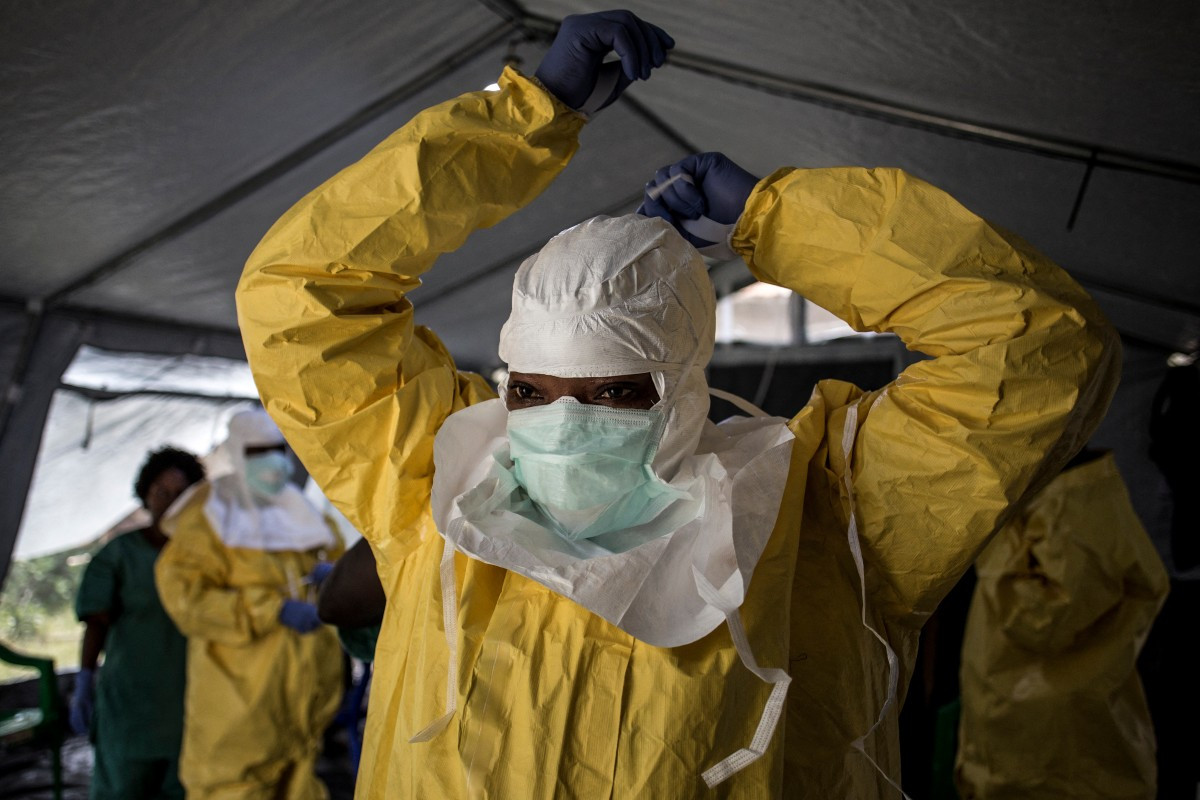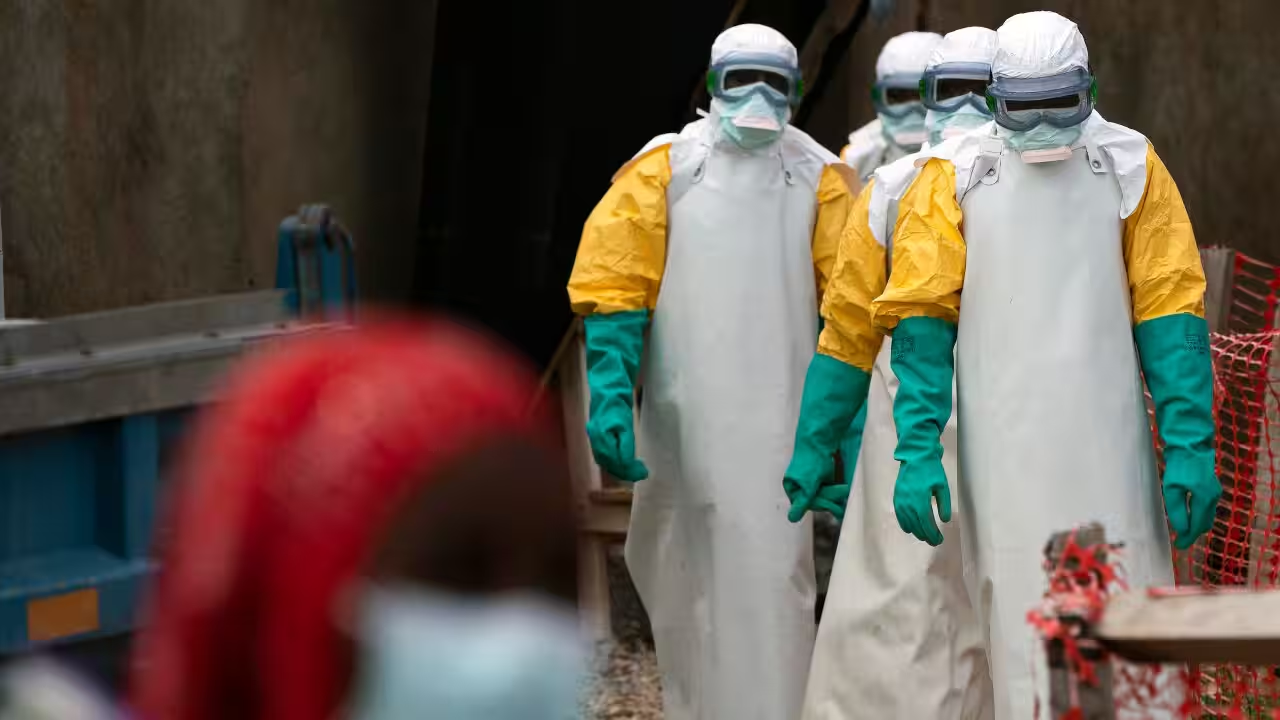
The World Health Organization late Saturday declared the outbreak of Ebola that was first seen in the Democratic Republic of the Congo an international public health emergency, underscoring the concern about the spread of the virus as travel-related cases were reported in the capital city of Kinshasa as well as in Kampala, Uganda.
The speed with which the emergency issuance was made — African health officials only confirmed the outbreak on Friday — is unusual, but highlights the fear that authorities are behind the virus.
An Ebola species called Bundibugyo is causing the cases. Health officials have less experience dealing with this strain — there have only been two documented Bundibugyo outbreaks before — and there are no licensed vaccines or therapeutics for the viral species.
As of Saturday, there have been eight confirmed cases, 246 suspected cases, and 80 suspected deaths in DRC’s remote Ituri province, which borders South Sudan and Uganda. The area has also been dealing with a years-long conflict, which complicates outbreak responses. In addition, people regularly move around the area and among the different countries.
The two cases in Kampala were in people who had been in the DRC, and the case in Kinshasa was in someone who had been in Ituri, the WHO said. But officials will be on the lookout for any signs the virus is spreading in such major urban areas.