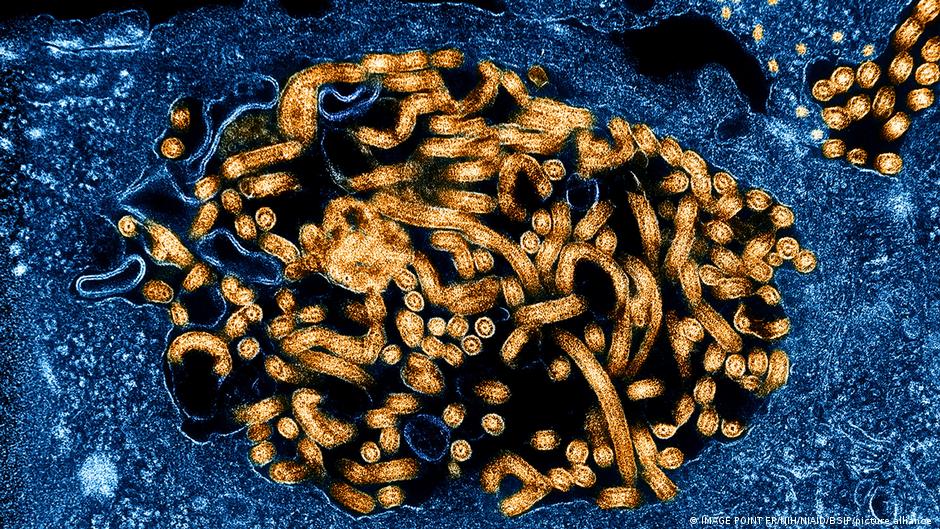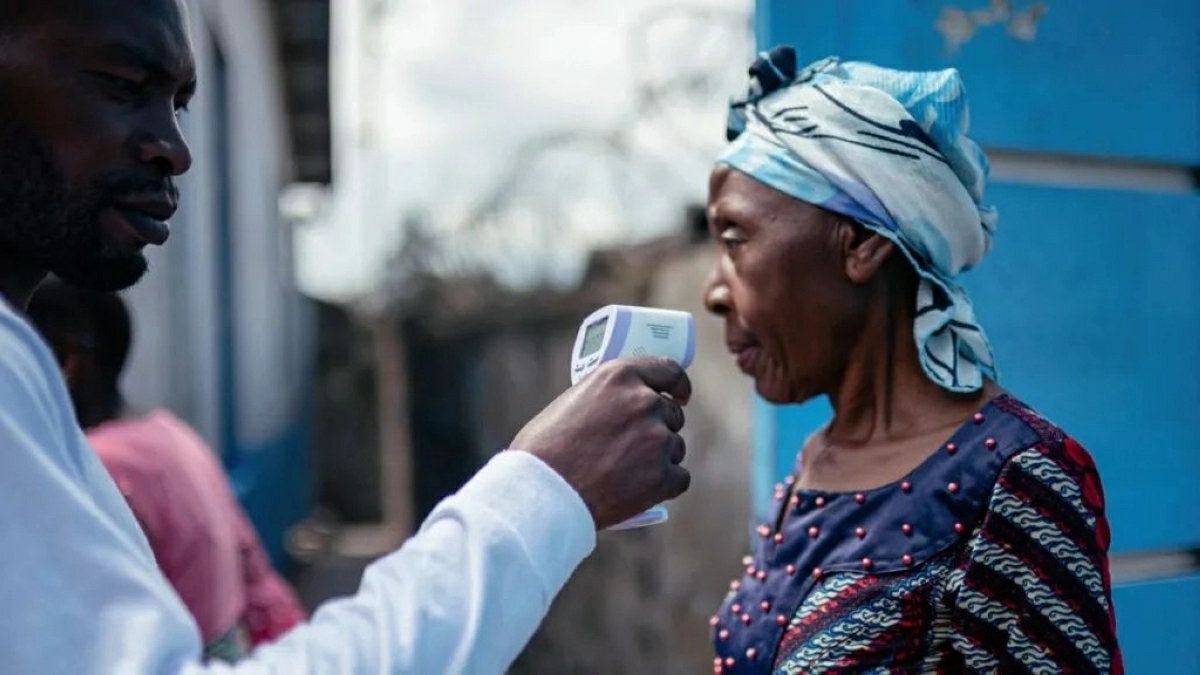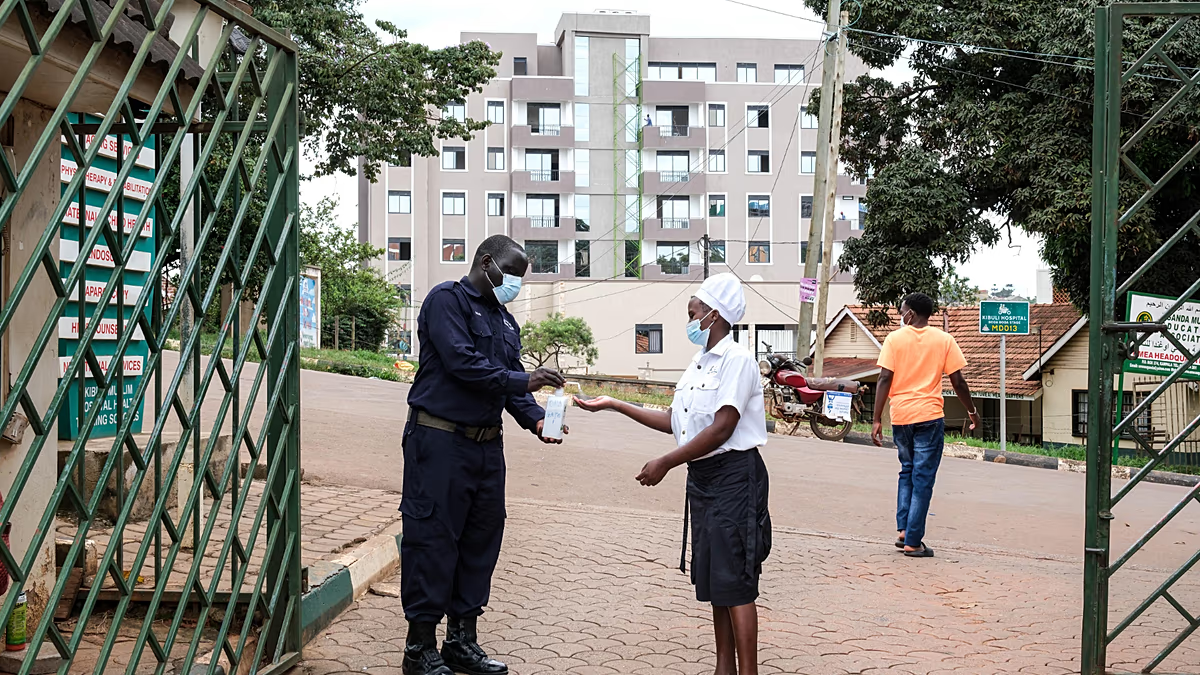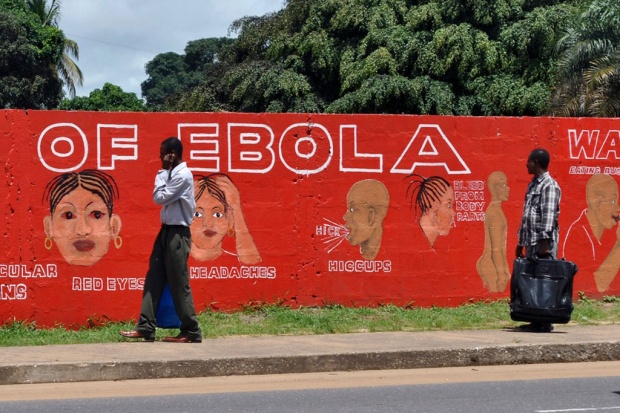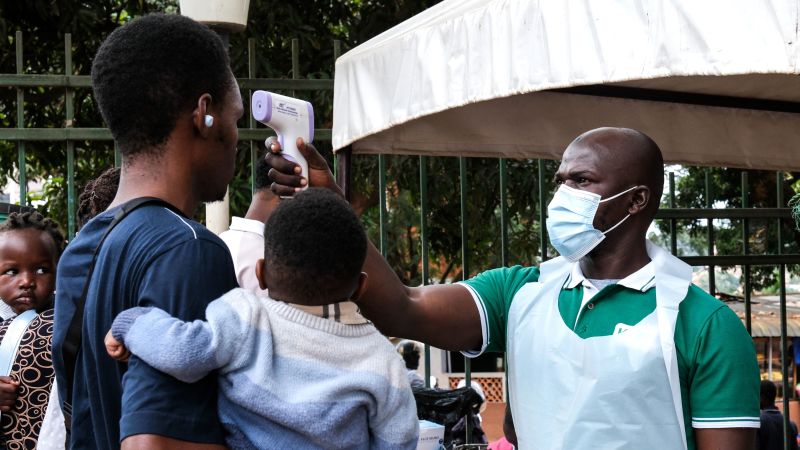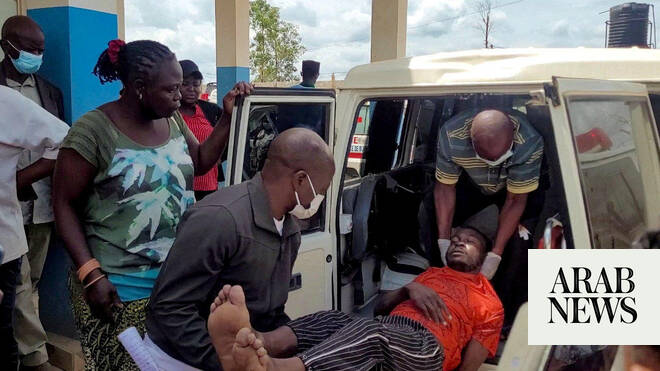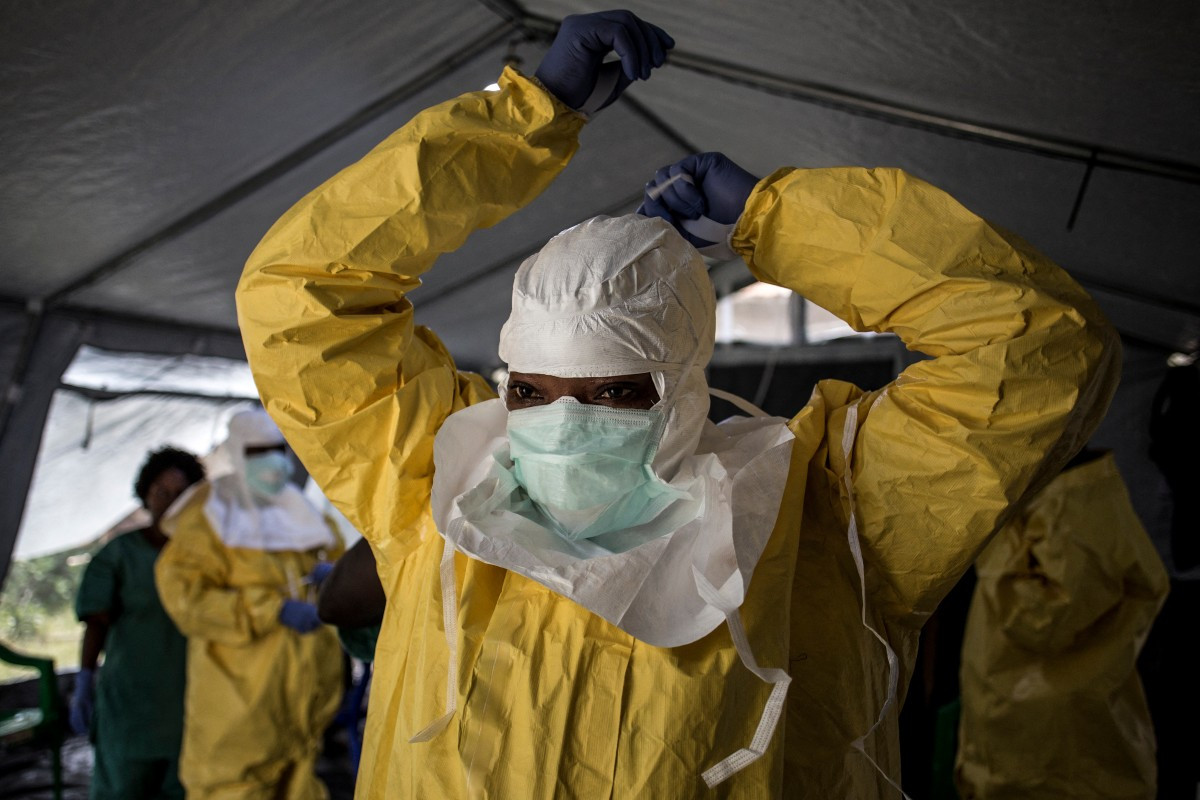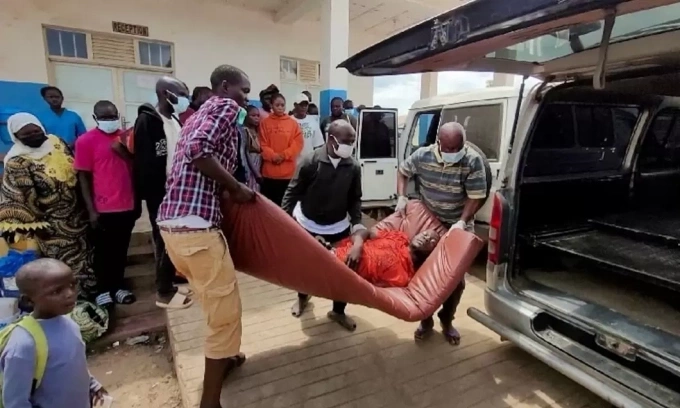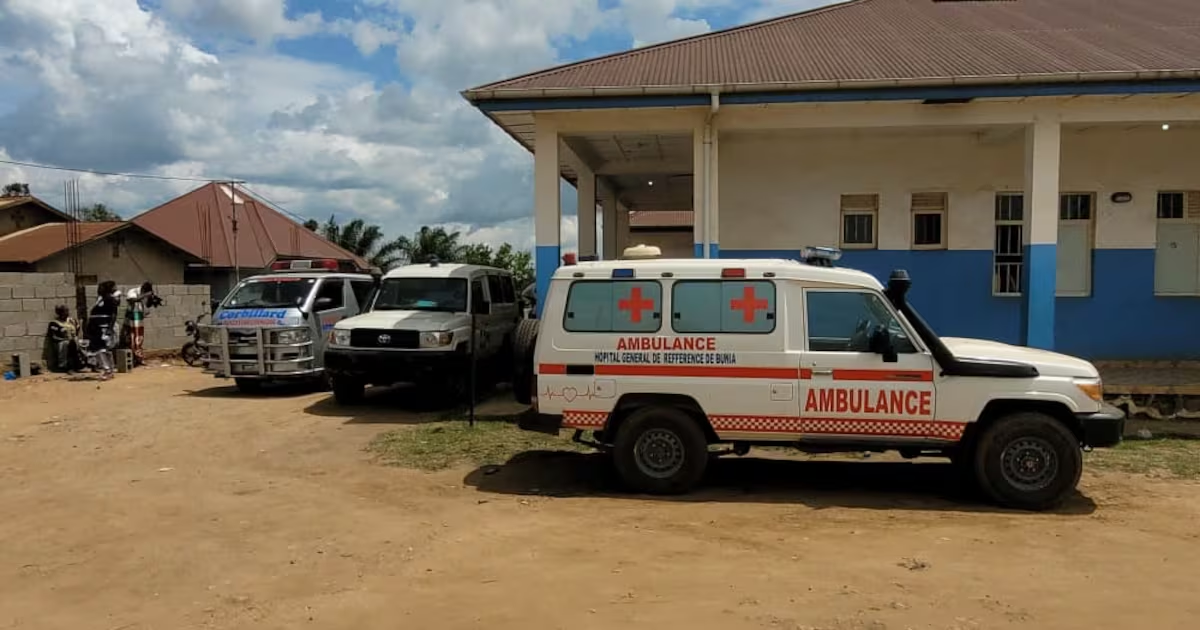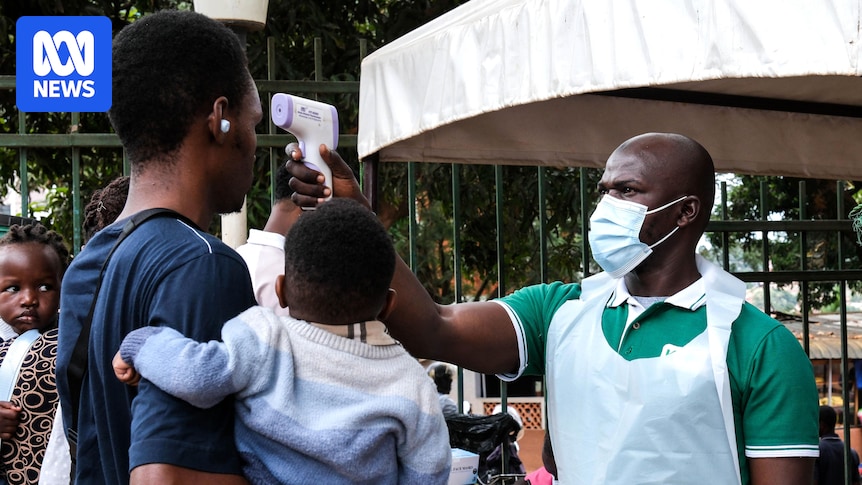
The World Health Organization (WHO) on Sunday declared an Ebola outbreak in the Democratic Republic of Congo (DRC) and Uganda a "public health emergency of international concern", posing risks to neighbouring countries.In a statement, the WHO said the outbreak does not meet the criteria of a pandemic emergency like the COVID-19 pandemic, and advised against the closure of international borders.However, it warned that data collected so far captured increasing trends and clusters of deaths that pointed to "a potentially much larger outbreak than what is currently being detected and reported".This is the 17th outbreak of Ebola in the Congo since the disease arrived in the region in the 1970s. (Reuters: Victoire Mukenge)The UN health agency said that 80 suspected deaths, eight laboratory-confirmed cases and 246 suspected cases had been reported as of Saturday in the DRC's Ituri province across at least three health zones, including Bunia, Rwampara and Mongbwalu.International spread documented, WHO saysIn Uganda's capital, Kampala, two apparently unrelated laboratory-confirmed cases, including one death, were reported on Friday and Saturday, from people travelling from the DRC, the WHO said.The Bundibugyo strain has no vaccine or specific treatment and has a high fatality rate. (Reuters: Victoire Mukenge)Ismail Kigongo, who resides in Kampala, said the new outbreak reminded him of his father, whom he lost during the COVID-19 pandemic."I really get scared because I remember burying my father without looking at his body," he said.A laboratory-confirmed case was also reported in the DRC capital, Kinshasa, from a person returning from Ituri, the WHO said.Rare, hard-to-treat variant of EbolaThe dense tropical forests of the Democratic Republic of the Congo are a natural reservoir for the Ebola virus.Ebola is highly contagious and can be contracted through bodily fluids such as vomit, blood or semen.The disease it causes is rare, but severe and often fatal.Local health officials first announced the latest outbreak in Congo late on Friday (local time) with 65 deaths and 246 suspected cases.At an online briefing, Africa CDC director-general Jean Kaseya said the first cases were reported in Mongwalu health zone, a high-traffic mining area.The African Centres for Disease Control and Prevention reported hundreds of suspected cases in the Ebola outbreak in the Congo. (AP: Constant Same Bagalwa)"Cases subsequently migrated to Rwampara and Bunia as patients sought medical care, enabling spread across three health zones," he said.Insecurity in Ituri, where Islamic State-backed militants carry out rampant, deadly attacks, continues to restrict surveillance and rapid response operations, he added.Democratic Republic of the Congo Health Minister Samuel-Roger Kamba said test results confirmed the Bundibugyo virus, a variant of the disease that has been less prominent in previous outbreaks."The Bundibugyo strain has no vaccine, no specific treatment," Mr Kamba said."This strain has a very high lethality rate which can reach 50 per cent."This is Congo's 17th outbreak since Ebola first emerged in the country in 1976.The suspected index case in the latest outbreak is a nurse who died at a hospital in Bunia, Kamba said.He said the case dates back three weeks to April 24.He did not say whether samples from the nurse were tested, but said the person presented symptoms suggestive of Ebola.The body of the patient who died in Kampala has been returned to the Congo. (AP: Hajarah Nalwadda)WHO advises against border closuresWHO's emergency declaration is meant to spur donor agencies and countries into action. By WHO's standards, it shows the event is serious, there is a risk of international spread and it requires a coordinated international response.In a statement on Sunday, the WHO said the director-general would be convening an emergency committee as soon as possible to advise on the regional response to the outbreak.World Health Organization director-general Tedros Ghebreyesus will convene an emergency committee in response to the outbreak. (AP: Johanna Geron, file)The agency advised immediately isolating confirmed cases and monitoring contacts daily, with restricted national travel and no international travel until 21 days after exposure.However, the WHO advised countries against border closures or restrictions on travel or trade."Such measures are usually implemented out of fear and have no basis in science," the agency said. "They push the movement of people and goods to informal border crossings that are not monitored, thus increasing the chances of the spread of disease."AP/AFP/Reuters
WHO declares Ebola outbreak an 'emergency of international concern'
At least 80 people have died in what the World Health Organization says potentially could be a "much larger outbreak than what is currently being detected and reported".
699 words~3 min read