Surveillance at major points of entry into the country should be strengthened
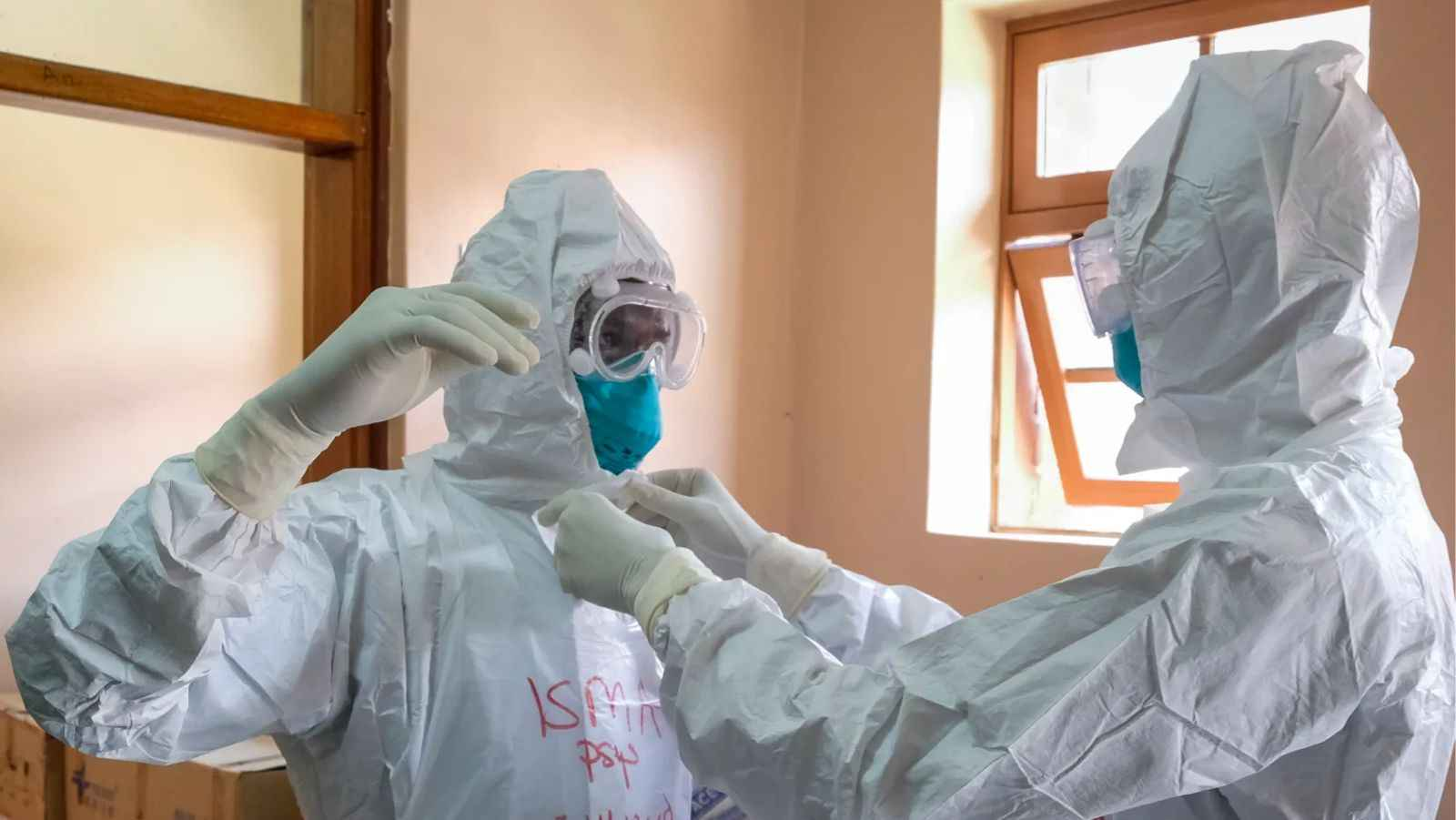
Given the warning by the World Health Organisation (WHO) that the number of suspected Ebola cases in Democratic Republic of the Congo (DCR) and Uganda has risen to 600, with 139 suspected deaths, health authorities in Nigeria should be standing guard. The WHO Emergency Committee met in Geneva last Wednesday, where Director-General Tedros Adhanom Ghebreyesus confirmed to reporters that the virus remains a public health emergency of international concern, but not a pandemic emergency. “The WHO assess the risk of the epidemic as high at the national and regional levels and low at the global level,” Tedros said.
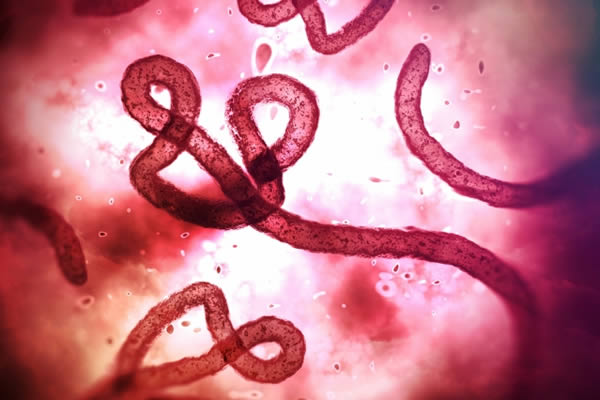
Ebola is a deadly viral disease which kills victims within a week of infection, leaving little or no time for treatment. Essentially, it takes between two days to three weeks before the complete symptoms manifest. The disease has most of the symptoms of malaria: fever, sore throat, headache, and vomiting. And the virus spreads through close contact with blood and bodily fluids of infected persons or animals such as fruit bats. According to DRC health authorities, the current outbreak in the country is being fuelled by the Bundibugyo strain, a type of Ebola virus for which no vaccine or treatment exists.