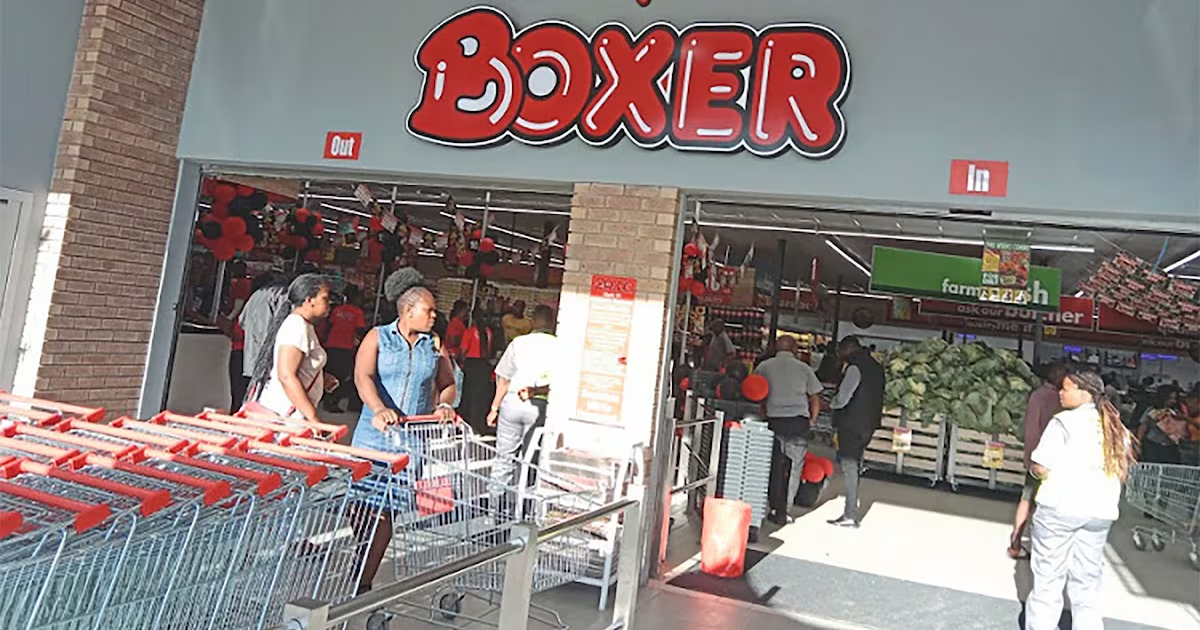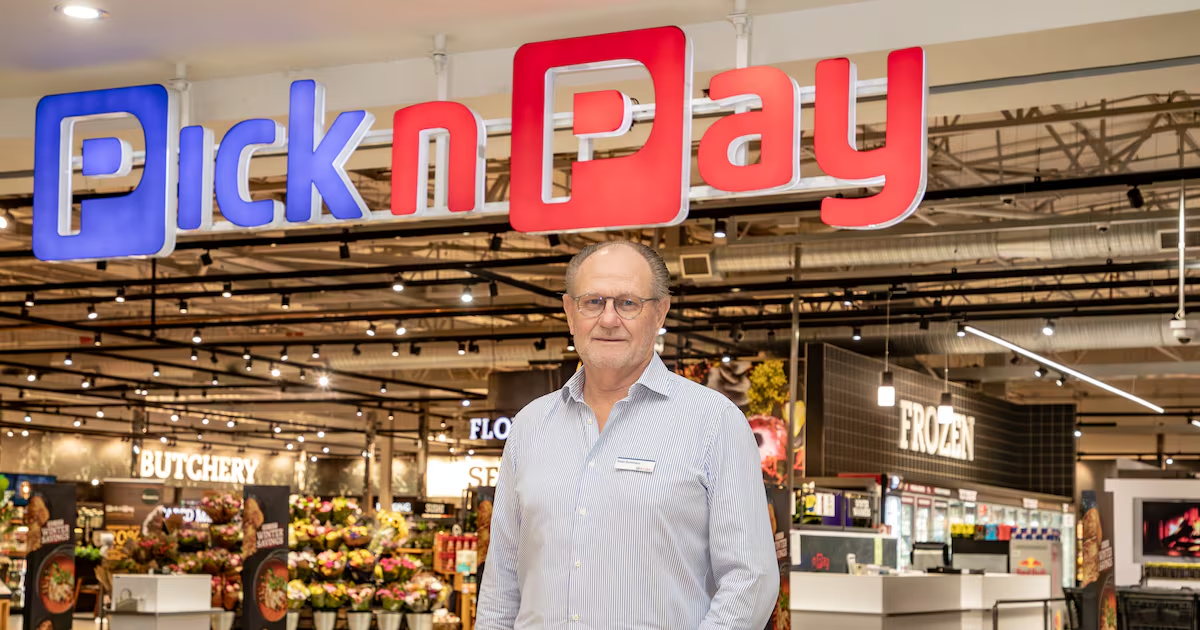
Pick n Pay CEO Sean Summers has defended the retailer’s decision to extend its turnaround timeline after raising R4.7bn through the sale of Boxer shares, saying rebuilding the struggling supermarket chain cannot be rushed.The retailer on Monday reported a headline loss of R386m for the year to March 1, an improvement from the R408m loss reported the previous year. Group turnover rose 3.4% on a comparable 52-week basis to R120.3bn, helped by strong growth from Boxer.The group also confirmed it has pushed out its profit break-even target for the Pick n Pay segment by one year to the 2029 financial year, having moved it to 2028 last year, as the turnaround continues to take longer than initially expected.(Dorothy Kgosi) Summers was brought back in 2023 to save the struggling retailer after a tumultuous period and promised to break even in 2027. However, that target was later revised, with the group saying that the turnaround was a “multiyear” process. Speaking to Business Day after the results, Summers said fixing a business the size of Pick n Pay is a complicated process that requires long-term decisions rather than quick wins.“There are certain things that we could have done quickly to maybe get inside three years, but then you’d be sitting in five years’ time in trouble again,” Summers said.The retailer has spent the past two years restructuring operations, closing nearly 90 loss-making stores and cutting costs as it tries to stabilise the core Pick n Pay business while Boxer continues to outperform.Boxer delivered 12.3% turnover growth during the period and increased trading profit by R330m to R2.6bn. Pick n Pay’s trading loss however, widened by R404m to R1bn.Last week, the group completed the sale of 57.3-million Boxer shares through an accelerated bookbuild, raising gross proceeds of R4.7bn. The sale reduced Pick n Pay’s stake in Boxer from 65.6% to 53.1%.The company said the proceeds from the Boxer share sale, with R2.4bn in cash already in the Pick n Pay segment, will be used to fund the retailer’s recovery plan.Summers said the company now has sufficient funding to complete the turnaround.“We have adequate funding now to see Pick n Pay find its way back into the sunshine, and back into profitability,” he said.The retailer said several parts of the turnaround strategy are already under way, including improving product ranges, strengthening store management and signing a new logistics contract expected to improve margins over the next two financial years.But labour costs remain one of the biggest pressures facing the retailer. Pick n Pay said employee costs accounts for 41.4% of trading expenses during the 2026 financial year and are “out of kilter” with the broader retail sector.The group recently started a section 189A consultation process with store-based employees and labour unions as it attempts to restructure labour practices and reduce costs.Summers said the company has already reduced support office costs over the past two years through restructuring and salary freezes before turning its attention to store operations, but declined to disclose the acceptable percentage of costs.“Our people in the stores are the most important people in this company,” Summers said.The retailer also warned that rising oil and diesel prices linked to tensions in the Persian Gulf could further pressure on consumers and food inflation during the 2027 financial year.Summers said suppliers have already started implementing price increases while higher transport costs are likely to weigh on household spending.Despite the delayed break-even target, he said he is confident the turnaround strategy will eventually succeed, adding that the delay reflects the timing of recovery measures rather than reduced confidence in the plan.
Sean Summers delays Pick n Pay recovery target after raising R4.7bn
Sale of Boxer shares boosts cash as Pick n Pay pushes break-even goal to 2029
596 words~3 min read