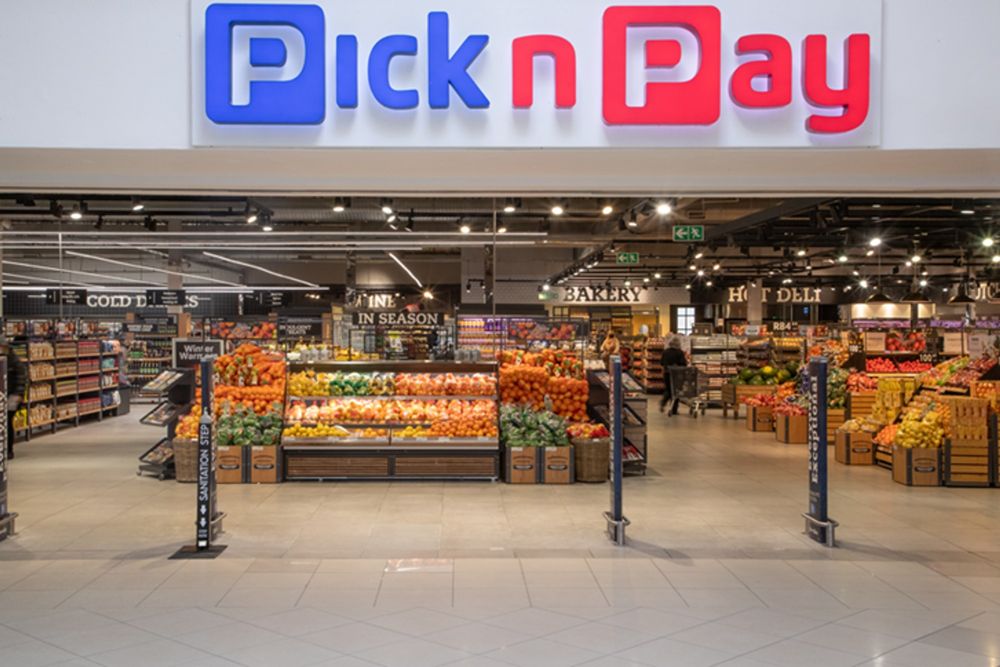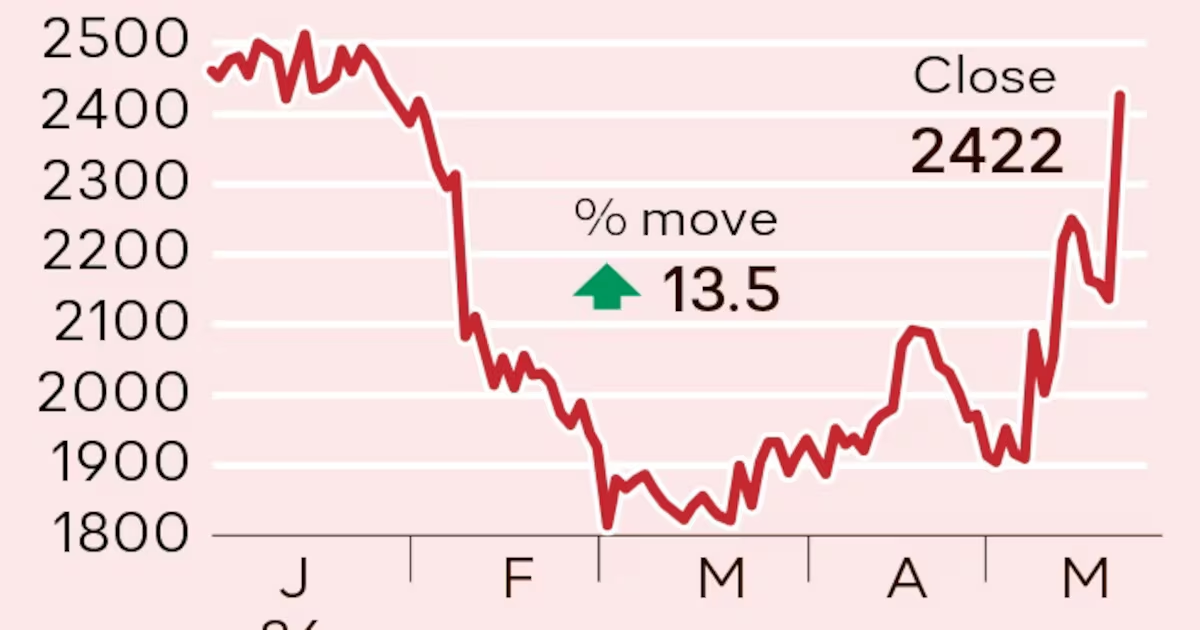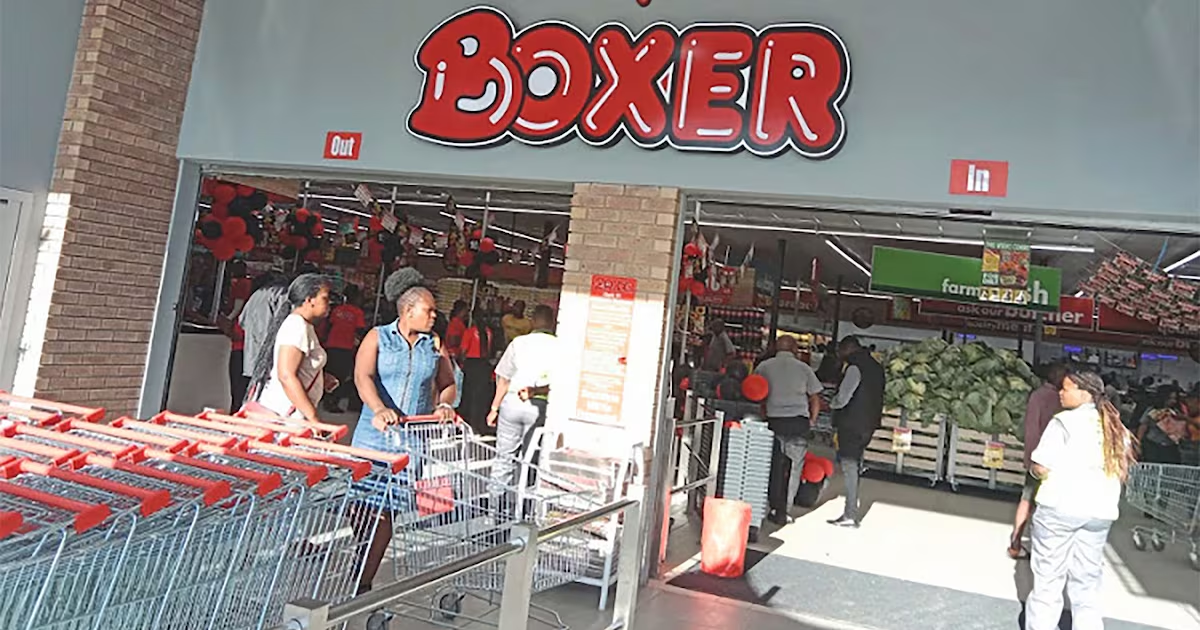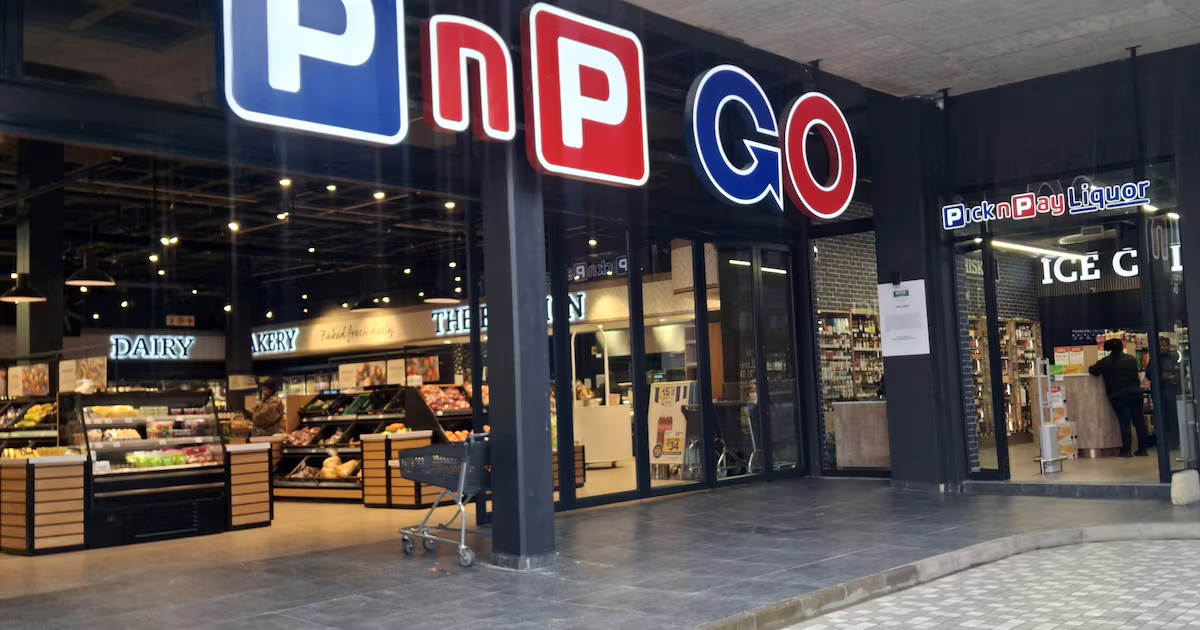
Pick n Pay has improved its earnings outlook for the year ended March, reversing an earlier warning that losses would worsen.In a trading statement late on Thursday, the retailer said it no longer expects the headline loss per share for the 52 weeks ended March to increase compared with the 2025 financial year. This marks a change from its February guidance, when it indicated it expected the headline loss per share to worsen by more than 20%.It now expects the headline loss per share to narrow to between 49.23c and 55.39c, an improvement of 10% and 20% compared with the loss of 61.54c previously.Pick n Pay said the improved outlook was driven by stronger-than-expected performance from Boxer, as well as better trading and margin management in the final month of the financial year within the core Pick n Pay segment.Even with the the improved earnings outlook, the group expects the Pick n Pay segment to report a higher trading loss after lease interest of between R2bn and R2.1bn. This compares with a trading loss of R1.7bn reported in the 2025 financial year.The group will release its annual results on May 25.Pick n Pay has been trying to fix its finances after heavy losses. In the 2024 financial year, it reported a R3.2bn loss, mainly from its core supermarket business. This caused a cash crunch and forced the company to reach a debt agreement with lenders.The retailer has had to raise R4bn through a rights offer and R8.5bn by listing Boxer. These steps strengthened its finances, helping it move from having more debt than cash to having more cash than debt by the end of the 2025 financial year.Earlier this week the group once again turned to its fastest-growing asset, Boxer, to support a struggling turnaround, selling part of its stake to raise cash as it races to break even by 2028. The retailer sold about 12.5% of Boxer for R4.7bn through an accelerated bookbuild, reducing its holding but still retaining control of the discount chain. The proceeds will be used to fund its turnaround plan and strengthen financial flexibility, it added.Pick n Pay faces multiple pressures, including a bruising dispute with staff over proposed changes affecting more than 22,000 workers, and a sustained decline in market confidence that has left the company valued at less than half of Boxer’s market capitalisation.
Pick n Pay losses set to narrow as outlook improves
Improvement driven by stronger-than-expected performance from Boxer
391 words~2 min read