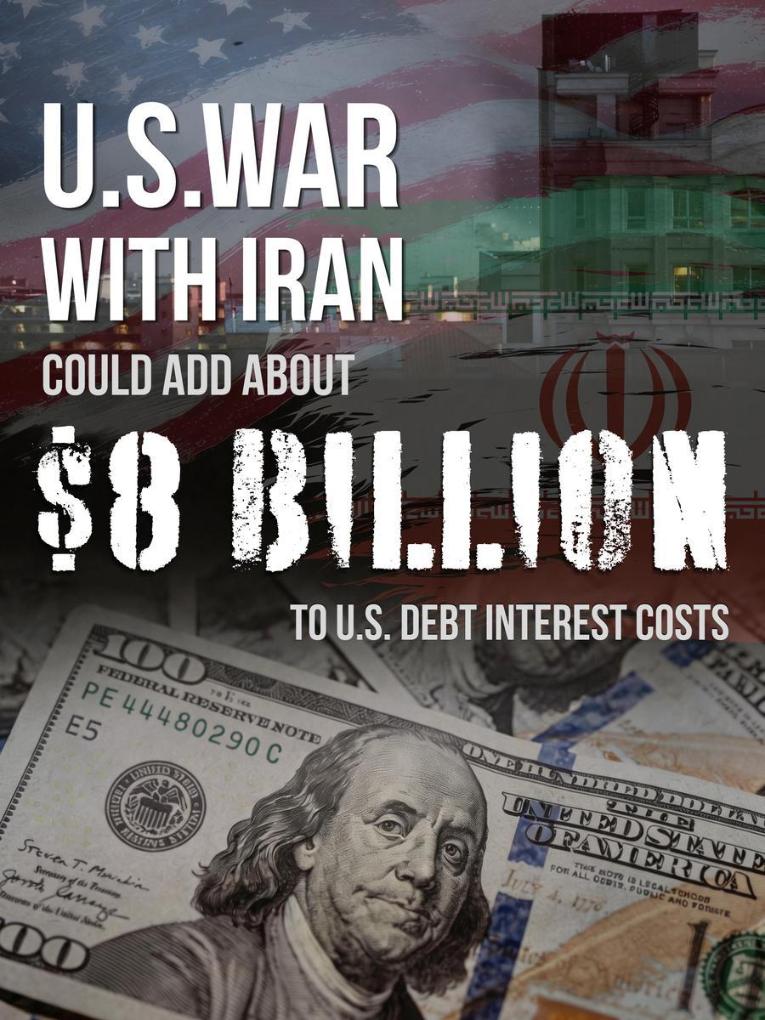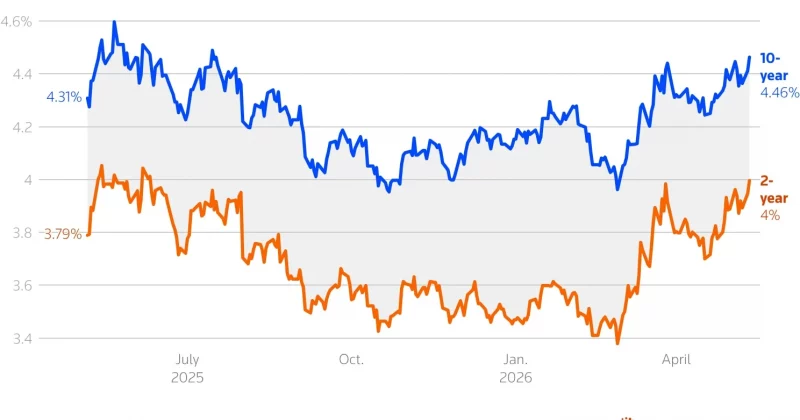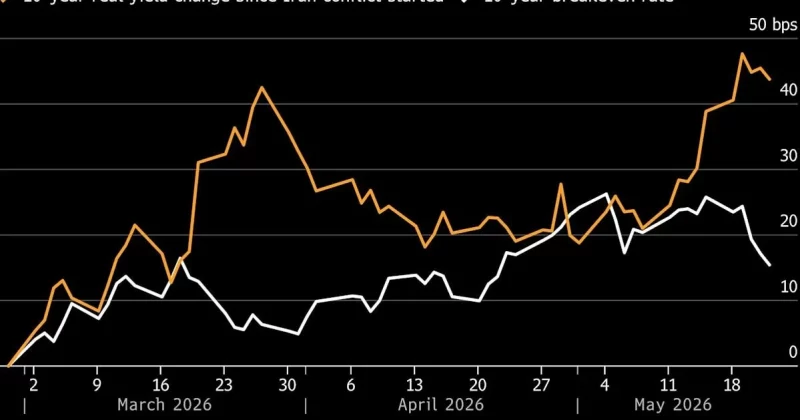
The US government’s borrowing tab just got significantly more expensive. Since the US-Israel-Iran conflict escalated on February 28, 2026, benchmark 10-year Treasury yields have climbed from roughly 4% to 4.58%, a move that analysts estimate could pile tens of billions of dollars onto the country’s annual interest payments.
How 58 basis points becomes a very big number
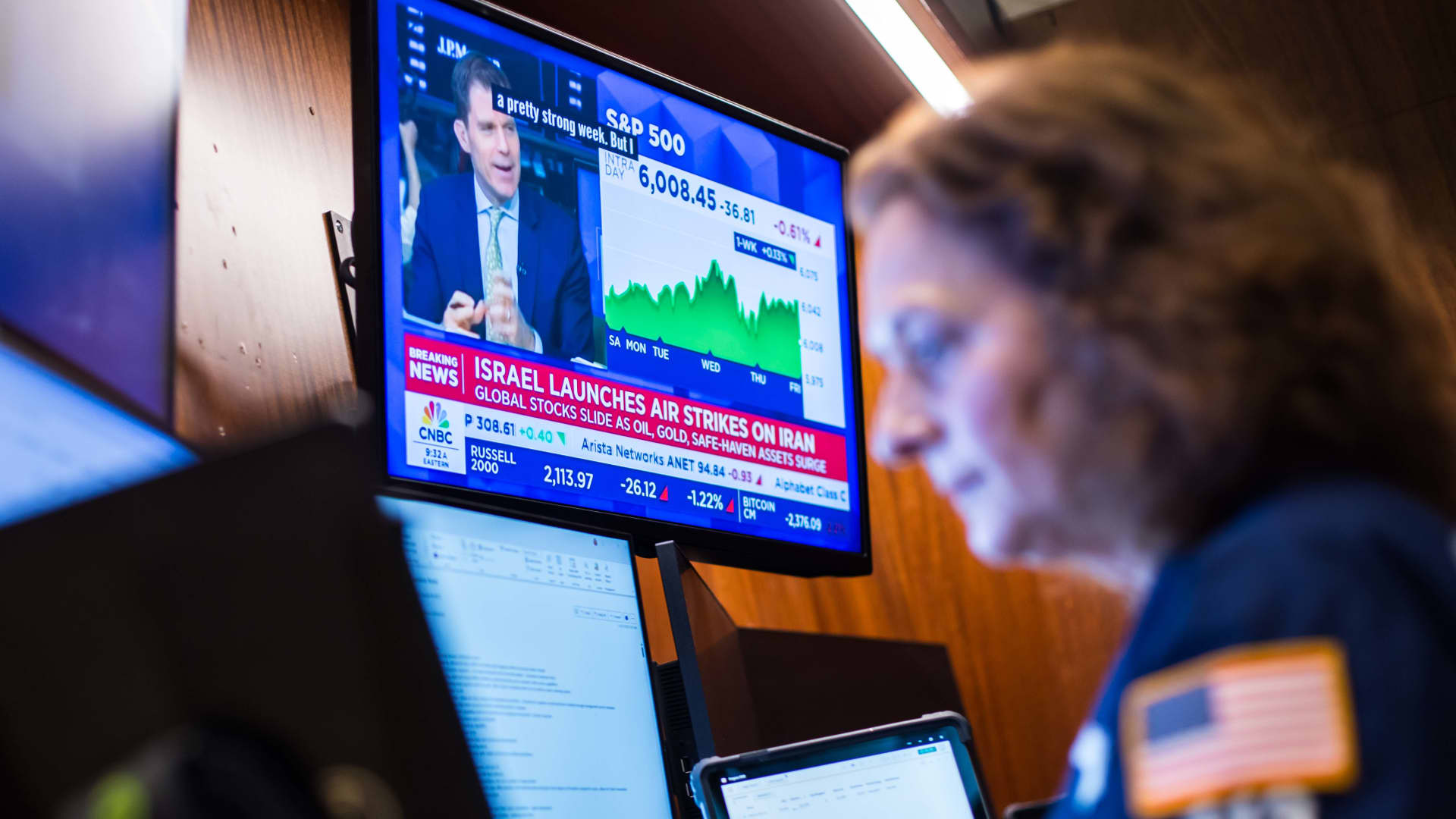
The yield spike has been driven primarily by two forces working in tandem. Oil prices surged following the onset of military operations, with early reports indicating gains of around 50%. That kind of energy shock feeds directly into inflation expectations, which in turn push bond investors to demand higher yields as compensation.
Then there is the classic geopolitical risk premium. When the world’s most important oil transit chokepoint, the Strait of Hormuz, faces sustained disruption threats, fixed-income markets reprice accordingly.
Bitcoin’s mixed signals amid the turmoil