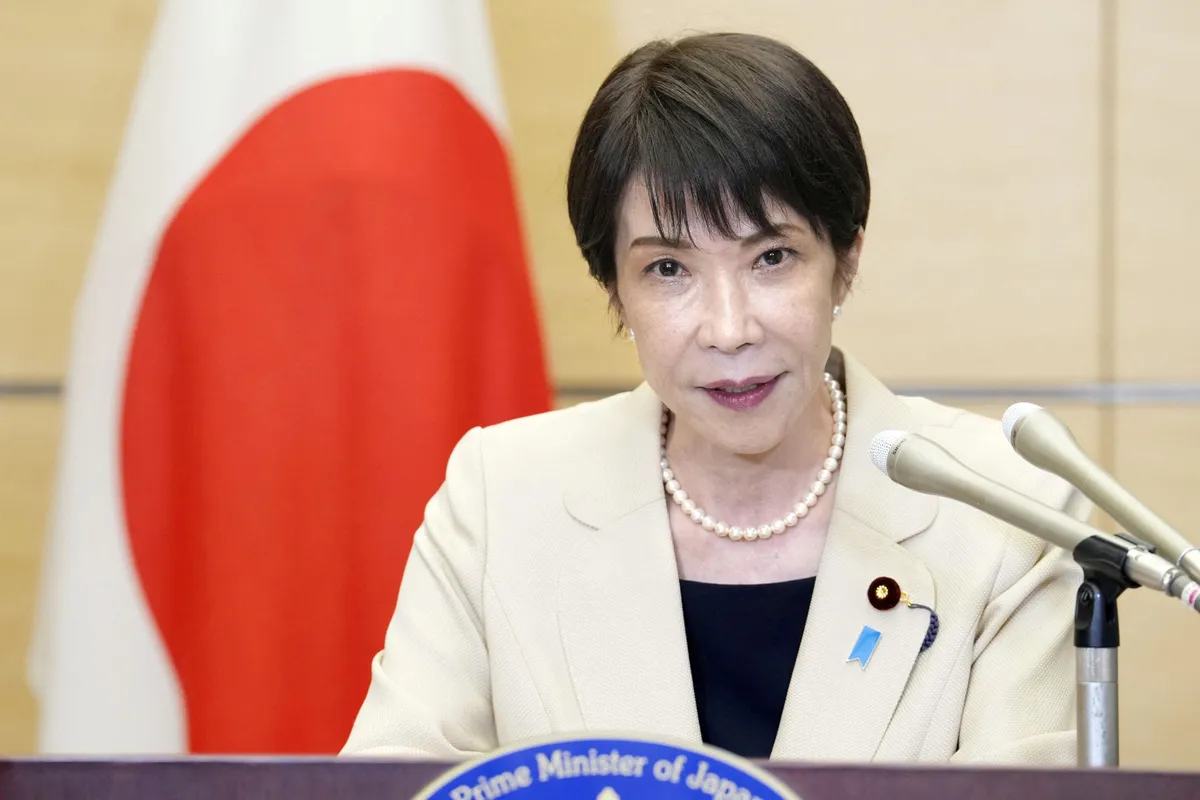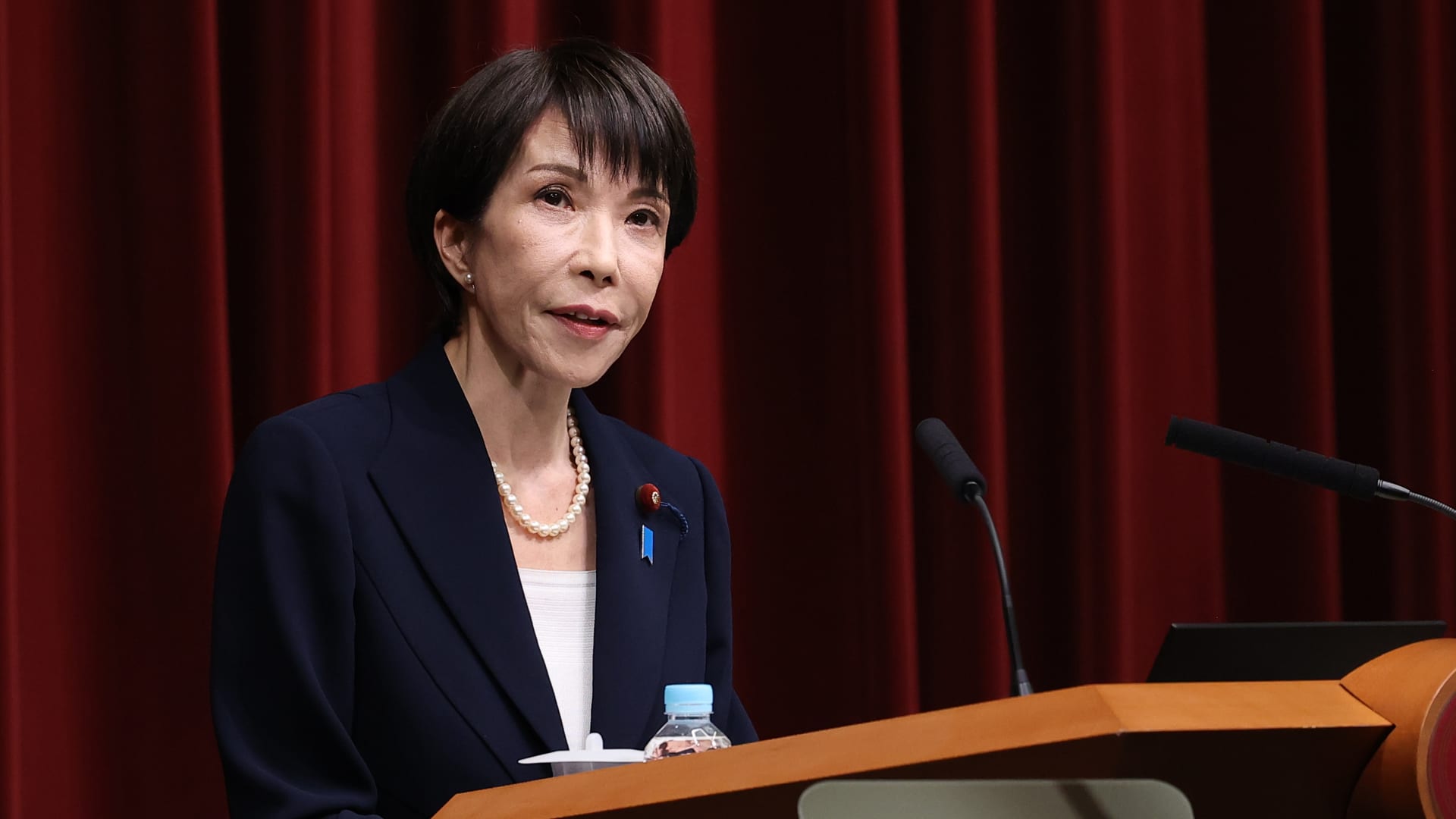
Japan will build up an extra $19 billion in reserves to subsidise fuel costs and help tackle cost of living pressures, Prime Minister Sanae Takaichi said on Monday, while looking to assuage bond market concerns by promising no extra borrowing overall.
The supplementary budget, first reported earlier this month, marks a reversal from Takaichi’s previous remarks ruling out the need for extra spending, but comes as a spike in energy prices following the Iran war - along with rising import costs from the weak yen - threaten her persistently high support among the electorate.
The extra budget of some 3 trillion yen ($19 billion) comes after the government decided to use roughly half of its 1 trillion yen contingency reserves to fund subsidies aimed at curbing utility bills, increasing the need to replenish reserves amid the risk of a prolonged Middle East crisis.
Japan has also been extending separate subsidies to keep gasoline prices steady, a costly step that is quickly using up its contingency reserves as oil prices remain elevated.
Takaichi told reporters the extra spending will be financed by deficit-financing bonds, but added she believes the measure could be implemented “without affecting the government bond market.”