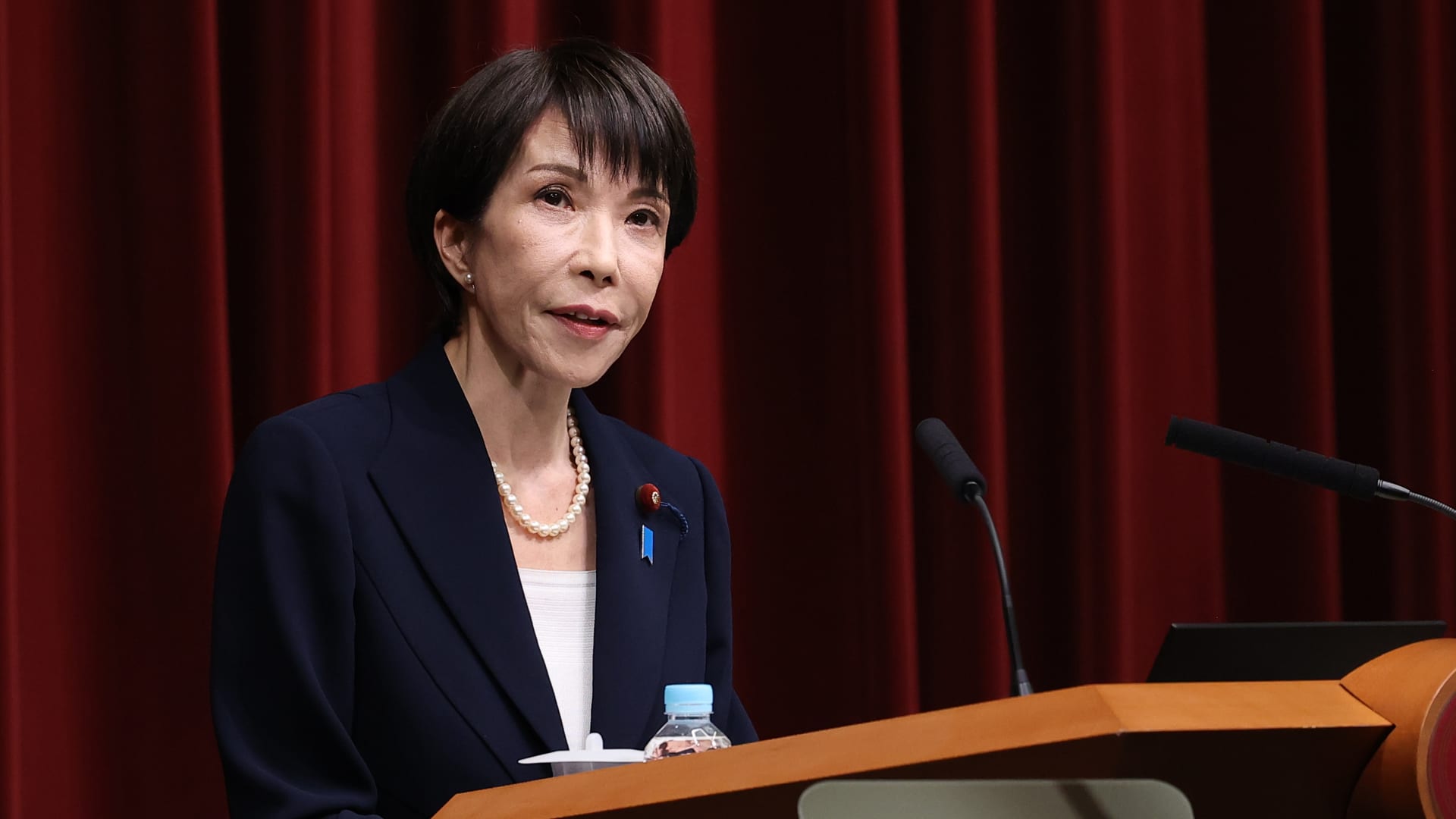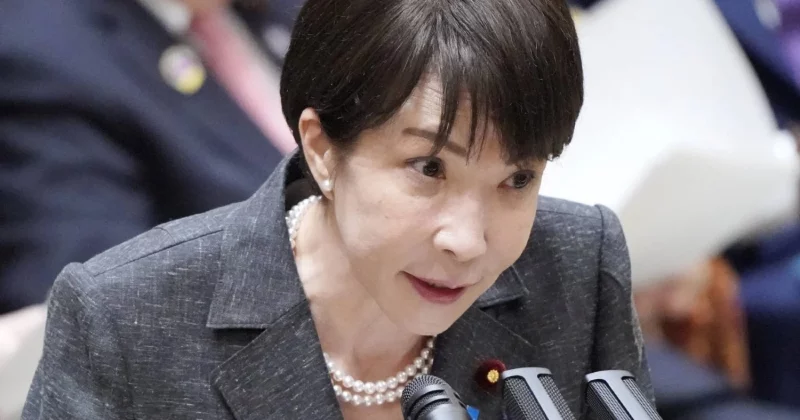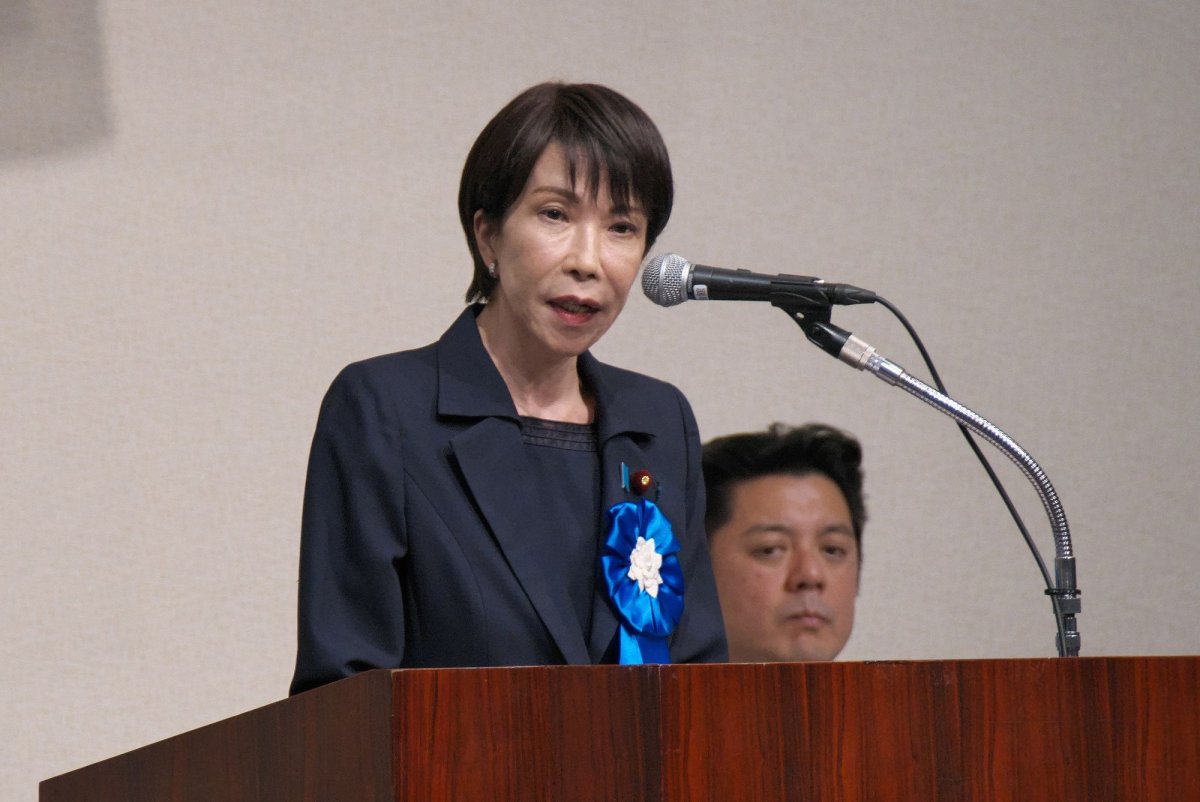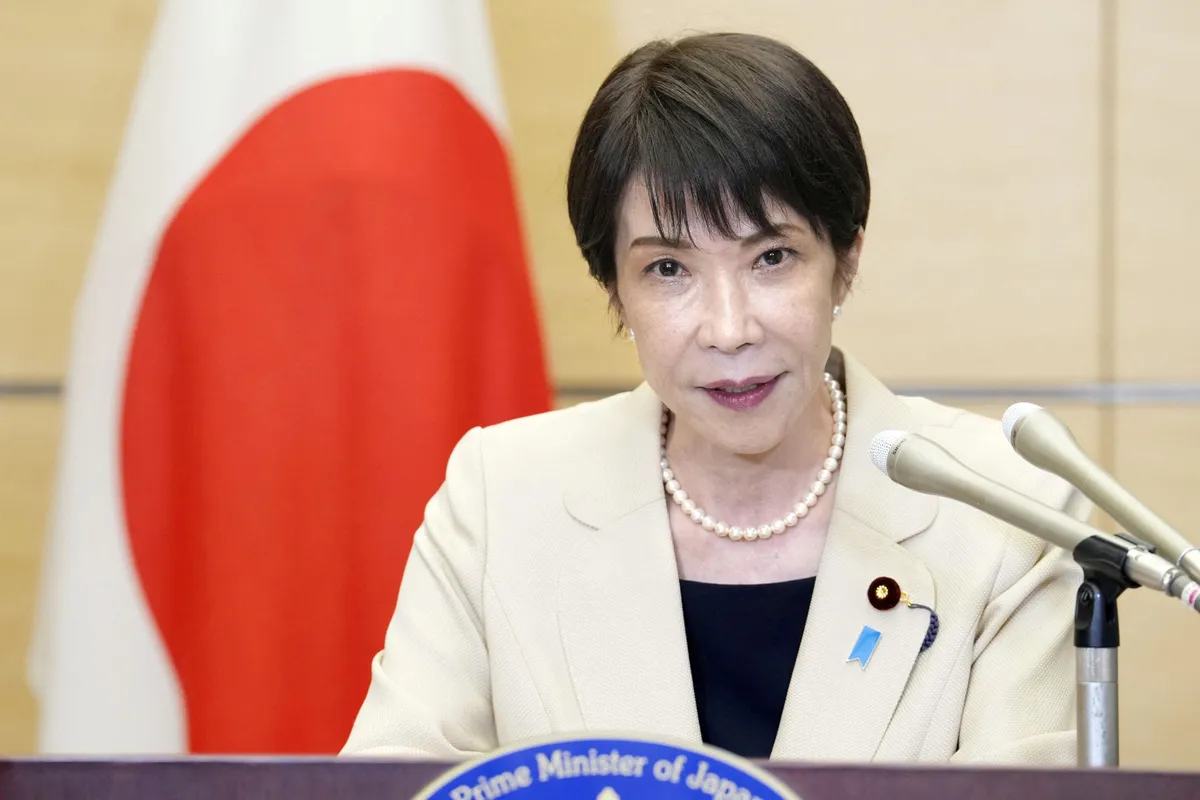
Japan’s Finance Minister Satsuki Katayama revealed plans for a supplementary budget of roughly ¥3 trillion, approximately $19 billion, aimed at cushioning the economy from inflation and external shocks. The announcement came on May 22, barely a week after Katayama herself had signaled no immediate need for extra spending.
That’s a policy U-turn fast enough to cause whiplash. And it tells you something about how quickly the economic picture in Japan is shifting.
What’s in the budget and why now
The ¥3 trillion supplementary budget is designed as a relief measure, targeting the dual pressures of persistent domestic inflation and geopolitical disruptions, particularly events in the Middle East that have rattled global markets. Prime Minister Sanae Takaichi instructed Katayama to prepare the package after previously dismissing the need for additional fiscal action.
Think of it as Japan’s government going from “we’re fine” to “actually, let’s open the emergency toolkit” in about a week. Opposition lawmakers had already been pushing for a spending package of this exact size, which makes the reversal look less like bold leadership and more like catching up to the consensus.