Most write-ups about AI and software development stop at the prompt. Someone shows you how they got Claude to scaffold a component, the demo looks clean, and the post ends there. What nobody documents is what happens when that component ships and something adjacent breaks at 2pm on a Tuesday.
I've been digging into how AI-assisted dev teams actually operate in production, and this breakdown on EngineeredAI.net is one of the clearest field reports I've seen: https://engineeredai.net/ai-human-dev-team-workflow/
The framing that clicked for me: vibe coding is solo. Vibe team software engineering is coordinated. Same underlying tooling, completely different operational model.
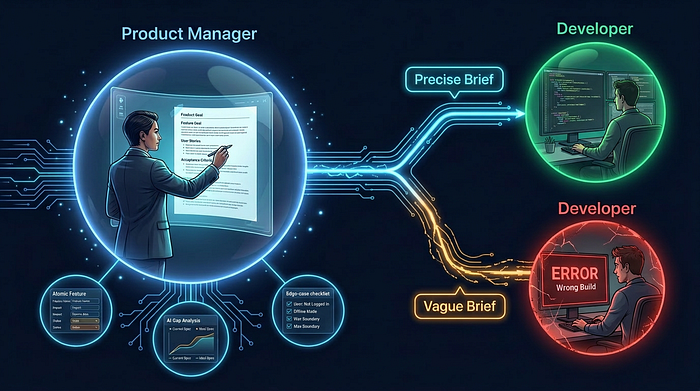
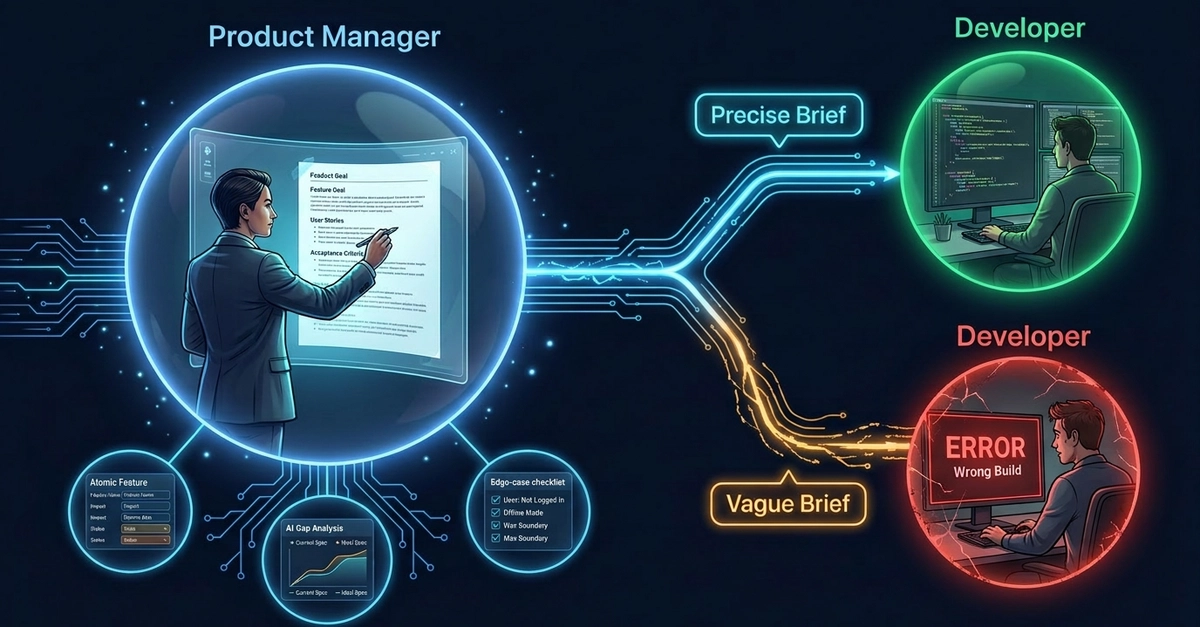
The team structure described is four roles. Founder acting as PM, an AI dev agent handling implementation, a QA engineer as the human verification gate, and a QA collaborator managing the context and documentation layer. That last role is the one most people underestimate. The AI agent doesn't carry institutional knowledge between sessions. Someone has to make that context explicit, or the team loses coherence fast.
The loop itself is tight: ticket filed, agent picks it up, fix shipped, QA verifies, ticket closed. On a well-scoped ticket with a clear reproduction path, that closes same session. That turnaround does not exist in a traditional dev team where a bug report might sit in backlog for a week.