The backlash was inevitable. For the past year, Silicon Valley has been telling us that software development is on the verge of becoming a prompt-and-ship exercise. You know, just describe what you want and let an AI coding agent build it. Sure, maybe you could keep a few token senior engineers around to bless the output…or maybe not. I mean, Google’s Sundar Pichai says 75% of its new code is now AI-generated and reviewed by engineers, up sharply from earlier levels.
Hurray! Right??? Well…
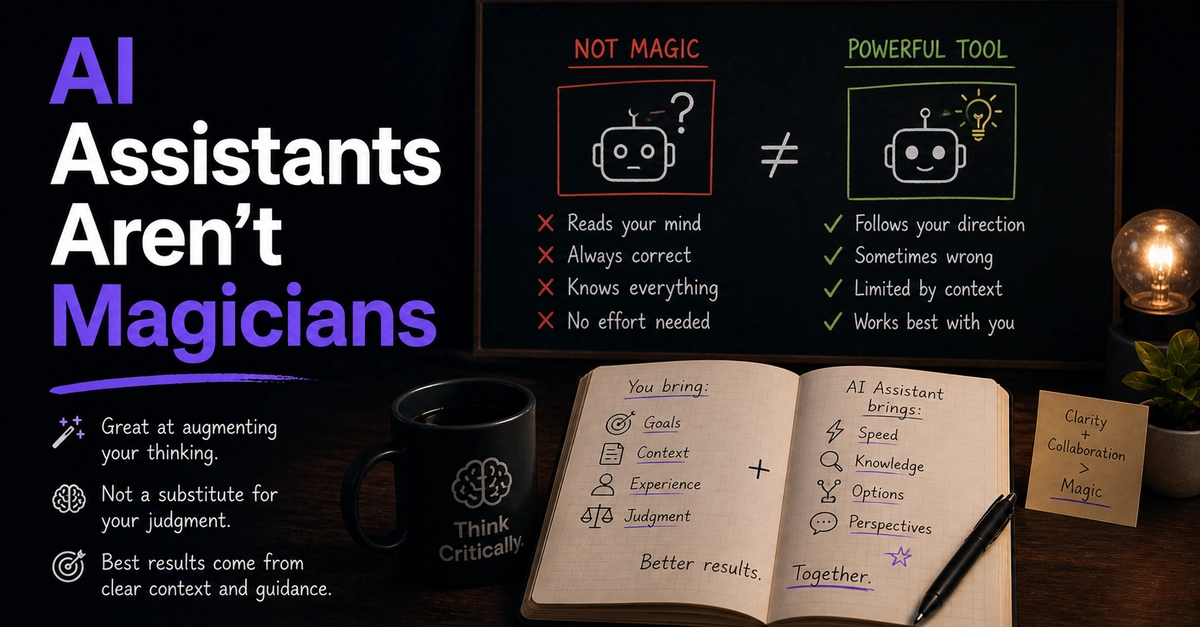
The Wall Street Journal recently highlighted warnings from Mario Zechner and Armin Ronacher, two engineers behind core pieces of the popular OpenClaw AI agent, who argue that AI coding tools are flooding software with what they call “vibe slop.” Their complaint is that too many people are using AI to skip the parts of software development that actually matter: design, judgment, testing, ownership, and deep understanding of the system being changed.
This is worth taking seriously. When people who helped build the tools used by millions start warning that those same tools can produce buggy, potentially dangerous software at industrial scale, it’s probably time to rethink some of the assumptions fueling the AI wave.