adsAfrica’s anticipated interest-rate cutting cycle is losing momentum as a renewed oil shock triggered by the prolonged Iran conflict forces central banks back into inflation-fighting mode.
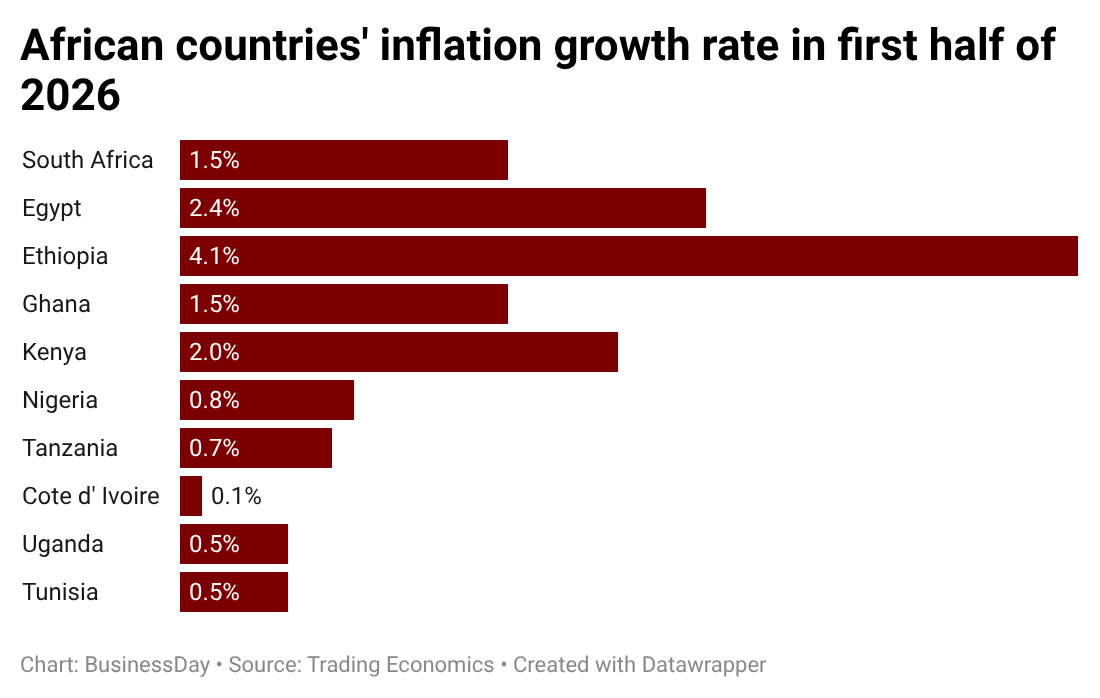
Across the continent, policymakers who only months ago were preparing to support slowing economies through lower borrowing costs are now adopting a far more cautious stance as crude prices surge above $100 per barrel, reigniting imported inflation pressures before price stability has been fully restored.
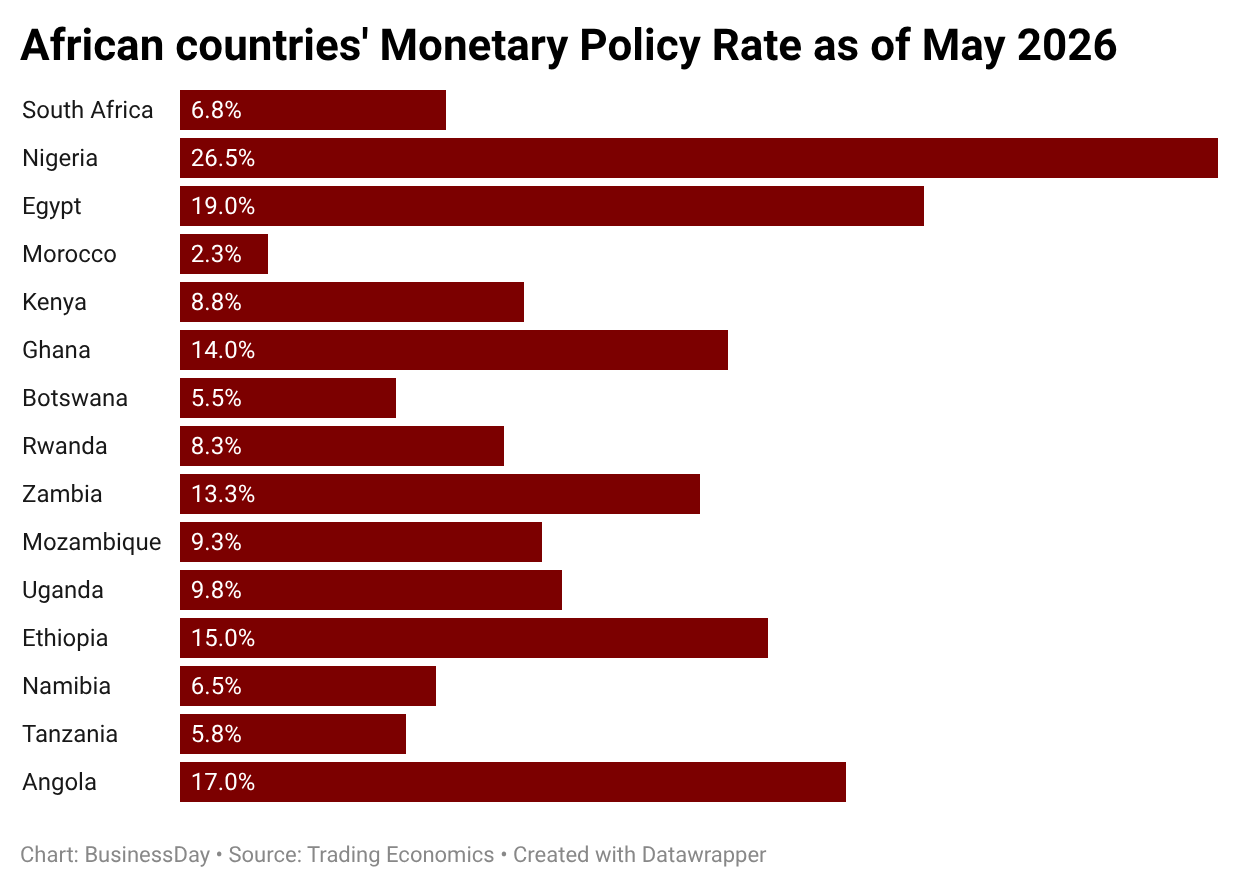
Between March and May, central banks in South Africa, Morocco, Mozambique, Namibia, Kenya, Egypt, Ethiopia, Uganda, Tanzania, Nigeria, and Ghana all held benchmark interest rates steady, signalling a coordinated shift from easing expectations to policy caution.
The change marks an abrupt reversal for African central banks, which had spent much of the past year benefiting from moderating inflation after two years of aggressive monetary tightening. Now, escalating geopolitical tensions involving the United States, Israel, and Iran are threatening to derail the continent’s fragile disinflation progress through higher fuel, transportation, food, and production costs.
The risk is especially acute for the continent’s largely oil-importing economies, many of which remain vulnerable to exchange-rate volatility, rising debt-servicing costs, and weak consumer purchasing power.adsads