I've been testing and reviewing PC hardware for 27 years now, and I still remember evaluating the GeForce 256 SDR and DDR graphics cards for the first time. Since then, I've tested countless GPUs, played countless games, and watched graphics technology evolve in fascinating ways.
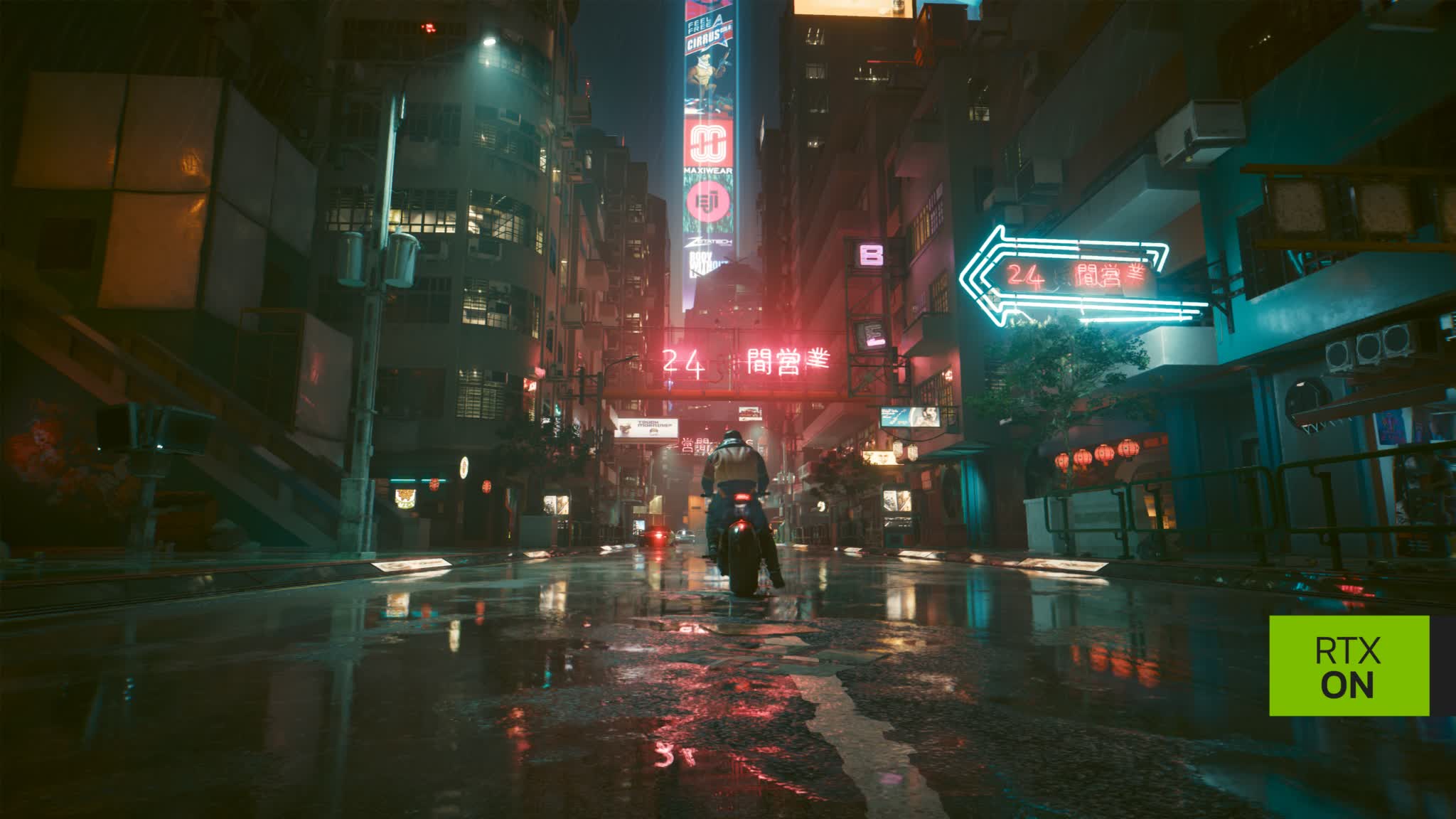
Many trends and features have come and gone, but perhaps none has been more controversial than hardware-accelerated ray tracing, a technology that promised to revolutionize gaming nearly 8 years ago. So, based on everything we know today, was ray tracing actually a scam?
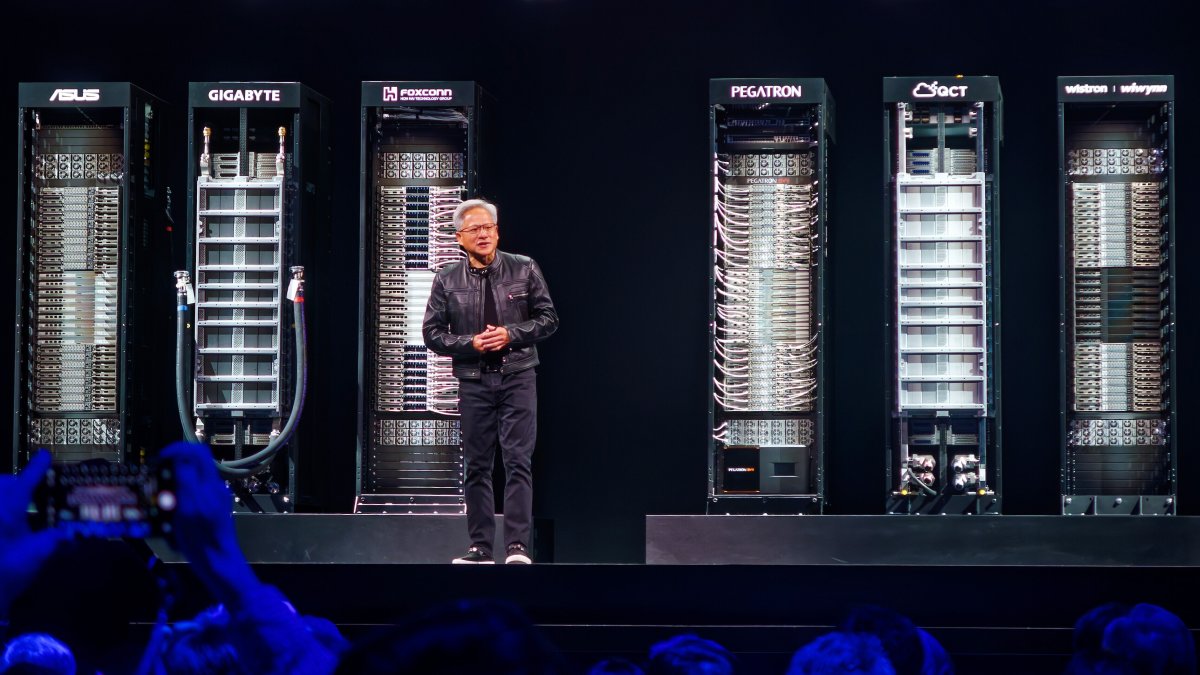
The year was 2018. Jensen Huang took the stage for an almost two-hour presentation, back when Nvidia was still primarily known as a graphics card company and long before it evolved into a multi-trillion-dollar AI powerhouse. Huang repeatedly emphasized that, with ray tracing, developers would no longer need to spend months "faking" lighting with shadow maps or reflection probes. By applying the laws of physics, the lighting would "just work."
He also claimed the GeForce RTX 20 series represented the biggest generational leap in the history of computer graphics, completely eclipsing Pascal. Best of all, pricing started at $499 for the RTX 2070. The message was clear: these were must-buy GPUs, ray tracing was the future, and once you experienced it, you wouldn't want to play games without it.