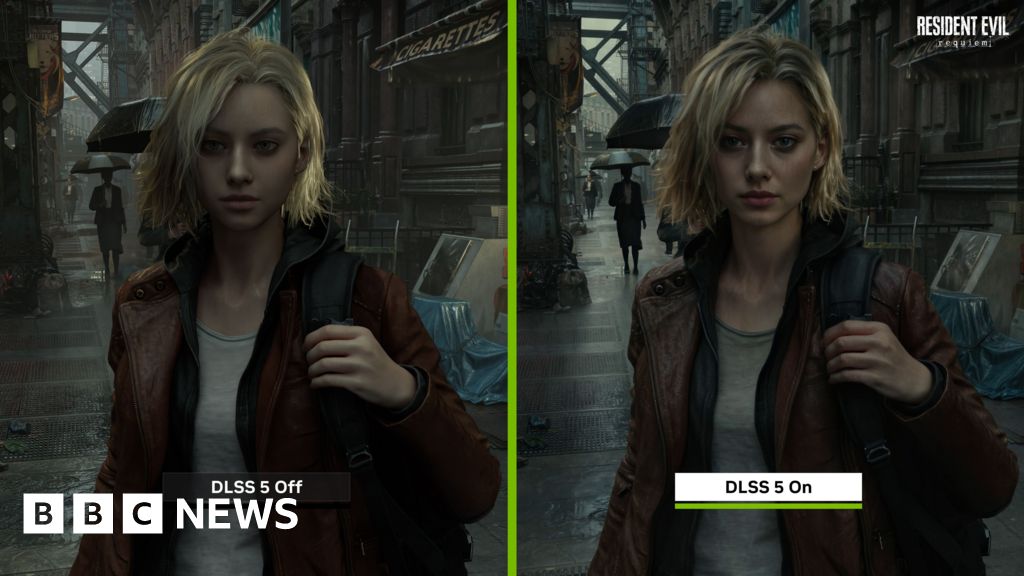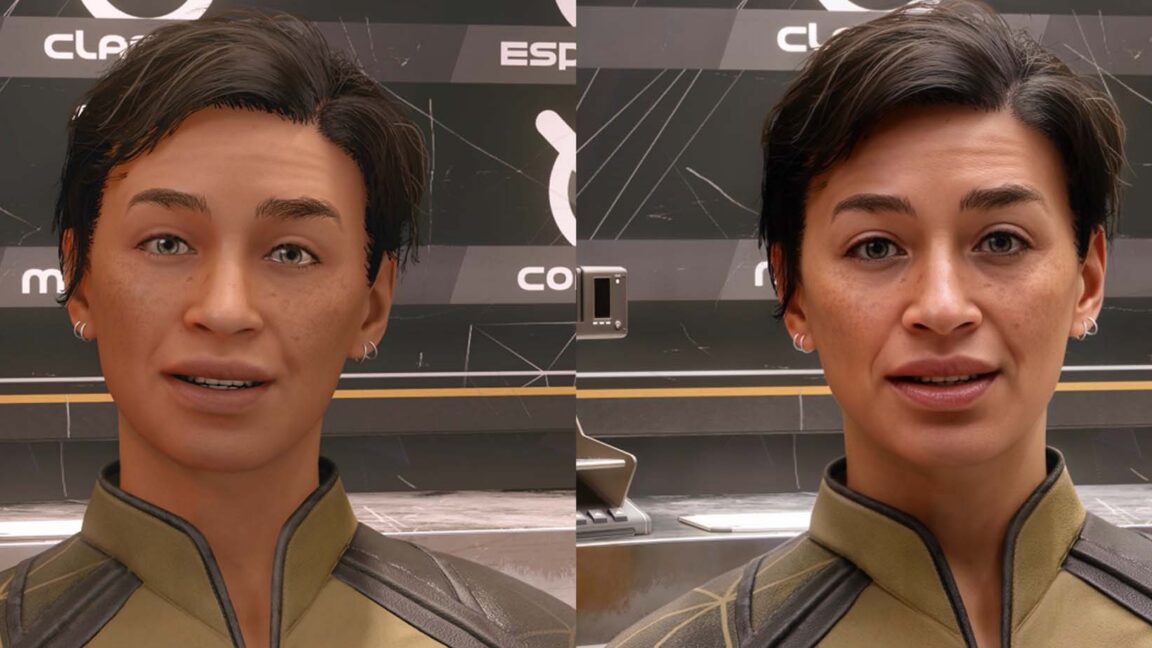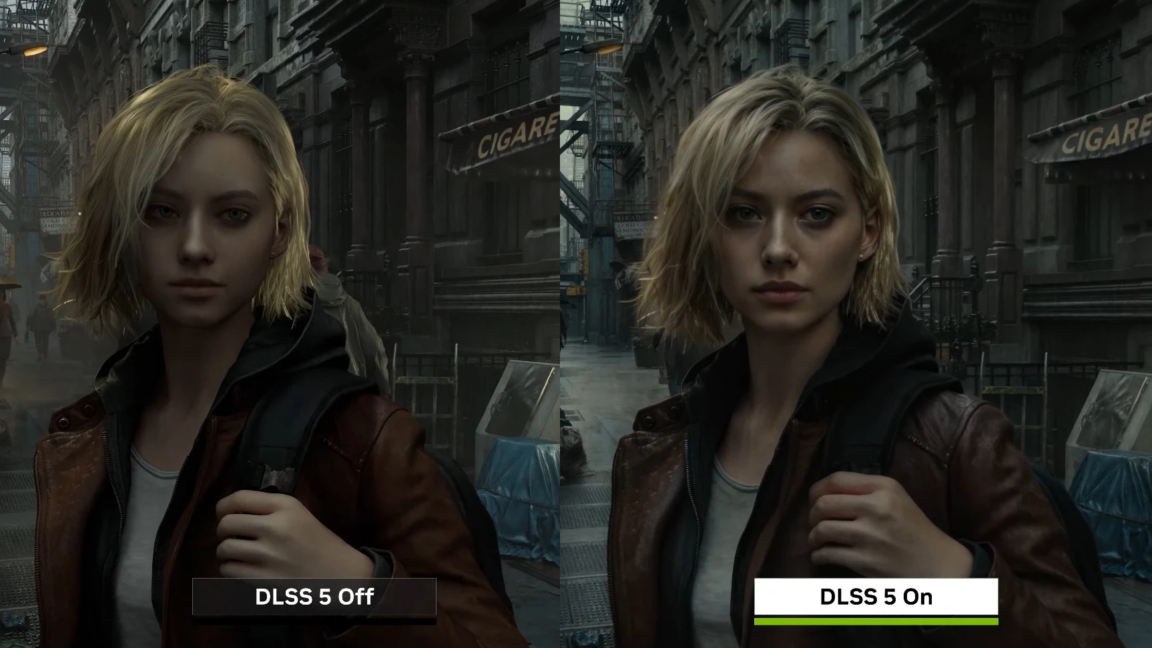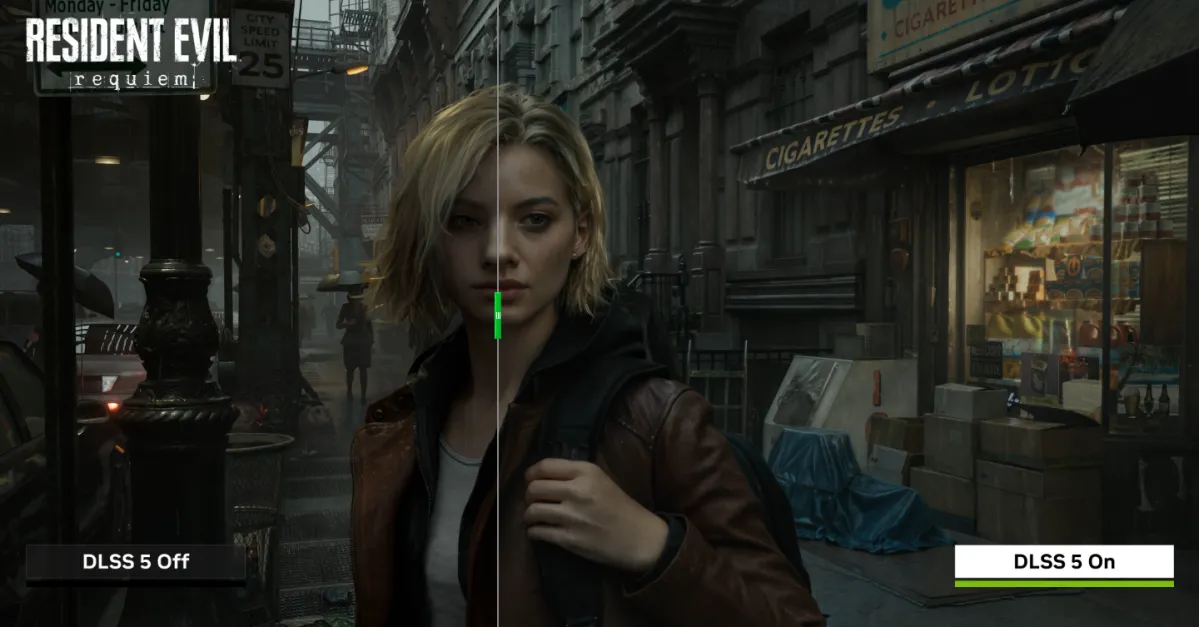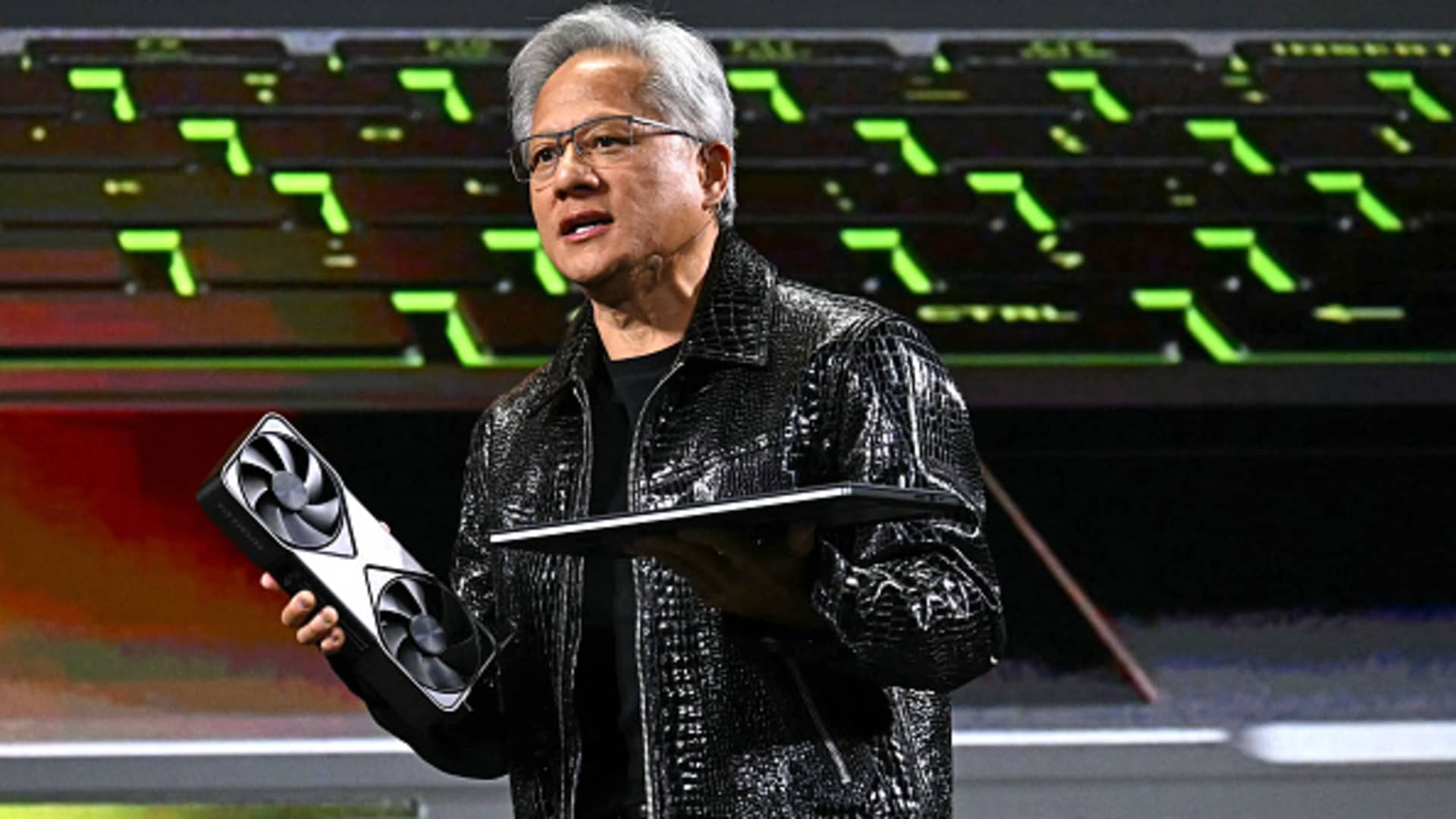
Nvidia stepped in and addressed the backlash. "I don't love AI slop myself," Huang said on a March podcast. He distinguished DLSS 5 from "slop," emphasizing that the technology retains the artist's vision by enhancing frames, not changing them. The defense fell flat as angry gamers began referring to the company as "Slopvidia" across various social-media platforms.
Additionally, any game or studio that utilizes AI "basically gets soft-canceled," Howe said. Indie game "Clair Obscur: Expedition 33" was disqualified from an award show after people discovered that the game had utilized AI-generated graphical textures.
"If I hear that 'Grand Theft Auto VI' - which is coming out later this year - was made half by AI, I genuinely don't think I would buy it anymore," Vargas told MarketWatch. For a game with an estimated budget of over $1 billion, he said, he would expect production "to support real humans."
Watching AI developments unfold over the years has left Howe feeling conflicted. He recalls his first time using a computer, navigating a pixelated "Donkey Kong" figure across the neon screen of a Texas Instruments machine. The gaming industry has come a long way since then.
"Anytime you see advancements in tech and in AI, it's almost always put towards games," Howe said. "I've lived most of my life as a futurist, and I don't hate technology. I'm certainly no Luddite - but I've had a lot of the hope sucked out of me in the post-COVID years."