Thursday 21 May 2026 2:28 pm
The real focus was on Nvidia’s data centre business
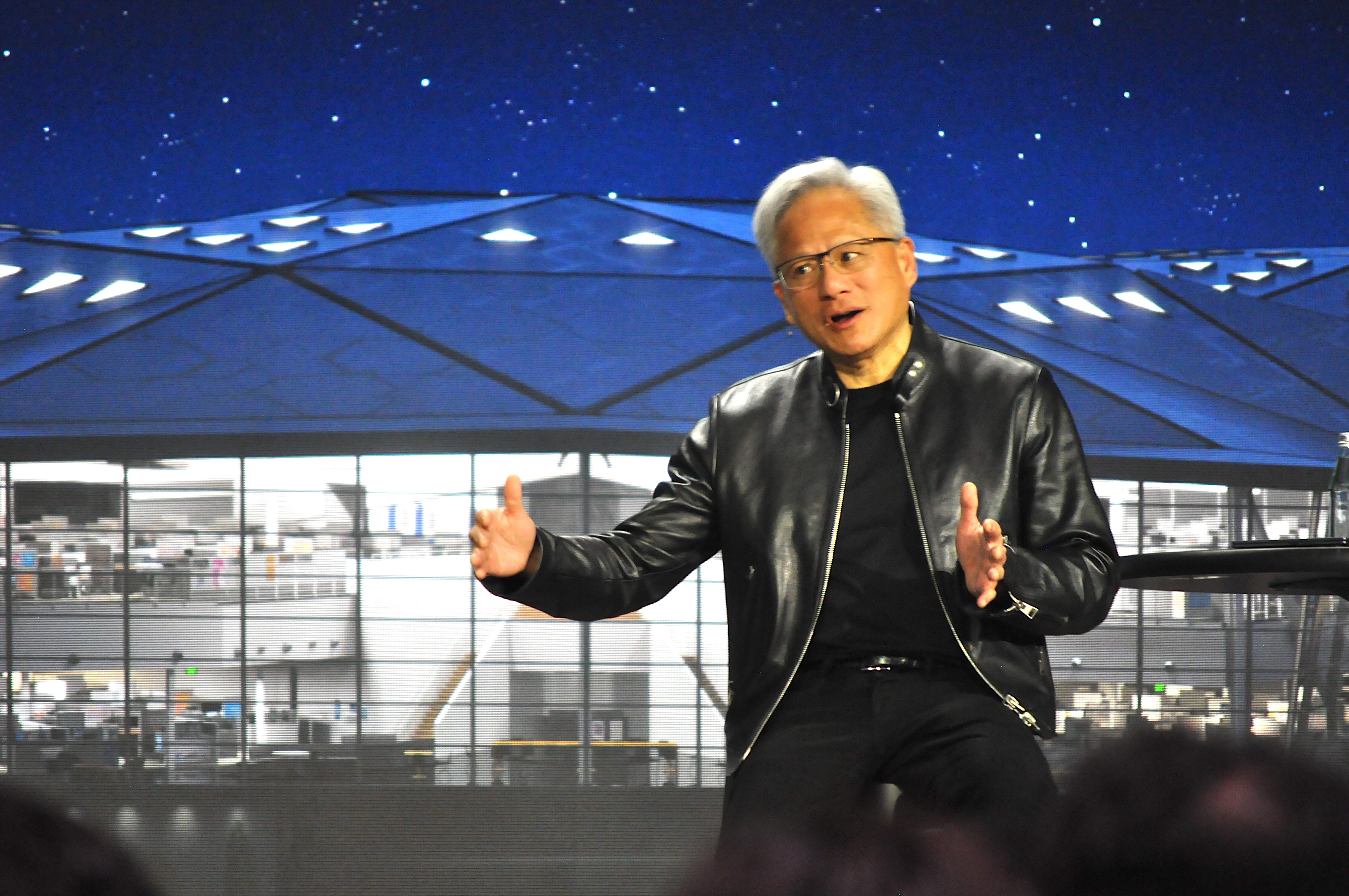
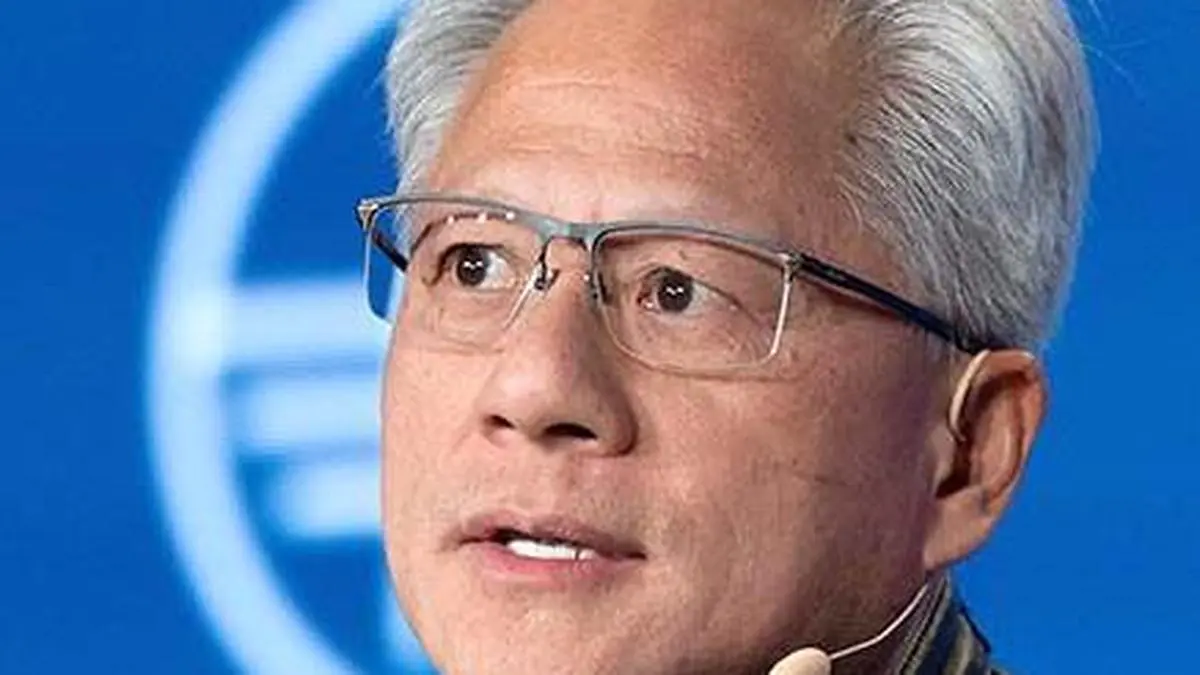
Nvidia delivered another record-breaking quarter on Wednesday night, extending its dominance at the centre of the AI boom – but investors are increasingly asking how long the explosive growth can continue.The world’s most valuable company reported first-quarter revenue of $81.6bn, up 85 per cent year-on-year and ahead of Wall Street forecasts of $78.9bn.Net income climbed to $58.3bn, while adjusted earnings per share came in at $1.87, also beating analyst expectations.As ever, the real focus was on Nvidia’s data centre business, which has become the backbone of the global AI arms race.Revenue in the division surged 92 per cent to $75.2bn, accounting for more than 90 per cent of total sales, as Microsoft, Amazon, Meta and Google continue to pour hundreds of billions into AI infrastructure.Jensen Huang, Nvidia’s founder and chief executive, said demand for the company’s systems had “gone parabolic”.“The buildout of AI factories – the largest infrastructure expansion in human history – is accelerating at extraordinary speed,” Huang told investors.Nvidia also guided for second-quarter revenue of around $91bn, comfortably ahead of expectations, while announcing an additional $80bn share buyback programme and lifting its quarterly dividend from one cent per share to 25 cents.The numbers reinforced Nvidia’s position as the clearest corporate winner from the AI boom, with analysts increasingly viewing its earnings as a broader test of whether the vast spending spree around AI is continuing at full speed.China and competition cloud blockbuster quarterYet despite another near-flawless set of results, Nvidia shares slipped in after-hours trading, extending a pattern that has followed several recent earnings reports.That muted reaction reflects just how high expectations have become for a company now worth more than $5tn.Nvidia has beaten Wall Street estimates in 18 of the last 20 quarters, and investors increasingly appear to want evidence not just of growth, but of growth accelerating even further.There are also signs the market is beginning to look beyond the current AI spending cycle and focus on what comes next.Several of Nvidia’s biggest customers – including Amazon, Google, Microsoft and Meta – are investing heavily in developing their own custom AI chips in an effort to reduce reliance on Nvidia’s hardware.Nvidia itself acknowledged in regulatory filings that some customers are building products “optimised for certain workloads” that may not require its highest-end systems.Competition is also intensifying from rivals such as AMD, Intel and a growing number of AI infrastructure startups targeting specific workloads like inference computing.And at the same time, China remains a major uncertainty. Nvidia said it was not assuming any data centre compute revenue from China in its current-quarter outlook after export restrictions and growing geopolitical tensions disrupted sales of its advanced chips into the country.Huang admitted the company had “largely conceded” the Chinese AI market to Huawei, though global demand elsewhere remained more than strong enough to sustain growth.The company is now positioning its next-generation Vera Rubin systems as the next phase of the AI buildout.Huang said Nvidia expected to remain supply-constrained throughout the entire life cycle of the platform, which the company believes could unlock another multi-trillion-dollar infrastructure cycle.