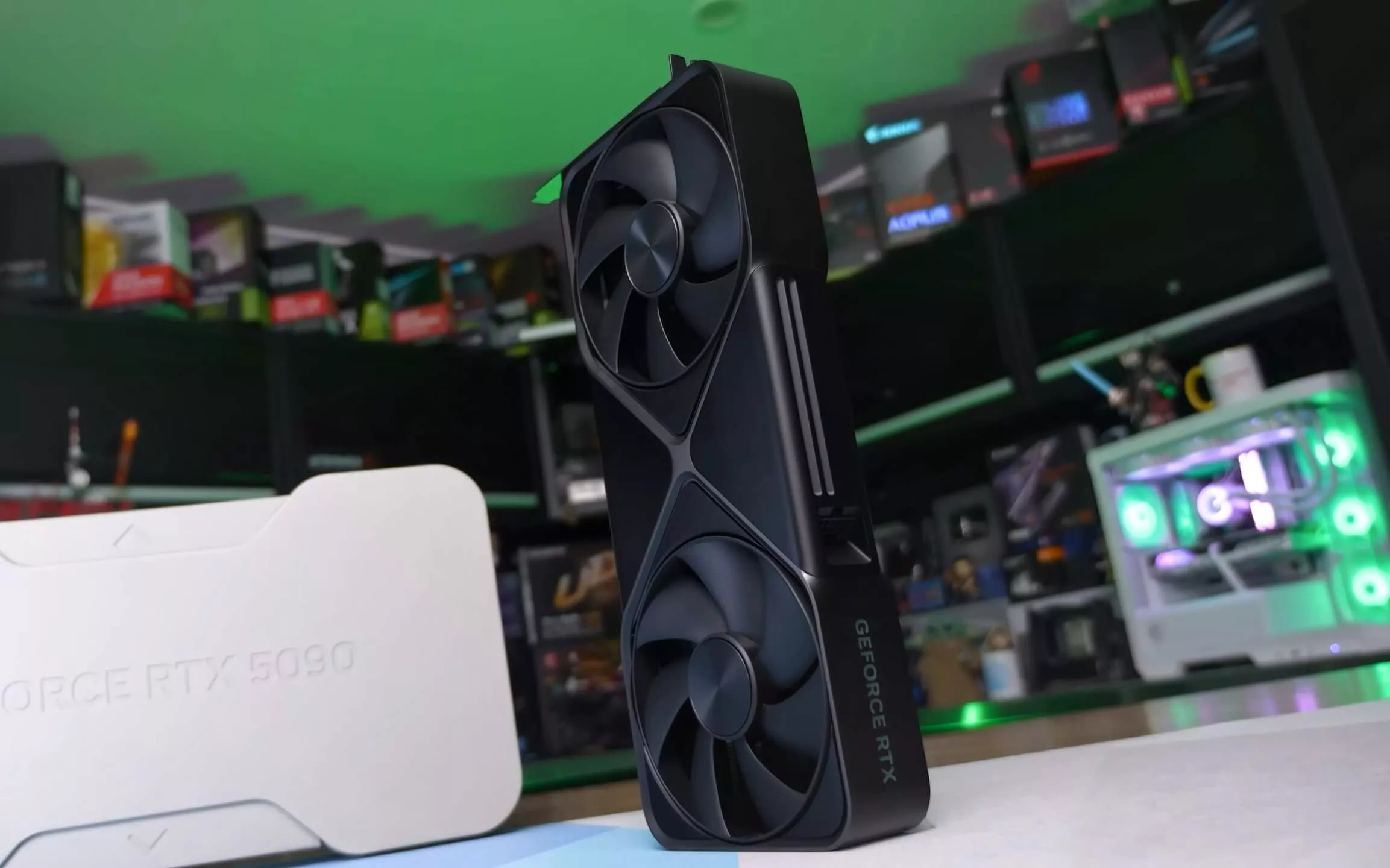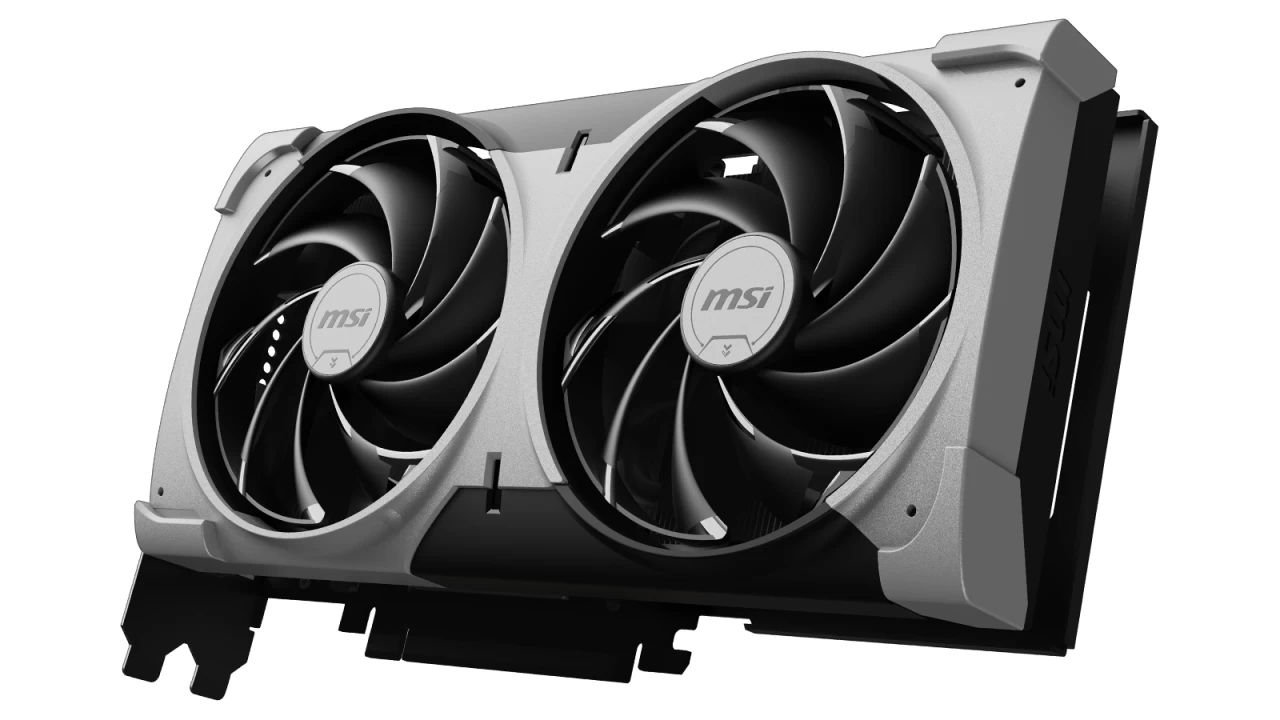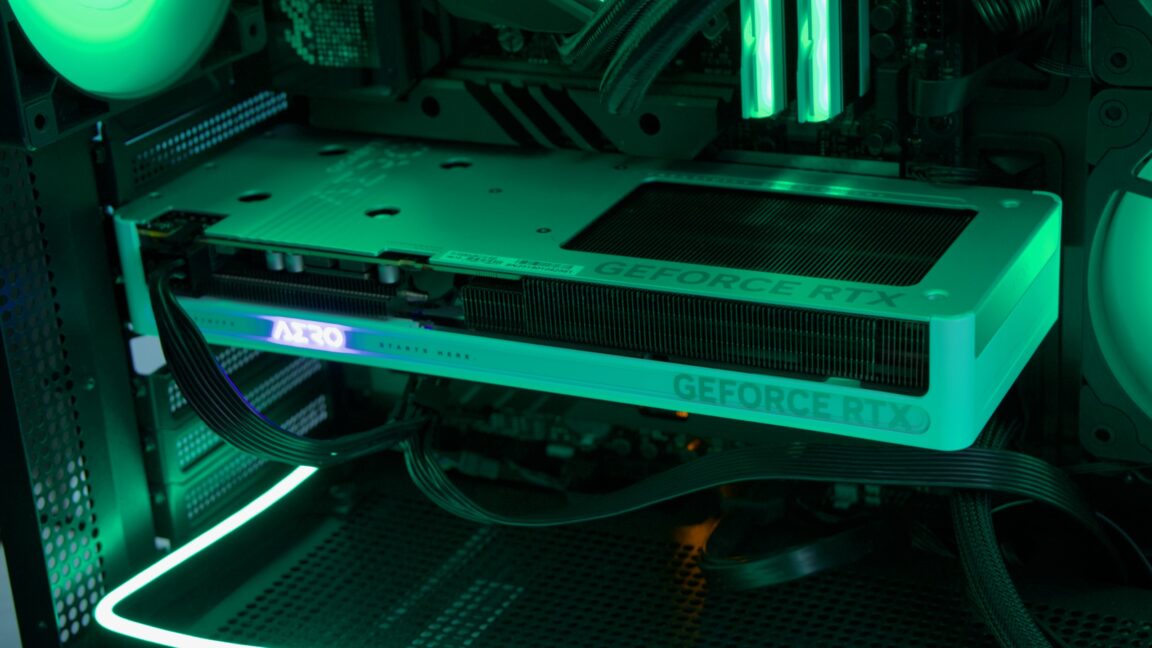
An OK, but uninspiring, end to the 50-series rollout for mid-range gaming PCs.
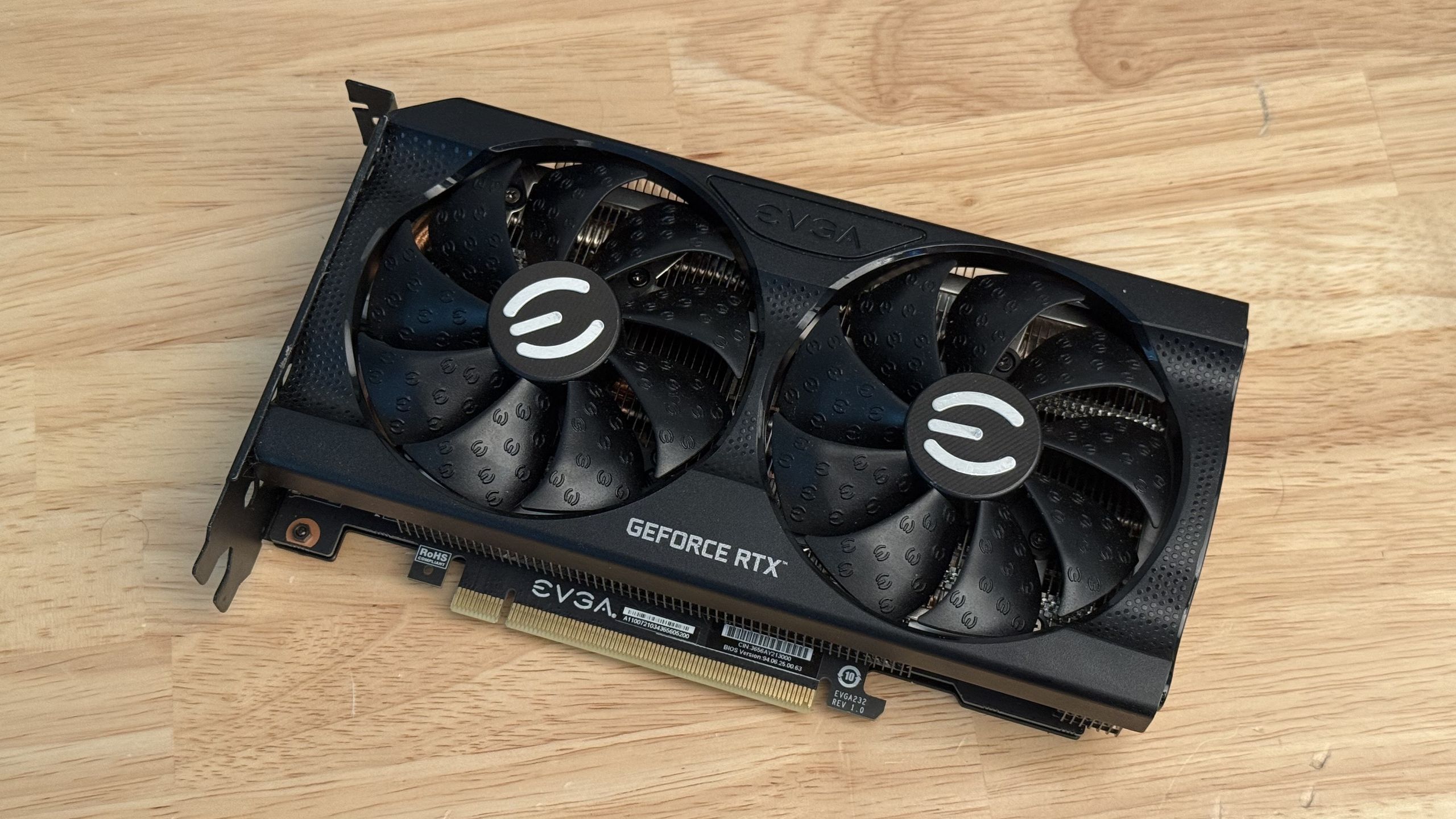
When it comes to Nvidia's GeForce RTX 5060 graphics card, the GPU itself is less interesting than the storm Nvidia stirred up by trying to earn it better reviews. If you don’t follow the twists and turns of graphics card launch metanarratives, allow me to recap the company's behavior for you.
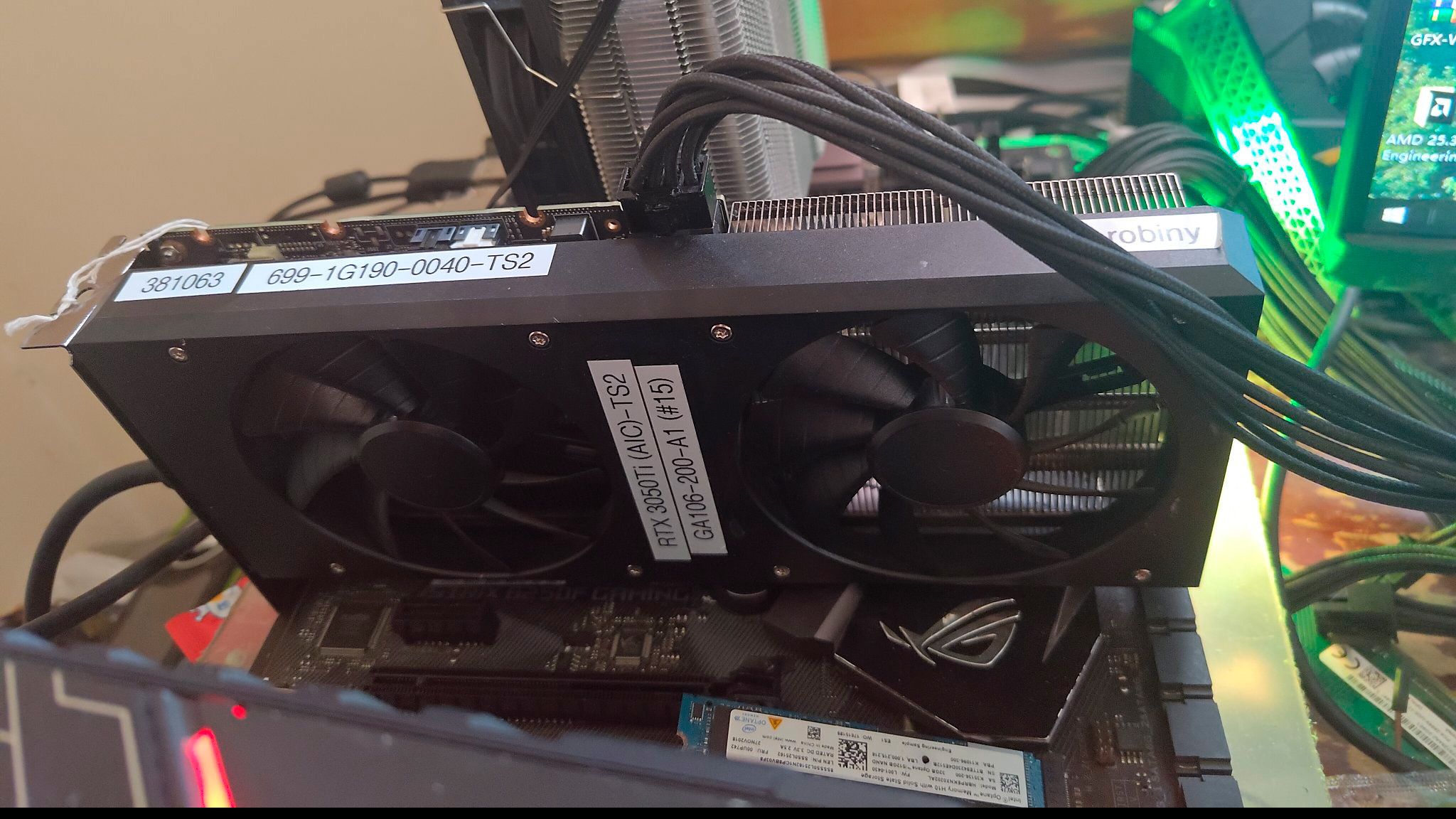
Though the RTX 5060 launched on May 19, Nvidia and its partners were uncharacteristically slow to ship graphics cards to reviewers. For outlets that received pre-launch hardware, Nvidia didn’t provide the pre-launch drivers that it usually sends out so that reviewers could run their own tests on the cards, informing reviewers on a call that drivers would be available to them and the public on the 19th.
Except! Nvidia did offer advance drivers to a handful of publications on the condition that they run a few benchmarks that had been pre-selected by Nvidia and that they only report numbers from tests performed with the 50-series new DLSS Multi-Frame Generation (MFG) setting enabled.
As we've already seen in multiple Nvidia press decks, the company loves to compare these DLSS MFG-inflated numbers to natively rendered frame rates from other graphics cards, because it helps make an otherwise mostly ho-hum refresh look like a much bigger performance boost than it is. This is where Nvidia CEO Jensen Huang's spurious claim that the RTX 5070 provides "4090 performance at $549" comes from. To try to strong-arm reviewers into presenting this same misleading data—DLSS MFG can be useful in some situations, but it's hardly a perfect solution for poor performance—is just to reinforce the impression that Nvidia is abusing its dominant position in the gaming GPU market (even as gaming GPUs make up a smaller and smaller piece of the company's revenue).