With rising fuel prices, South African businesses are increasingly turning to on-site fuel storage. However, experts warn of the hidden risks and compliance challenges that come with this practice, urging companies to review their safety standards and insurance policies.
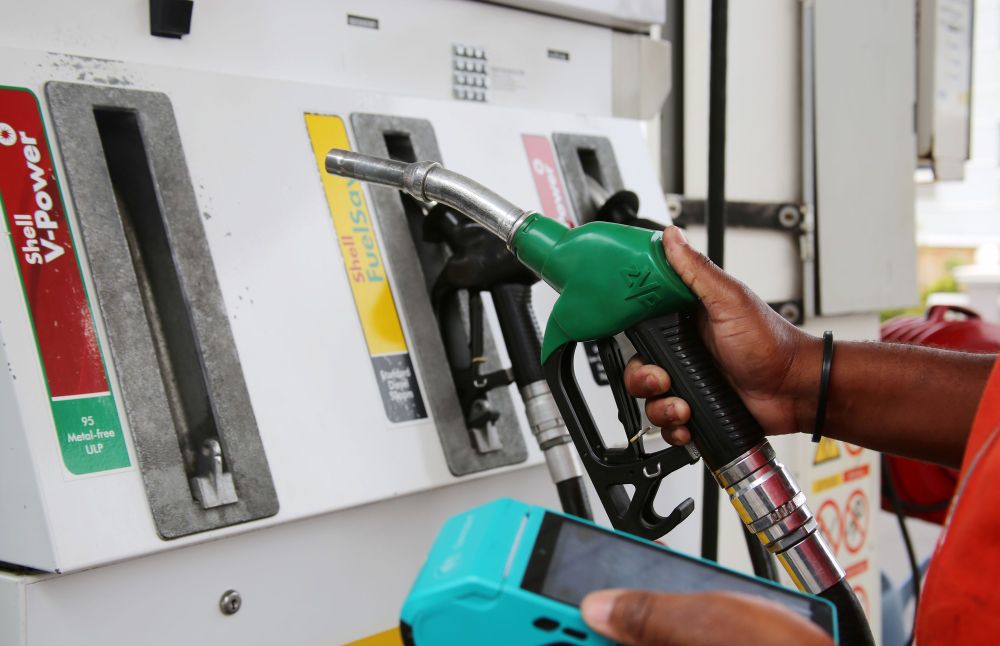
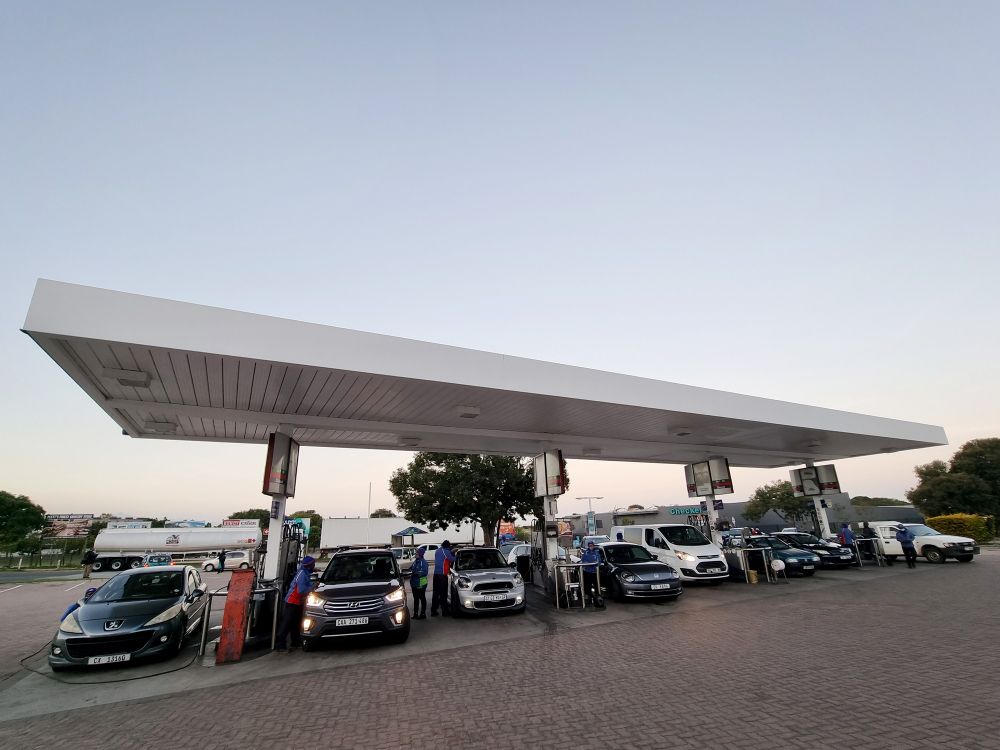
With fuel prices rising rapidly and severely impacting commercial activity on a global and local scale, businesses across fuel-dependent sectors in South Africa have been forced to rethink how they manage their supply.
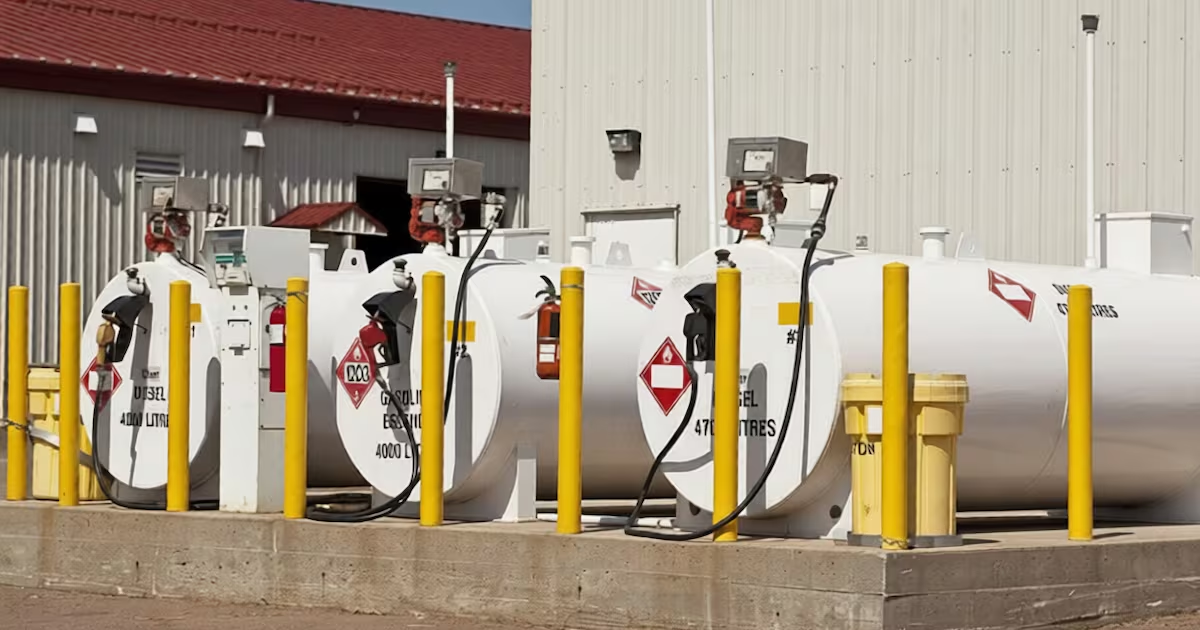
From agriculture, where fuel is used for everything from powering machinery and transporting produce to ensuring equipment can be run off-grid in the event of electricity instability, to freight and logistics, construction, and others, many businesses have sought to store fuel on-site. This understandably assists in managing operational continuity to accommodate day-to-day activities while shielding businesses from price volatility, but they must also be cognisant of new risk exposures that may apply.
Fuel storage is governed by a layered set of safety standards and municipal bylaws. With businesses across the spectrum moving quickly to accommodate their fuel needs on site, they need to be amending their risk management practices and policy disclosures just the same, or they may find themselves operating outside the conditions insurers expect to see in place.