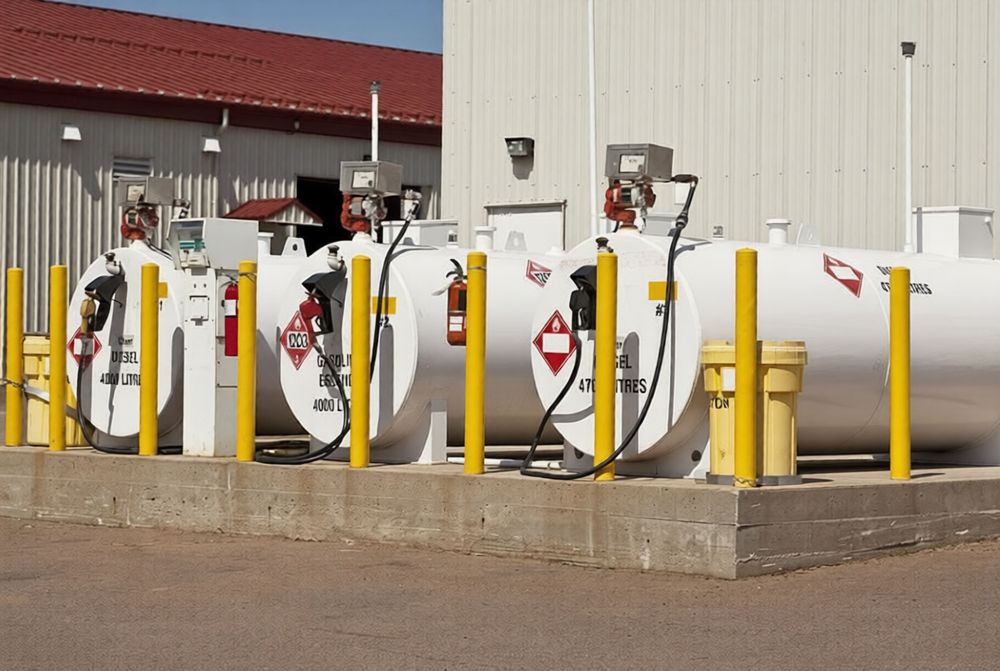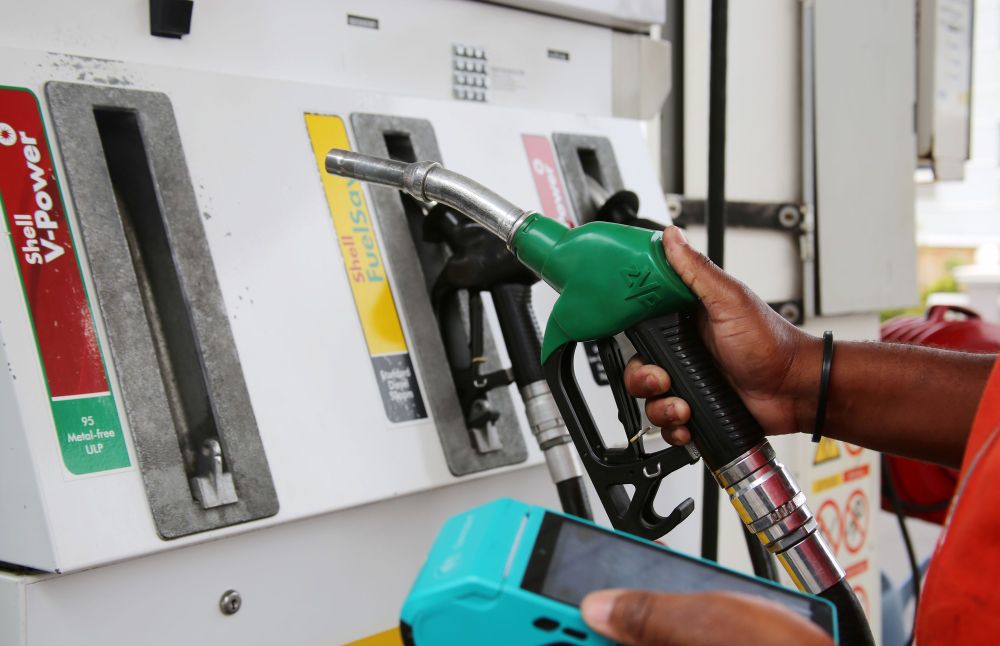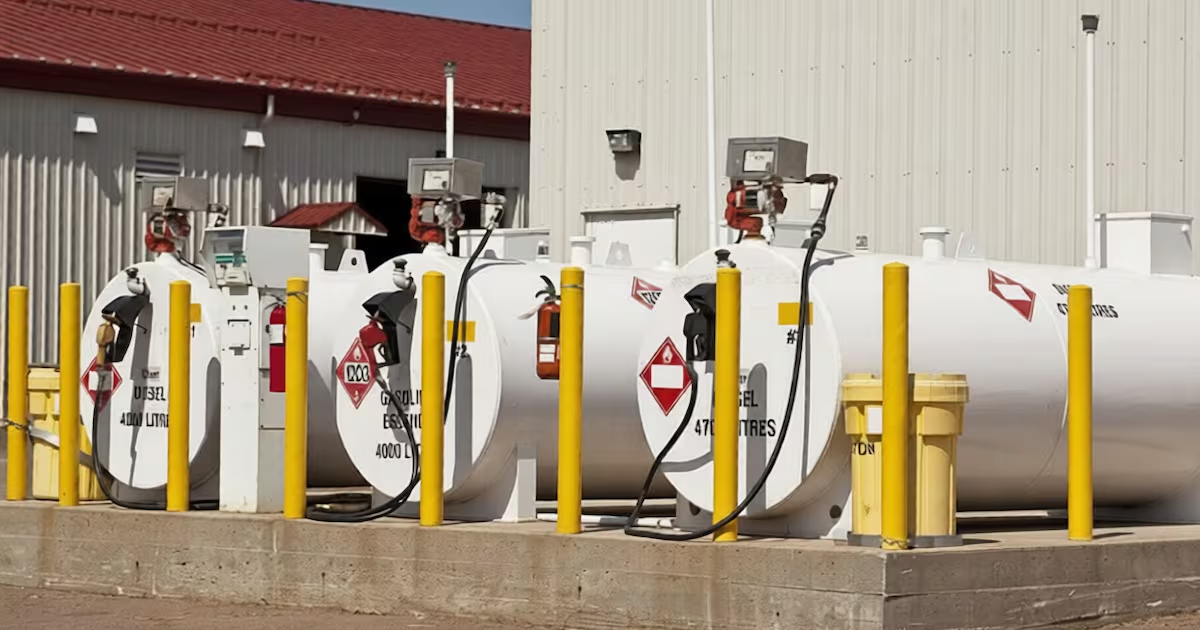
South African businesses are increasingly storing fuel on site as rising fuel prices and operational pressures force companies to seek greater control over supply and costs.However, insurance experts warn that many may be exposing themselves to significant compliance, safety and insurance risks in the process.The trend is becoming more common across agriculture, logistics, freight and construction, where diesel and petrol are critical to day-to-day operations, backup power systems and transport activity.According to Kobus Groenewald, consultant at GIB Insurance Brokers, many businesses are expanding fuel storage informally without fully accounting for the regulatory and insurance obligations associated with handling flammable substances.“Fuel storage is governed by a layered set of safety standards and municipal by-laws,” Groenewald said. “With businesses across the spectrum moving quickly to accommodate their fuel needs on site, they need to be amending their risk management practices and policy disclosures just the same, or they may find themselves operating outside the conditions insurers expect to see in place.”Kobus Groenewald, Consultant for GIB Insurance Brokers. (Supp) The on-site storage trend is emerging as businesses face rising fuel prices and sustained operational pressures linked to South Africa’s infrastructure and energy constraints. In sectors such as agriculture, fuel is increasingly central not only to transport and machinery, but also to maintaining continuity during electricity disruptions.Industry bodies have cautioned that rising fuel prices and supply concerns are prompting households and businesses to store petrol and diesel more frequently.However, insurance and fire safety specialists warn that many businesses underestimate how quickly fuel storage can move from an operational convenience to a regulated compliance issue.Even relatively small quantities stored in drums, containers or small tanks may fall under flammable substances regulations and municipal fire safety bylaws. While thresholds vary by municipality, they often determine when additional permitting, inspections or approved storage infrastructure is required.Where storage exceeds these limits, businesses may be required to install certified flammable storage facilities or obtain formal approval from local authorities. Even below these thresholds, basic safety requirements still apply.These typically include the use of certified containers, adequate ventilation, clear separation from ignition sources, appropriate labelling and warning signage, and access to fire-fighting equipment.Beyond fire risk, on-site fuel storage introduces additional safety and environmental considerations. These include spill containment measures such as bunded areas, which contain larger leaks within an enclosed space, and drip trays used to catch smaller spills under equipment or containers.Fuel storage and handling are also subject to overlapping regulatory frameworks, including the Occupational Health and Safety Act, municipal fire safety bylaws and South African National Standards governing hazardous substances. Requirements can differ significantly between municipalities, adding complexity for businesses operating across multiple sites.Insurance experts further warn that growing on-site fuel reserves can increase underinsurance risk if policy values are not updated to reflect higher stored fuel exposure. In a loss event, this can leave businesses partially exposed.Groenewald said insurers typically rely less on fixed volume thresholds and more on disclosure and compliance with applicable safety standards.“Where fuel storage is not fully disclosed or documented, insurers may only become aware of the exposure after a loss event has occurred,” he said. He added that addressing the issue is often relatively straightforward, requiring businesses to formally record fuel quantities, review storage arrangements and ensure brokers and insurers are fully informed of on-site exposure.
Insurers warn of hidden risks as businesses expand on-site fuel storage
Even small quantities stored in drums may fall under flammable substances regulations
544 words~2 min read