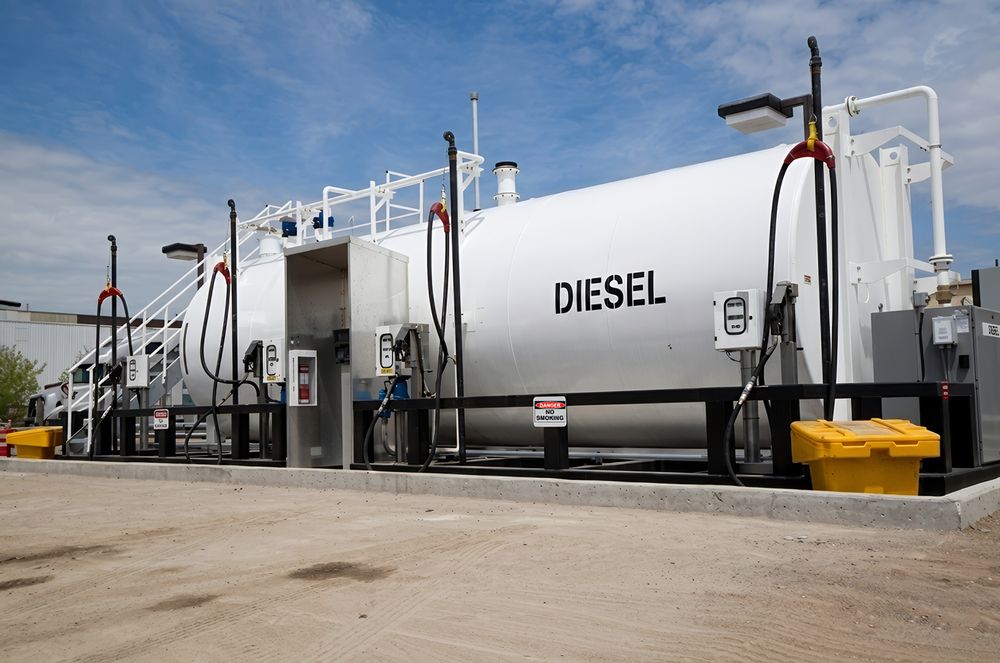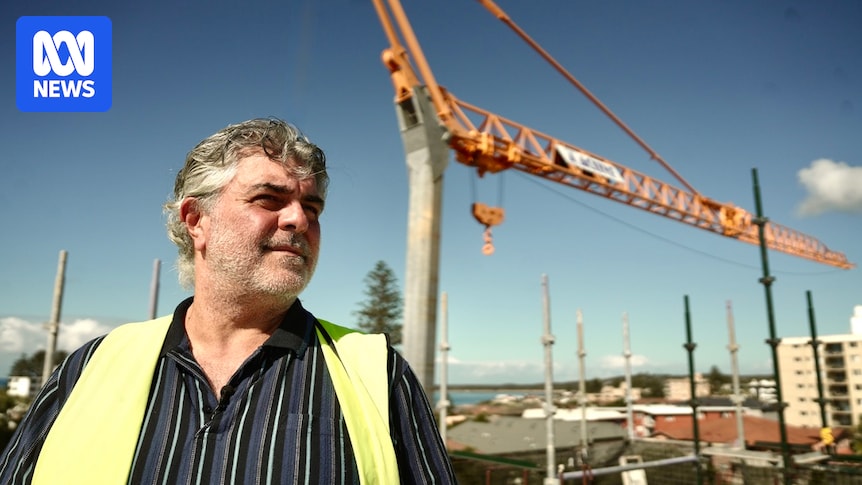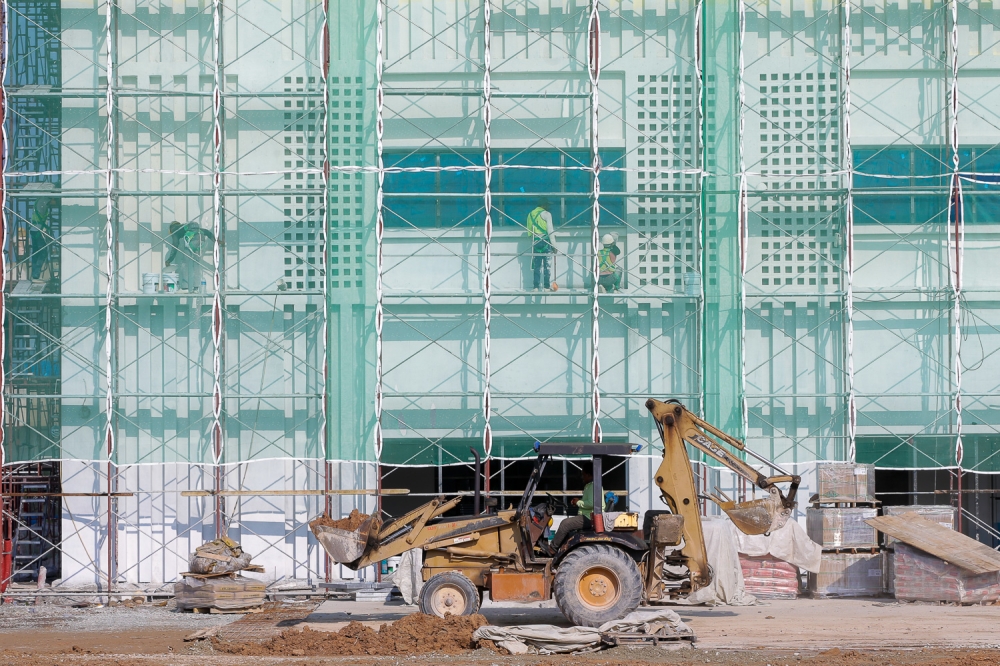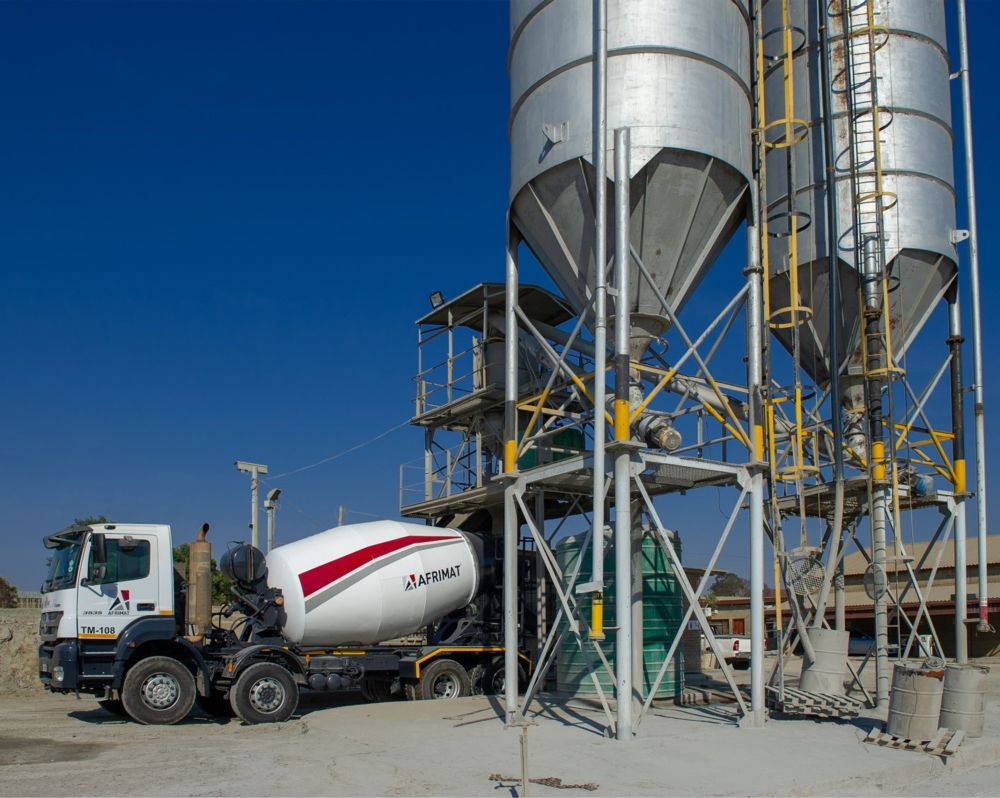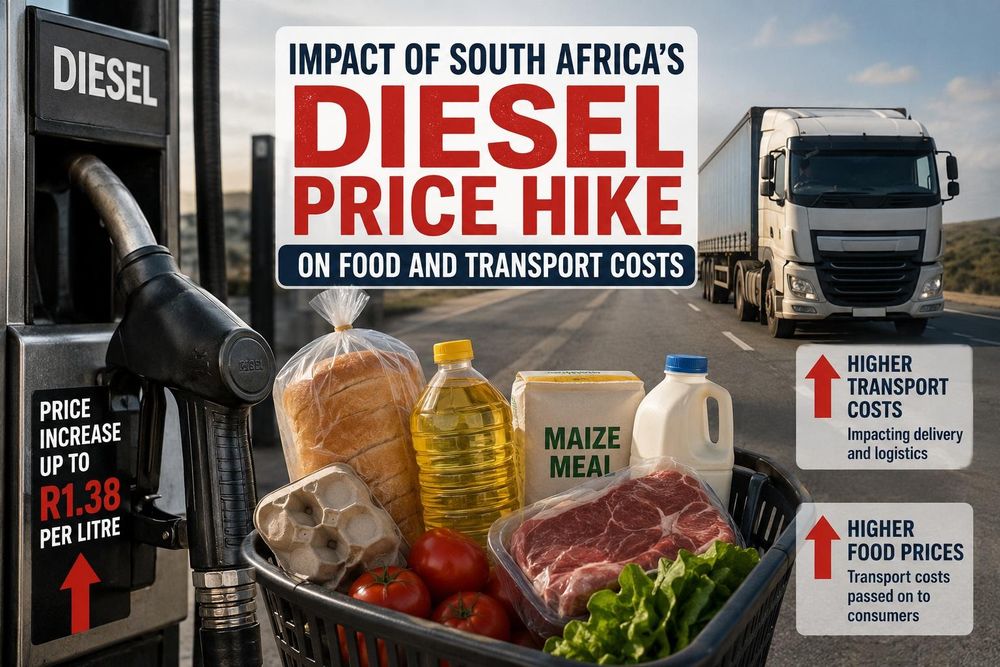
The surge in the price of diesel to record levels since the outbreak of war in the Middle East in February has led to an exponential cost increase for construction companies, and the firms’ contracts offer little protection against the surge.Roelof van den Berg, CEO of Gap Infrastructure Corporation, said South Africa’s infrastructure delivery momentum risks stalling as further diesel price hikes loom, pressuring project margins as increases in fuel prices cannot always be fully recovered.“For construction sites that heavily depend on diesel for daily operations, rising costs may place greater pressure on already tight project budgets,” Van den Berg said.(Dorothy Kgosi) “Projects that are poorly structured at the design stage carry their inefficiencies through to completion, locking in problems that become harder and more expensive to correct once the work has been actioned.“Fuel requirements, site movement patterns and logistics dependencies must be resolved during early planning, before construction activity exposes any weaknesses built into the plan.”Raubex warned last week of surging costs due to the war in the Middle East, particularly for the construction phase of large-scale infrastructure projects, which typically consume much diesel.This is no longer a theoretical risk.— Clairize Malan, senior associate at MDA Attorneys“Governance is a crucial part of moving from co-ordination to control to implementation. It’s the real processes and systems we often hear about applied to the real-world site, as they give project teams clear visibility across every site and supplier relationship,” Van den Berg said.“By securing bulk fuel procurement agreements, project managers more effectively shield projects from spot market volatility by locking in pricing for the duration of the work, giving planners the certainty they need to manage budgets and keep delivery on track.”South Africa recently experienced historic diesel price hikes, with prices exceeding R30/l, largely driven by global oil shocks from Middle Eastern tensions.Further increases are on the cards in June.Law firm MDA Attorneys said that as diesel rises to record highs, many South African construction contractors may not realise that their contracts offer little protection against this surge or that their window to claw back additional costs is closing fast.“This is no longer a theoretical risk,” said Clairize Malan, senior associate at MDA Attorneys. “Diesel has jumped in a short time. For contractors running plant-heavy operations, that is a material hit to the bottom line. Most standard contracts were simply not designed to assist contractors in absorbing a shock of this magnitude.”Malan noted that under many FIDIC [International Federation of Consulting Engineers] contracts, price adjustments are agreed upon upfront using formulas and indices through a mechanism known as contract price adjustment (CPA).“While CPA clauses are designed to account for fluctuations in the cost of labour, materials and fuel they are calibrated against longer-term trends. The CPA mechanism is not built to account for sudden, steep price spikes driven by geopolitical conflict,” Malan said.“When oil prices jump sharply over a short period, as they have since February 2026, contractors may find the CPA mechanism does not cover the gap, leaving them to absorb the shortfall themselves.”
Diesel surge squeezes SA construction margins
Contractors face record diesel costs with little protection
504 words~2 min read