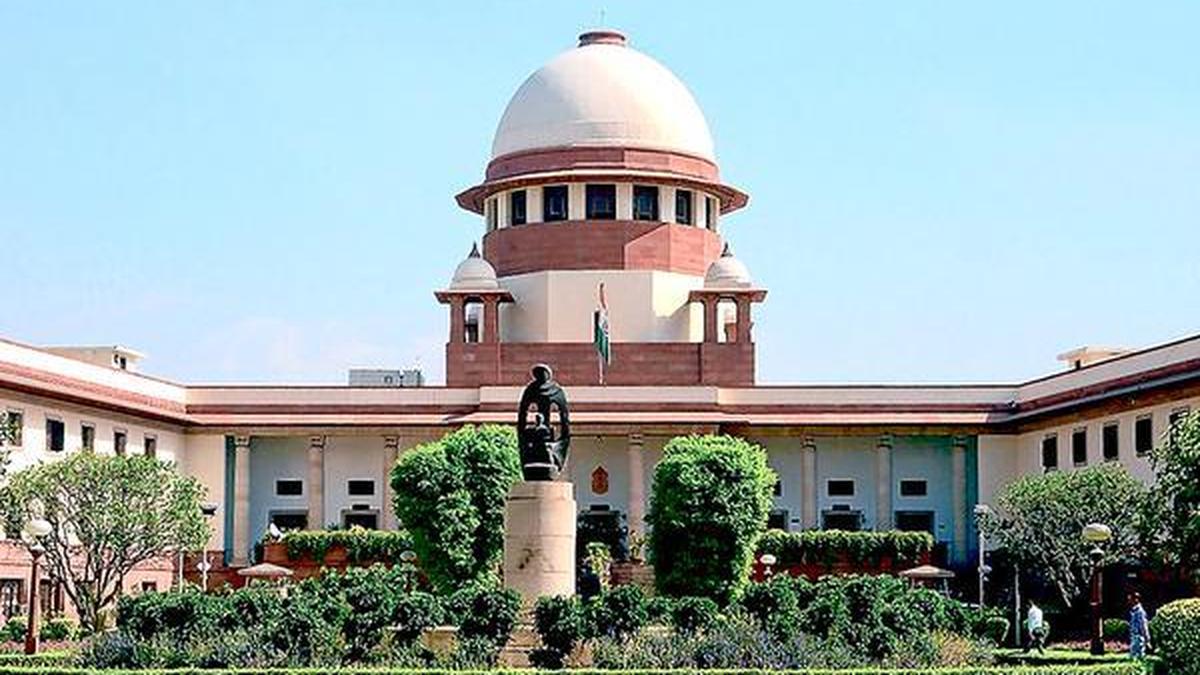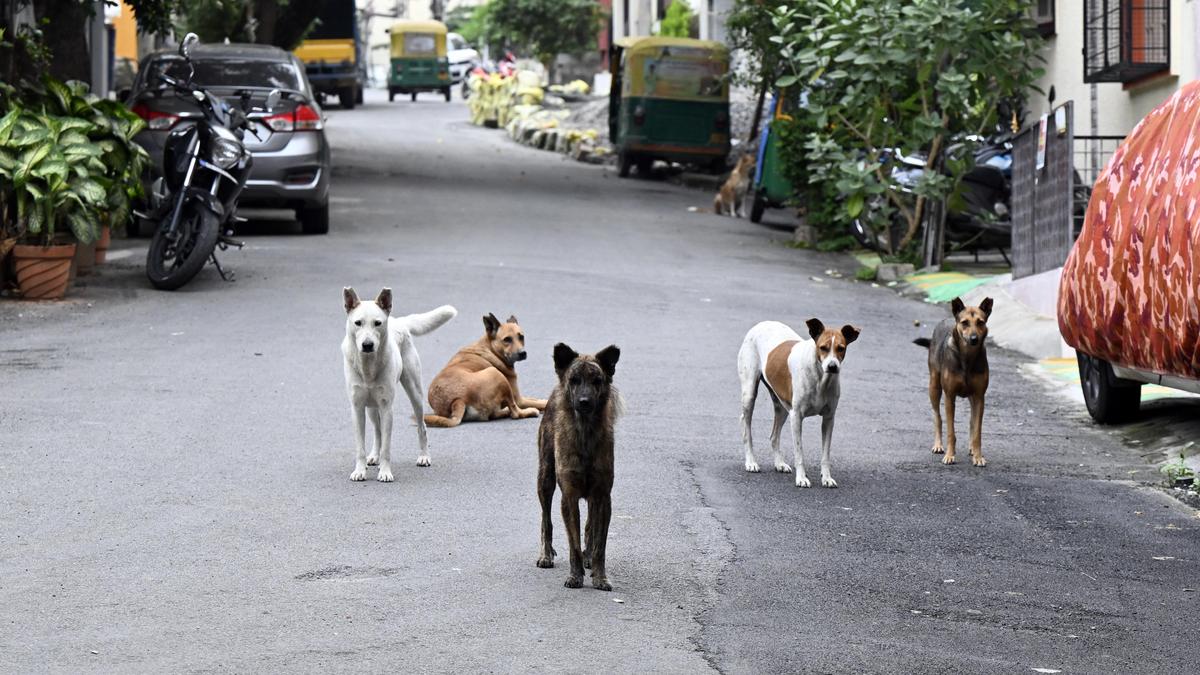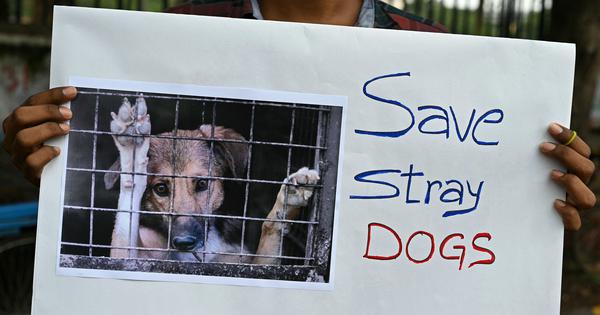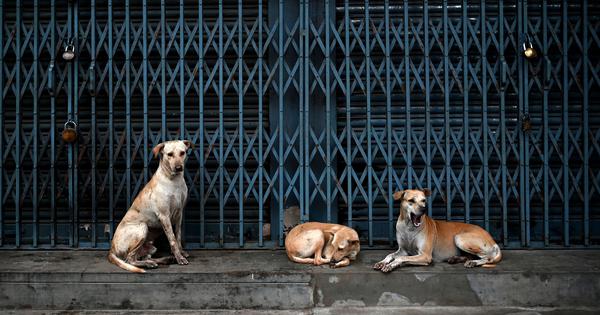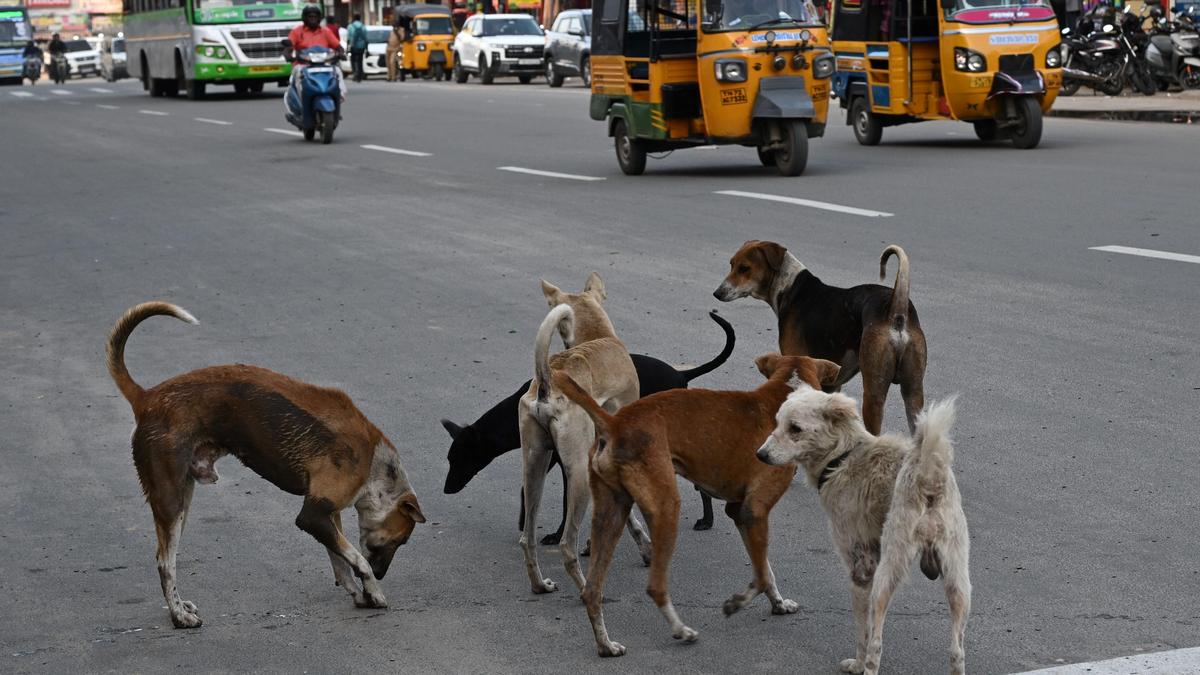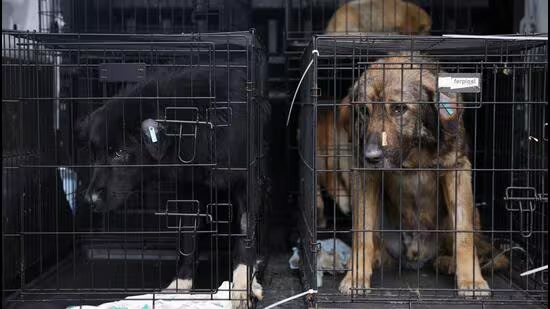
The Supreme Court on Monday declined to issue any clarification regarding its recent judgment that, for the first time, expressly permitted authorities to euthanise rabid, incurably ill and demonstrably dangerous stray dogs in areas witnessing frequent attacks, while holding that public safety and protection of human life cannot be compromised by an “unduly expansive” reading of animal welfare regulations.The NGO had sought an express clarification that euthanasia could be resorted to only in narrowly defined circumstances. (AFP file photo)A bench of justices Vikram Nath and Sandeep Mehta refused to entertain an application moved by NGO Animals Are People Too seeking clarification that the court’s May 19 ruling should not be construed as permitting indiscriminate culling of stray dogs.The bench observed that public statements or media reports could not become grounds for the Supreme Court to repeatedly revisit or clarify its judgment.“If the Chief Minister makes a statement, does that mean we need to change our order?” remarked the bench after the NGO’s counsel referred to statements allegedly made by Bhagwant Mann about eliminating stray dogs.The court added that since all high courts across the country had already been directed to initiate suo motu monitoring proceedings concerning implementation of the stray dog management framework, parties with grievances were free to approach the jurisdictional high courts instead.The application was mentioned before the bench by advocate Anil Kumar Mishra, who submitted that the Supreme Court’s May 19 judgment was allegedly being misunderstood by authorities and implemented contrary to law. He referred to media reports concerning the removal of dogs from educational institutions and statements attributed to political authorities suggesting a broad mandate to eliminate stray dogs.The bench, however, declined to entertain the plea.“We have already permitted the high courts to continue monitoring the matter,” replied the court, indicating that it would not issue further clarification at this stage.The NGO had sought an express clarification that euthanasia could be resorted to only in narrowly defined circumstances and strictly in accordance with the Prevention of Cruelty to Animals Act, 1960 and the Animal Birth Control (ABC) Rules, 2023, after assessment by qualified veterinary experts. It argued that the judgment was never intended to authorise blanket culling of stray dogs or extra-judicial killings through poisoning or other illegal means.The plea also flagged concerns that the term “aggressive dog” had not been clearly defined under the ABC Rules, raising the possibility of ordinary stray dogs being arbitrarily labelled dangerous by local authorities.Also Read: Farmer booked for poisoning 3 stray dogs in Ludhiana villageThe organisation sought directions that no dog should be declared “aggressive” except upon recommendation of a duly constituted committee comprising a government veterinary doctor, a representative of a recognised animal welfare organisation and a representative of the local authority concerned.The application was filed in the wake of the Supreme Court’s sweeping 131-page judgment delivered on May 19 by a bench of justices Nath, Mehta and NV Anjaria in the long-pending stray dog management proceedings.In that ruling, the court refused to dilute its earlier November 2025 directions requiring removal of stray dogs from sensitive and high-footfall institutional areas such as schools, hospitals, sports complexes, airports, railway stations and bus depots.Notably, the court also, for the first time, expressly recognised that authorities may resort to “legally permissible measures, including euthanasia” in cases involving rabid, incurably ill or demonstrably dangerous or aggressive dogs.“In areas where the population of stray dogs has assumed alarming proportions and where incidents of dog bites or aggressive attacks have become frequent and pose a continuing threat to public safety, the concerned authorities may…take such measures as may be legally permissible, including euthanasia in cases involving rabid, incurably ill or demonstrably dangerous/aggressive dogs,” the judgment held.The bench, however, had maintained that such measures must be undertaken only after due veterinary assessment and strictly in accordance with the Prevention of Cruelty to Animals Act, the ABC Rules and other statutory safeguards.The judgment marked a significant shift in the judicial discourse surrounding stray dog management, with the court placing constitutional emphasis on protection of human life and public safety under Article 21.“When the safety and lives of human beings are weighed against the interests and welfare of sentient beings, the constitutional balance must necessarily and unequivocally tilt in favour of the preservation and protection of human life,” the court had noted.The bench had further warned that “unchecked population of dogs has become increasingly feral” and said such animals had “no place in areas densely populated by human beings owing to the serious threat they pose to public safety”.Rejecting arguments that sterilised dogs must necessarily be released back into the same localities from where they were picked up, the court held that Rule 11(19) of the ABC Rules could not be interpreted mechanically so as to compel reintroduction of stray dogs into sensitive institutional spaces.“An expansive application of Rule 11(19)…would be misconceived, as it would run contrary to the scheme of the statute and may have serious adverse consequences on public safety and health,” the judgment said.The court also took note of reports from across the country showing “deeply disturbing” incidents of dog attacks involving children, elderly persons and patients, and held that the present situation reflected “systemic administrative lapses and lethargy” in implementation of sterilisation and vaccination programmes over the years.In one of the strongest observations in the judgment, the bench said the Constitution did not envisage a society where citizens, particularly vulnerable groups, were forced to navigate public spaces under fear of attack.“The Constitution of India does not envisage a society where children, elderly persons and vulnerable citizens are compelled to survive at the mercy of physical strength, chance or circumstance owing to the failure of the State machinery,” it underlined.The Supreme Court had also directed all high courts in the country to register suo motu continuing mandamus proceedings to monitor implementation of the stray dog management framework and compliance by states and civic authorities.The matter is scheduled to be heard next before the Supreme Court on November 17, 2026, after the high courts submit consolidated compliance reports.
SC refuses clarification on stray dog euthanasia ruling
The bench observed that public statements or media reports could not become grounds for the Supreme Court to repeatedly revisit or clarify its judgment | India News
TL;DRAI
India's Supreme Court declined to clarify its May 19 ruling permitting euthanasia of rabid and dangerous stray dogs, routing disputes to regional high courts already tasked with monitoring implementation. Undefined "aggressive dog" criteria leave local authorities broad discretion until high courts establish enforcement standards.
1,003 words~5 min read