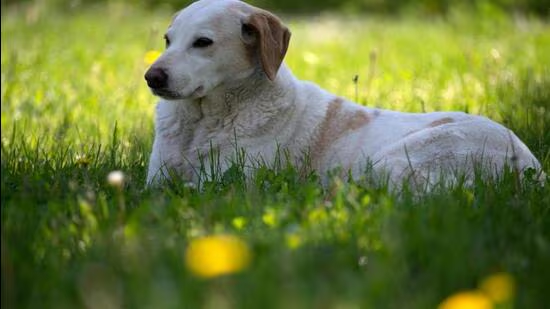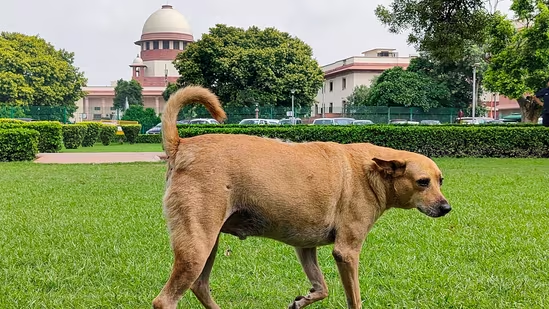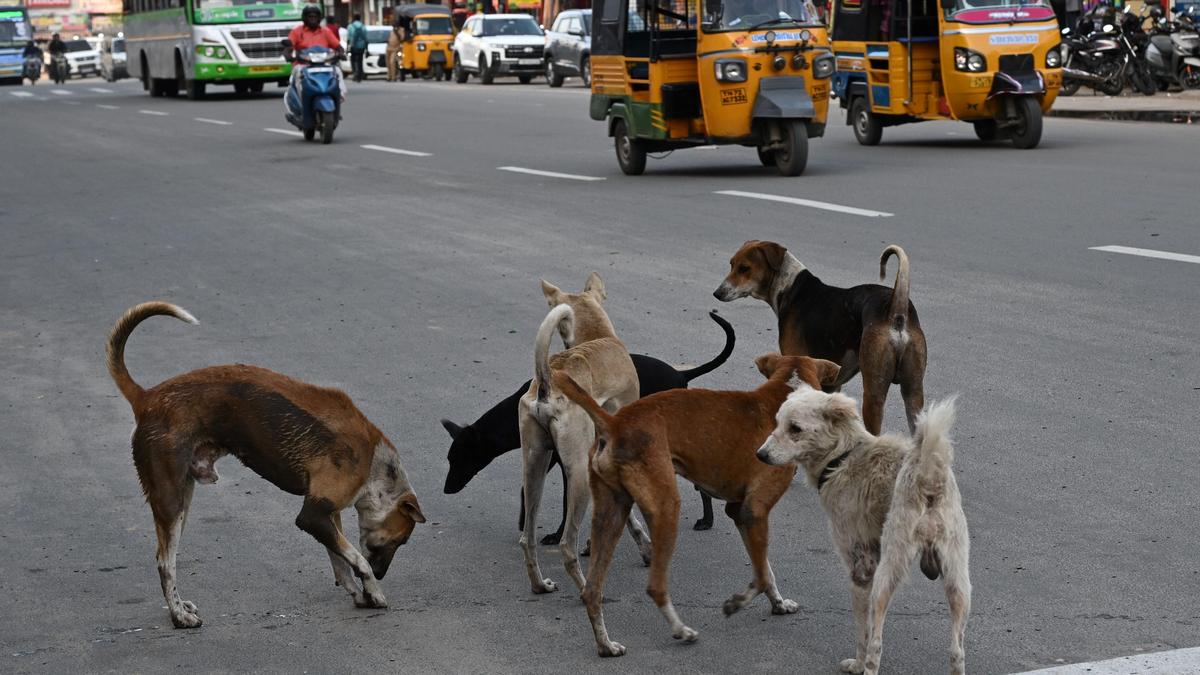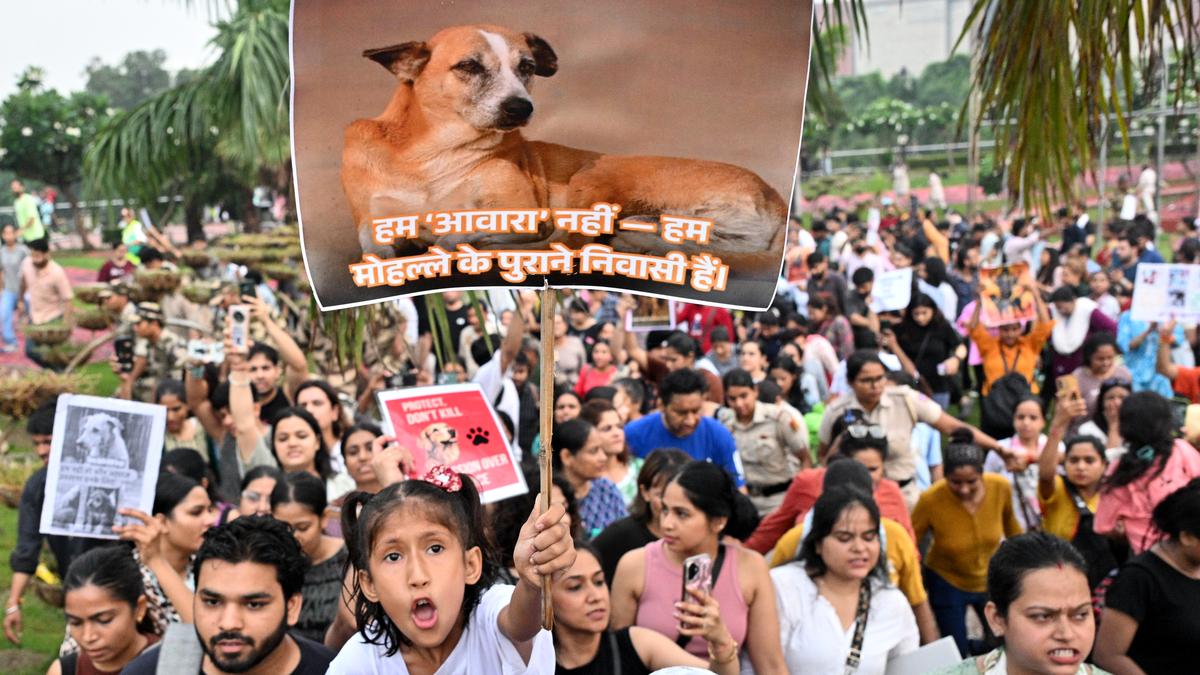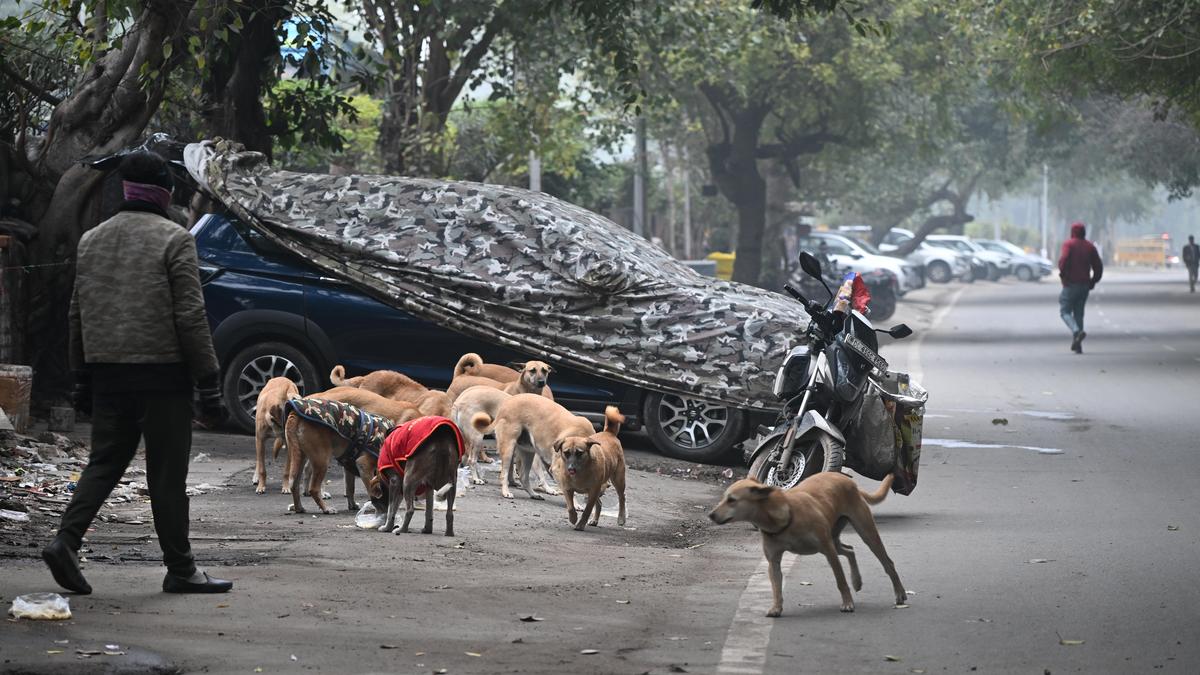
The Supreme Court on May 19 refused to modify its orders issued last year to remove stray dogs from public spaces and to have them kept in shelters after they are vaccinated and sterilised. However, the judgement creates an exception: it said that the community dogs on the campus of Hyderabad’s NALSAR University of Law could stay.The court said that the animal management model being implemented by the university could be permitted “on an experimental basis”.The university’s campus is home to 19 dogs, each named and photographed, with a health profile, including vaccination history, and its mapped territory. These details are maintained by a student task force operating under the university’s Animal Law Centre. It was inaugurated in 2018 and is India’s only research centre on animal law.As former students of the university, we saw how the Animal Law Centre’s efforts helped create an atmosphere of coexistence for dogs and campus residents. The university’s model offers useful insights at a time when the court has ordered stray dogs to be removed from public spaces, including educational institutes.The court took note of the arguments raised on behalf of the institute’s Animal Law Centre and said that it could be a model for other educational institutes to inculcate “empathy among students and inspire them to be kind to the animals”.It is an example of how well-framed strategies, ensuring the involvement of students and residents, and institutional support can create a safe environment for humans as well as animals.It also shows that India’s capture-sterilise-vaccinate-release model is scientific, humane and adequate, but must be supported with community accountability and institutional infrastructure to be effective.The NALSAR ModelOn NALSAR’s Hyderabad campus, the dogs cared for by the Animal Law Centre were not so much strays as managed residents.The dogs were known by name to most residents and were usually found in specific spots on the campus: outside the mess hall, near the library steps, along the hostel corridors at dusk. Since the dogs were regularly fed and checked for health, they were calmer than those living in open, unregulated spaces.It was a contrast from open residential neighbourhoods, where packs of dogs sometimes chase motorists and residents, especially children.For students living away from home for the first time, the dogs offered companionship. Their presence added more life to the campus as well.However, it should be acknowledged that sterilisation does not eliminate a dog’s territorial instincts. There have been episodes of aggression among the dogs, such as an incident when an unfamiliar dog wandered into their areas.There was still the threat of being bitten, especially at a university which had promised accessible spaces for its disabled candidates. Debates among students focused on how dogs must be managed.Student volunteers ensured that the designated feeding areas were adhered to. Animals were separated where necessary. Veterinarians were called in when required. There was a continuously updated record of every dog’s behaviour.The institute’s model is resource-intensive, built on the law school’s infrastructure with faculty supervision and student volunteers that other spaces may find hard to replicate.Overall, it is an imperfect model that works reasonably well with accountability and detailed records.The Supreme Court’s exemption was granted on one condition: that the Animal Law Centre furnishes an undertaking to the vice-chancellor accepting full tortious liability for any dog-bite incident on campus. This means that if a dog bites someone on campus, the Centre will be legally responsible for compensating the victim.The legal disputeThe Court’s orders in May centre on a debate over Rule 11(19) of the Animal Birth Control Rules, 2023, which mandates that once a dog is sterilised and vaccinated, it must be returned to the locality from where it was picked up.Animal welfare organisations and activists had filed appeals to reverse the court’s November 2025 order to have stray dogs removed from educational institutions, hospitals, bus stands and railway stations.They argued that the Animal Birth Control Rules apply to street dogs and community dogs found within gated campuses as well and that these animals should be returned to these areas after sterilisation and vaccination.The court disagreed.First, it said that the Animal Birth Control Rules, 2023, provide for the classification of dogs – as community owned, street dogs or those living within a gated campus. This classification does not grant the animals “a perpetual or unqualified right of existence” where they may be found, said the court.Second, the court said “street,” as defined in Prevention of Cruelty to Animals Act, covers roads and open spaces to which the public has access. It said that when the Animal Birth Control Rules refer to returning the dog back “same place or locality”, it cannot be expanded to include controlled-access spaces such as hospitals and colleges.Third, the court laid out accountability for those feeding and caring for stray dogs in an institutional campus. The court said rights cannot “operate in isolation, divorced from the corresponding responsibility to safeguard human life”.In recognising NALSAR’s model while upholding its broader order, the court signals that a managed coexistence is permissible, but only where those who care for the animals are willing to accept accountability in writing, and bear the legal consequences of it.Shubham Kumar and Bhavya Adhana are alumni of NALSAR University of Law, Hyderabad. Their email IDs are shubhamkumar2021@nalsar.ac.in and bhavyaadhana@nalsar.ac.in.
Why the Supreme Court’s stray dog verdict grants an exemption to NALSAR campus
The university’s Animal Law Centre created an accountable model of coexistence that tries to ensure the safety of humans and animals, write two former students.
885 words~4 min read