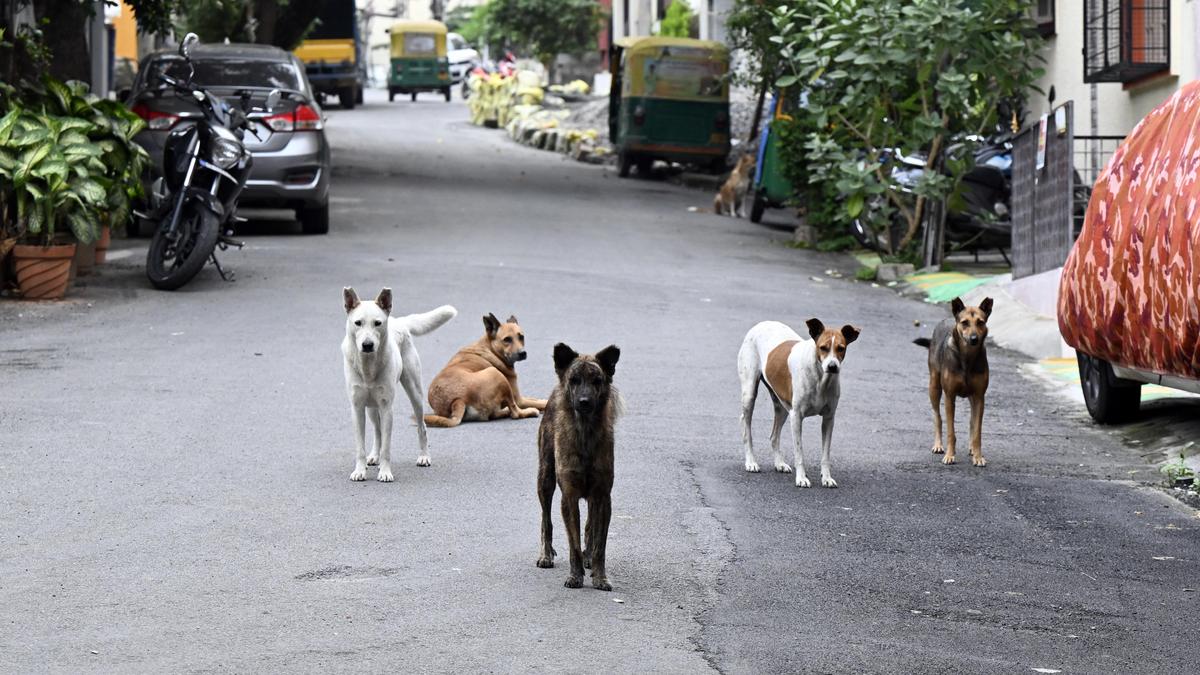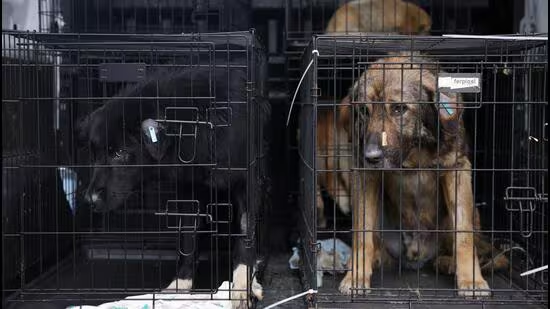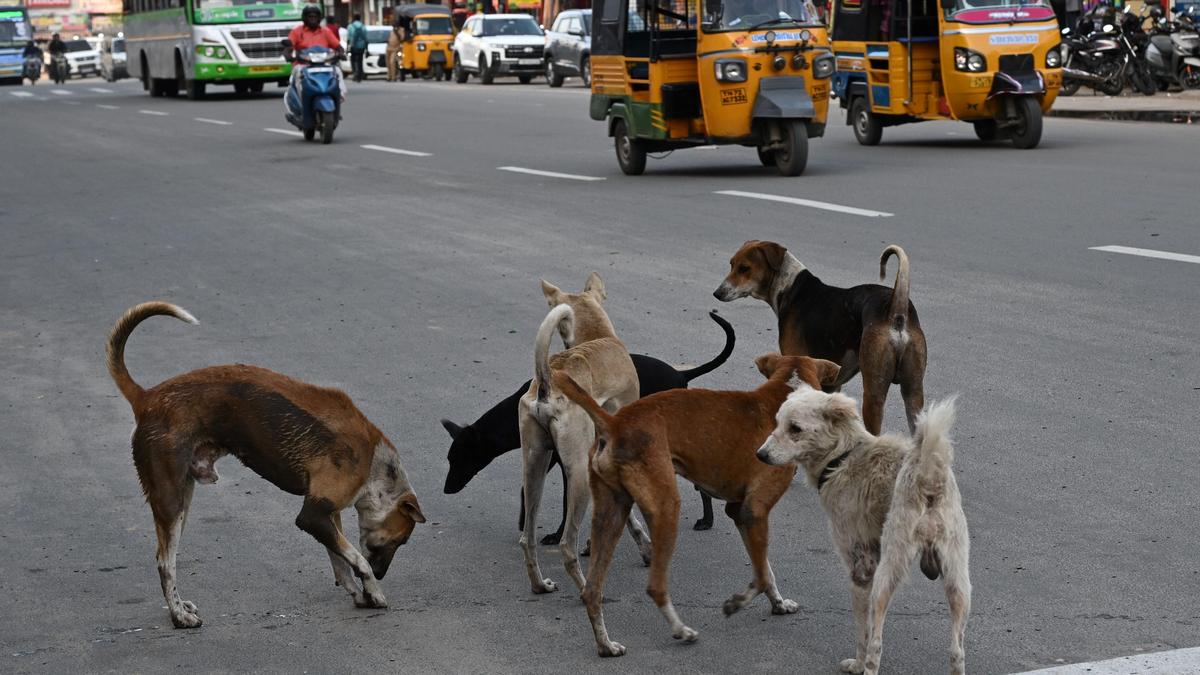
The Supreme Court’s decision on Tuesday to expressly permit euthanasia of “demonstrably dangerous” stray dogs has opened a grey area that animal rights activists warn could be exploited — with no clear definition in the order of what level of aggression qualifies a dog for destruction.SC’s order on stray dogs opens grey area on euthanasiaThe bench of justices Vikram Nath, Sandeep Mehta and NV Anjaria held that in areas where dog attacks had become frequent, authorities could resort to “legally permissible measures, including euthanasia,” after veterinary assessment and statutory safeguards. The direction expanded the operational context of Section 13 of the Prevention of Cruelty to Animals Act, 1960, which traditionally permits killing of animals only where animals are mortally injured, diseased, or in such physical condition that survival would itself amount to cruelty — not on public safety grounds alone.Under the existing Animal Welfare Board of India (AWBI) framework, the process is tightly regulated. A senior government official said NGOs running animal birth control (ABC) centres may euthanise rabid and incurably ill dogs, but only under animal husbandry department oversight. “MCD has no direct role in it. A veterinary doctor from the animal husbandry department oversees and certifies the process. Extremely aggressive dogs which are not showing any improvement fall in a grey zone and the call has to be taken by animal husbandry department experts,” the official said.Some provision for euthanasia of aggressive dogs existed within this framework prior to Tuesday’s ruling — but it applied to animals already admitted to ABC centres, and was hedged with significant procedural safeguards. The court’s direction extends that logic to the field, where those safeguards are harder to enforce.A senior AWBI official said Rule 15 of the module for street dog population management requires euthanasia to be authorised only after diagnosis by a team comprising the jurisdictional veterinary officer, the project in-charge and a state welfare board representative — all appointed by the Local ABC Monitoring Committee. The procedure mandates intravenous injection of approved agents, administered by a qualified veterinarian, never in the presence of another animal, with death verified before disposal and full records maintained by the appointed team.On suspected rabid dogs, the first official said the animal must be admitted immediately to the quarantine ward of the ABC facility. “A team comprising veterinarians from the animal husbandry department, municipal corporation and the NGO would decide on euthanasia and send the brain sample. No street dog can be pronounced rabid unless a scientific test is conducted to establish the same post death,” the official said.Dr KV Rapai, senior veterinary doctor, said a blood serological test must confirm rabies before euthanasia is carried out. “In such cases, intravenous injection of can be given in high dose to ensure euthanasia in a humane manner,” he said.Activists said the court’s endorsement of the “demonstrably dangerous” category — undefined in the order — was precisely what creates room for misuse such safeguards attempt to circumvent. Supreme Court advocate and petitioner Nanita Sharma said euthanasia, until now used sparingly, could now be applied far more broadly, leaving what activists describe as a grey area open for exploitation. “Any dog displaying even minor aggression could be subjected to euthanasia,” she said.Animal rights activist Gauri Maulekhi said community involvement at every stage was essential to prevent abuse. “From the capture of stray dogs to their treatment — community involvement should be enhanced to prevent instances of irresponsible surgery, euthanasia, and ensure proper post-operative care,” she said.The ruling places India alongside several countries — including Turkey, the United States, Russia, Japan, Morocco and Romania — that permit euthanasia of dangerous or unclaimed strays under statutory regulation. In Turkey, a 2024 law authorised municipalities to impound and euthanise aggressive or terminally ill animals amid concerns over attacks and rabies.(With inputs from Utkarsh Anand)
SC’s order on stray dogs opens grey area on euthanasia
The Supreme Court's ruling allows euthanasia of "dangerously aggressive" stray dogs, raising concerns about potential misuse and lack of clear definitions. | Latest News Delhi
633 words~3 min read