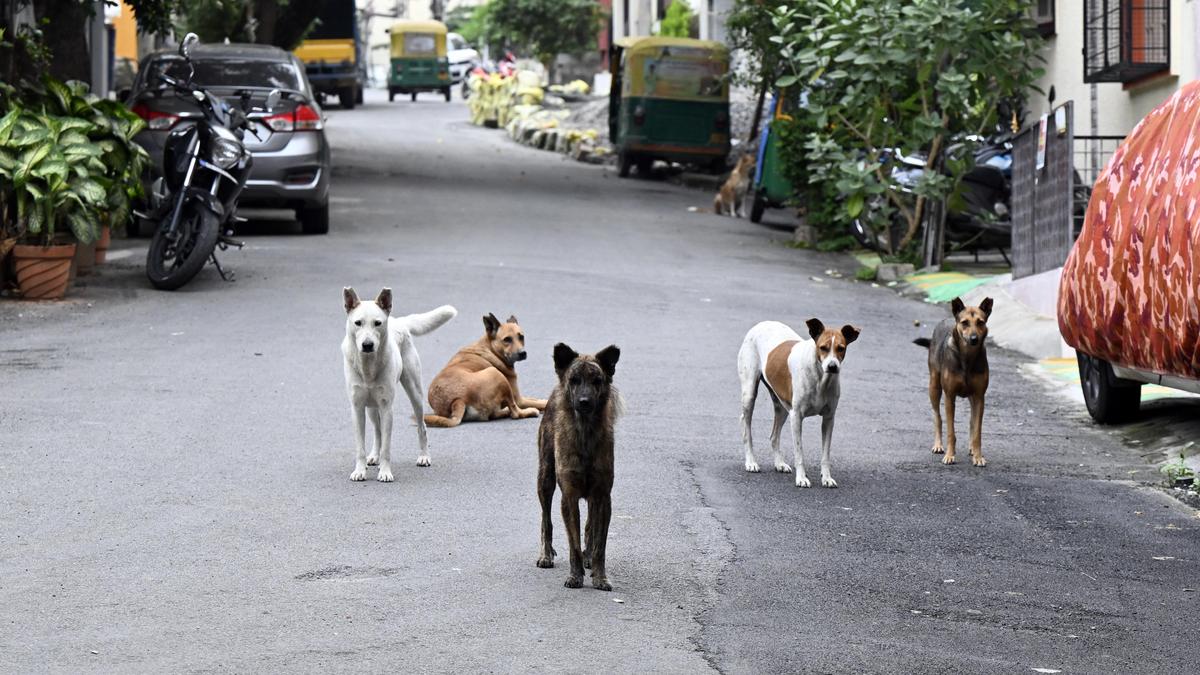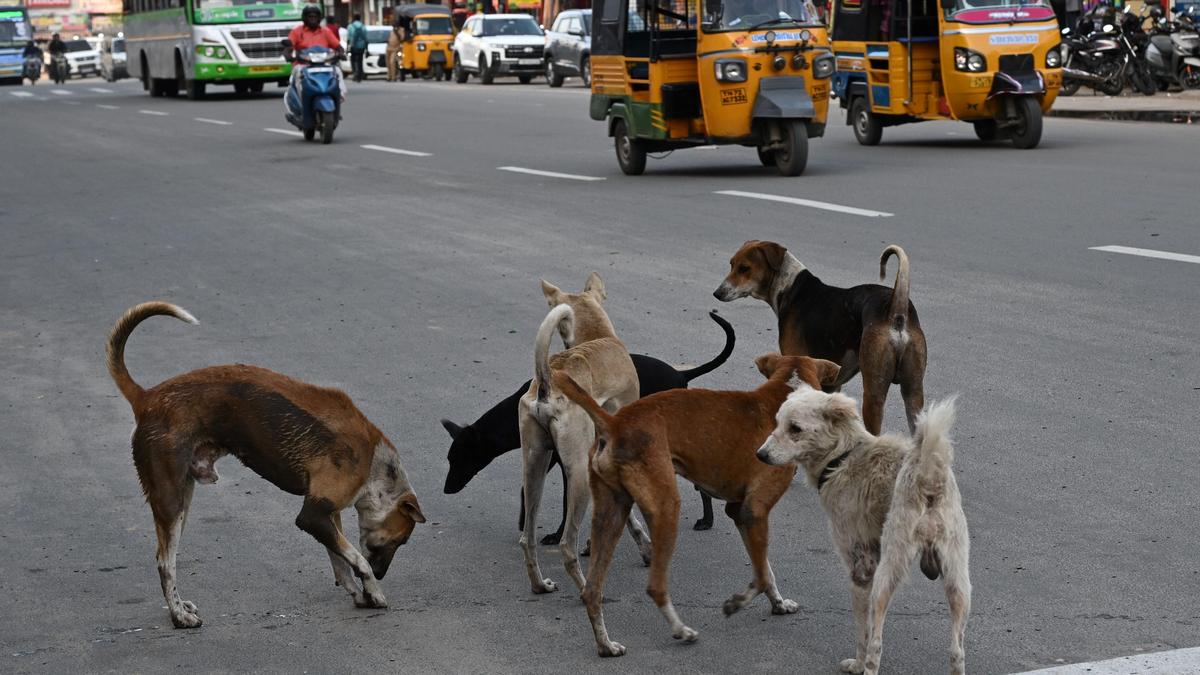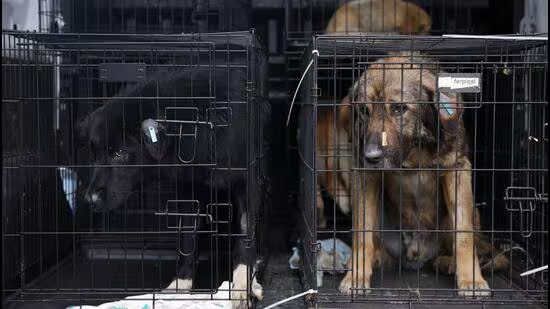
The Supreme Court on Tuesday, for the first time, expressly authorised Indian authorities to put down rabid, incurably ill and demonstrably dangerous stray dogs in areas witnessing frequent attacks, joining countries such as the United States, Russia and Japan that permit euthanasia of rabid or dangerous stray dogs under statutory safeguards.Section 13 of the Prevention of Cruelty to Animals Act authorises destruction of suffering animals where they are mortally injured, diseased or in such physical condition that continued survival would amount to cruelty. (REUTERS)In the United States, several state animal control laws permit euthanasia of rabid, unclaimed or dangerous dogs after prescribed holding and veterinary observation periods, particularly where there is a risk to public safety or rabies transmission.Russia too permits euthanasia of dangerous or unclaimed stray dogs in several regions under laws enacted after repeated attacks by stray dog packs, although the country’s Constitutional Court has said such euthanasia can be justified only where public safety cannot otherwise be protected.Japan similarly follows a system under its animal welfare and rabies control framework where unclaimed stray dogs housed in public shelters may be euthanised after a statutory holding period if they are not reclaimed or adopted.A bench of justices Vikram Nath, Sandeep Mehta and NV Anjaria said that civic and local authorities may, after veterinary assessment and in accordance with statutory safeguards under the Prevention of Cruelty to Animals Act and the Animal Birth Control (ABC) Rules, resort to “legally permissible measures, including euthanasia” to curb the threat posed by dangerous dogs.“In areas where the population of stray dogs has assumed alarming proportions and where incidents of dog bites or aggressive attacks have become frequent and pose a continuing threat to public safety, the concerned authorities may…take such measures as may be legally permissible, including euthanasia in cases involving rabid, incurably ill or demonstrably dangerous/aggressive dogs,” it held.The direction formed part of a sweeping judgment refusing to dilute the court’s earlier November 2025 order directing removal of stray dogs from institutional and high-footfall areas such as schools, hospitals, transport hubs and sports complexes.However, the Supreme Court’s direction permitting euthanasia of rabid or aggressive stray dogs also raises an important legal question under the existing framework of the Prevention of Cruelty to Animals Act, 1960, which traditionally permits destruction of animals only in limited circumstances where it would itself be cruel to keep the animal alive.Section 13 of the Prevention of Cruelty to Animals Act authorises destruction of suffering animals where they are mortally injured, diseased or in such physical condition that continued survival would amount to cruelty. The provision requires veterinary certification and, in certain cases, orders from a magistrate before destruction can take place.The court’s judgment expands the operational context in which euthanasia may now be considered. While insisting that authorities act strictly in accordance with the PCA Act, ABC Rules and veterinary protocols, the bench expressly recognised public safety as an independent constitutional concern justifying legally permissible euthanasia of “rabid, incurably ill or demonstrably dangerous/aggressive dogs”.The bench underlined that “compassion for animal life” cannot override the constitutional obligation of the state to protect human life under Article 21.“When the safety and lives of human beings are weighed against the interests and welfare of sentient beings, the constitutional balance must necessarily and unequivocally tilt in favour of the preservation and protection of human life,” the judgment said.The top court took note of submissions made by some applicants favouring the previous order that globally accepted models of stray dog management recognise not only sterilisation and vaccination, but also “regulated ownership, strict control measures, impounding of stray animals, and, where necessary, humane euthanasia of dangerous or unclaimed dogs”.
India joins countries allowing euthanasia of dangerous stray dogs after SC ruling
The bench underlined that “compassion for animal life” cannot override the constitutional obligation of the state to protect human life under Article 21. | India News
607 words~3 min read