May 25, 2026 | 11:04 am
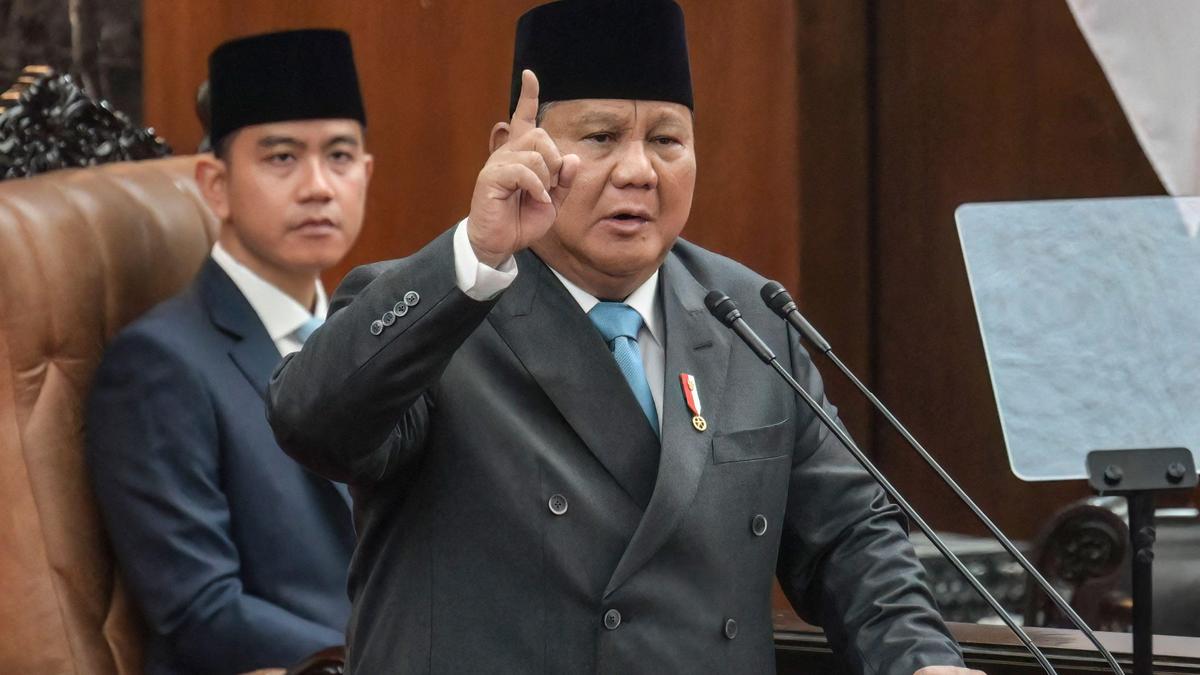
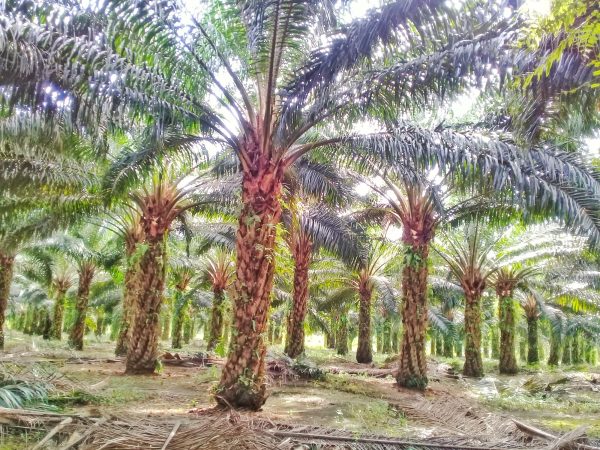
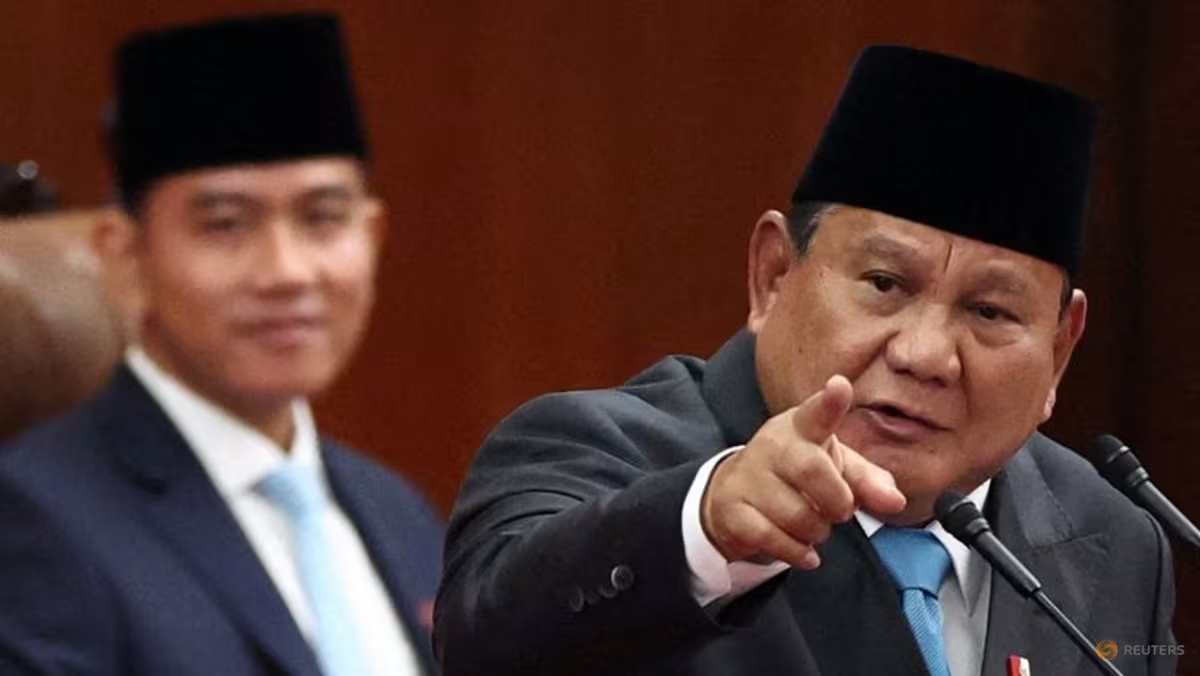
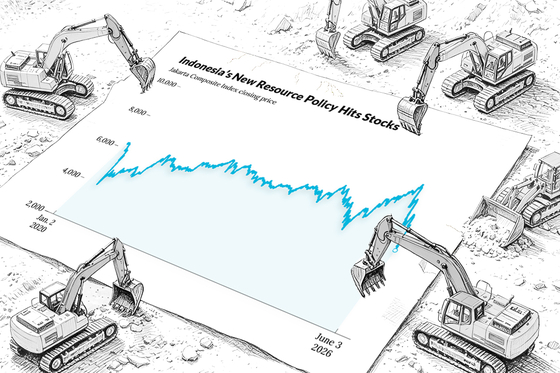
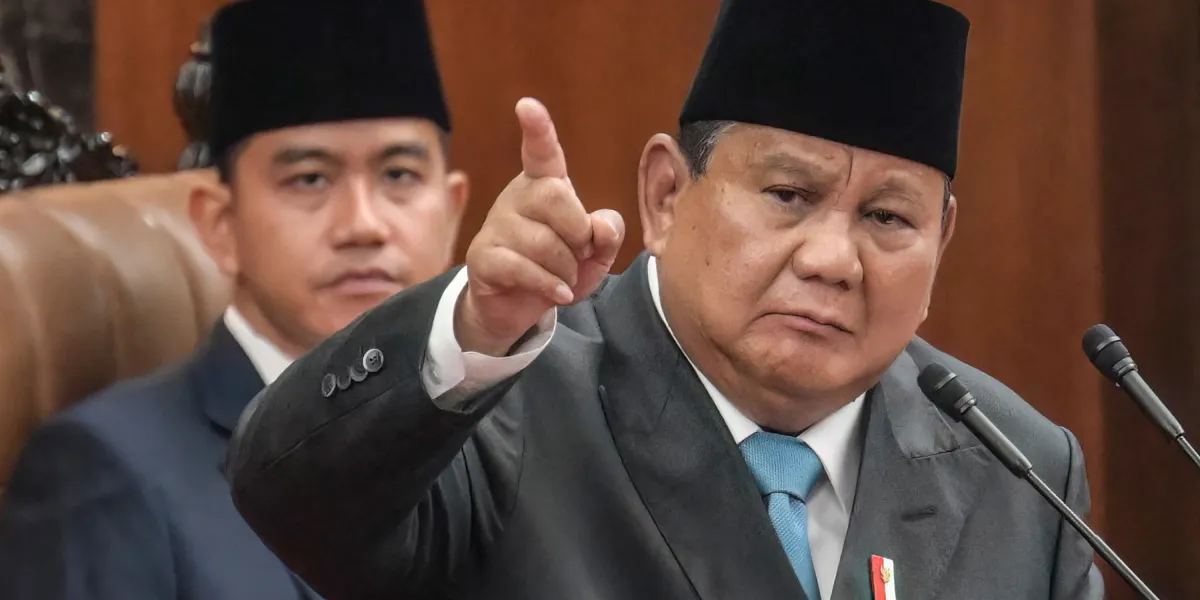
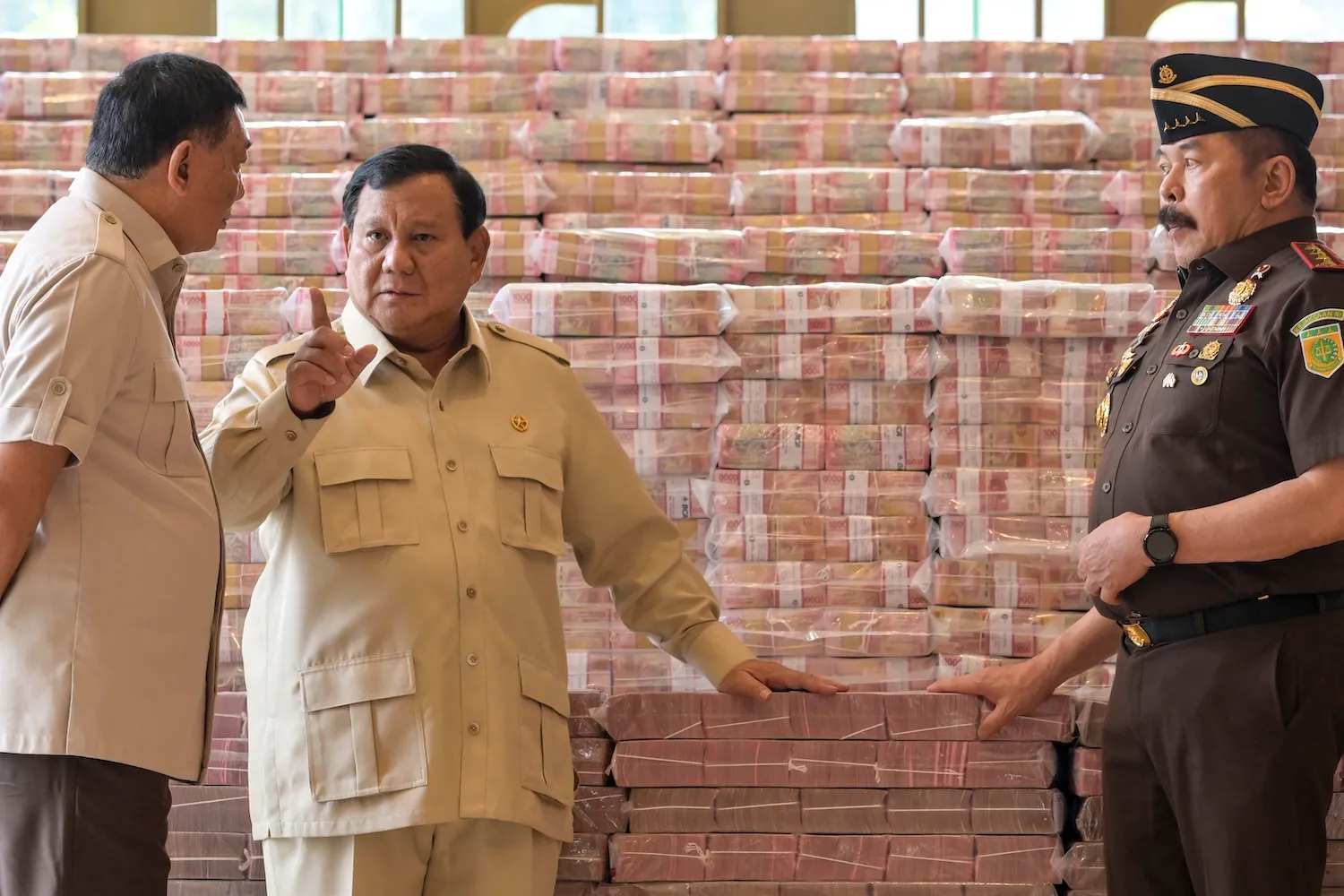
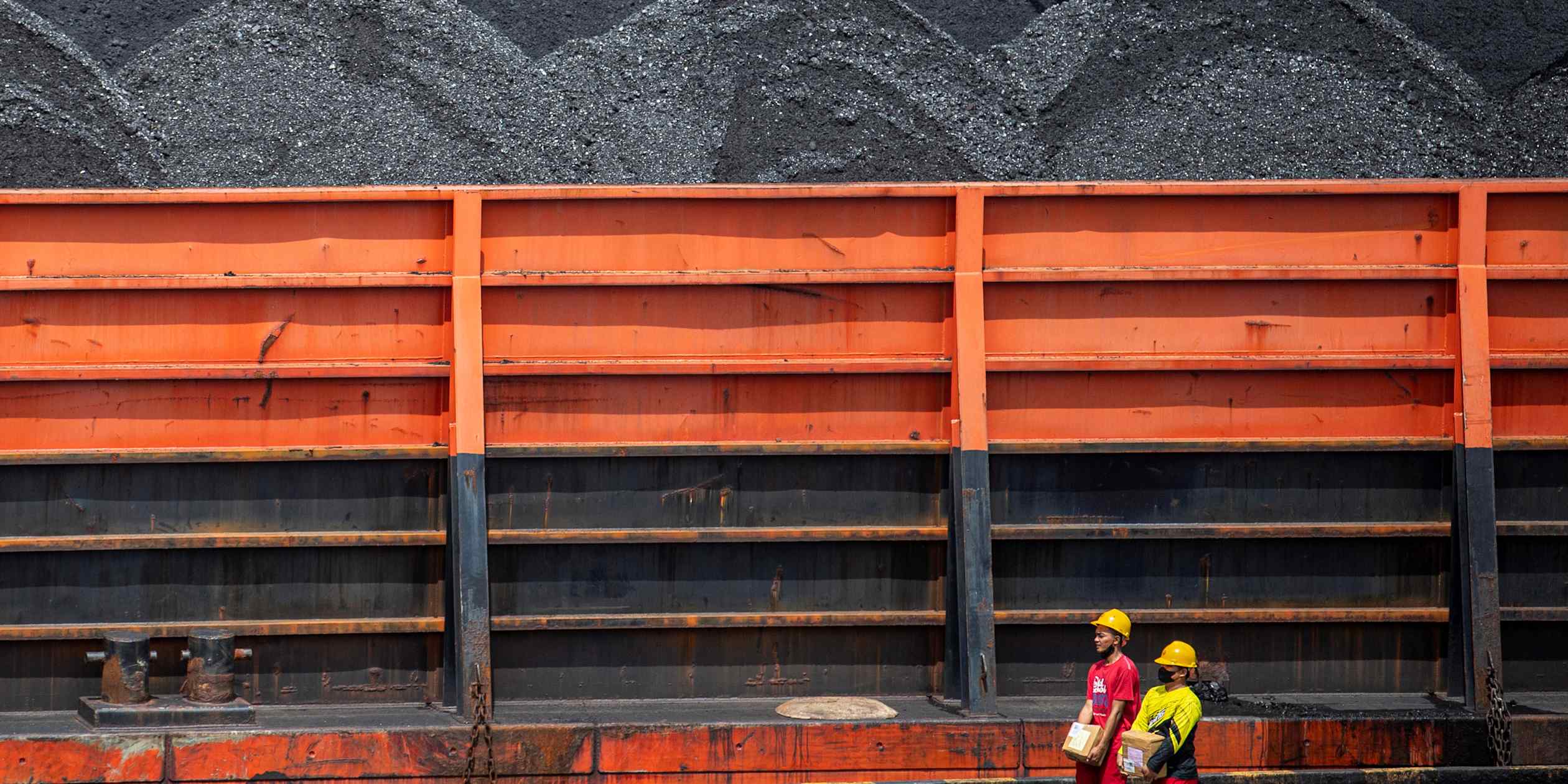
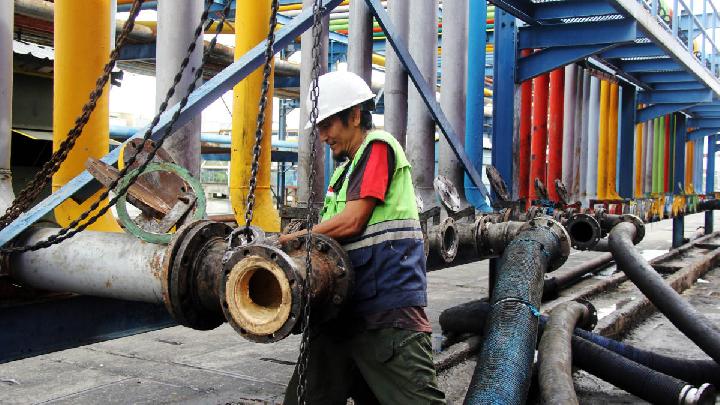
The government is establishing a new state-owned enterprise as the sole exporter of strategic commodities. It could erode the trade surplus.PRESIDENT Prabowo Subianto’s decision to establish a state-owned enterprise (SOE) dedicated to exporting priority commodities sends a clear message: many major economic management policies are being made hastily and without thorough study. Rather than delivering significant benefits, this move risks creating serious consequences for the national economy.Prabowo announced the plan to establish an export agency for strategic commodities during the 19th plenary session of the House of Representatives, which focused on the Presentation of the 2027 Macroeconomic Framework and Fiscal Policy Priorities. According to him, the export SOE would strengthen oversight and eradicate practices such as underinvoicing, transfer pricing, and the outflow of export proceeds.Prabowo’s subordinates immediately executed the instruction by establishing Danantara Sumberdaya Indonesia, a new SOE under the control of the Daya Anagata Nusantara Investment Management Agency (Danantara). The announcement of the new institution merely fulfilled Prabowo’s wishes without a clear operational framework or adequate discussion. Starting September 1, the organization will become the sole gateway for strategic commodity exports.At first glance, this new policy seems technocratic and well-intentioned. However, rather than successfully controlling foreign exchange, pricing, and ensuring the commodity supply chain—which are key aspects of mining and plantation activities—what actually occurs are haphazard business practices. Therefore, the simplistic approach of immediately attributing the fault to the private sector—and then handing a monopoly to the state—is an oversimplified way of thinking and policymaking. The fraudulent practices of underinvoicing and transfer pricing in commodity exports are, in fact, entirely the responsibility of the Directorate-General of Customs and the Directorate-General of Taxes. It is an open secret that the schemes used by business players to avoid obligations to the state are often the result of collusion between several officials in those institutions and business people.Prabowo’s quick-fix response resembles trying to kill rats by burning down the rice barn. Expectations that the export body will reduce foreign exchange leakage, strengthen the rupiah, and increase state revenue remain theoretical. Given the poor conduct of many officials, there is little reason to believe this plan will succeed. Instead, concentrating authority will merely shift the arena for rent-seeking.Even worse, the government monopoly on strategic commodity exports will create disincentives that could reduce investment interest in upstream strategic commodity sectors. Businesses will lose control over direct relationships with overseas buyers that have been built over many years.Beyond technical matters, the legal basis for establishing the export body also raises many questions. Prabowo is reportedly legitimizing the sweeping policy solely through Government Regulation No. 21/2026 on the Governance of Strategic Natural Resource Commodity Exports Through State-Owned Enterprises. Yet mining and plantation commodity exports have long been governed by several laws.The establishment of the new export body also carries the potential for legal hierarchy conflicts. Law No. 5/1999 on the Prohibition of Monopolistic Practices and Unfair Business Competition clearly states that the concentration of strategic goods marketing must be regulated by law.Prabowo’s command-economy approach risks shaking the financial sector by threatening the trade surplus that has anchored the rupiah’s stability over the past six years. Standard & Poor’s has already warned that such populist policies could undermine the country’s economic foundations if continuously forced through.Read the Complete Story in Tempo English Magazine