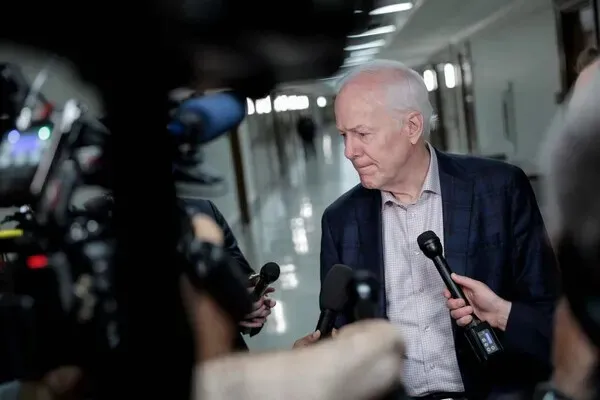
US Sen. John Cornyn of Texas speaks to reporters ahead of a Senate Budget Committee meeting on May 20, 2026. (AFP/Yonhap)
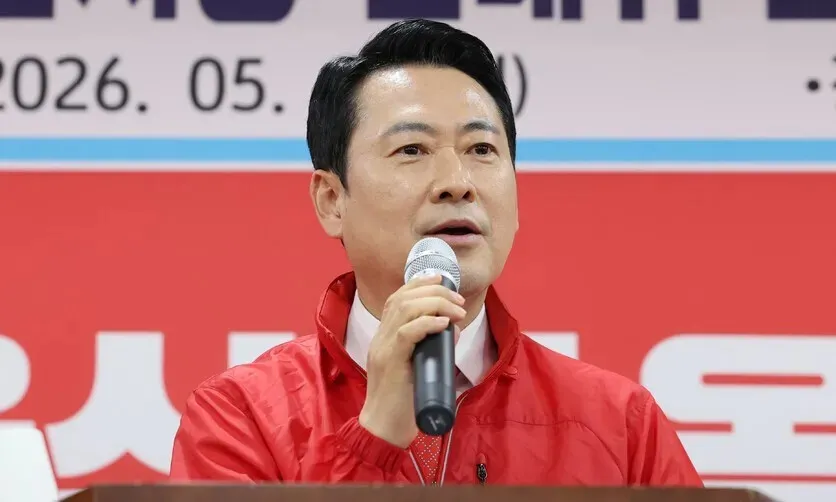
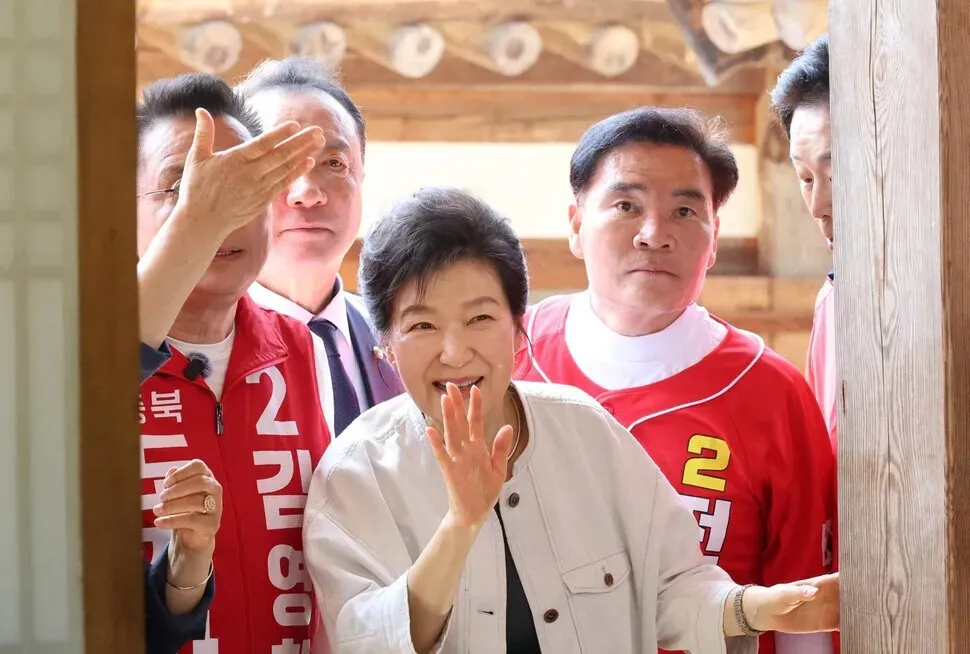
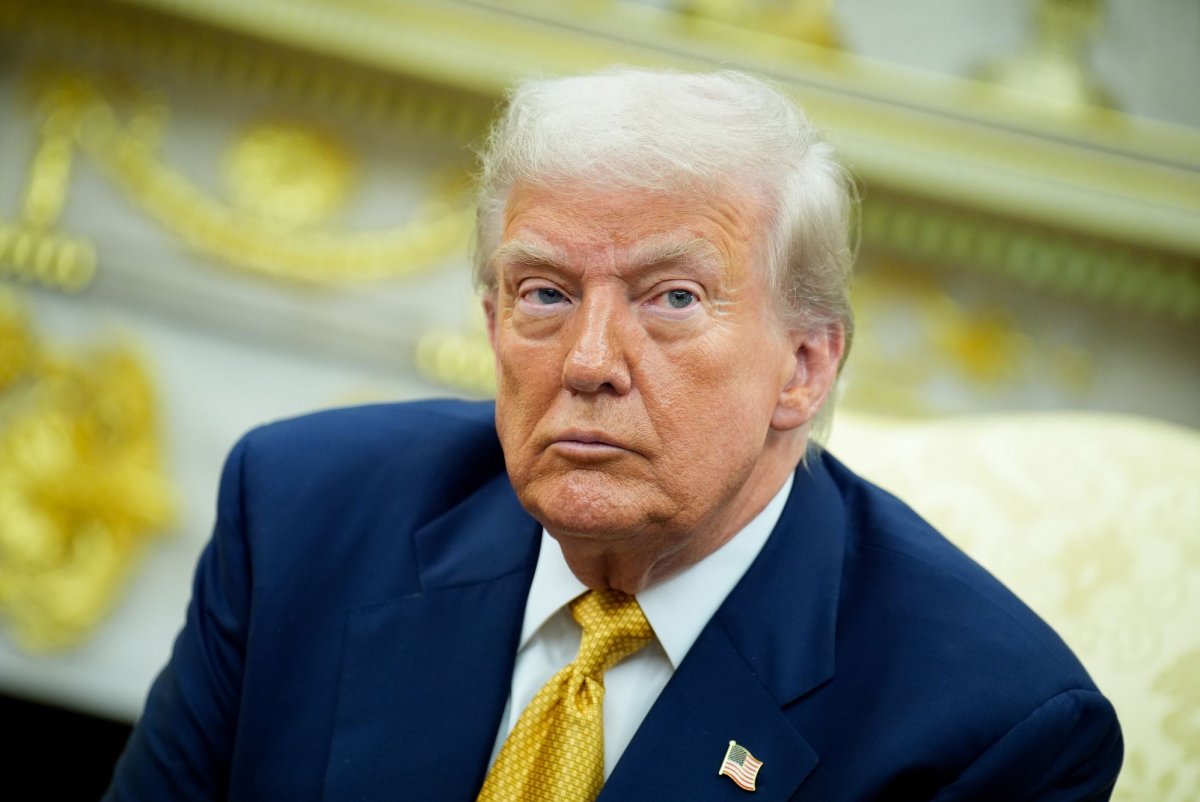
By Jung Yu-gyung, international affairs reporter“People of Korea, punish such traitorous politics at the polls.”President Park Geun-hye’s 2015 attack on Rep. Yoo Seong-min, the ruling Saenuri Party’s floor leader at the time, instantly popularized the phrase “traitorous politics,” which has gone down in the annals of Korean political history.Yoo eventually resigned as floor leader. Ahead of the 2016 general elections, many from the “non-Park” faction of the party didn’t make the cut for nominations, with their spots filled by “true pro-Park” figures. This led to Saenuri’s crushing defeat in the elections.A similar situation is unfolding in the US ahead of its November midterm elections. With party primaries for Senate and House seats ongoing, the criterion for success or failure in the Republican races is increasingly proving to be loyalty to US President Donald Trump.Trump has long weeded out legislators who oppose policies he is pushing for, such as gerrymandering. What is shocking this time around, however, is that incumbent lawmakers marked for defeat have been purged due to perceived disloyalty rather than disagreements over policy.Sen. Bill Cassidy of Louisiana, a strong contender for a third term, lost his primary because Trump effectively campaigned against him by endorsing another candidate and encouraging a rival to run. Cassidy’s cardinal sin was his 2021 vote to impeach Trump on charges of incitement of insurrection for the Jan. 6 attack on the Capitol. “It didn’t matter that Cassidy’s voting record has been closely aligned with Trump’s agenda in the Senate,” NBC wrote in its analysis. “The senator rarely ever voted against his legislative priorities, administrative personnel or judicial nominees in either term.” Despite his reservations as a former physician, Cassidy toed the party line in voting to confirm Robert F. Kennedy, a vaccine skeptic, as secretary of health and human services.Trump has blatantly divided figures in the party into loyalists and traitors. After losing his primary race, Cassidy indirectly criticized the president by saying, “Loyalty must first be to country, Constitution, and fellow Americans, not to individuals.” Trump hit back, writing on Truth Social: “His disloyalty to the man who got him elected is now a part of legend, and it’s nice to see that his political career is OVER!”What caused an even bigger stir was Trump’s sudden snub of Sen. John Cornyn, a four-term incumbent from Texas whom senior Republican lawmakers, including Senate Majority Leader John Thune, had asked Trump to support.The president delayed backing Cornyn and quickly shifted course to support former Texas Attorney General Ken Paxton, who had escaped impeachment on charges including corruption. Trump praised Paxton as a “true MAGA warrior.”In 2023, Cornyn called time on the Trump era in opposing the latter’s 2024 election bid. Analysts say another factor was Trump’s apparent intent to undermine Thune, who said he was “not a big fan” of Trump’s proposed “anti-weaponization fund.” Steve Bannon, a former aide to Trump and a supporter of Paxton, said this was “as much a vote of no confidence in John Thune as it is a vote of confidence in Ken Paxton.”In a New York Times column, Thomas Friedman wrote, “The most alarming thing happening in America today is that the Trump First Republicans, on Trump’s orders, are purging the few America First Republicans.” “Should the GOP hold the House and the Senate in the midterms, there will be no brakes whatsoever on this party and this president,” he predicted. As Korea’s 2015 experience made clear, a party that goes beyond rubber-stamping the president and descends into open, sycophantic displays of loyalty is already writing its own political obituary.Please direct questions or comments to [english@hani.co.kr]