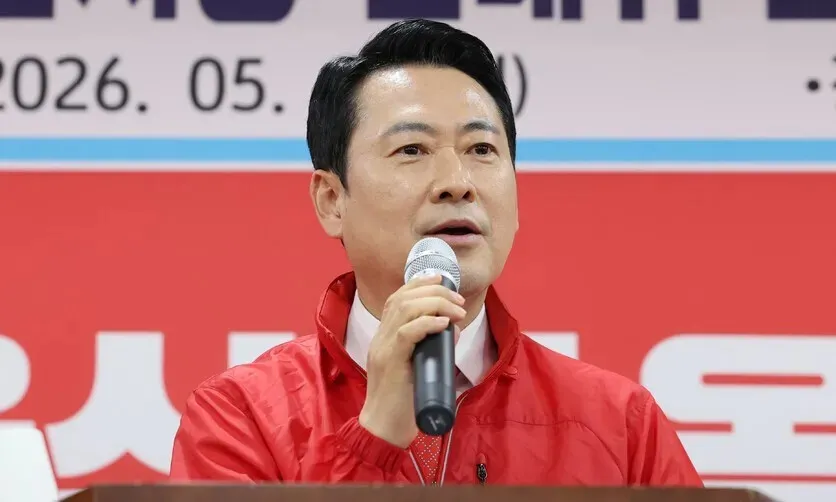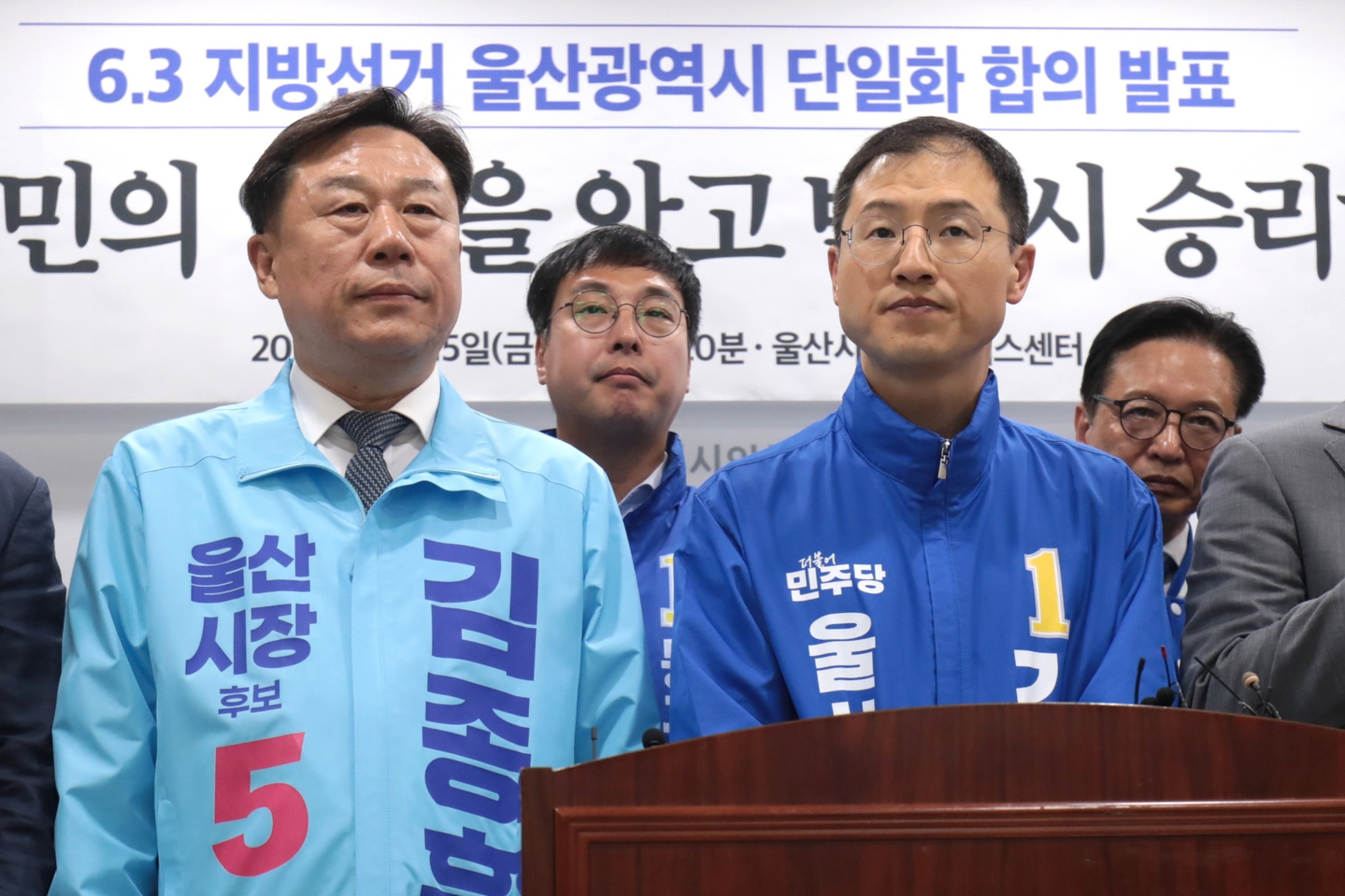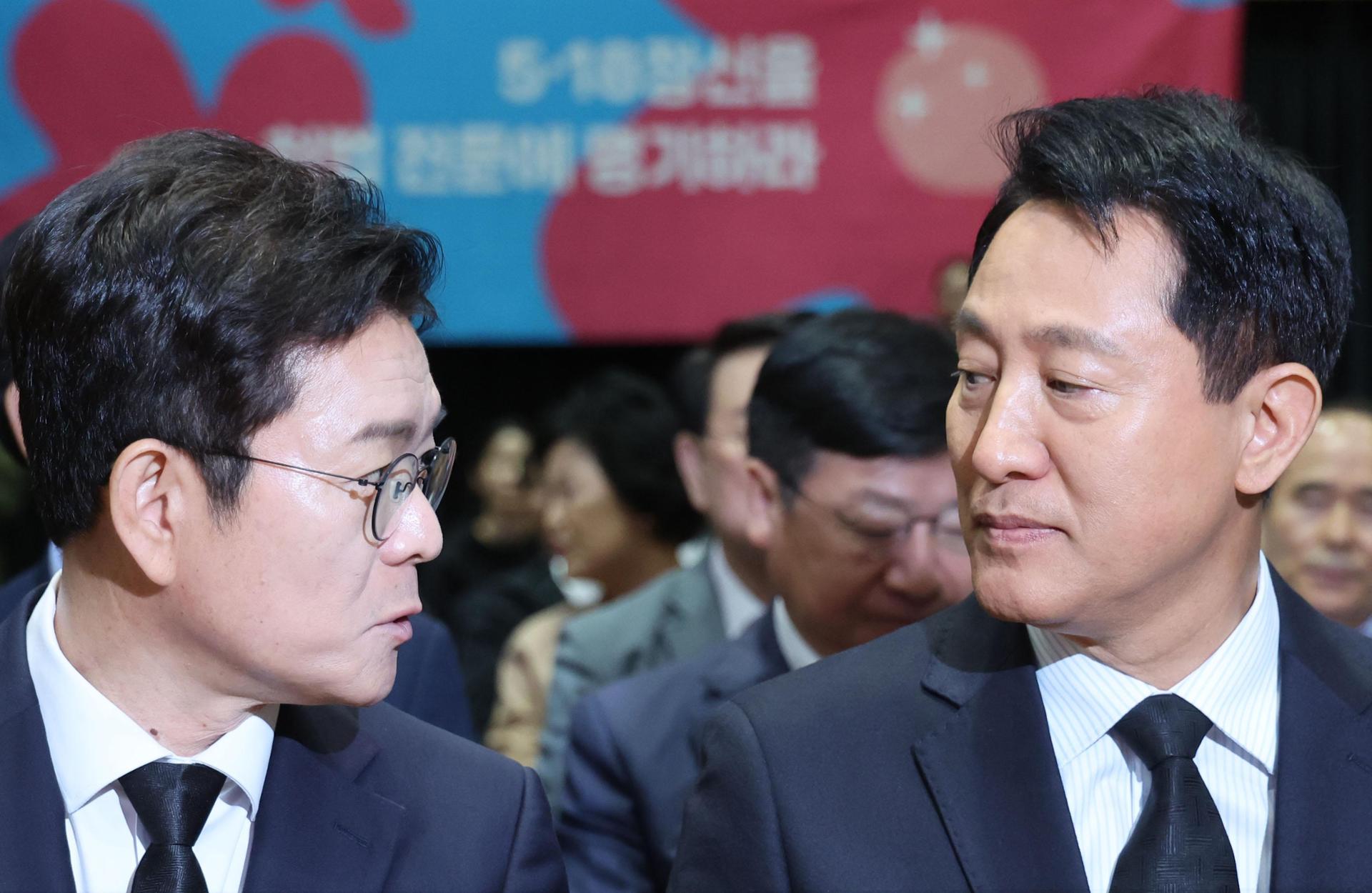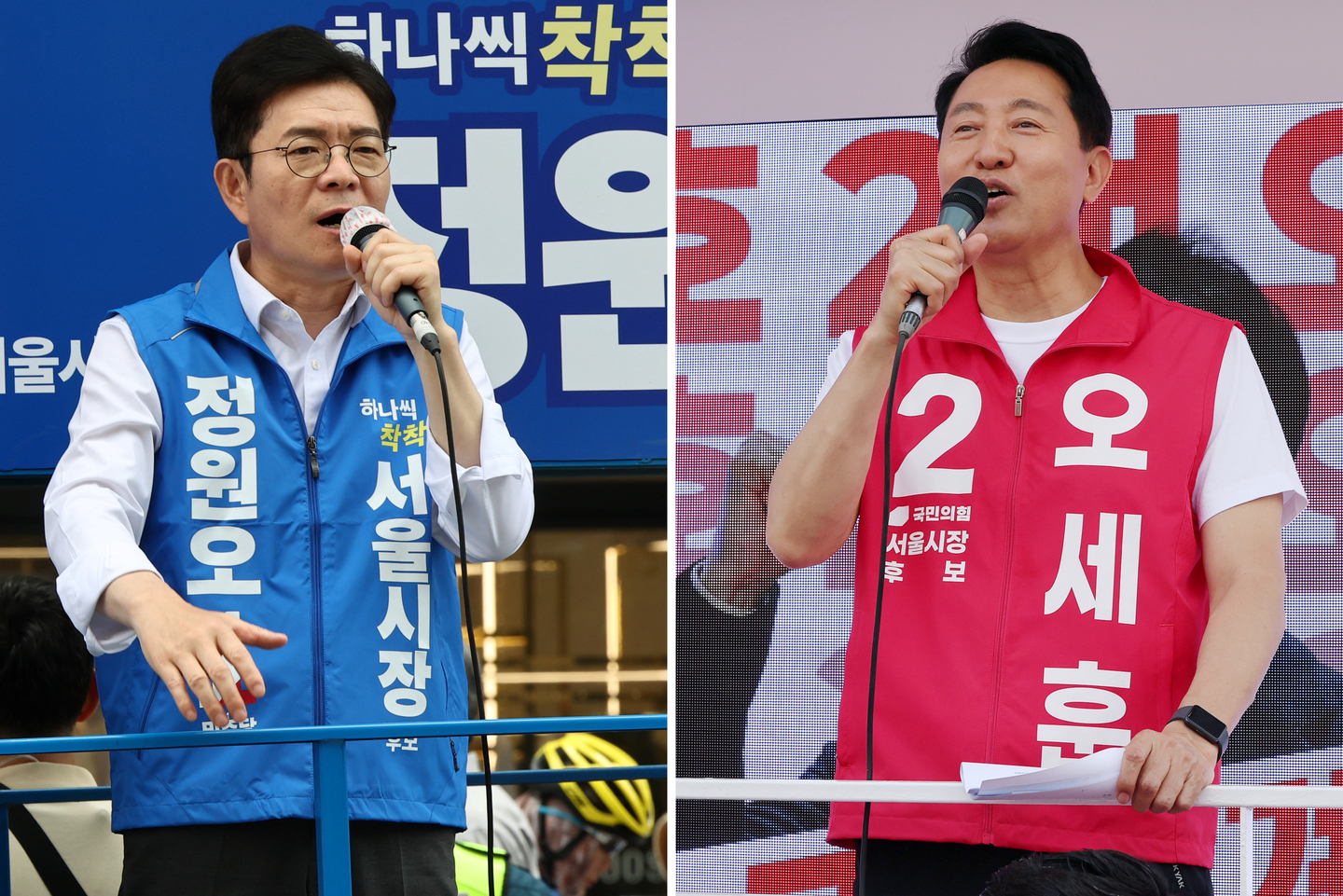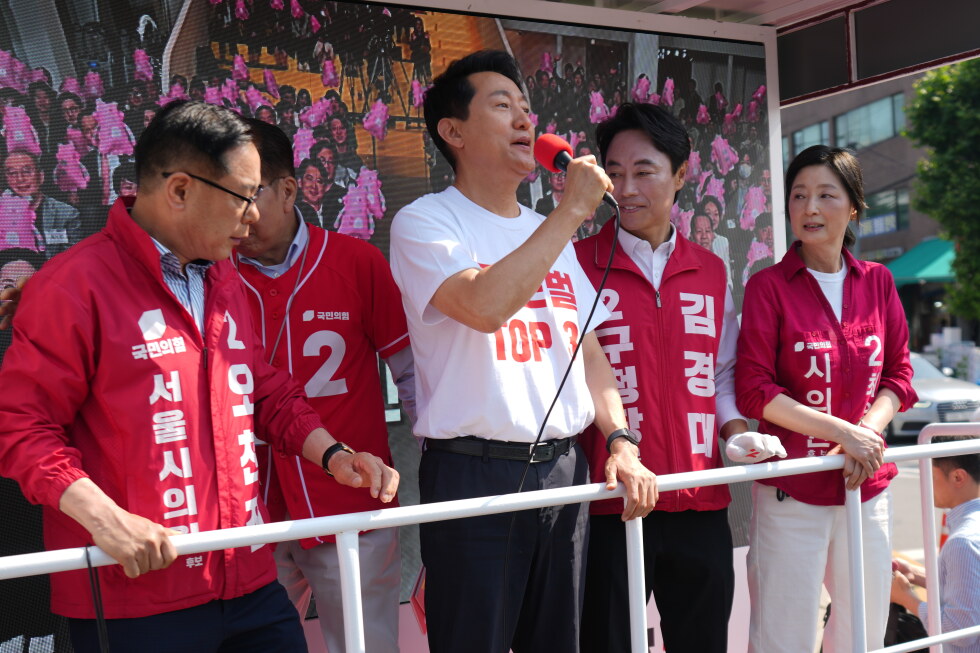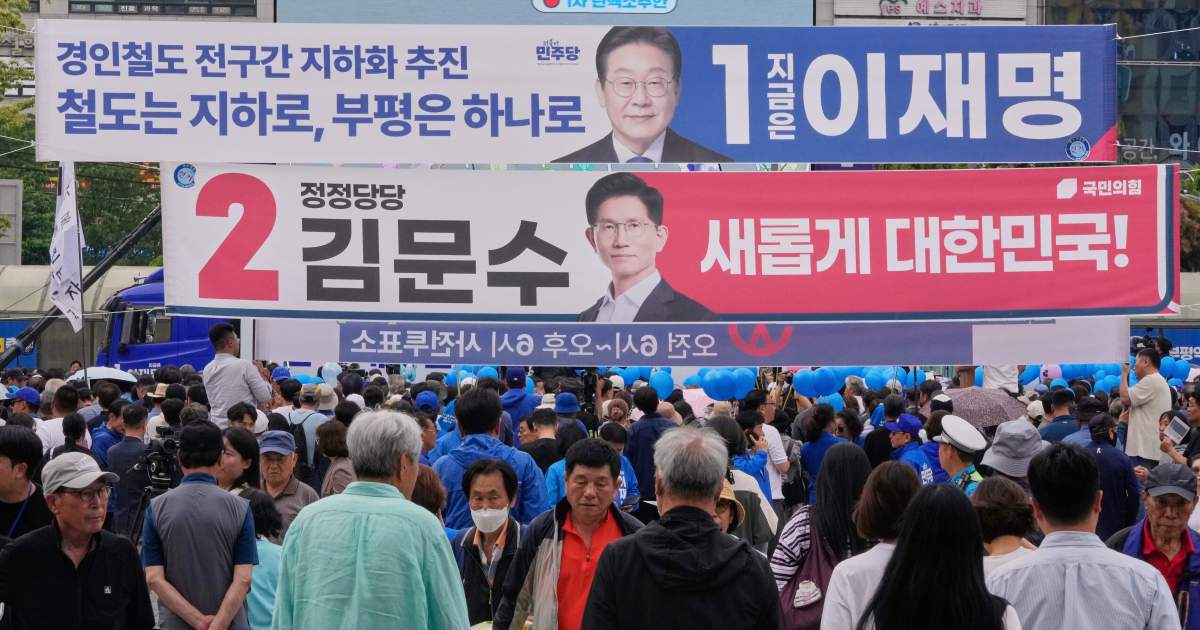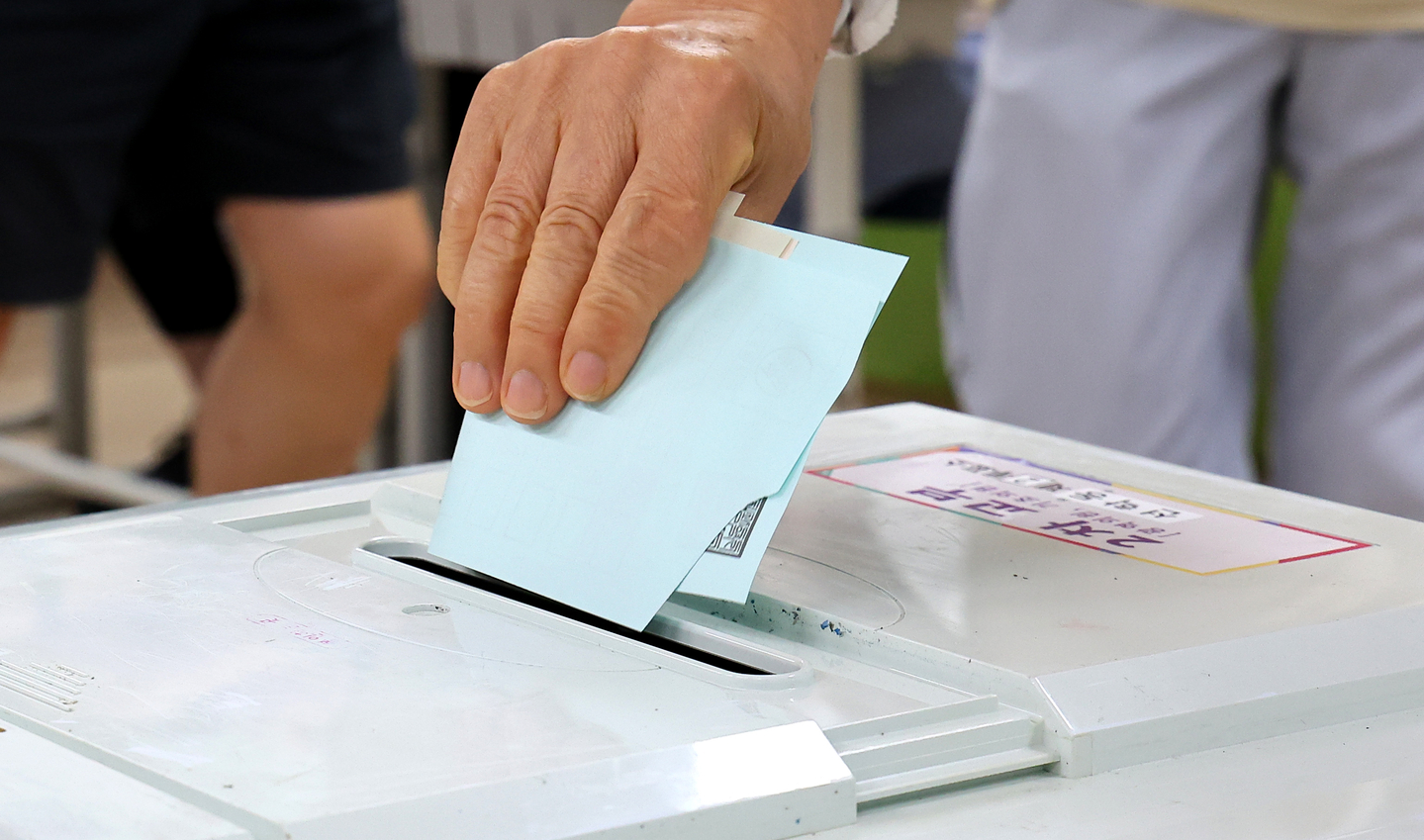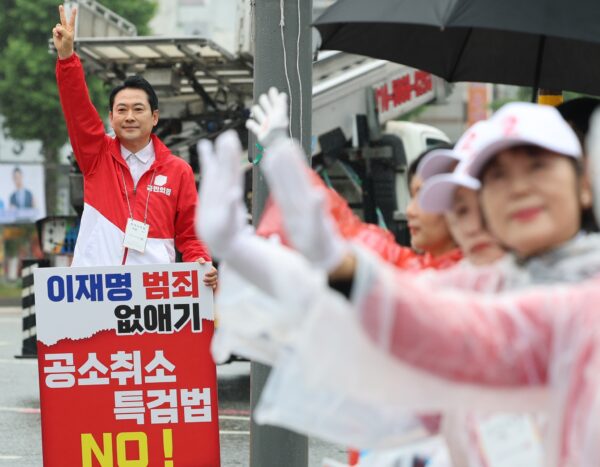
South Koreans will head to the polls on June 3 to elect local councils, municipal authorities, metropolitan mayors, and provincial governors. Campaigning officially started on May 21. The vote represents the first nationwide political test since President Lee Jae-myung entered office following former President Yoon Suk-yeol’s impeachment and political collapse.
The election’s deeper significance lies not simply in whether the ruling Democratic Party (DP) performs well, but in whether South Korea’s conservative movement can still function as a credible national alternative after the Yoon era.
For decades, South Korean politics operated in a relatively stable framework. Conservatives and progressives competed fiercely, but the broader structure of political competition remained intact, reinforced by strong regional loyalties and a resilient two-party system. Conservatives traditionally dominated the southeastern Yeongnam region, while liberals maintained their base in the southwest. Governments changed, yet the country’s political geography rarely shifted dramatically.
Yoon’s declaration of martial law last year disrupted that equilibrium. The constitutional crisis and impeachment that followed severely damaged public trust in the conservative People Power Party (PPP), driving many centrist voters away from the party and consolidating support behind Lee’s newly elected administration.