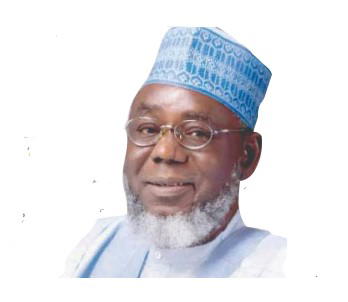
adsIn every generation, societies approaching renewal are rarely transformed by agitation alone. More often, change begins with a certain depth of discipline: the arrival of a figure who understands that leadership is not merely the acquisition of power but the ordering of purpose.
This is the deeper current unfolding in Bauchi politics currently.
Mai Nasaran Bauchi, Chigarin Misau, and Muhammad Ali Pate’s political trajectory cannot be read only through the ordinary language of alignments, contests, rivalries, or ambition. Beneath the visible movement is a more ancient discipline rooted in restraint, moral clarity, intellectual preparation, and an unusual freedom from the compulsions that often consume public life.
The scholars taught us that the first victory of the leader is victory over oneself. A man governed by ego becomes captive to impulse, provocation, vanity, and the endless need for validation. But the one who has undergone inward refinement moves differently. He is not hurried by hostility. He does not feel compelled to answer every accusation or descend into every contest of bitterness. He understands proportion.
Jalaluddin Rumi observed that many truths lose their depth once reduced to constant speech. Within that philosophy lies an important political ethic. There are moments when composure reveals greater confidence than reaction. There are times when measured restraint allows events themselves to expose the limitations of those driven by insecurity, resentment, or an appetite for domination.adsads