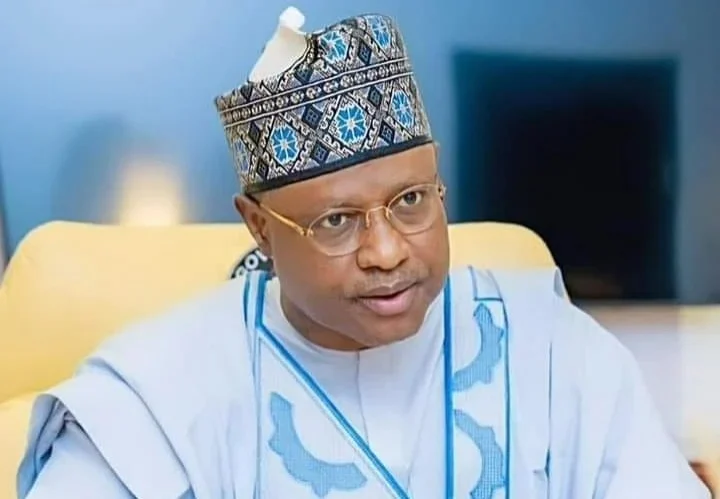
Uba Sani is a bridge-builder, restoring trust between government and communities long alienated from power, reckons EMMANUEL AMOS
For years, Southern Kaduna occupied a painful place in Nigeria’s political and security conversations. The region, blessed with rich cultural diversity, agricultural potential, and resilient people, became associated with recurring tensions, feelings of marginalisation, and deep political distrust. Many citizens believed they were treated more as political outsiders than equal stakeholders in the Kaduna project. The bitterness that accumulated over time did not emerge in a vacuum; it was fuelled by years of divisive politics, insensitive governance, and rhetoric that often widened existing fault lines instead of healing them.
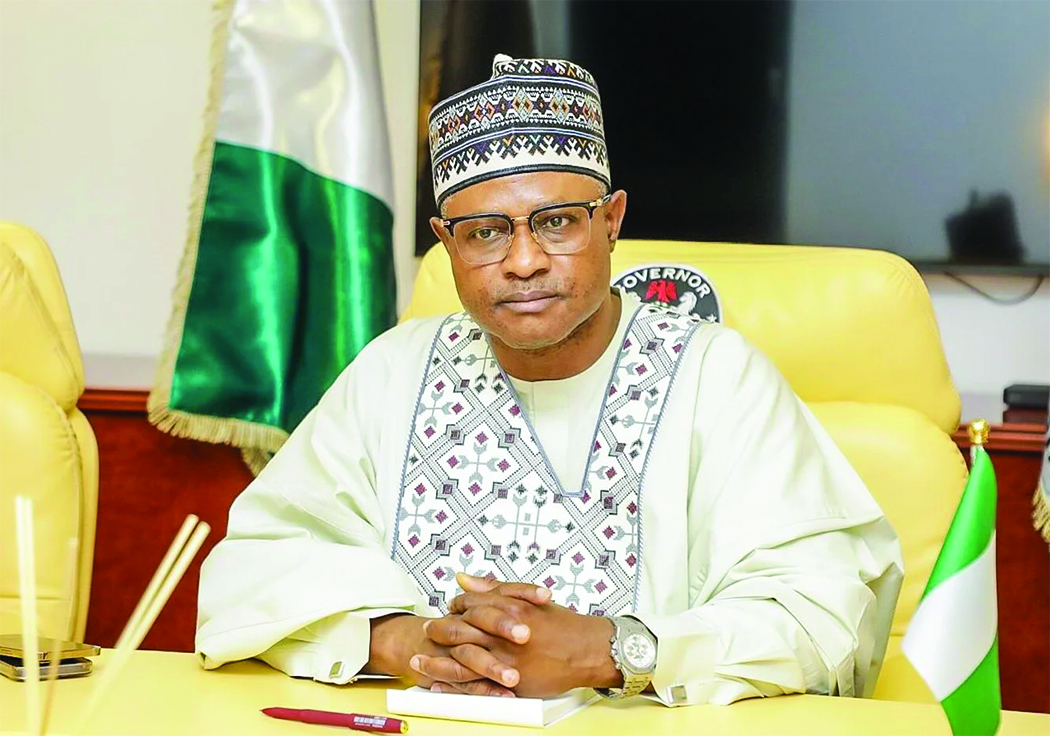
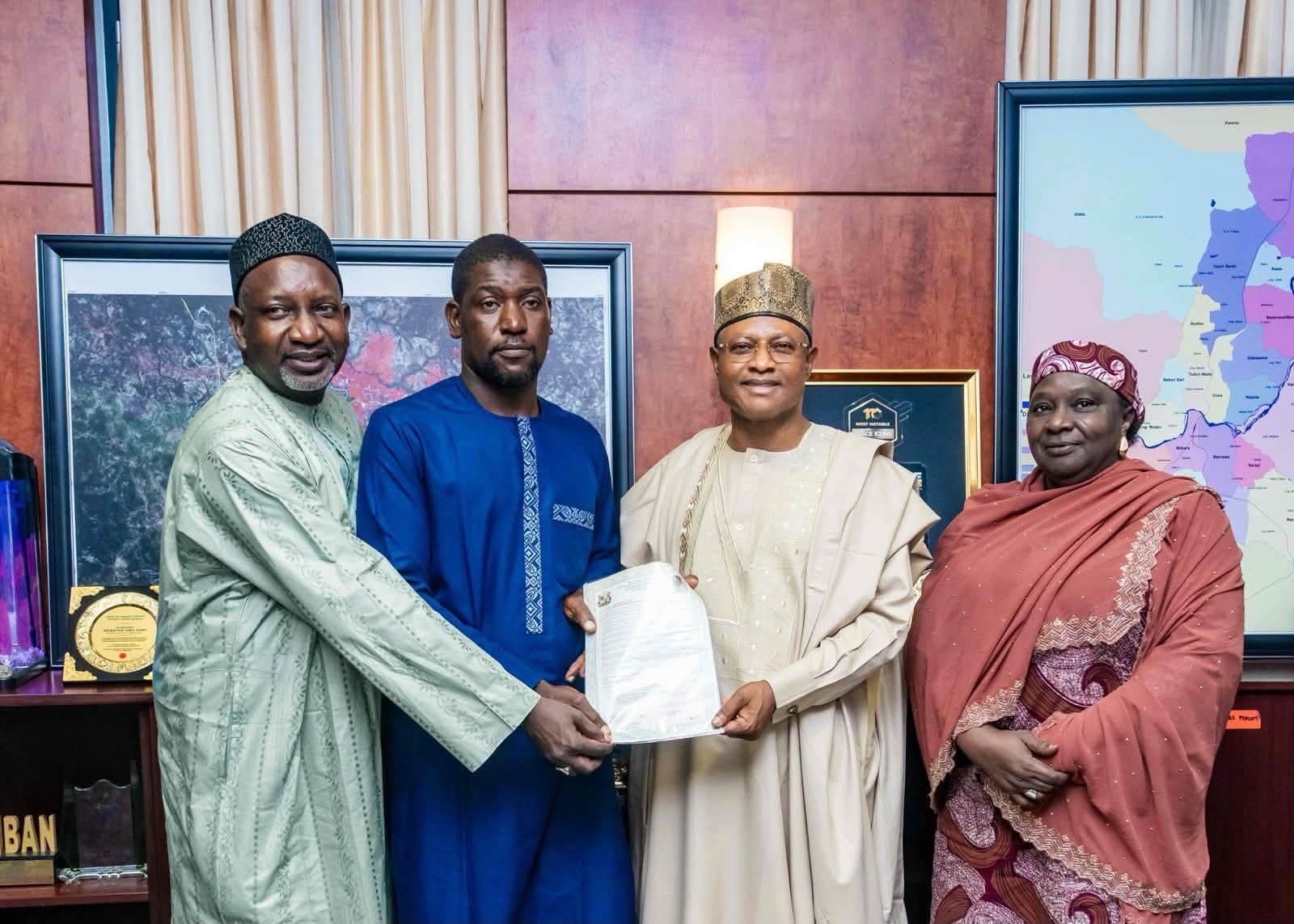
Today, however, a new political atmosphere appears to be taking shape under the administration of Uba Sani. While challenges remain, there is a growing perception across Southern Kaduna that the current administration is pursuing a more inclusive model of governance that emphasizes dialogue, balanced development, economic empowerment, and political accommodation rather than division and confrontation. Increasingly, many residents see Governor Uba Sani not merely as a political leader, but as a bridge-builder attempting to restore trust between government and communities long alienated from power.