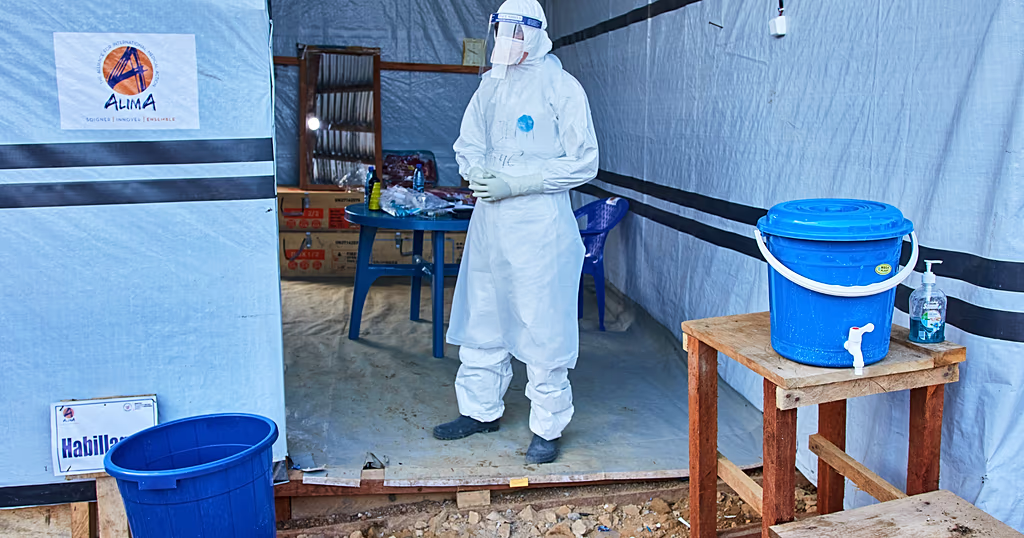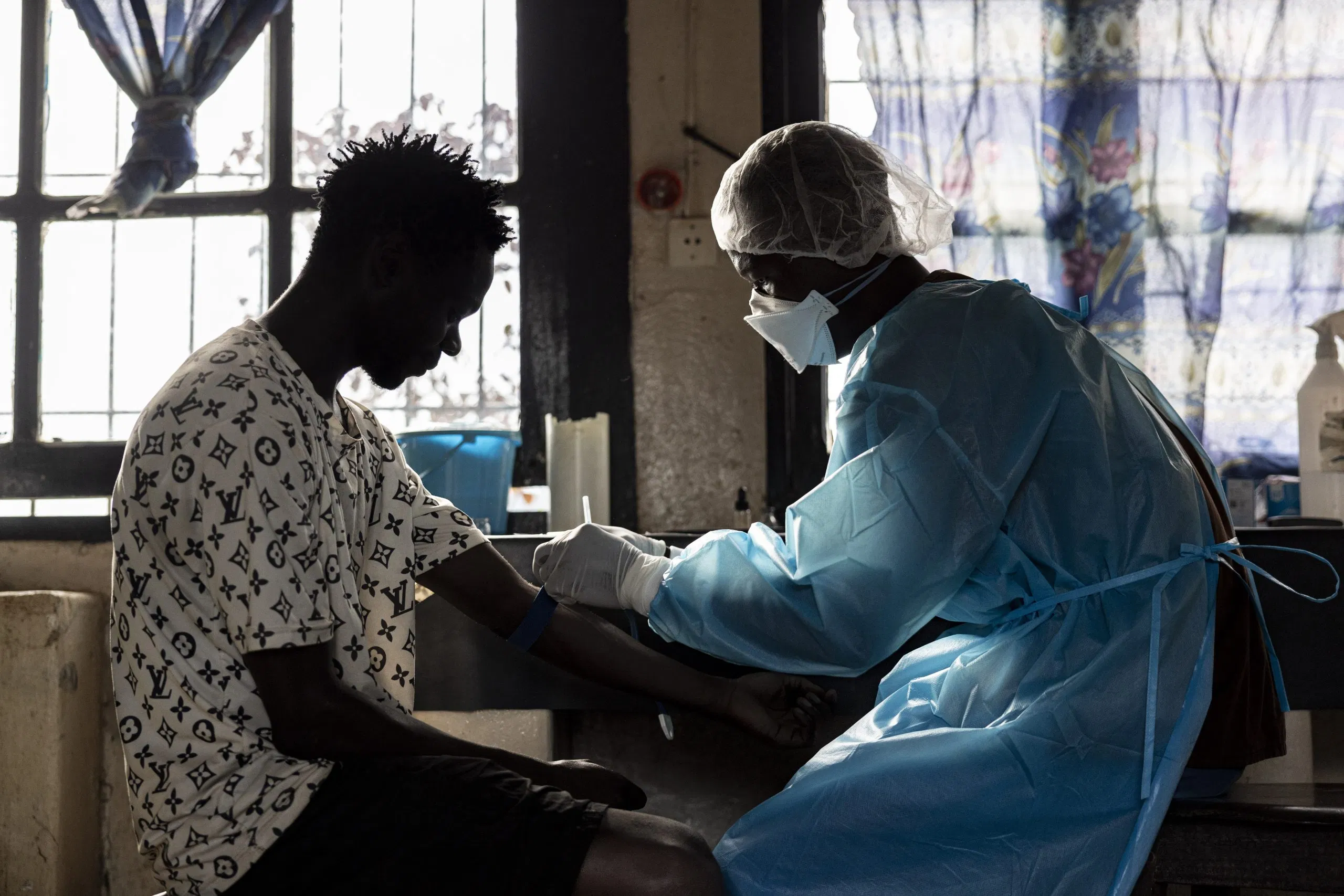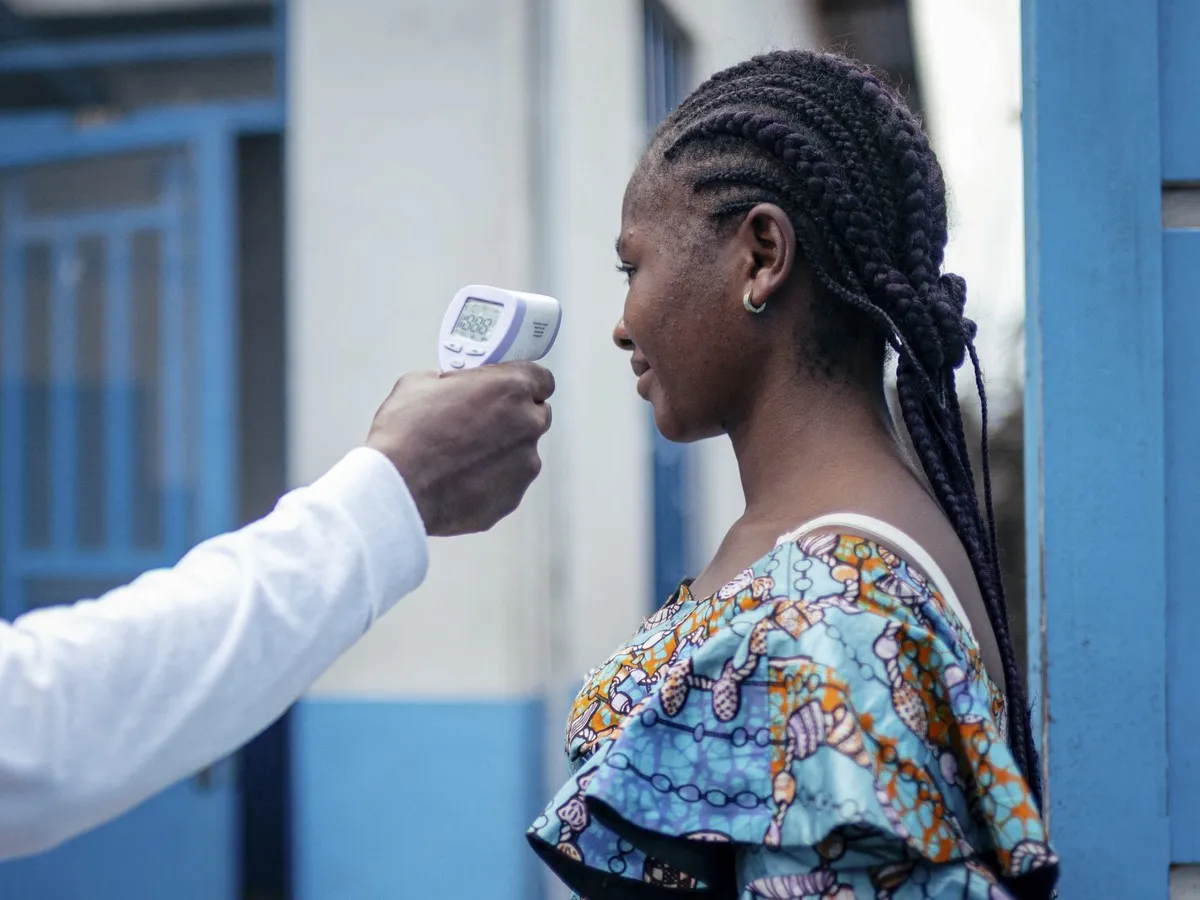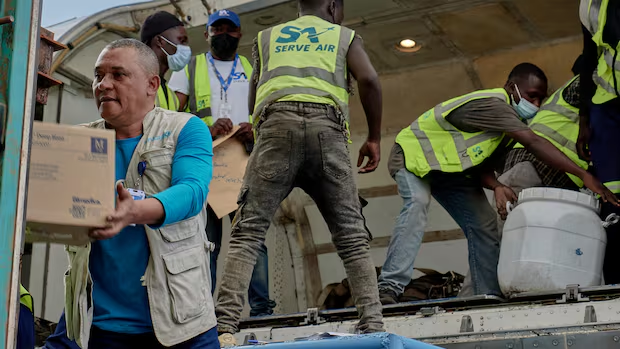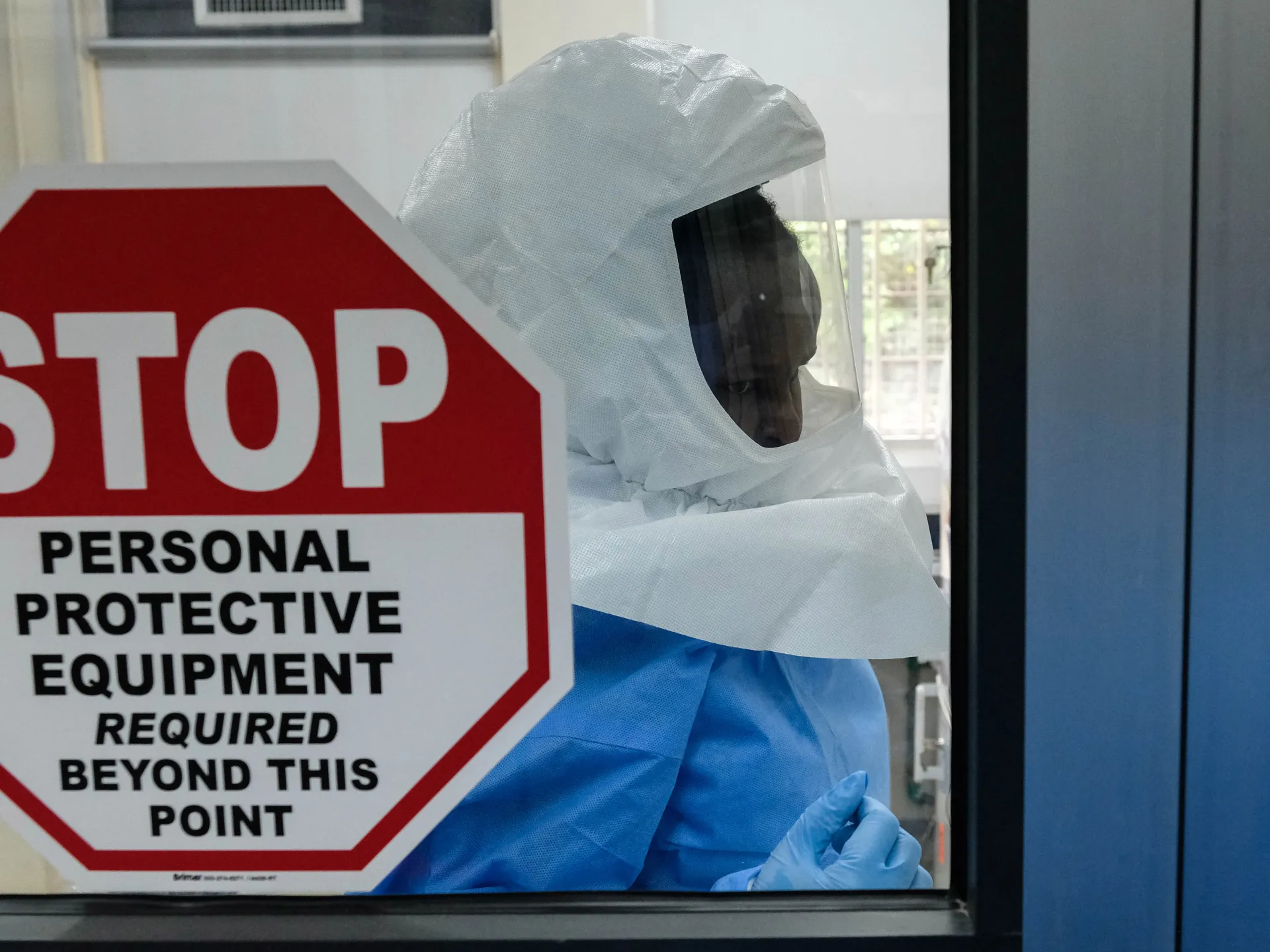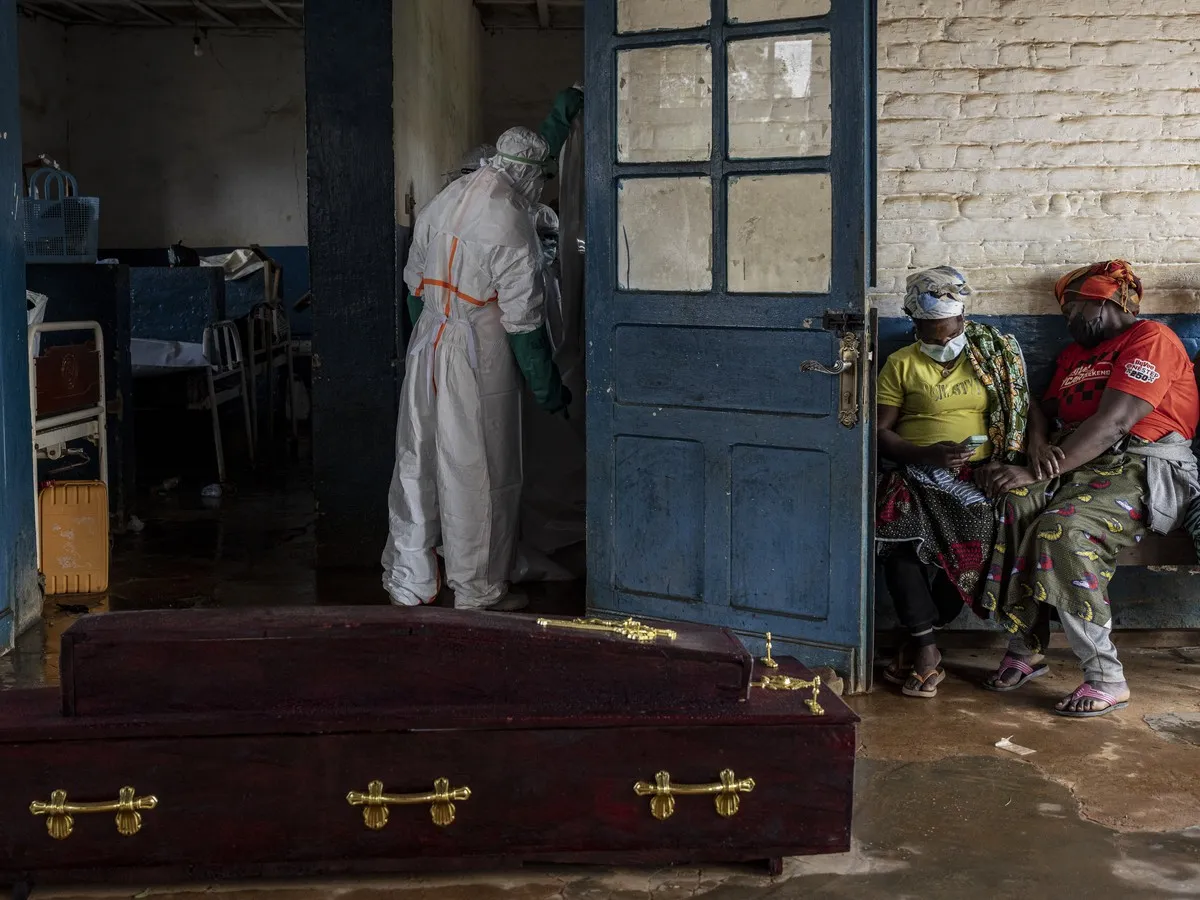
Skip to Content Subscribe Our Offers My Account Manage My Subscriptions FAQ Newsletters Canada Canadian True Crime Canadian Politics Health World Israel & Middle East Financial Post NP Comment Longreads Puzzmo Diversions Comics NP News Quiz New York Times Crossword Horoscopes Life Eating & Drinking Style Sponsored Play for Ontario Travel Travel Canada Travel USA Travel International Cruises Travel Essentials Culture Books Celebrity Movies Music Theatre Television Business Essentials Advice Lives Told Tails Told Shopping Buy Canadian Home Living Outdoor Living Tech Style & Beauty Kitchen & Dining Personal Care Entertainment & Hobbies Gift Guide Travel Guide Deals Savings National Post Store More Sports Hockey Baseball Basketball Football Soccer Golf Tennis Driving Vehicle Research Reviews News Gear Guide Obituaries Place an Obituary Place an In Memoriam Classifieds Place an Ad Celebrations Working Business Ads Archives Healthing Epaper Manage Print Subscription Profile Settings My Subscriptions Saved Articles My Offers Newsletters Customer Service FAQ Newsletters Canada World Financial Post NP Comment Longreads Puzzmo Diversions Life Shopping Epaper Manage Print Subscription HomeNewsWorldCongo tightens travel as Ebola spreads and supplies run lowAfrica Centre for Disease Control warns of 'alarming' surveillance gaps as only a fifth of the 1,745 identified contacts under monitoring had been tracedAuthor of the article: You can save this article by registering for free here. Or sign-in if you have an account.Relatives of Ebola victims sit outside the General Referral Hospital in Mongbwalu, Democratic Republic of Congo. The disease is spreading in eastern Congo, triggering flight bans, cross-border alerts, and urgent health response as cases and deaths rise. Photo by Michel Lunanga /Getty ImagesCongo suspended flights to the eastern city of Bunia and regional health ministers warned of escalating cross-border risks from Ebola as the outbreak spread across three provinces and overwhelmed contact-tracing efforts.Enjoy the latest local, national and international news.Exclusive articles by Conrad Black, Barbara Kay and others. Plus, special edition NP Platformed and First Reading newsletters and virtual events.Unlimited online access to National Post.National Post ePaper, an electronic replica of the print edition to view on any device, share and comment on.Daily puzzles including the New York Times Crossword.Support local journalism.Enjoy the latest local, national and international news.Exclusive articles by Conrad Black, Barbara Kay and others. Plus, special edition NP Platformed and First Reading newsletters and virtual events.Unlimited online access to National Post.National Post ePaper, an electronic replica of the print edition to view on any device, share and comment on.Daily puzzles including the New York Times Crossword.Support local journalism.Create an account or sign in to continue with your reading experience.Access articles from across Canada with one account.Share your thoughts and join the conversation in the comments.Enjoy additional articles per month.Get email updates from your favourite authors.Create an account or sign in to continue with your reading experience.Access articles from across Canada with one accountShare your thoughts and join the conversation in the commentsEnjoy additional articles per monthGet email updates from your favourite authorsSign In or Create an AccountorAuthorities in the Democratic Republic of Congo reported 91 confirmed Ebola infections, 867 suspected cases and 204 probable deaths as of Friday. Health workers had managed to trace only a fifth of the 1,745 identified contacts under monitoring — a surveillance gap officials described as “alarming.”The worsening outbreak prompted Congo’s transport ministry to halt commercial, private and special flights to and from Bunia, one of the outbreak’s epicentres in Ituri province near the Ugandan border. Humanitarian and medical flights may still receive special authorization, the ministry said Saturday.Get a dash of perspective along with the trending news of the day in a very readable format.By signing up you consent to receive the above newsletter from Postmedia Network Inc.A welcome email is on its way. If you don't see it, please check your junk folder.The next issue of NP Posted will soon be in your inbox.We encountered an issue signing you up. Please try againThe measures underscore how rapidly the Bundibugyo strain of Ebola is spreading through eastern Congo and into neighbouring countries. That’s straining already fragile health systems and forcing authorities to rely heavily on basic public health measures because there is no approved vaccine or antibody treatment for the rare virus type.The U.S. expanded its Ebola response Saturday, announcing enhanced airport screening requirements for travellers arriving from Congo, Uganda and South Sudan, along with new emergency funding, medical supply shipments and the deployment of disaster response teams to affected areas.Africa’s top public health official said the latest Ebola outbreak in eastern Congo is being fought without one of the most important tools in epidemic response: vaccines.Jean Kaseya, director-general of the Africa Centres for Disease Control and Prevention, said response efforts to the disease are now heavily dependent on community outreach and behavioural change campaigns to slow transmission.The outbreak, now the “second largest” after the 2014-2016 West Africa epidemic, is caused by the rare Bundibugyo strain of the virus and has no approved vaccine or antibody treatment. Kaseya said hopes that existing vaccine options could provide even partial protection have faded in recent weeks.“It’s like you are a soldier,” he said in an interview. “You go to fight without ammunition. We have to rely on public health measures.” pjm5yi9n9aoko44d3cn9gc1(_media_dl_1.pngRegional concern intensified Saturday after health ministers from Congo, Uganda and South Sudan met with officials from Africa CDC and the World Health Organization in Kampala to coordinate a cross-border response. In a joint communique, the countries warned that porous borders, mining and trade corridors, humanitarian crises and population displacement were increasing the risk of wider transmission across East and Central Africa.Uganda has already reported five confirmed Ebola infections linked to the outbreak.Kaseya said shortages extend far beyond vaccines and experimental treatments. Despite millions of dollars pledged by governments and aid agencies since the outbreak escalated, some frontline facilities are still struggling to secure basics, from personal protection equipment, known as PPE, to treatment space and laboratory supplies.“Why are we still lacking PPE?” he said, questioning where promised funding was going.In Bunia, not far from the Ugandan border, some patients were still being treated in ordinary hospital wards because dedicated Ebola treatment centers had not yet been fully established, he said.Health authorities are increasingly relying on local leaders and community networks to spread the word on safe practices, including persuading families to modify long-held burial practices that can accelerate Ebola transmission.Burial clashesTensions erupted near Bunia after relatives of a man who died at Rwampara Hospital clashed with health workers who refused to release his body because of infection risks. Ebola treatment tents run by aid group Alima were later set on fire during the unrest, and local reports said some patients fled amid the chaos.The conflict underscored the delicate challenge responders face in balancing infection control with culturally sensitive “dignified burials,” Kaseya said.“This young person was a leader of a group,” he said. “They have their own way to celebrate their leaders when they pass on.”Africa CDC is now working through community and religious leaders, rather than relying solely on doctors and officials, to communicate public health guidance.“When you start to use local leaders who are not medical doctors, who can speak in a more simple way, use local language, give more examples, then we can achieve something,” Kaseya said.Health officials are encouraging communities to continue funeral ceremonies while avoiding direct contact with bodies.“They can still have the funerals, but differently,” he said.The issue is especially difficult for women, who account for more than 60 per cent of suspected cases, according to Kaseya. In many communities, women are expected to wash or touch the bodies of deceased relatives as a sign of love and respect.“To show that you really loved your husband,” he said, “you need to touch the body.” A mother helps her children wash their hands before entering Kyeshero Hospital at a checkpoint for hand washing and temperature screening for all visitors and patients as part of Ebola prevention measures in Goma on May 18, 2026. Photo by AFP Contributor#AFP /AFP via Getty ImagesThe behavioural and logistical challenges are unfolding alongside mounting funding needs, Kaseya said.Countries responding to the outbreak have requested about $319 million for emergency response and preparedness measures, with about 84 per cent needed for the Democratic Republic of Congo and Uganda and the remainder for neighbouring high-risk countries, including South Sudan, Africa CDC said.The U.S. State Department is working with private companies and international partners to expand testing capacity and explore potential antiviral treatments for the Bundibugyo strain, it said in a statement.Major spending needs include infection prevention and control, water and sanitation programs, case management, surveillance and logistics. Africa CDC also announced a partnership with India to deliver roughly 20 tons of medical supplies by Monday.“We need to act with urgency,” Kaseya said. “We need to make sure pledges that we got today can be translated into concrete money very quickly.”— With assistance from Shamim Adam, Michael J. Kavanagh and Michael Heath.Our website is the place for the latest breaking news, exclusive scoops, longreads and provocative commentary. Please bookmark nationalpost.com and sign up for our daily newsletter, Posted, here. Join the Conversation This website uses cookies to personalize your content (including ads), and allows us to analyze our traffic. Read more about cookies here. By continuing to use our site, you agree to our Terms of Use and Privacy Policy.
Congo tightens travel as Ebola spreads and supplies run low
Ebola is spreading in eastern Congo, triggering flight bans, cross-border alerts, and urgent health response as cases and deaths rise.
1,544 words~7 min read