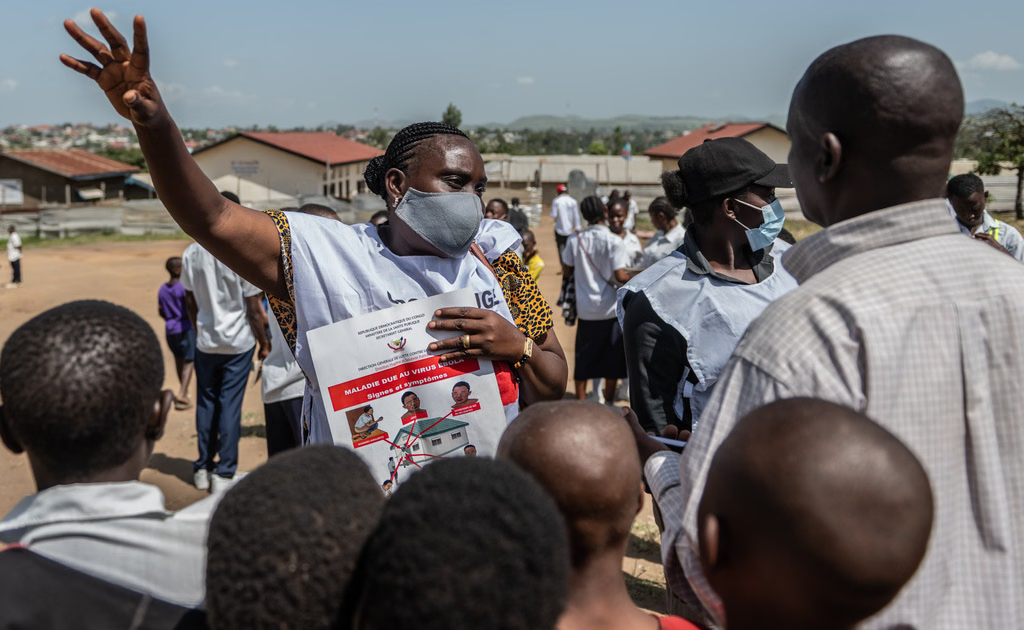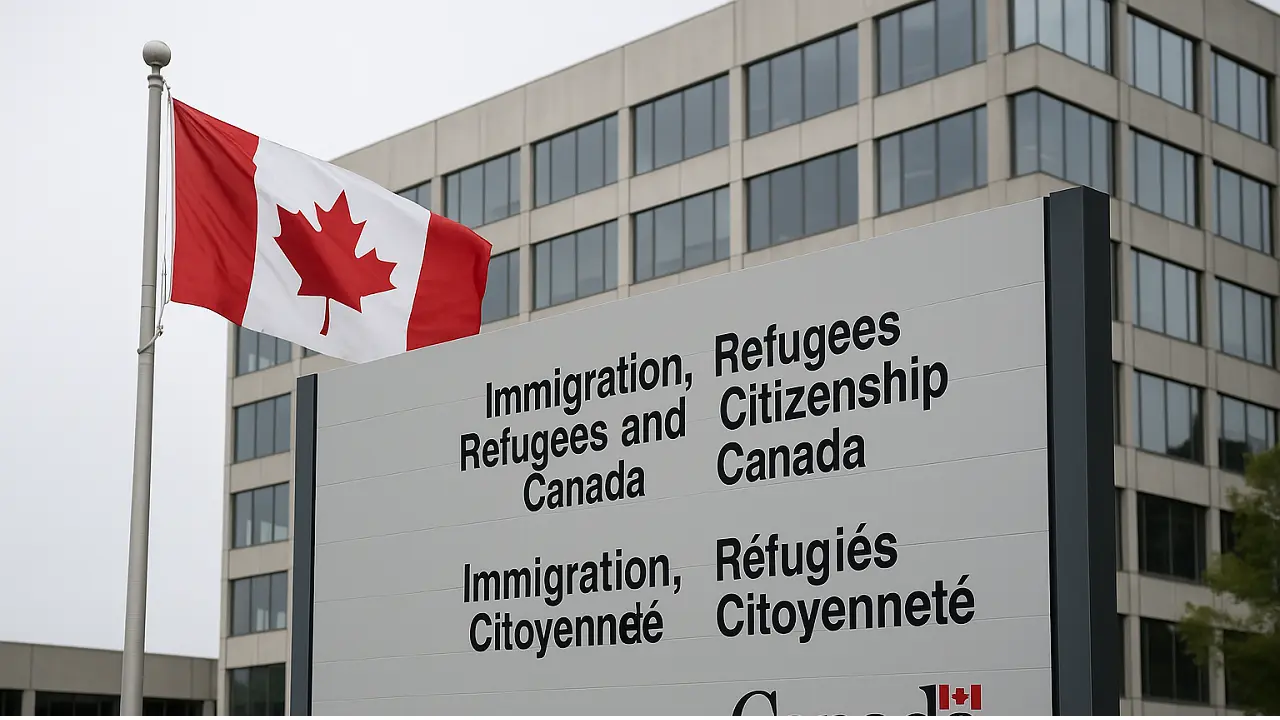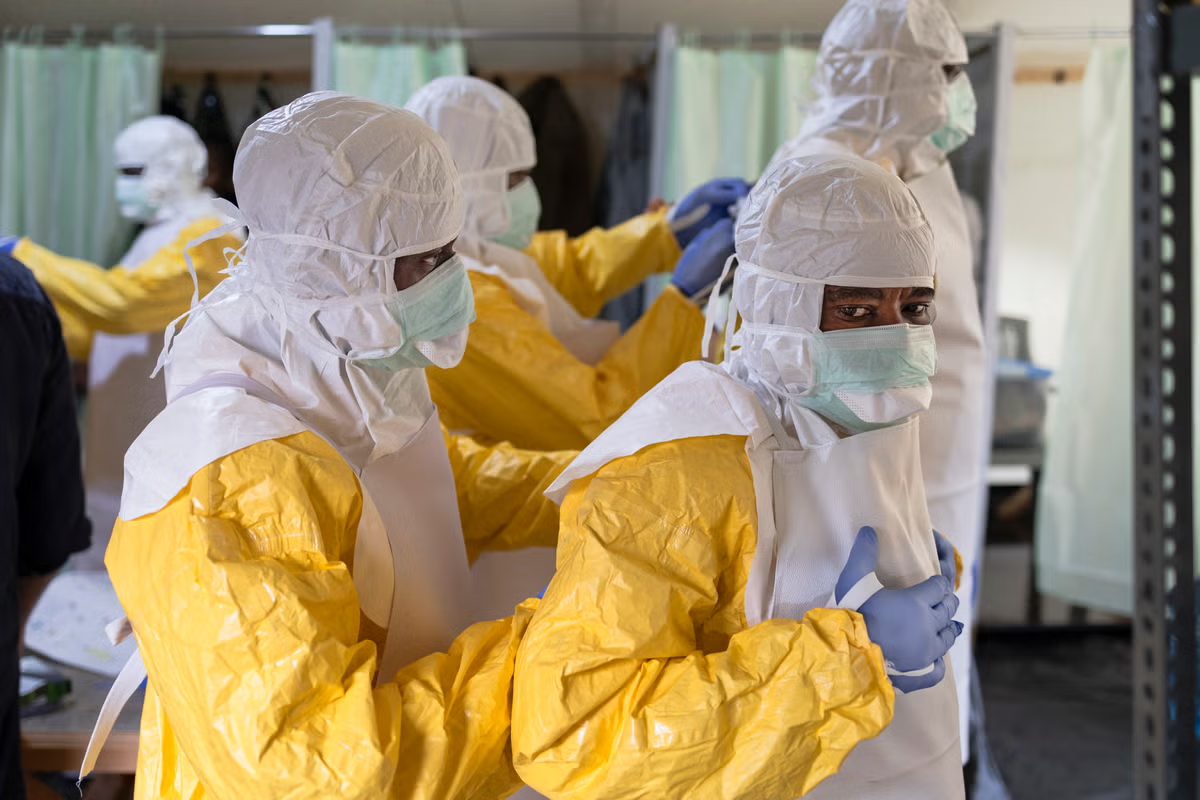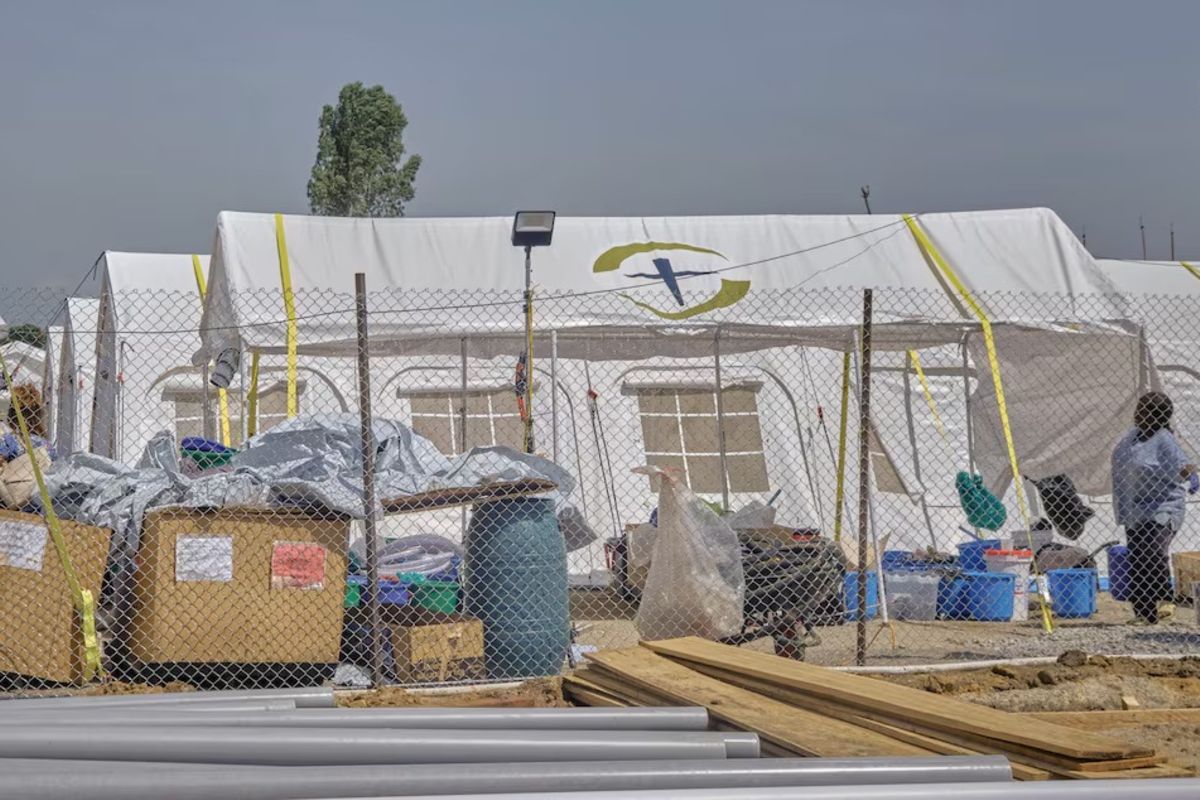
CanadaAs part of new, temporary border measures to combat the spread of Ebola, the Canadian government on Sunday said it would deny entry to foreign nationals who had been to the Democratic Republic of the Congo within the past 21 days.Measures take effect Monday at 11:59 p.m. ET, to last until Aug. 29CBC News · Posted: Jul 19, 2026 11:23 AM EDT | Last Updated: 1 hour agoListen to this articleEstimated 3 minutesThe audio version of this article is generated by AI-based technology. Mispronunciations can occur. We are working with our partners to continually review and improve the results.Canada has introduced new border measures relating to foreign nationals who were in Congo over the last 21 days. (Darryl Dyck/The Canadian Press)The federal government on Sunday said it would deny entry to foreign nationals who had been to the Democratic Republic of the Congo within the past 21 days as part of new, temporary border measures to combat the spread of Ebola.The measures take effect on Monday at 11:59 p.m. ET and will last until Aug. 29, the Public Health Agency of Canada (PHAC) said in a statement."Limiting entry of foreign nationals who have been in the the DRC in the previous 21 days may reduce public health risks for Canadians, and is intended to increase the effectiveness and sustainability of border measures that can safely process travelers arriving in Canada, including our returning humanitarian workers," the statement says.The government's travel health notice risk level for Congo is currently orange (or Level 3 out of 4), which means to avoid non-essential travel. PHAC says the risk from Ebola for Canadians remains low and no travel-related cases in Canada have been reported. The measures enacted so far "are out of an abundance of caution," the statement reads.UN warns of stigma attached to travel bansThe ban contravenes advice from the World Health Organization (WHO), which advises against travel or trade restrictions with Congo, where officials are currently struggling to contain the outbreak. The UN health agency says travel restrictions create stigma and can make epidemics harder to control."People from affected regions and African communities have faced unfair suspicion," the WHO said in a statement last month. "The spread of Ebola is not determined by nationality or ethnicity." Health workers interact July 3 at the Evangelical Medical Center, in Bunia, eastern Congo, where Ebola clinical trials were scheduled to take place. (Dirole Lotsima Dieudonn/The Associated Press)The federal government clamped down on travel and immigration from Congo, Uganda and South Sudan in late May, suspending immigration documents from citizens of those countries.Canadian citizens, permanent residents and those registered under the Indian Act who have been in those countries within the last 21 days can still travel to Canada, but will receive a health assessment on arrival and must quarantine for 21 days.Ebola is mostly spread through direct contact with the bodily fluids of someone infected with the disease. The number of confirmed cases of Ebola in Congo has reached 2,011, including 754 deaths, according to government data released earlier this month. The WHO says more than 100 health-care workers have been infected since the beginning of the outbreak.Last week, the U.S. introduced measures preventing Americans who had been in Congo in the previous 21 days from entering the U.S. via commercial aviation. Seven U.S. aid workers who had been working in Congo to stop the outbreak are currently quarantining in a facility in Kenya.With files from Reuters and The Associated Press
Canada to temporarily bar entry by foreign nationals recently in Congo due to Ebola risk | CBC News
As part of new, temporary border measures to combat the spread of Ebola, the Canadian government on Sunday said it would deny entry to foreign nationals who had been to the Democratic Republic of the Congo within the past 21 days.
576 words~3 min read