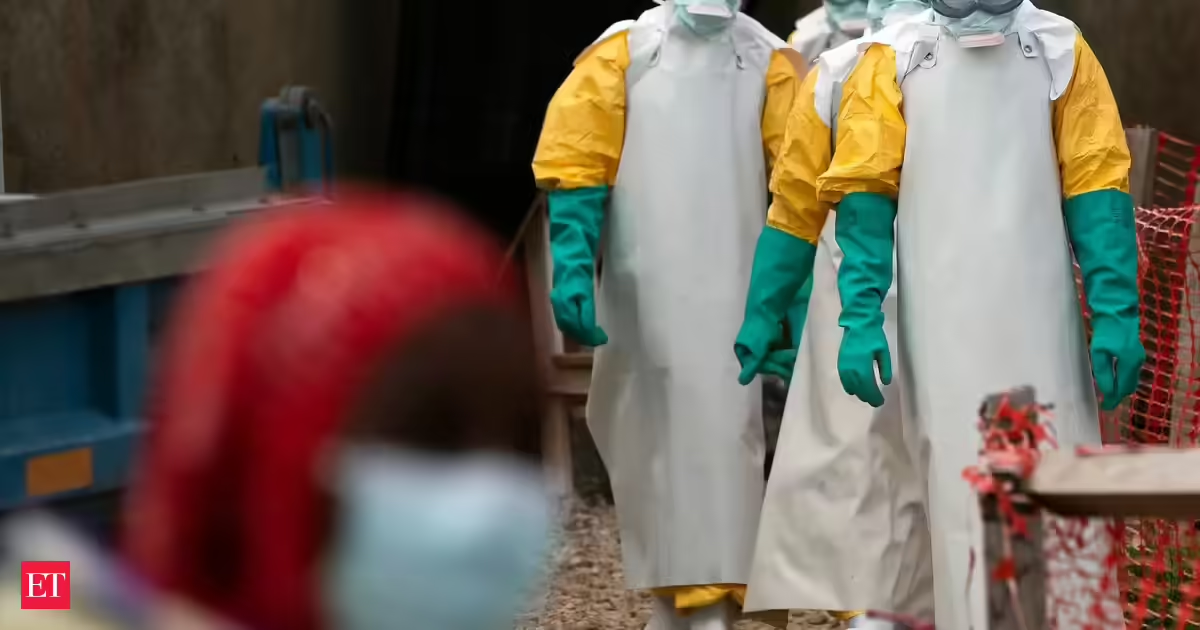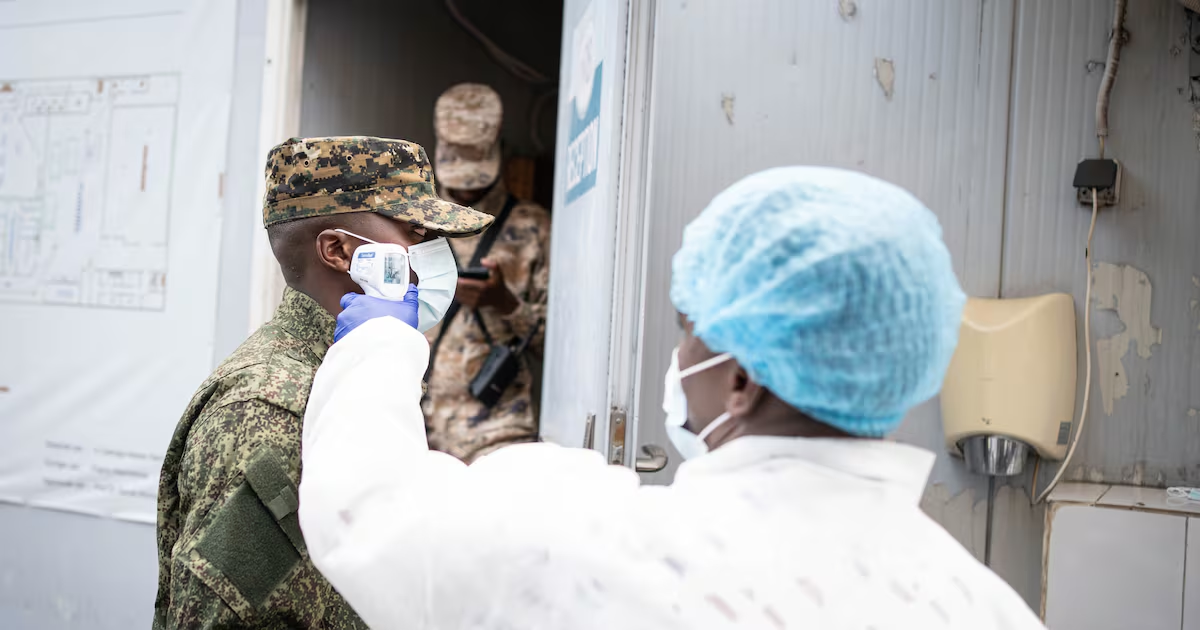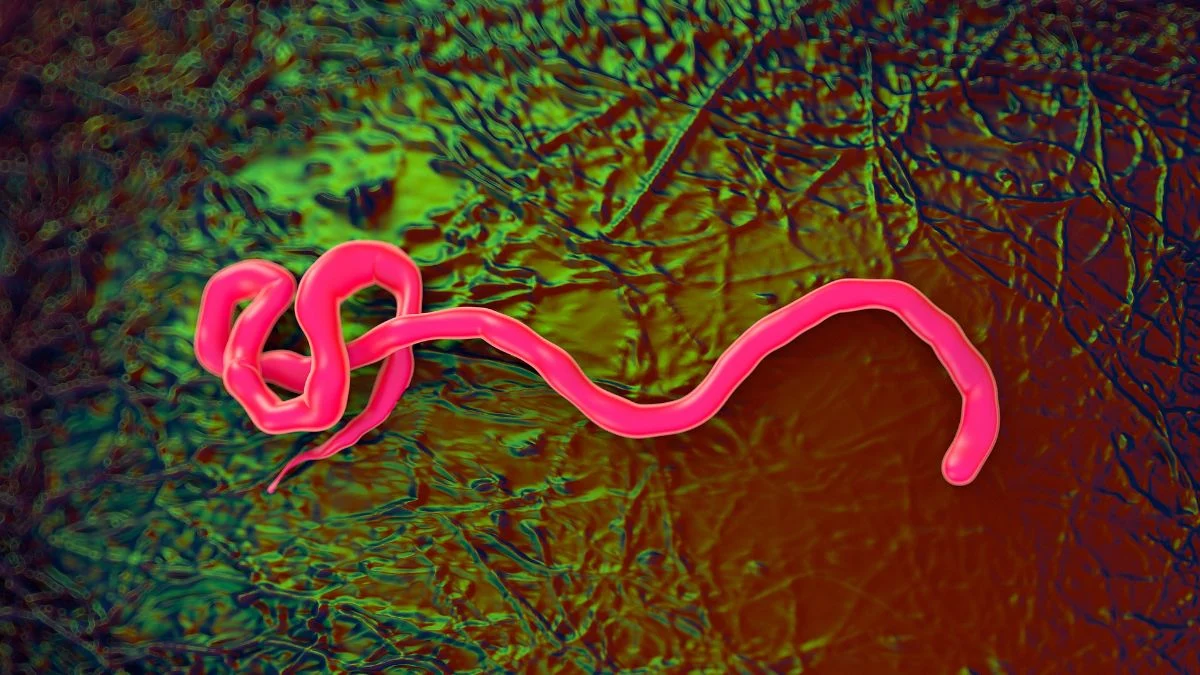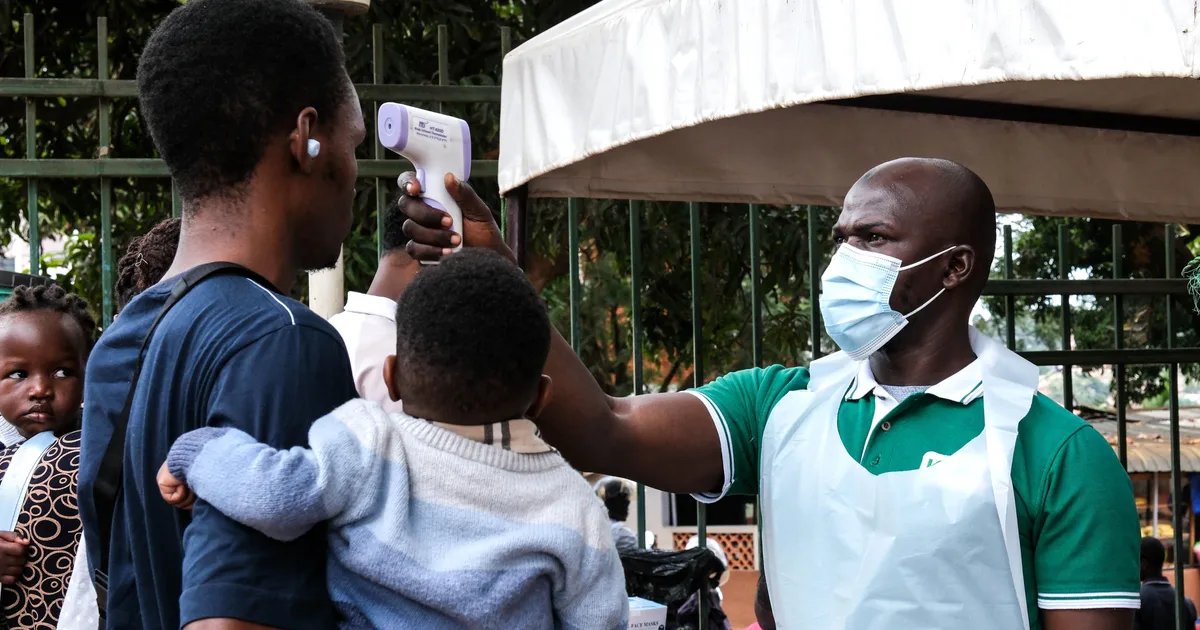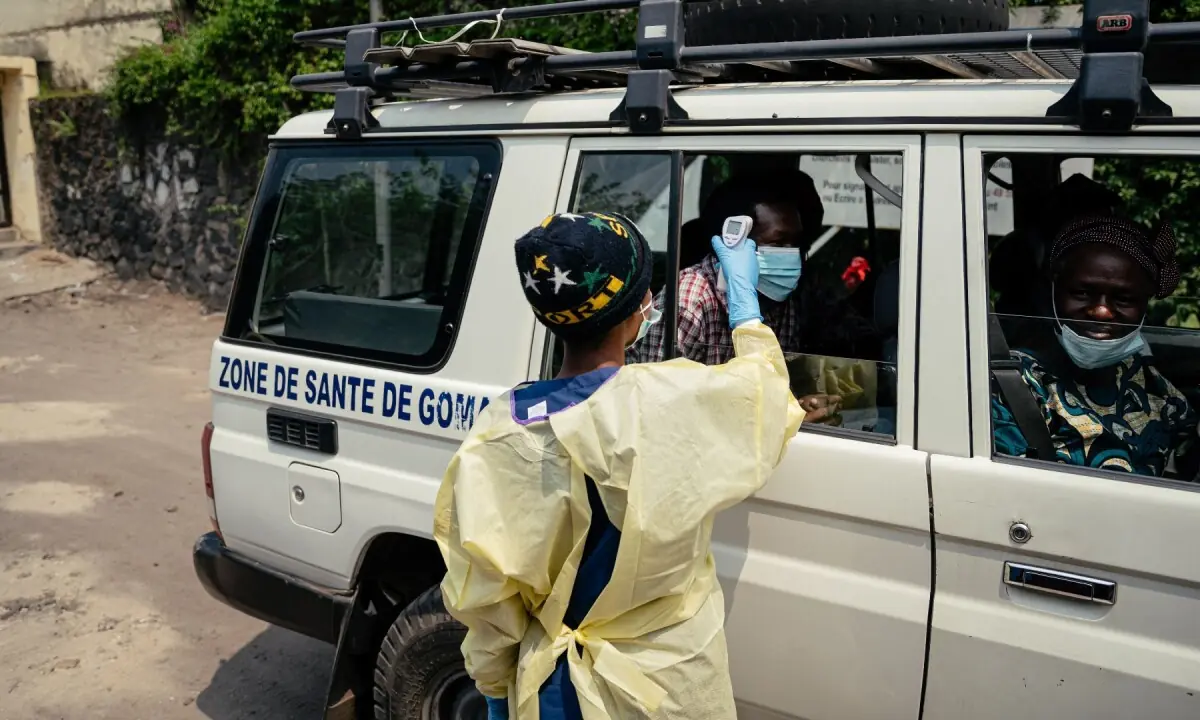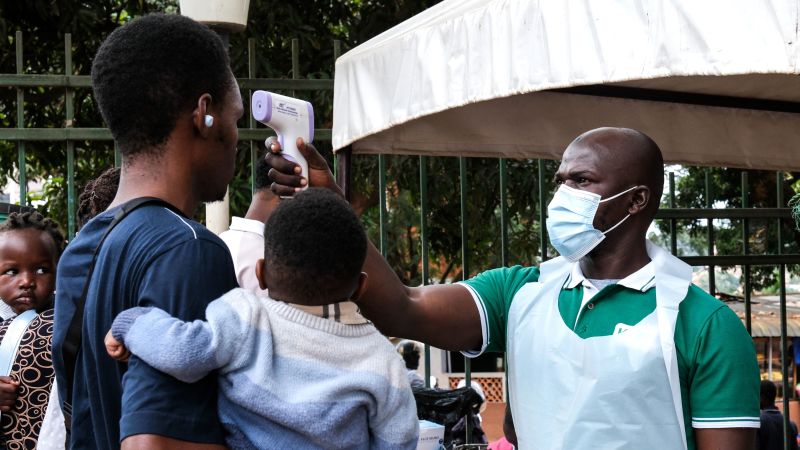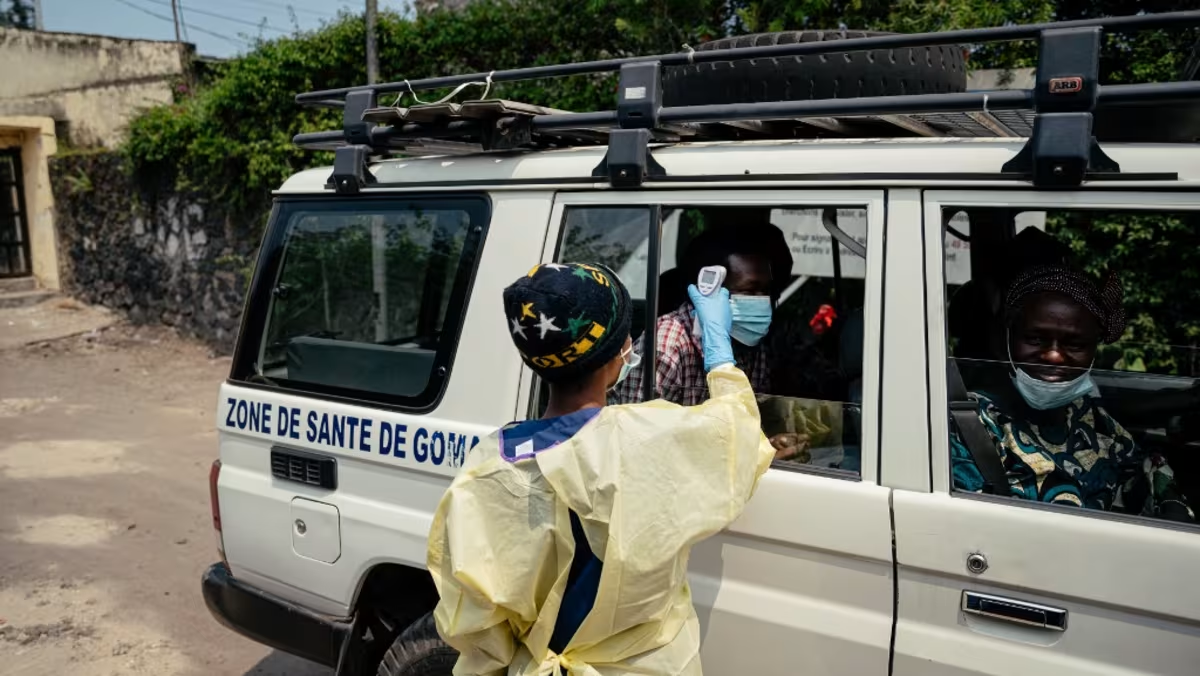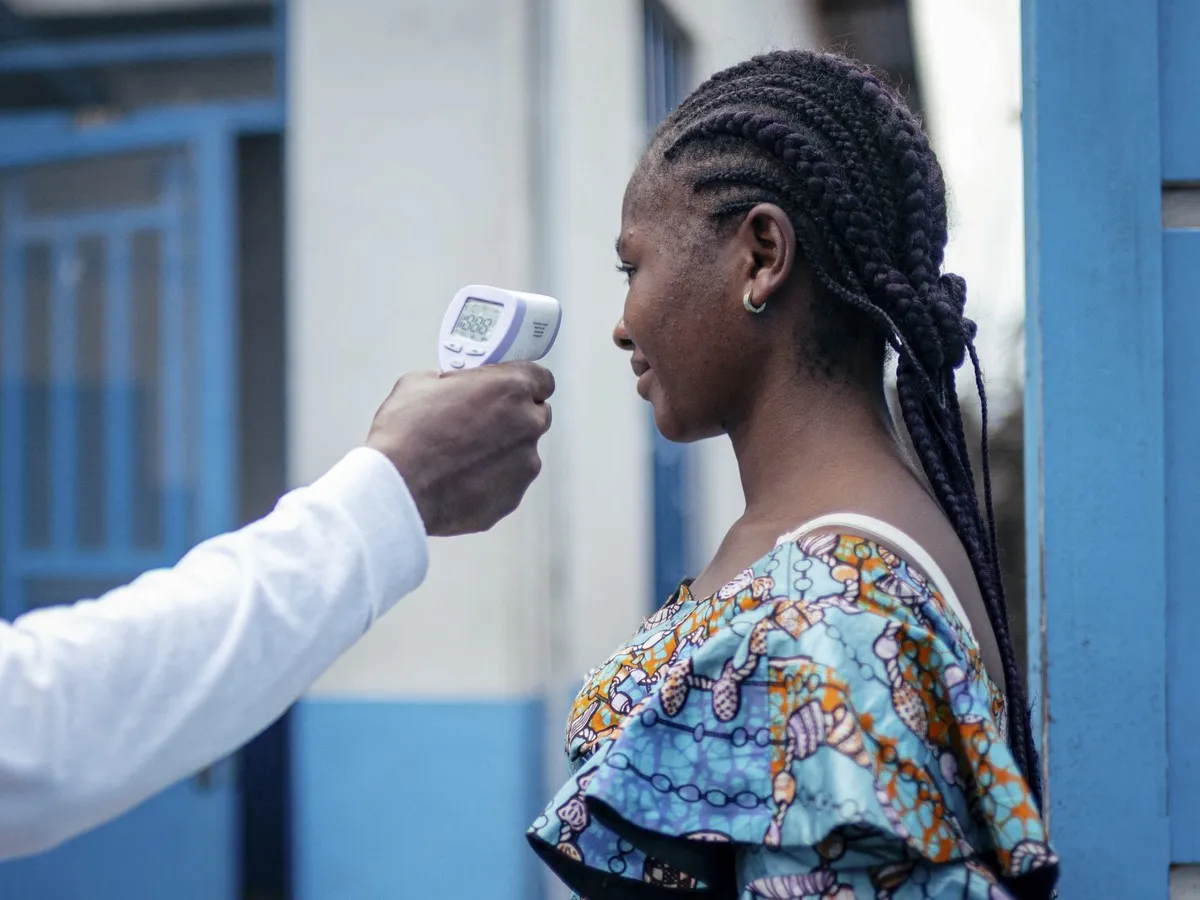
Skip to Content Subscribe Our Offers My Account Manage My Subscriptions FAQ Newsletters Canada Canadian True Crime Canadian Politics Health World Israel & Middle East Financial Post NP Comment Longreads Puzzmo Diversions Comics NP News Quiz New York Times Crossword Horoscopes Life Eating & Drinking Style Sponsored Play for Ontario Travel Travel Canada Travel USA Travel International Cruises Travel Essentials Culture Books Celebrity Movies Music Theatre Television Business Essentials Advice Lives Told Tails Told Shopping Buy Canadian Home Living Outdoor Living Tech Style & Beauty Kitchen & Dining Personal Care Entertainment & Hobbies Gift Guide Travel Guide Deals Savings National Post Store More Sports Hockey Baseball Basketball Football Soccer Golf Tennis Driving Vehicle Research Reviews News Gear Guide Obituaries Place an Obituary Place an In Memoriam Classifieds Place an Ad Celebrations Working Business Ads Archives Healthing Epaper Manage Print Subscription Profile Settings My Subscriptions Saved Articles My Offers Newsletters Customer Service FAQ Newsletters Canada World Financial Post NP Comment Longreads Puzzmo Diversions Life Shopping Epaper Manage Print Subscription HomeNewsWorldOutbreak of rare Ebola virus in Africa an international health emergency, says WHODirector-General Tedros Adhanom Ghebreyesus says there is no approved vaccine or treatment for the Bundibugyo ebolavirus currently spreading Democratic Republic of Congo and Uganda, but said its not a COVID-19 level pandemicAuthor of the article:Last updated 51 minutes ago You can save this article by registering for free here. Or sign-in if you have an account.A health care worker checks a visitor's temperature before allowing her access to the hospital in Goma, Democratic Republic of Congo Saturday, the epicentre of an Ebola outbreak. Photo by JOSPIN MWISHA /AFP via Getty ImagesThe World Health Organization declared an Ebola outbreak in Democratic Republic of Congo and Uganda a public health emergency of international concern, warning that a rare virus strain with no approved vaccine or treatment may already be spreading more widely than detected.Enjoy the latest local, national and international news.Exclusive articles by Conrad Black, Barbara Kay and others. Plus, special edition NP Platformed and First Reading newsletters and virtual events.Unlimited online access to National Post.National Post ePaper, an electronic replica of the print edition to view on any device, share and comment on.Daily puzzles including the New York Times Crossword.Support local journalism.Enjoy the latest local, national and international news.Exclusive articles by Conrad Black, Barbara Kay and others. Plus, special edition NP Platformed and First Reading newsletters and virtual events.Unlimited online access to National Post.National Post ePaper, an electronic replica of the print edition to view on any device, share and comment on.Daily puzzles including the New York Times Crossword.Support local journalism.Create an account or sign in to continue with your reading experience.Access articles from across Canada with one account.Share your thoughts and join the conversation in the comments.Enjoy additional articles per month.Get email updates from your favourite authors.Create an account or sign in to continue with your reading experience.Access articles from across Canada with one accountShare your thoughts and join the conversation in the commentsEnjoy additional articles per monthGet email updates from your favourite authorsSign In or Create an AccountorThe outbreak caused by Bundibugyo ebolavirus met the threshold for its highest level of alarm under international health regulations because of cross-border transmission, unexplained clusters of deaths and major uncertainty about the scale of the epidemic, the WHO said Sunday.The declaration follows confirmation of Ebola cases in Uganda’s capital Kampala and in Kinshasa, Congo’s sprawling capital of about 20 million people, confirming the virus has spread beyond the remote mining region where the outbreak was first identified.Get a dash of perspective along with the trending news of the day in a very readable format.By signing up you consent to receive the above newsletter from Postmedia Network Inc.A welcome email is on its way. If you don't see it, please check your junk folder.The next issue of NP Posted will soon be in your inbox.We encountered an issue signing you up. Please try again“This event is considered extraordinary,” WHO Director-General Tedros Adhanom Ghebreyesus said in the declaration, citing the absence of approved Bundibugyo-specific vaccines or therapeutics, ongoing insecurity in eastern Congo and evidence suggesting the outbreak may be significantly larger than official case counts indicate. Staff members at CBCA Virunga Hospital prepare rooms intended for possible suspected Ebola cases following official announcements in Goma, on May 17, 2026. Photo by JOSPIN MWISHA /AFP via Getty ImagesAs of May 16, Congo had reported eight laboratory-confirmed cases, 336 suspected infections and 87 suspected deaths in Ituri province, according to the Africa Centres for Disease Control and Prevention. Uganda has confirmed two cases in Kampala, including one death, among travellers arriving from Congo.The outbreak may have circulated undetected for weeks before being identified. Initial testing found eight positive Ebola samples among 13 specimens collected from different areas, while additional unexplained deaths and suspected cases have been reported across Ituri and neighbouring North Kivu province.At least four health-care workers have died in circumstances consistent with viral hemorrhagic fever, raising concerns about transmission inside clinics and hospitals.The WHO declaration, known as a PHEIC, is intended to mobilize international funding, coordination and emergency response efforts. It’s the first such declaration since mpox was designated a global health emergency in 2024.The agency stopped short of declaring a “pandemic emergency,” a new category created under revised international health regulations after COVID-19. This undated colourized transmission electron micrograph file image made available by the Centers for Disease Control and Prevention (CDC) shows an Ebola virus virion. Photo by Frederick Murphy /CDC via APBundibugyo ebolavirus is one of the rarest Ebola species known to infect humans. It has caused only two previous documented outbreaks — in Uganda in 2007 and eastern Congo in 2012. Combined, those outbreaks resulted in fewer cases than the current epidemic has already generated.Most Ebola vaccines and antibody treatments were developed against the more common and deadlier Zaire strain after the devastating West African epidemic a decade ago that killed more than 11,000 people.“Ebola Zaire is the one that got all the attention, for very good reasons,” Susan McLellan, director of the biocontainment care unit at the University of Texas Medical Branch, said in an interview Friday.No country should close borders or impose travel or trade restrictions, the WHO said, arguing such measures are ineffective and risk driving movement through unmonitored crossings.Instead, the agency urged neighbouring countries to strengthen surveillance, laboratory testing and infection-control measures, while warning that eastern Congo’s insecurity, population displacement and extensive mining-related mobility could complicate containment efforts.The outbreak is centred in Ituri province near the Ugandan border, including around the gold-mining town of Mongbwalu, where workers frequently move between remote camps and regional trading hubs.The urban or semi-urban nature of some transmission hotspots heightened the risk of wider spread, the WHO said, drawing comparisons to Congo’s major Ebola epidemic in North Kivu and Ituri in 2018-19. The agency also called for urgent clinical trials of experimental vaccines and therapeutics.Health officials are considering several potential treatments, including monoclonal antibodies and Gilead Sciences Inc.’s antiviral remdesivir, though none are approved specifically for Bundibugyo infections. Vaccine candidates from groups including Oxford University and Moderna Inc. are also under review.The latest declaration comes as global health experts warn that cuts to U.S. foreign aid and disease-surveillance programs could weaken outbreak response capacity in vulnerable regions.Congo has battled more than a dozen Ebola outbreaks over the past half-century and is considered one of the world’s most experienced countries in containing the disease. But conflict, weak infrastructure and distrust of authorities have repeatedly complicated responses in the country’s east.— With assistance from Janice Kew.Our website is the place for the latest breaking news, exclusive scoops, longreads and provocative commentary. Please bookmark nationalpost.com and sign up for our newsletters here. Join the Conversation This website uses cookies to personalize your content (including ads), and allows us to analyze our traffic. Read more about cookies here. By continuing to use our site, you agree to our Terms of Use and Privacy Policy.
Outbreak of rare Ebola virus in Africa an international health emergency, says WHO
The WHO says an outbreak of a rare strain of Ebola virus in Africa, for which there is no vaccine, is now an international health emergency.
1,319 words~6 min read