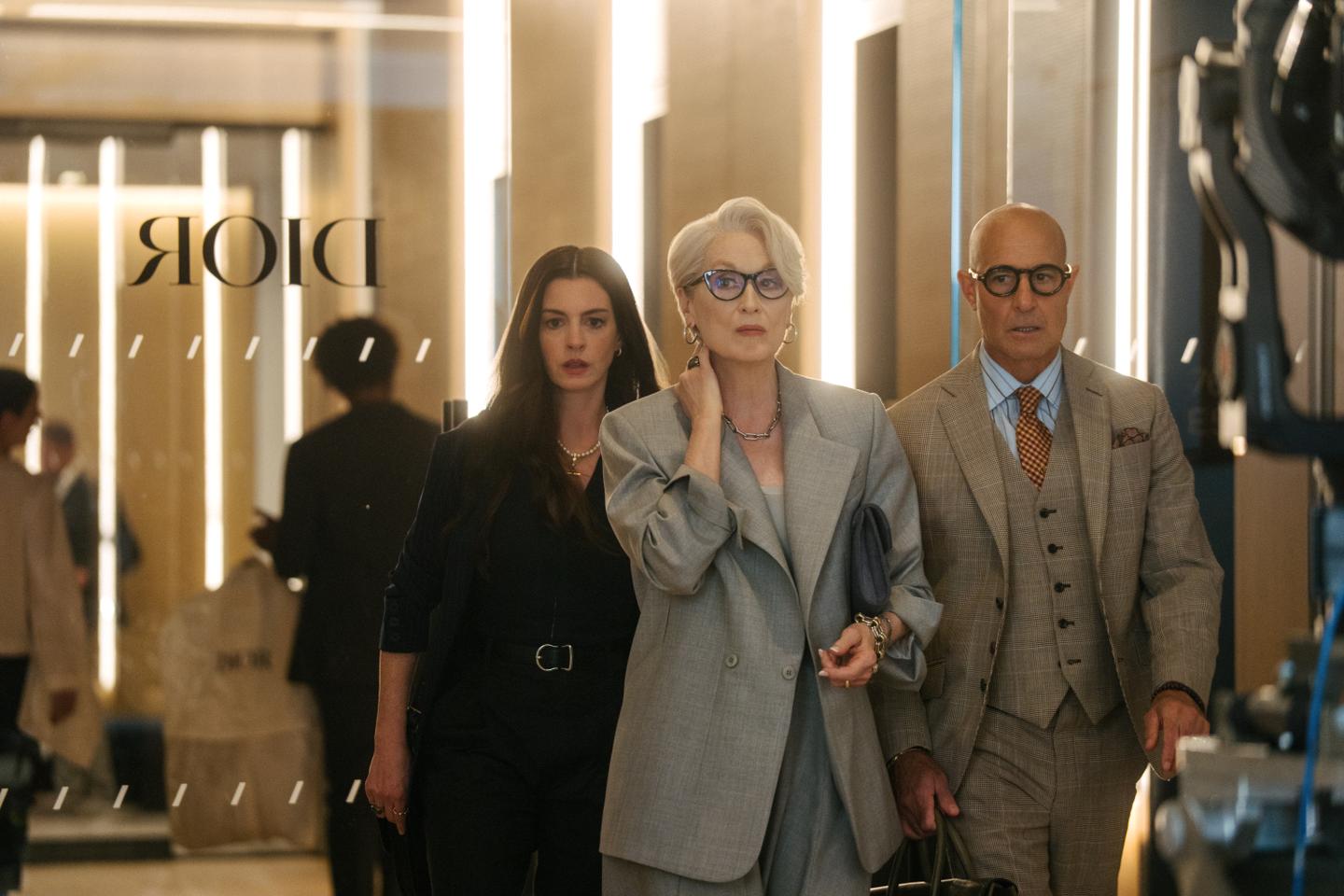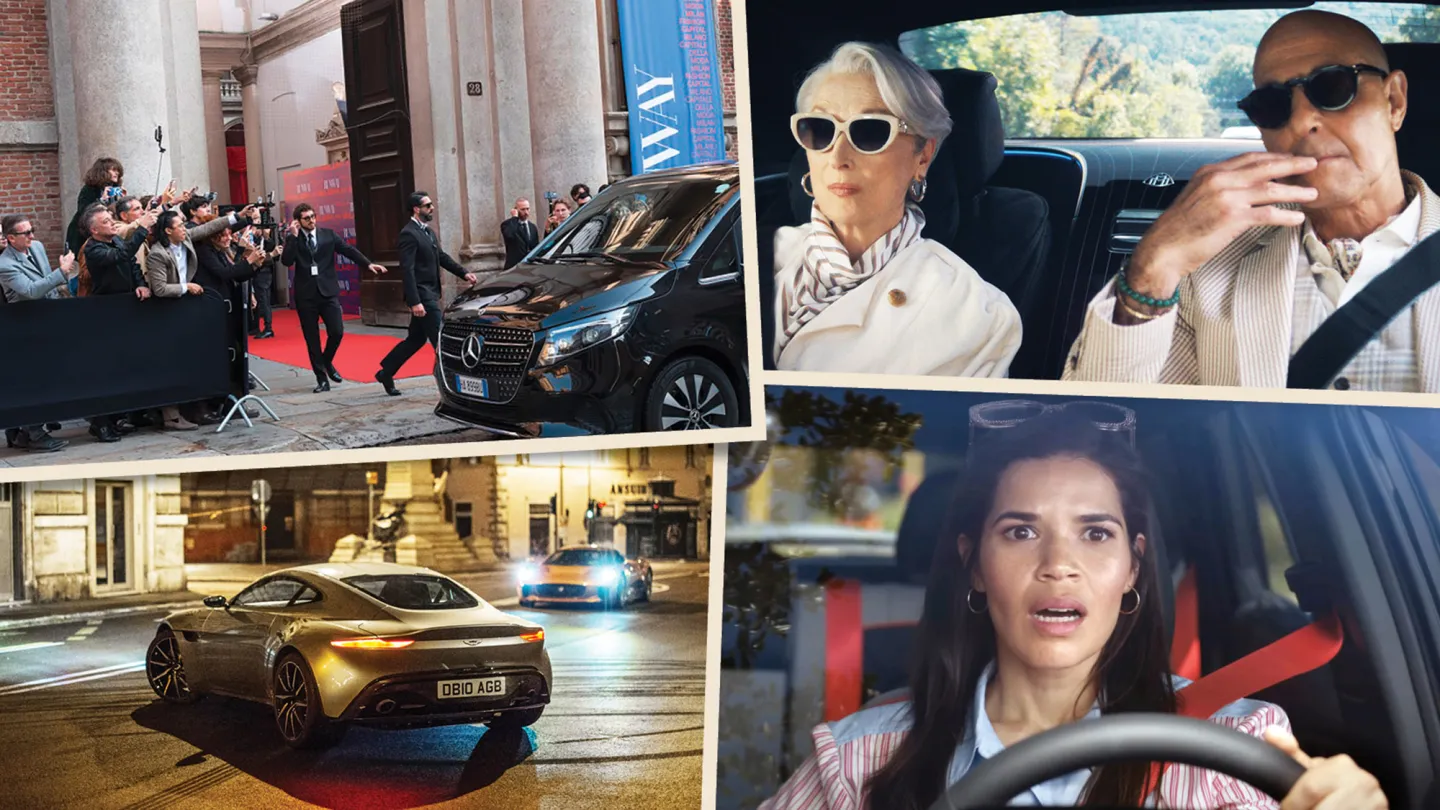
When Miranda Priestly, the fictitious Runway editrix in The Devil Wears Prada 2, needs to get somewhere — a meeting, a photo shoot, a Met Gala-like ball — she is chauffeured in a vehicle befitting her Wintourian status: a $300,000 Mercedes-Maybach S-Class. This is no coincidence. Mercedes placed the car there as part of an extensive promotional campaign it negotiated with Disney, which produced the film.
“We knew it was the perfect fit,” says Mercedes chief marketing officer Melody Lee. Not only did the original cast return, nearly guaranteeing a box office juggernaut (it’s soared above $400 million globally), the movie would be released concurrent with the launch of the latest iteration of Mercedes’ range-topping limo. Also, the film’s demographic aligned. According to Lee, the viewers of the original movie, which came out two decades ago, “have grown up and become our target customers.”
Automakers and studios maintain branded entertainment teams that stay in close touch to seek mutually beneficial opportunities. Ideally, the process begins well before production so that the product placement doesn’t feel laughably tacked on but rather organically worked in.
“Cars aren’t just background. They tell us just as much about a character as their costume and environment,” says Ty Ervin, vp marketing partnerships, creative and product placement at Disney.