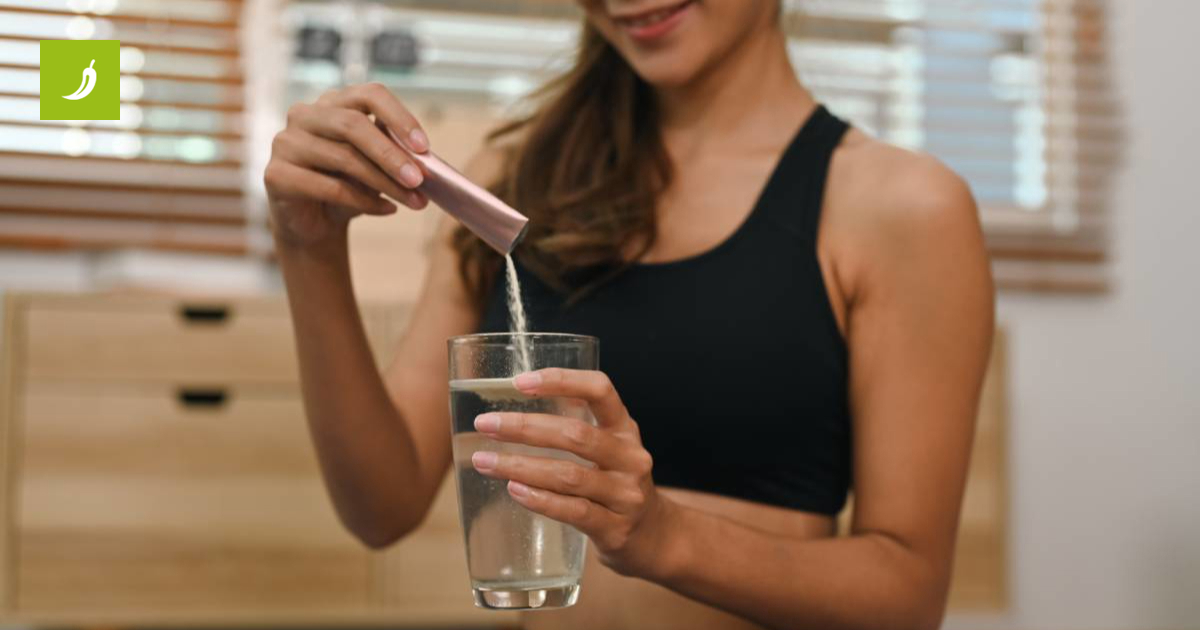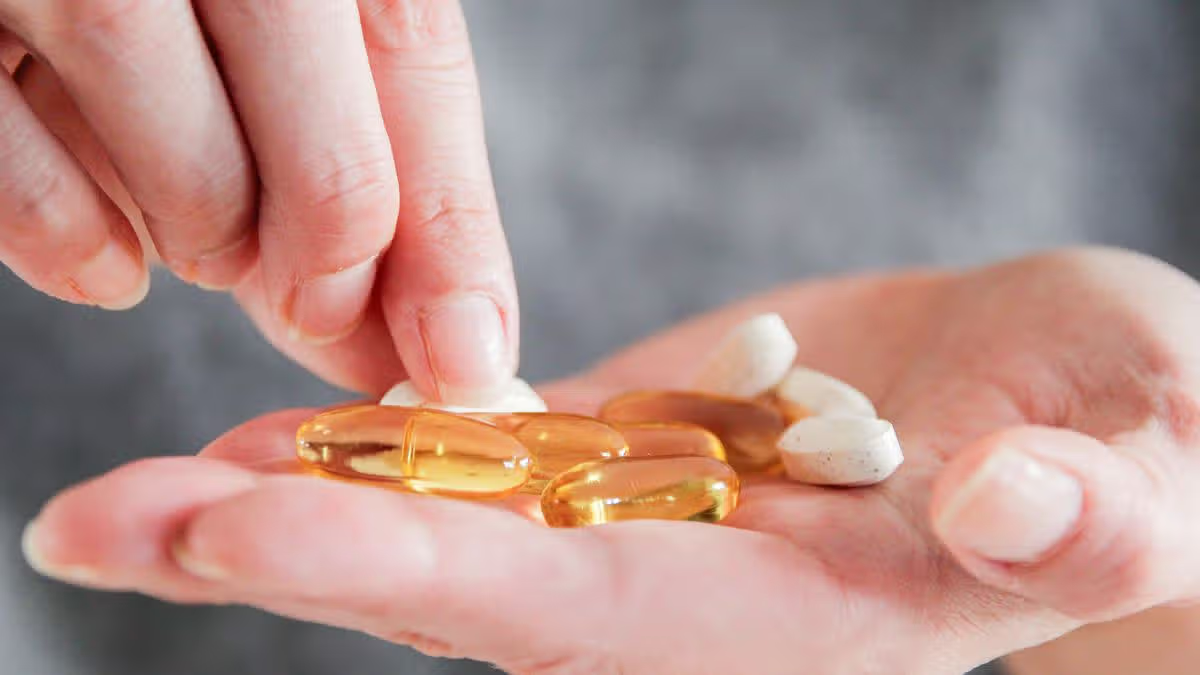
Appearing on ITV GP Amir Khan said 'the evidence does not support that'12:23, 24 May 2026Workplaces around the UK have been alive with the talk of a supplement which supposedly gives people a more youthful look. According to people selling collegen it is the closest thing to a ‘fountain of youth’. As the body’s most abundant natural protein, it provides structural support to skin, joints, and bones.Because production declines by about 1% every year starting in our 20s, the wellness industry heavily promotes collagen supplements to replenish this loss. On Good Morning Britain, TV doctor Amir Khan, who is also an NHS GP, posted a video on Instagram explaining that women were being targeted with marketing campaigns encouraging them to take it.And he gave host Kate Garraway his opinion of if he lived up to the hype. He said: “Collagen essentially is a protein and our body makes it ourselves. 30% of our protein is collagen. The issue is as we get older, our collagen production slows down. So, we have less collagen in our systems. And we need collagen for our skin, for our hair, bones, ligaments, all of that. So, it’s like the scaffolding.“But what’s happening is big marketing PR campaigns are selling people, mainly women, the collagen as something that helps with anti-ageing, wrinkles, all of that kind of thing, but the evidence does not support that. So, when you take a collagen supplement, your body will break it down. Your gut will break it down into its component parts, which are amino acids."They’re the building blocks for any protein. What doesn’t happen is your body doesn’t build back that collagen to your skin or your hair. It will take those amino acids and do whatever it feels like your body needs most. So, it could be a hormone, it could be an enzyme, it could be anything.”Dr Khan said it was being sold that ‘your skin will look better, your hair and your nails will be better.’ He highlighted a study from 2025 looking at 23 different randomised controlled trials. He said, “Initially, that data showed that there could actually be an improvement in your skin in terms of hydration and elasticity. But once they pulled out the studies that were funded by the collagen industry, there was no benefit to your skin, your hair, and your nails.”In terms of actual evidence, he said it might improve your health with joint pain and function. “If you have arthritis, not for people with healthy joints, but if you have arthritis. The issue is that people are taking this instead of eating food that contains protein and collagen. I’ll take this supplement and I’ll be fine. But they’re missing out on whole food, which has loads of other nutrients.”Content cannot be displayed without consentIn terms of foods which contain collagen, he said: “We’re talking about chicken skin, bone broth is really good, gelatin, I’m vegetarian as well, so you can get it from lentils, beans, and then add in some vitamin C with fruit and veg and then zinc and copper nuts and seeds.”Dr Khan’s rundown of evidence:For skin: some studies suggest collagen supplements may improve skin hydration and elasticity, and possibly reduce wrinkles slightly. But… many studies are small, short-term, and some are funded by the supplement industry. So the benefits appear modest rather than dramatic.For joints: there’s some evidence collagen may help reduce joint pain, particularly in osteoarthritis or people doing lots of exercise. Again — effects tend to be small.For hair and nails: evidence is much weaker. Claims are everywhere online, but high-quality studies are limited.And here’s the important bit: when you swallow collagen, your body breaks it down into amino acids. It doesn’t automatically go straight to your face and fill wrinkles in.He added: “Collagen supplements are not miracle products. They may offer small benefits for skin hydration and joint symptoms in some people, but expectations should be realistic. If you want to support collagen naturally: stop smoking, wear sunscreen, eat enough protein, vitamin C, and get good sleep — because all of those affect collagen production too.Content cannot be displayed without consent“Would I spend hundreds a year on collagen? Probably not. But if you’ve tried it and feel better, the evidence suggests there might be a modest effect, so you carry on it won’t cause you harm but can be expensive. Collagen peptides may offer modest benefits for skin and joints in some people. But they’re not essential, and lifestyle factors — enough protein, vitamin C, sleep, not smoking, and sun protection — probably matter more.“If you’re expecting collagen peptides to erase wrinkles or transform your appearance… the science simply doesn’t support that.”His followers were interested by his post. One said,”Thank you for educating us with the truth about collagen supplements. I do work hard to maintain a healthy balanced diet and have started to eat more nuts and berries etc. I do take collagen and can confirm that the joint pain in my right shoulder has pretty much disappeared, and pain in my wrist, so I agree it can help with joints. I haven’t seen much improvement with my hair, though, so again, I agree that eating certain foods is the best way.”Article continues belowAnother added: “I think the other point to make is that taking a collagen supplement will get broken down in the gut into useable amino acids just like every other protein. The body will decide what area of the body needs it most. There’s no sat nav directing the collagen supplement directly to your wrinkles!”
TV doctor gives collagen 'truth' warning as millions take supplement
Appearing on ITV GP Amir Khan said 'the evidence does not support that'
927 words~4 min read