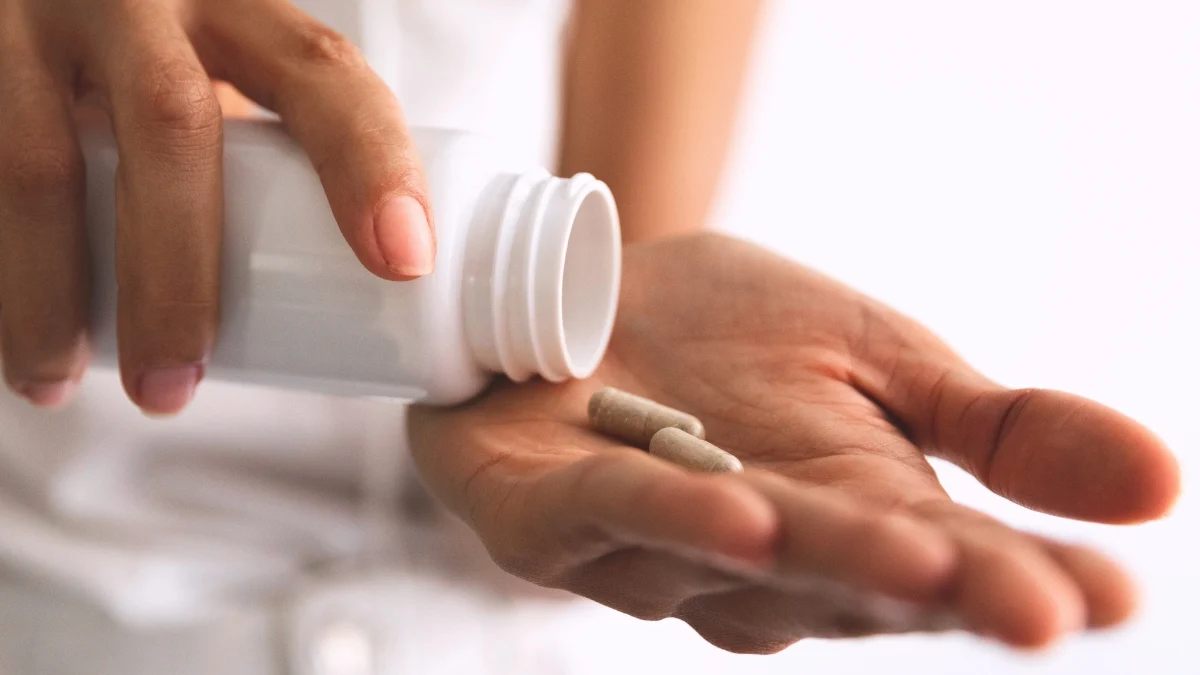
As more people look for ways to stay younger for longer, the supplement industry has moved beyond creams and cosmetic fixes to something more ambitious: products that claim to slow aging by acting on cellular processes.Among the most heavily marketed compounds are NAD+, NMN, and resveratrol, often described as supporting cellular repair, energy production, and healthy aging.But what do they actually do, where are they being used, and how strong is the evidence?To make sense of the claims, it helps to separate three things: the molecule NAD+, the compounds sold to raise it, and the products, such as supplements, creams, and serums, that contain them.Nicotinamide adenine dinucleotide, or NAD+, is a coenzyme found in all living cells. A coenzyme is a helper molecule that allows enzymes to carry out chemical reactions in the body.NAD+ plays an essential role in energy metabolism, DNA repair, inflammation, and the activity of a family of proteins involved in cellular stress responses.NAD+ levels tend to decline with age, although this decline is complex and may vary between tissues. Lower NAD+ availability has been linked to reduced mitochondrial function, meaning reduced activity in the cell structures that help produce energy.This is one of the biological changes associated with aging.Other ingredients have stronger evidence for improving visible signs of skin aging. (Figure8Photos/Getty Images)NAD+ has begun appearing in skincare creams and serums, but the evidence is even less developed here than it is for supplements.While NAD+ is important for skin-cell energy and repair, it remains unclear whether topical NAD+ in ordinary creams can penetrate the skin in sufficient amounts to produce meaningful anti-aging effects.Better-established ingredients, such as sunscreen, retinoids, and niacinamide, currently have much stronger evidence for improving visible signs of skin aging.Because NAD+ itself is not thought to be absorbed efficiently when swallowed, much research has focused on NAD+ precursors.Precursors are compounds that the body can convert into another substance. In this case, they are compounds that the body can convert into NAD+.Two of the best known are nicotinamide mononucleotide (NMN) and nicotinamide riboside (NR).
These Popular Supplements Are Sold With Anti-Aging Claims. Here's What Science Says.
As more people look for ways to stay younger for longer, the supplement industry has moved beyond creams and cosmetic fixes to something more ambitious: products that claim to slow aging by acting on cellular processes.
956 words~4 min read