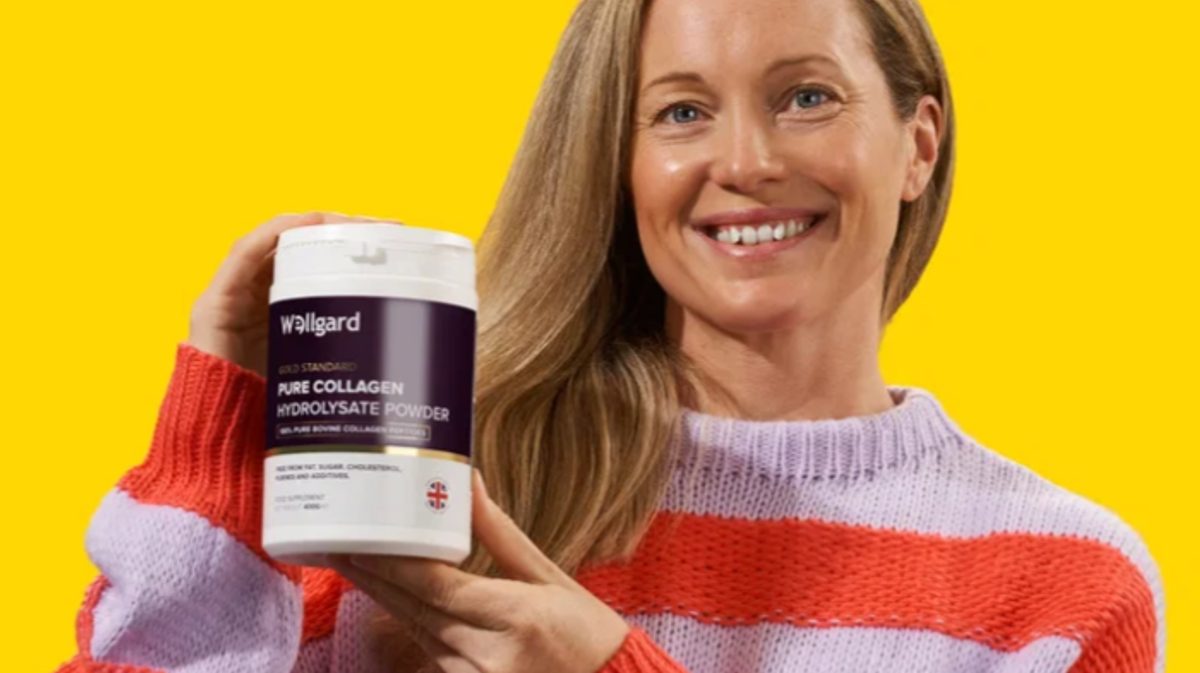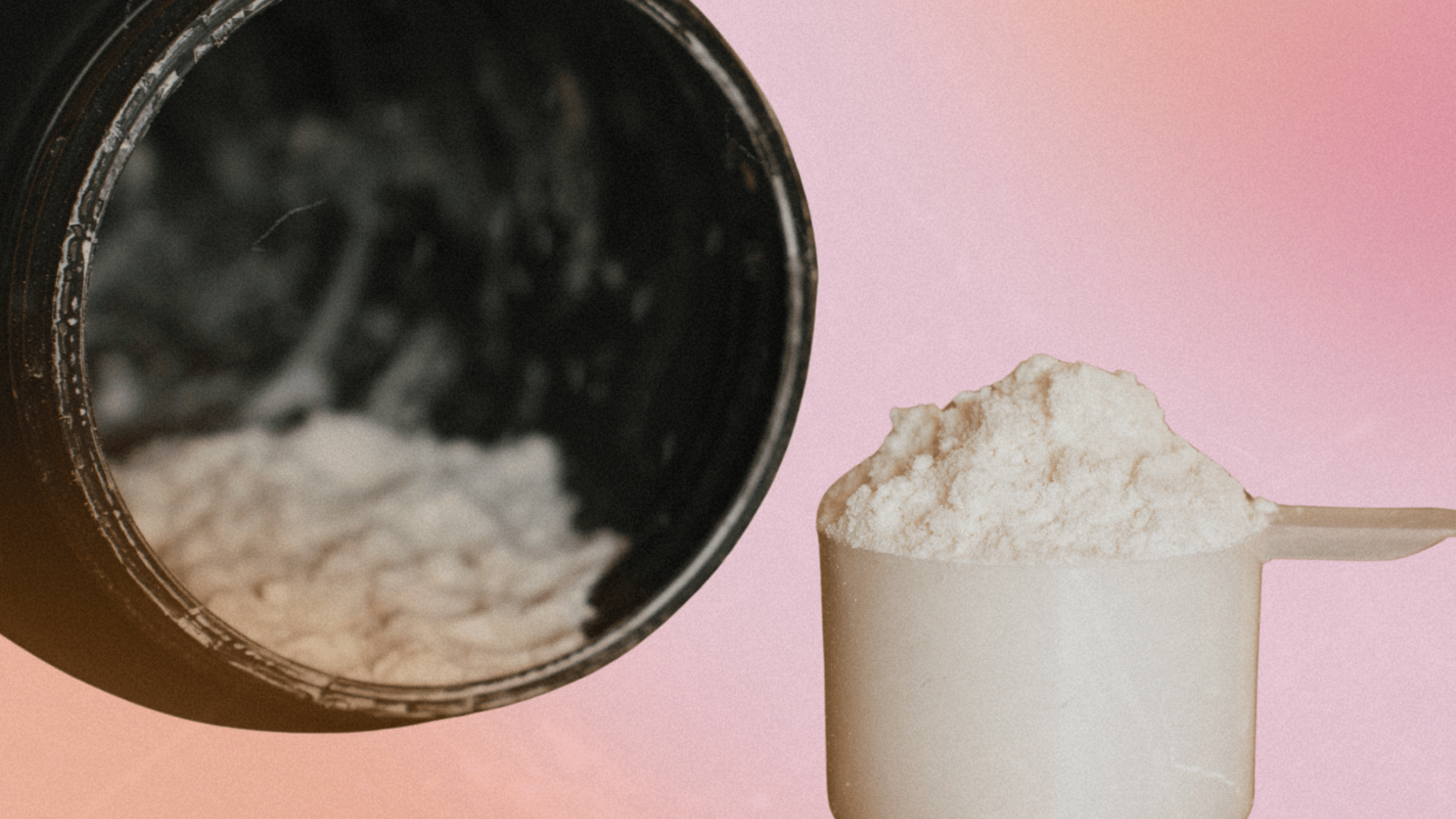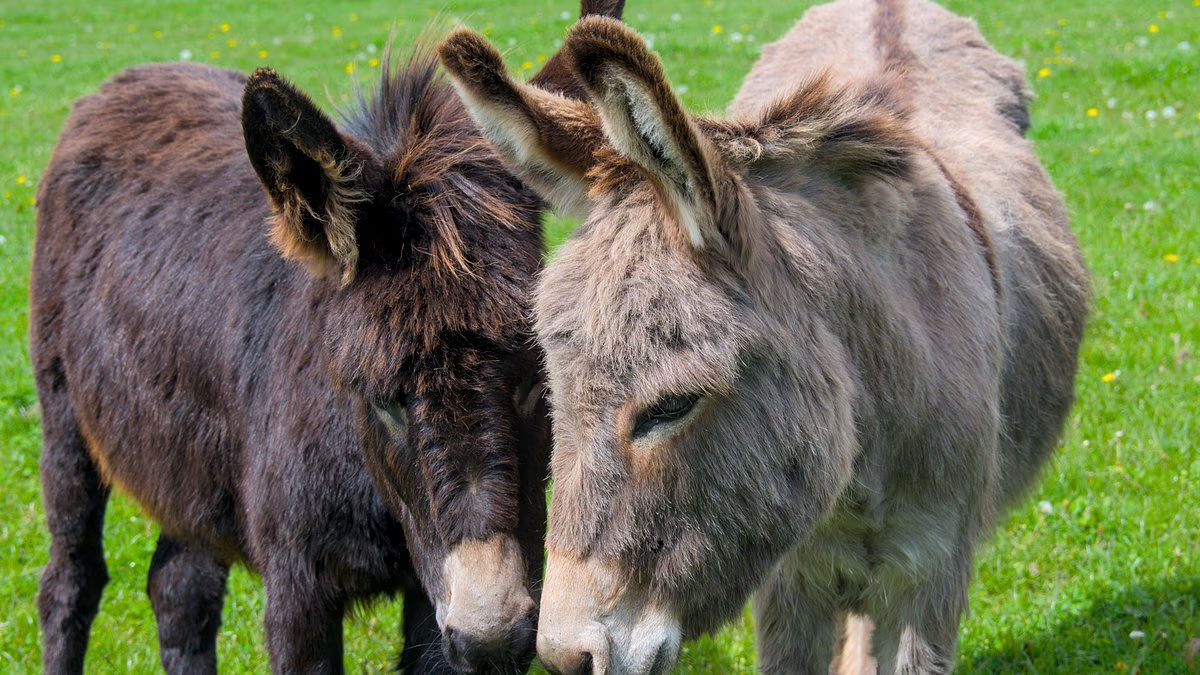
Britons spend an estimated £3.5 billion a year on dietary supplements with millions more splashed out on beauty products - promising everything from glowing skin to better health and a longer life.Collagen powders, krill oil capsules, bee venom serums and other 'natural' remedies have become staples of the booming wellness industry, fuelled by influencers, celebrity endorsements and bold health claims.But while consumers scrutinise calorie counts and ingredient lists, few stop to ask where those ingredients actually come from.A Daily Mail probe has found that behind some of the industry's fastest-growing products lie complex global supply chains stretching from the Antarctic to the Amazon rainforest and across Africa.Several ingredients have been criticised by conservationists and animal welfare groups over the impact their production has on vulnerable species and ecosystems.These include remedies made from the skin of butchered donkeys to high street collagen powders to trendy krill oil, bee venom and shark-derived cosmetics, At the same time, experts say the scientific evidence behind some of the health and beauty claims is far weaker than the marketing suggests, with many products offering little proven advantage over cheaper or more conventional alternatives.We investigate some of the wellness industry's most controversial ingredients - and whether the science behind the claims lives up to the marketing. Ejiao is made from donkey skin and is available to buy on Amazon - despite the UKFSA Donkey skin productsPromoted as everything from a beauty booster to a remedy for anemia and even a longevity tonic, ejiao has become one of the fastest-growing products in the global wellness market. The dark, gelatinous substance is made by boiling donkey hides and is sold in supplements, drinks and confectionery.Ejiao is sold by third-party sellers in the UK via Amazon and other online retailers. A recent investigation carried out by Brooke Action for Working Horses and Donkeys found dozens of ejiao products in the UK on the site. Listings include £19 for 100g of ejiao snacks which claim to be 'rich in nutrition and contain many vitamins'.A 250g pack of ejiao powder was £19, while ejiao tea costs £16.58. The UK Food Standards Agency warns products containing ejiao - no matter what the source - should not be allowed into the UK and recommends strict import audits.Experts also say there is little credible evidence to support many of the health claims used to market it. Dr Anthony Booker, Reader in Ethnopharmacology, from the University of Westminster says the quality of the evidence is poor and that most claims are scientifically unsupported.'There are a limited number of high-quality clinical trials to support its use for symptoms associated with some types of anaemia compared with placebo,' he said. 'But they do not show any superiority to standard treatment.' Claims that ejiao can treat cancer, improve cardiovascular health or extend lifespan are 'especially unsupported or exaggerated', he adds.Dr Booker says consumers should treat marketing claims surrounding ejiao products 'with scepticism'.Despite the limited evidence, demand continues to soar.Brooke Action for Working Horses and Donkeys estimates that around six million donkeys are slaughtered every year to supply the trade and warns the continent's donkeys could be entirely wiped out if action is not taken. As China's donkey population has declined, manufacturers have increasingly sourced hides from Africa, where charities warn the booming trade is fuelling theft, illegal slaughter and the loss of animals that many families rely on for transport and their livelihoods.Shark products Gulper sharks' oil-rich livers can contain around 70 per cent squaleneWalk into any beauty shop and you'll find shelves lined with anti-ageing creams, serums and lipsticks containing squalane, a moisturising ingredient prized for its ability to soften skin.Many brands now use a plant-derived squalane made from olives or sugar cane. But conservationists warn that shark-derived squalene is still used in some products, with deep-sea species paying the price.Among the most heavily targeted are gulper sharks, whose oil-rich livers can contain around 70 per cent squalene. Growing slowly, living for decades and producing just a handful of pups during their lifetime, they are exceptionally vulnerable to overfishing.The consequences have been severe. In some regions, gulper shark populations have fallen by more than 80 per cent in the past two decades, leading to their protection under the Convention on International Trade in Endangered Species.Campaigners estimate that around one-fifth of the world's cosmetic squalene still comes from sharks. It takes about 3,000 sharks to produce a single tonne of squalene and, at the height of the trade, an estimated six million sharks were being killed each year.'For more than 20 years the cosmetic industry has driven the decline of vulnerable and endangered shark species by using shark-derived squalene,' said Graham Buckingham, Campaign Director at Bite-Back Shark & Marine Conservation. He urged consumers to choose products clearly labelled as vegan or plant-based wherever possible.Bee venom The idea of bee venom as a 'natural Botox' is a 'marketing term rather than a scientific one' says Consultant dermatologist Dr Emma WedgeworthBee venom has become one of the wellness industry's most fashionable ingredients, appearing in anti-ageing creams and luxury serums marketed as a natural alternative to Botox.But experts say both the cosmetic claims and the welfare implications deserve closer scrutiny.Commercial venom is collected using a glass plate fitted with fine electrified wires placed at the entrance to a hive. The mild electric current encourages bees to sting the glass, leaving droplets of venom that are later collected. Unlike a normal sting, the bees survive because their stingers are not torn from their bodies.Professor Norman Carrick from the University of Sussex, said occasional venom collection appears to cause little harm to colonies, but there is far less evidence about the impact of industrial-scale production. 'If you produce a small amount, there's no harm,' he explains. He adds that frequent venom collection can reduce honey production by disrupting normal foraging behaviour explaining that 'if you do things on an industrial scale, there is a potential to harm.'The health claims are also disputed. Consultant dermatologist Dr Emma Wedgeworth said there is a 'real paucity' of high-quality clinical evidence supporting bee venom skincare products. She describes the idea of bee venom as a 'natural Botox' as 'really a marketing term rather than a scientific one', adding that topical creams cannot replicate the targeted effects of injectable botulinum toxin.Krill In the UK and Europe, companies are prohibited from claiming krill oil can treat or cure illnessesKrill oil has been marketed as a premium alternative to fish oil, with manufacturers claiming it is more easily absorbed by the body and offers superior health benefits. But nutrition experts say the evidence for those claims remains limited.'Krill oil contains the same omega-3 fatty acids found in fish oils,' said registered dietitian Duane Mellor, who works for University Hospitals of Leicester NHS Trust. 'It may be more stable because it contains antioxidants, but those mainly help stop the oil from degrading rather than providing a direct health benefit.'While some studies suggest omega-3s from krill may be absorbed more efficiently than conventional fish oils, Mellor said there is little evidence this translates into greater health benefits.Claims that krill oil supports heart, brain and joint health are also not unique. 'There is little evidence that taking krill oil offers additional benefits over eating oily fish such as sardines or pilchards once or twice a week,' he says. In the UK and Europe, companies are also prohibited from claiming krill oil can treat or cure illnesses.The Commission for the Conservation of Antarctic Marine Living Resources insists their practices do not disrupt the marine ecosystem. But conservationists fear fishing is concentrated in areas crucial to whales, seals, penguins and many fish species that depend on krill as a food source. Rodolfo Werner, of the Antarctic and Southern Ocean Coalition, said: 'When you're fishing for krill, what you're doing will affect the whole ecosystem, because every species in Antarctica feeds on krill or on another species that feeds on krill.'Collagen Bovine collagen has been linked to at least 2,600sq km of forest loss and violence against indigenous peoples in BrazilCollagen supplements have become one of the wellness industry's biggest success stories, with claims they can improve everything from wrinkles to joint health. But experts say the reality is more complex.Nutritional biochemist Jamie Christie from Just Vitamins said: 'Some people see it as a miracle ingredient, while others dismiss it entirely, but the scientific evidence is actually more nuanced than either of those positions.'Recent research suggests collagen supplements may offer modest benefits for skin health. A 2023 review of 26 randomised controlled trials involving more than 1,700 people found oral collagen supplementation was associated with improvements in skin hydration and elasticity compared with a placebo.But he warns that collagen is 'not a magic bullet'. Even when people take collagen peptides, the body still depends on nutrients including vitamin C, copper and zinc to produce and maintain healthy connective tissue.'Consumers often focus on the collagen itself without considering the nutritional building blocks that help the body utilise and maintain these structures,' he said.He adds that for people looking for alternatives, nutrients such as vitamin C, copper and zinc all play recognised roles in collagen formation and the maintenance of healthy skin and connective tissue, although they do not replace collagen peptides directly.There are also concerns about the impact the craze is having on the Amazon rainforest. Collagen can be extracted from fish, pig and cattle skin, but the wildly popular 'bovine' variety is responsible for at least 2,600sq km of forest loss and violence against indigenous peoples in Brazil, according to a probe by The Bureau of Investigative Journalism. It found that tens of thousands of cattle, which were being raised on farms that were damaging tropical forests, were processed at abattoirs connected to the international collagen supply chain.
Is your collagen killing the planet? Dark side of the wellness boom
Britons spend an estimated £3.5 billion a year on dietary supplements with millions more splashed out on beauty products.
1,622 words~7 min read