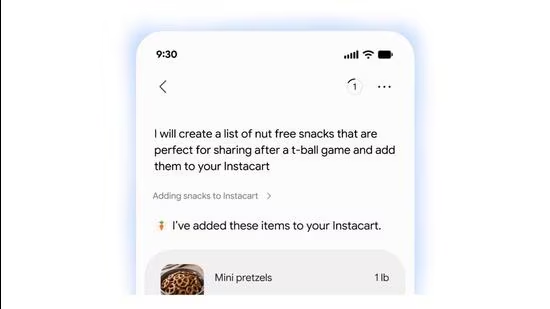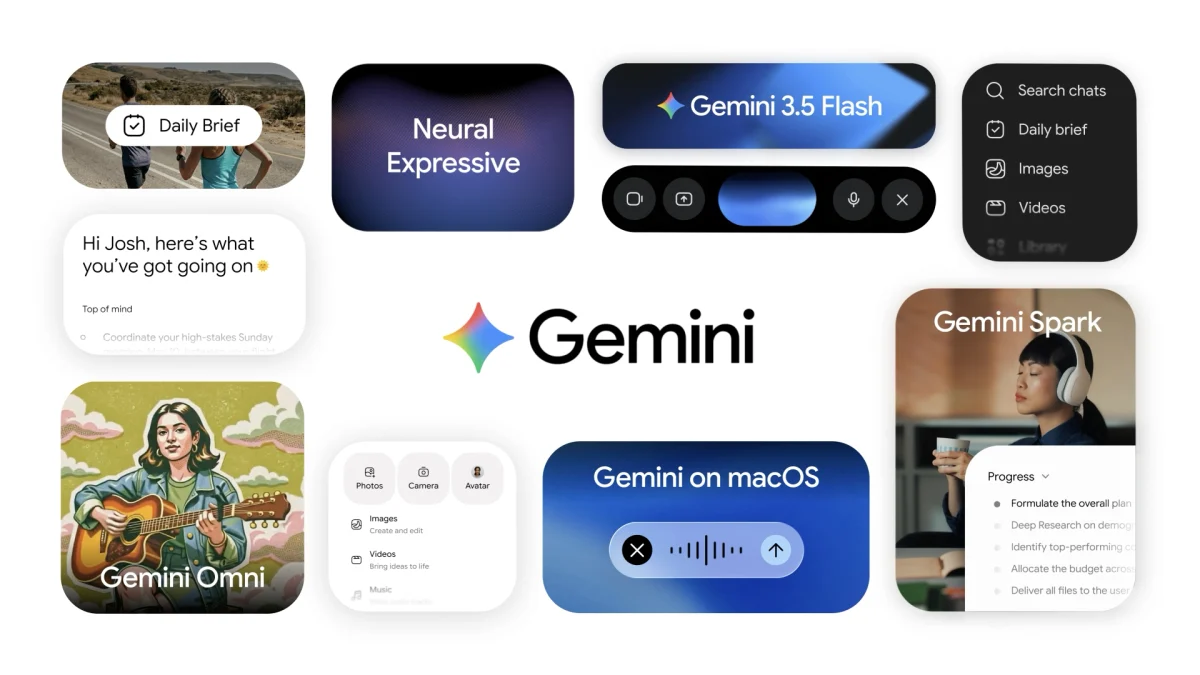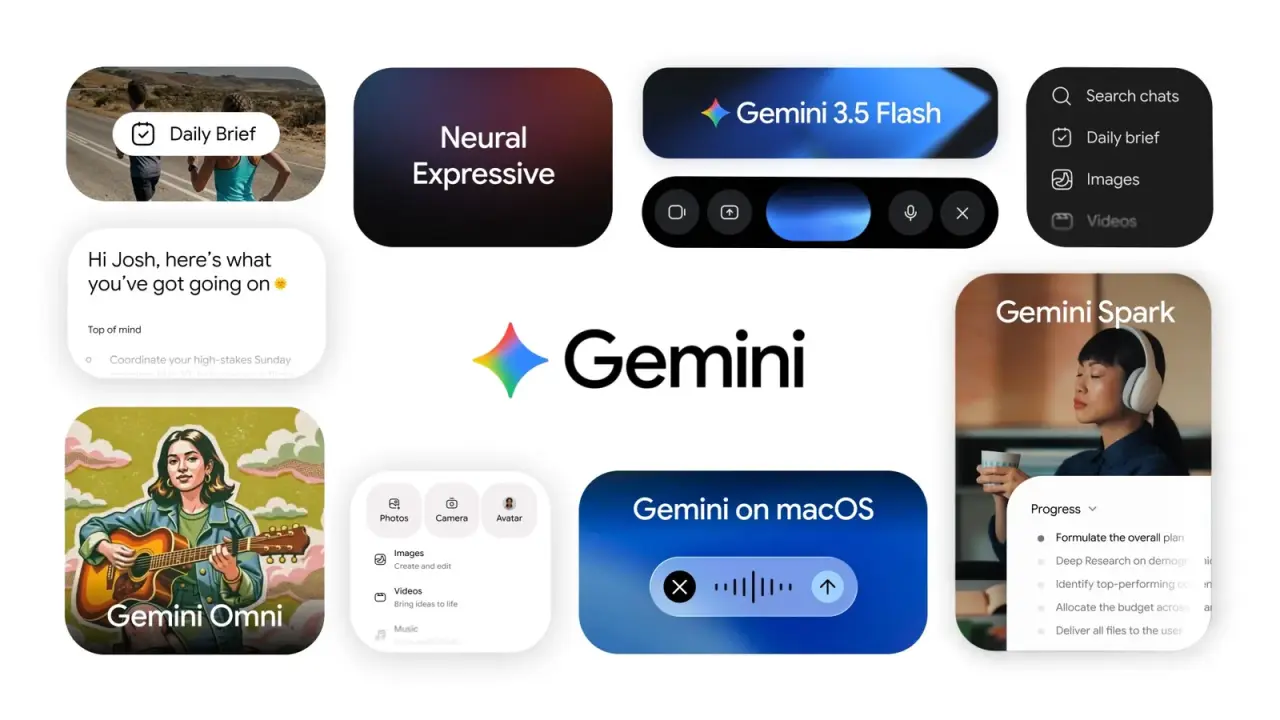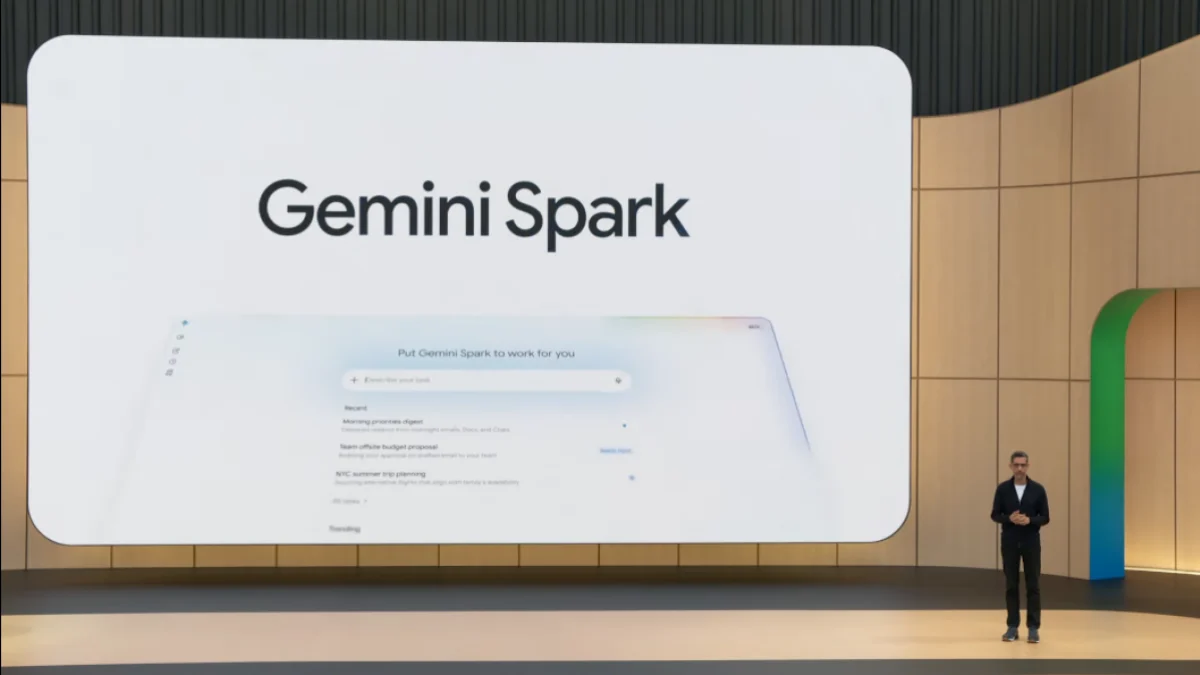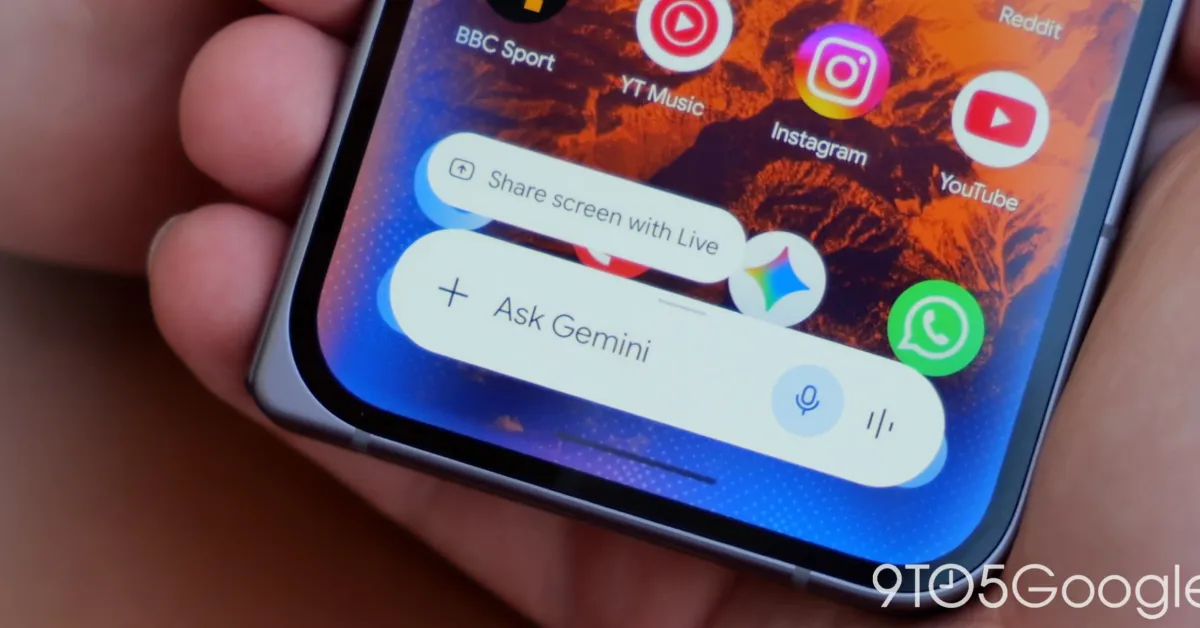
When Sundar Pichai dropped the words "agentic Gemini era" at Google I/O 2026, everyone naturally fixated on the shiny consumer updates. We all stared at Gemini Spark booking dinner reservations in the background, completely ignoring the absolute unit of a developer update standing right next to it.
Look, having a background AI handle your OpenTable reservations is cool, but if you’re a developer, the real sauce wasn't a consumer product. It was a communication standard.
I'm talking about the Agent2Agent (A2A) Protocol. Let's break down why A2A is the actual MVP of this year's I/O, and why you should care before your multi-agent codebase turns into an unmaintainable nightmare.
The Problem: We Rebuilt Silos, Just Smarter Ones
To understand why A2A matters, we have to look at the current state of AI agents. Over the last couple of years, we’ve seen an explosion of agentic frameworks—LangGraph, crewAI, IBM's BeeAI, and Google’s own Agent Development Kit (ADK).