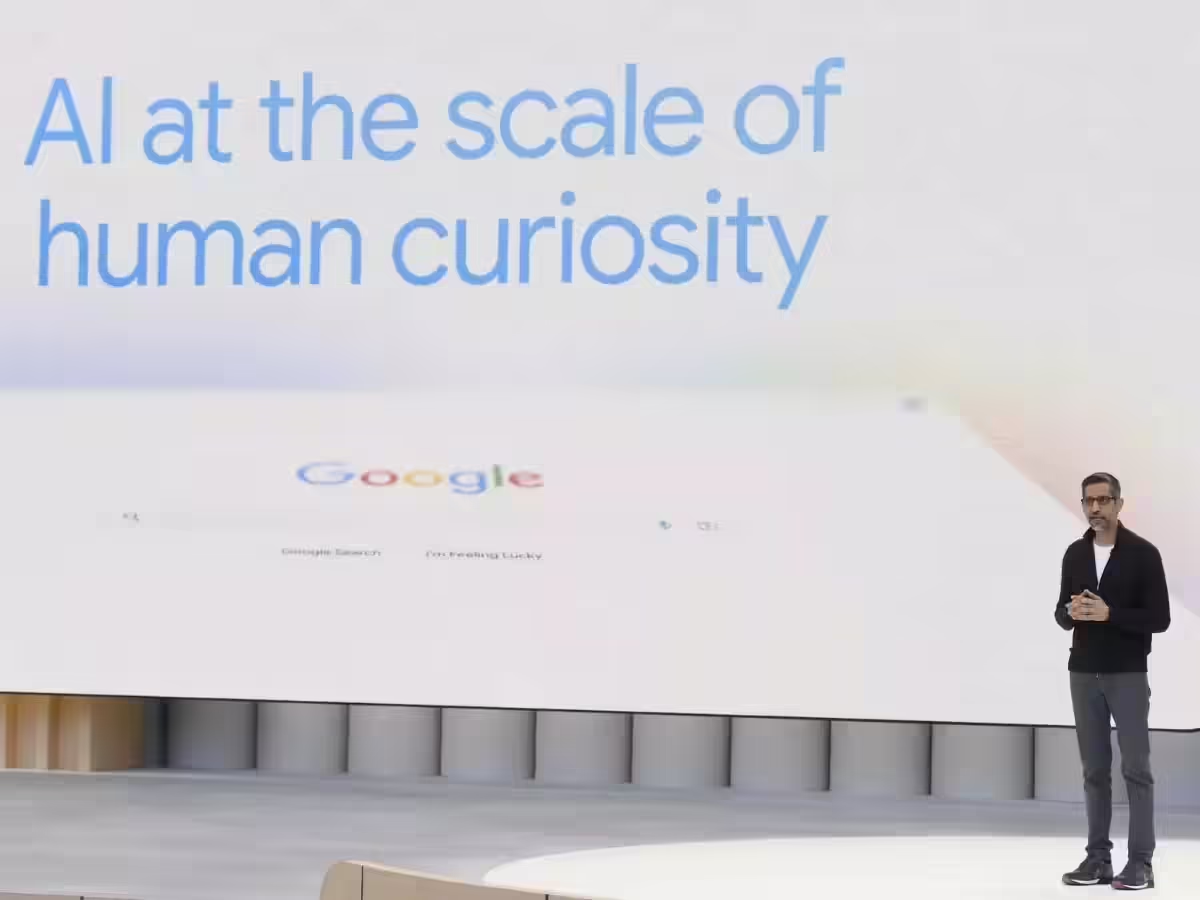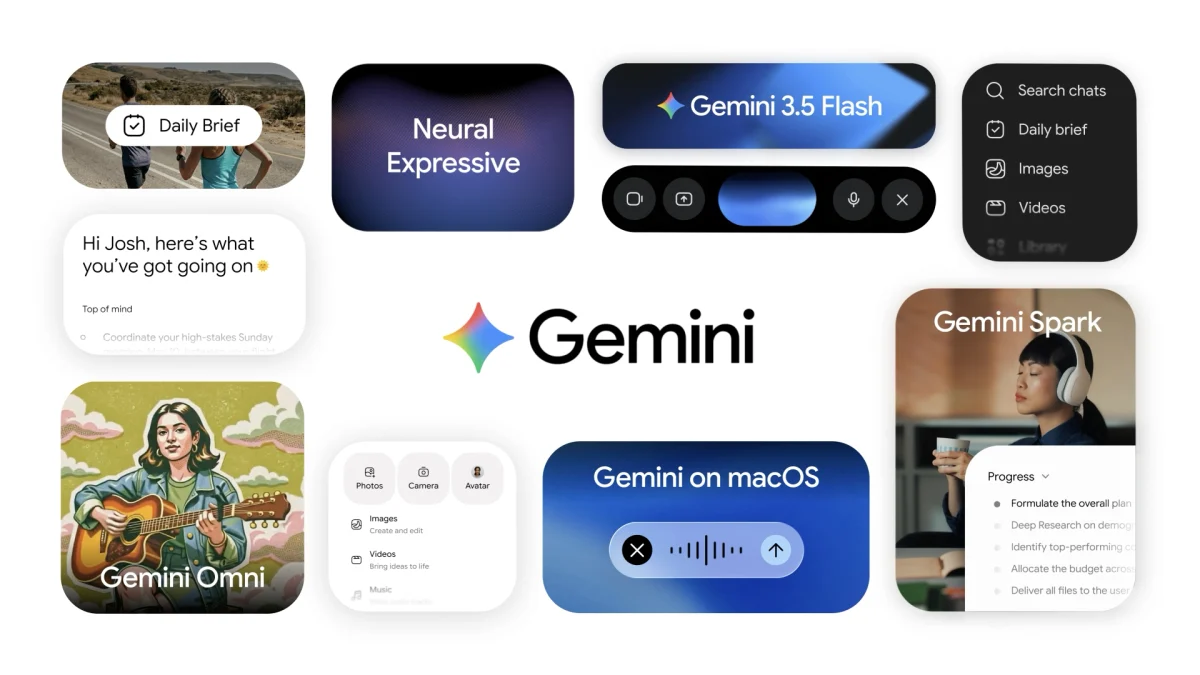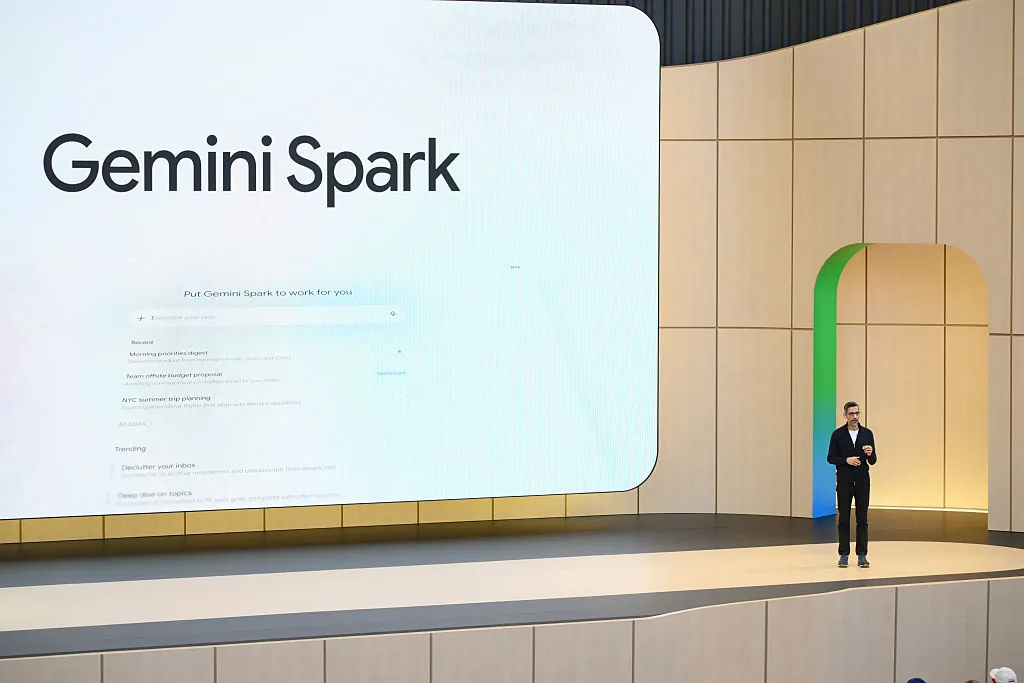
AI continues to give me mixed feelings about the future, and that’s top of mind following another Gemini-heavy Google I/O this past week. On the one hand, Google continues to show some of the most practical and useful ideas for AI, but until I can trust it, I struggle to actually get excited about it.
There are a million ideas in the AI landscape, but I think it’s safe to say that a lot of those aren’t worth your time, attention, or all of the resources that went into building it. So often when I hear about new AI products or pushes, my takeaway is basically “why would I ever use this?” There are just so many ideas out there that exist as AI for the sake of AI, or for trying to come up with shortcuts that take humanity out of the equation. Those are the products I struggle with – AI absolutely has a place in modern life, and these models are powerful, but I firmly believe it should all be built with the actual human being using it in mind.
That’s my overarching thought into why Google’s AI efforts have been the ones largely catching my eye.
Where most of the AI industry has been doubling down on profitable applications such as coding, Google is still trying to figure out where AI can be helpful to the everyday person in places beyond a simple, generic chatbot like ChatGPT. Some great examples of that can be found in Google Home and Fitbit (now Google Health) – it’s why I’m actually keen to continue seeing more from Google’s AI efforts, as opposed to the many others that I struggle to care about at all.