When Gemini was launched as Bard, a lot of people criticized it as being rushed and slow, a sign that Google couldn't compete. After a messy couple of years, Google's story finally holds together: multimodal first, deeply embedded in Workspace, and now agentic infrastructure at scale. They were figuring out where AI fits inside a 25-year-old product empire (Search, Workspace, Android, Cloud) all at the same time. Google was doing something most companies can't afford to do: take public criticism while repositioning.
That pattern is playing out again. Google is getting a lot of early criticism for changing Search and its approach to Agentic Development, but I think some of that criticism may be premature. What looks like disruption may actually be Google case-testing how search should evolve so it can stay competitive and future-proof the company. With that said, here are a few thoughts from my favorite key points from the Google I/O keynote, which I got the chance to see live.
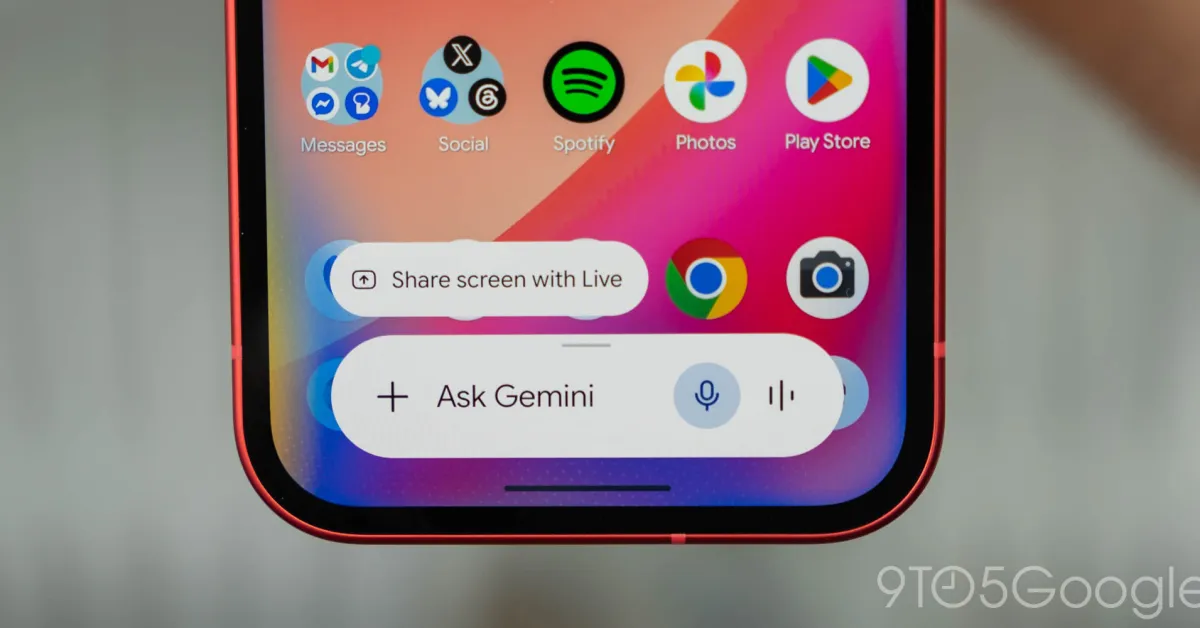
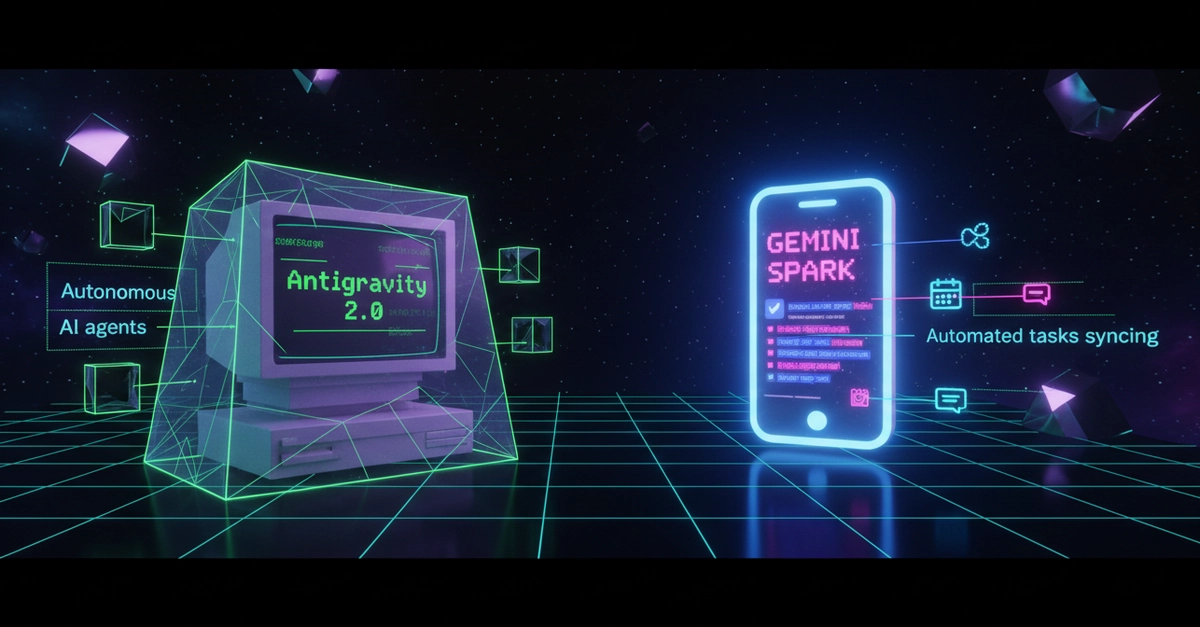
Google's AI model strategy feels increasingly accessible and flexible. Gemini for managed AI, agentic workflows, and cloud orchestration, and Gemma for openness, portability, and privacy. Google is approaching both sides of the market. It's cool to see how they're building an exclusive ecosystem while also modernizing the agentic workflow. With Gemini Sparks, an autonomous 24/7 background agent available through the AI Ultra tier, you can now have Gemini-powered agents doing tasks and automations even while offline. The release of model weights under Apache 2.0, including Gemma 4, means developers and organizations have a more open path to run AI locally or inside their own secure infrastructure when privacy, compliance, or regulatory requirements matter. And with the Agent platform (formerly Vertex AI), developers can work across multiple models and providers with the option to run AI completely outside of Google's cloud ecosystem.