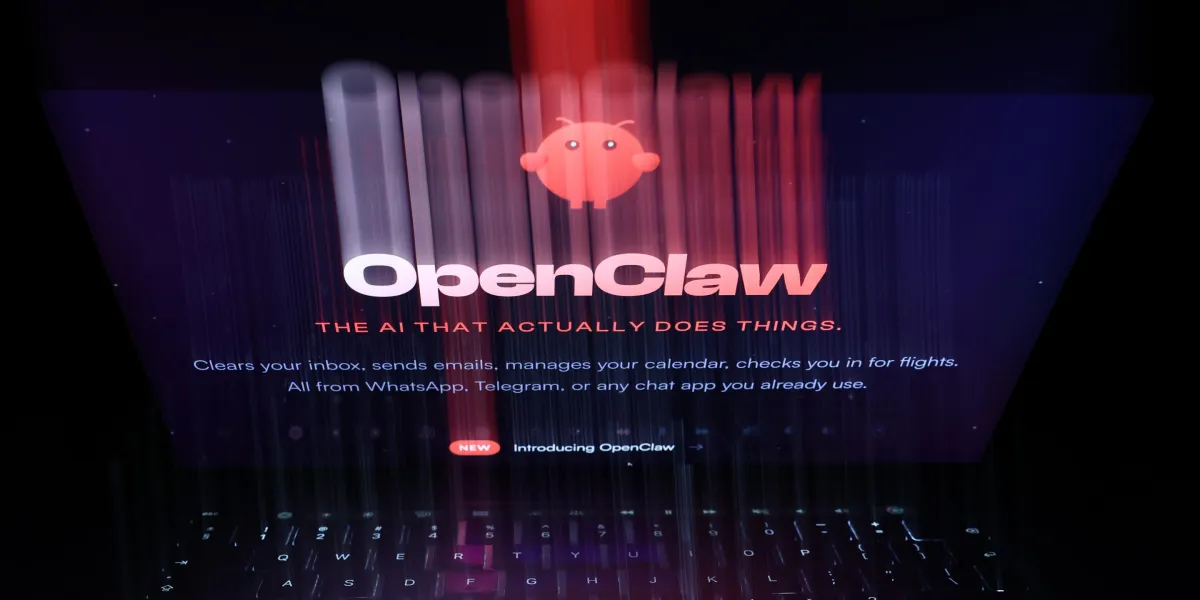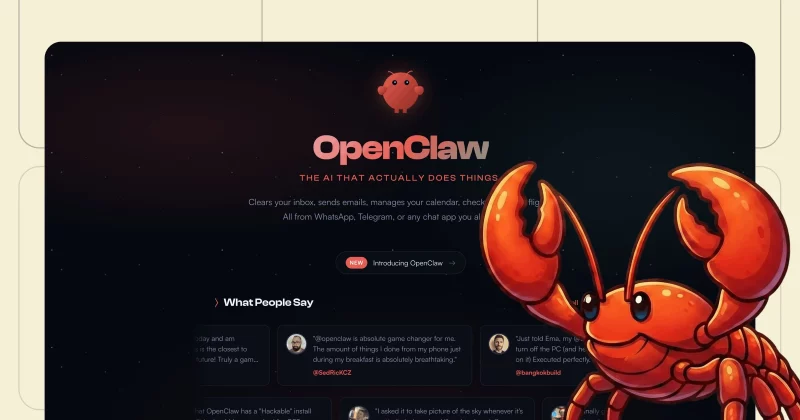
Two AI engineers behind OpenClaw, the autonomous messaging agent that has surged in popularity, are sounding the alarm on a problem they see metastasizing across the software industry. They call it “vibe slop,” and they think it could reshape which tech companies survive the next few years.
Mario Zechner and Armin Ronacher laid out their case in the Wall Street Journal, describing a world where developers increasingly lean on AI tools to generate code from casual, high-level prompts, then ship the results without much scrutiny. The output looks functional. Under the hood, it’s a mess.
What ‘vibe slop’ actually means
The term is a mashup of two concepts already circulating in tech circles. “Vibe coding” describes the practice of telling an AI what you want in plain English and letting it write the software. “AI slop” refers to the flood of low-quality, AI-generated content clogging the internet. Combine them and you get vibe slop: codebases that were fast to produce, expensive to maintain, and potentially dangerous to run.
Zechner, who created the Pi framework that OpenClaw is built on, acknowledged that AI tools are genuinely useful for mundane programming tasks. The issue isn’t the tools themselves. It’s the over-reliance on them, the idea that you can replace rigorous software design and testing with a few well-phrased prompts.