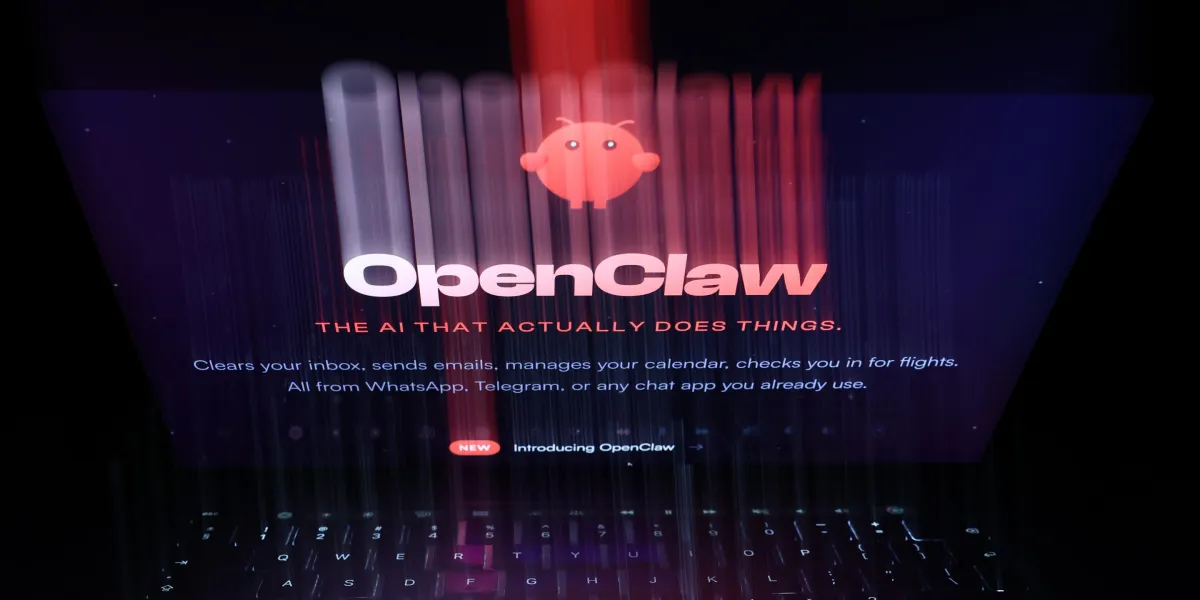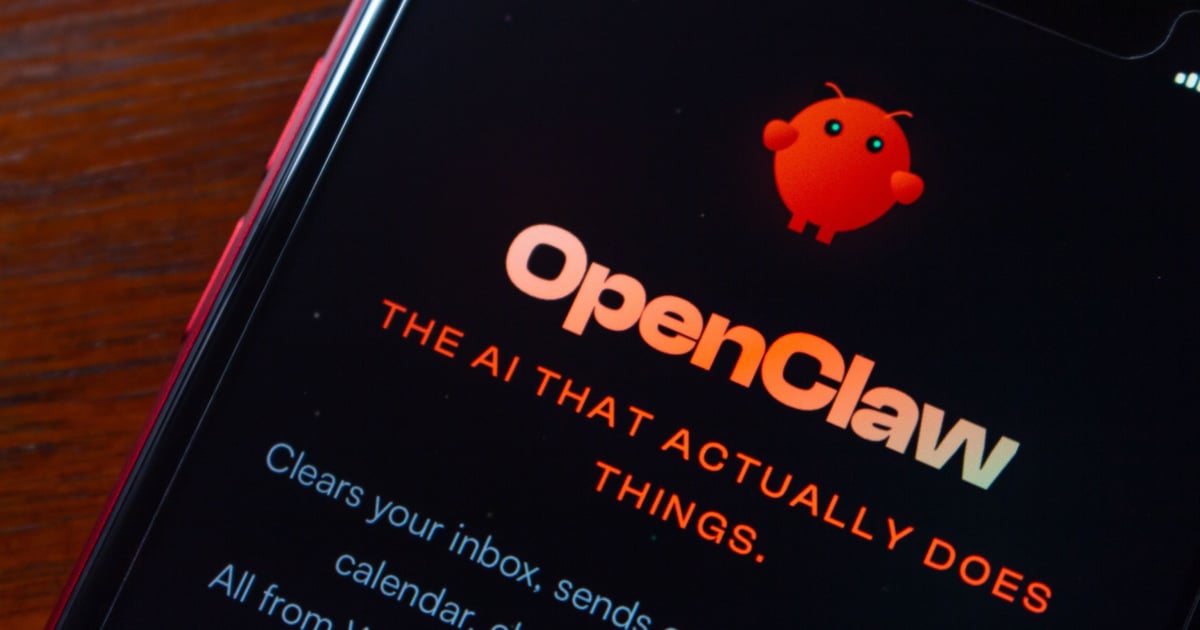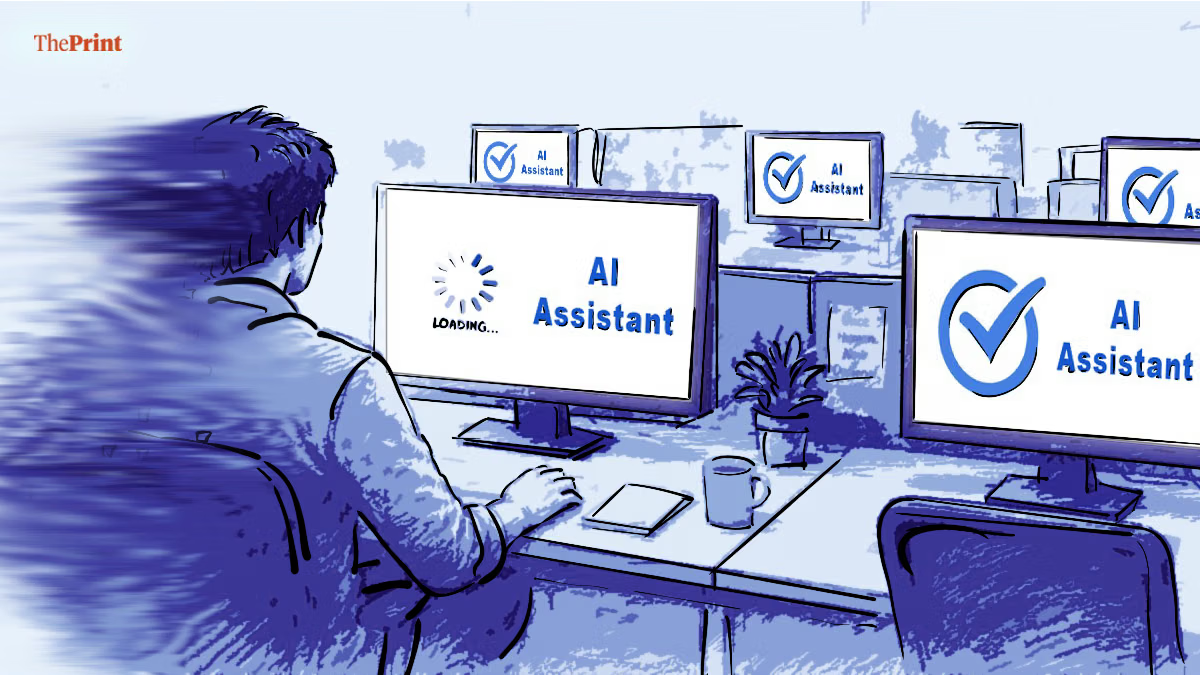
Since OpenClaw burst onto the scene as Clawdbot last November, individuals and businesses have embraced artificial intelligence agents to write code, send emails, run a shop, and more. AI agents are forecast to become ubiquitous in the coming years, raising concerns about agentic inequality, and its economic consequences for companies, countries, and people.
AI agents are built on top of large language models, and can reason and take actions to complete tasks on behalf of users. They have been touted as a way to do repetitive and mundane tasks to free up workers’ time for higher-value activities. Many agents still fail at the most basic tasks, and some perform unauthorized actions, yet big tech firms including Google, Amazon, Anthropic, and Perplexity are launching agents that can do increasingly complex tasks autonomously.
Agentic inequality can harden into systems of dominance.”Nick Srnicek, senior lecturer in digital economy at King’s College London
As AI agents become more integrated into the economy, companies and entities that deploy them will benefit disproportionately compared to those that cannot, Nick Srnicek, a senior lecturer in digital economy at King’s College London, told Rest of World.