Developers of agentic AI have been making some big claims. The promise has been of autonomous systems that can do everything, from booking our flights and keeping an eye on competitors in real time to handling entire procurement cycles , all without needing an actual human to hit “confirm.” And while the technology needed to achieve most of these marvels already largely exists, the infrastructure necessary to make it work reliably at scale still leaves much to be desired.
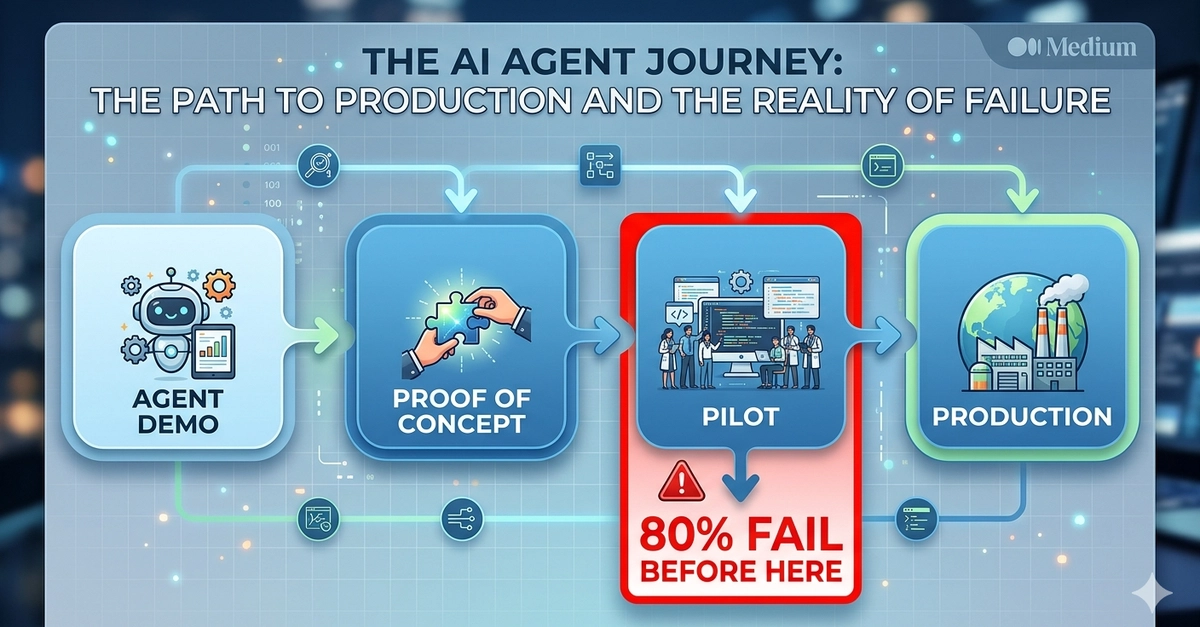
Gartner recently projected that over 40% of agentic AI projects will be canceled before the end of 2027, citing escalating costs, unclear business value, and inadequate risk controls. That’s pretty striking, especially in view of the expectation that autonomous agents would finally herald AI’s coming-of-age. And yet, this should not really surprise anyone who has seen the undeniable limitations these agents exhibit in the real world. Most people assume the underlying issue to be related to the quality of the models themselves. Although this might seem plausible, it is a little off the mark.
Why the Web Resists Agents
Consider what a capable agent actually needs. Accessing a website and getting a response is just the start , it then has to translate that response into something usable. Not only that, it has to do it consistently, in real time, and at a scale that makes the whole exercise worthwhile to begin with.