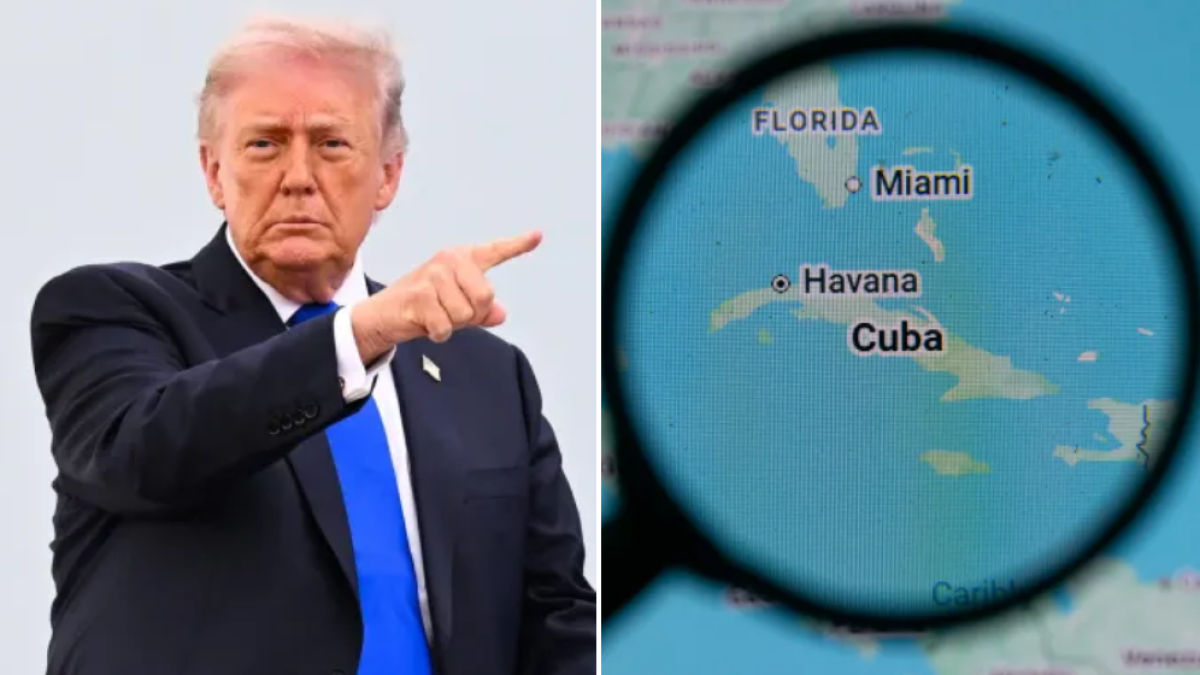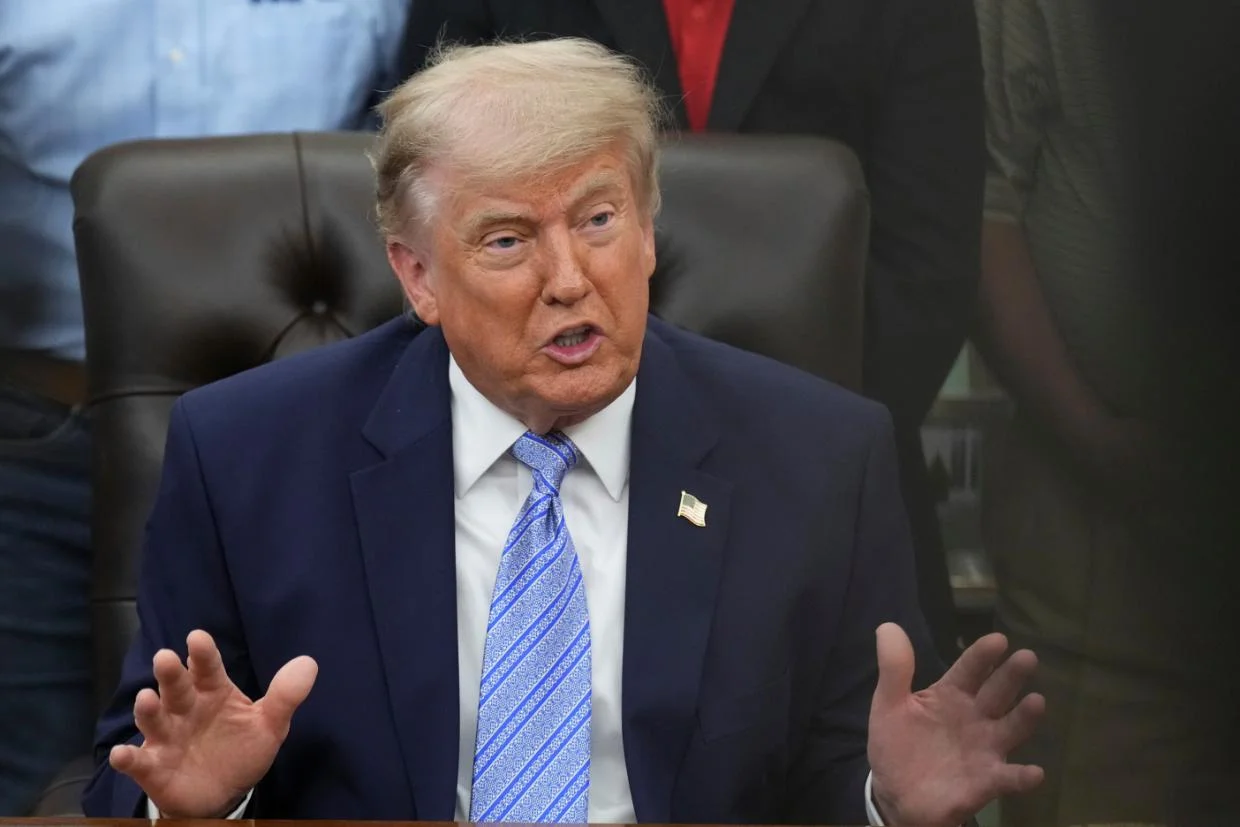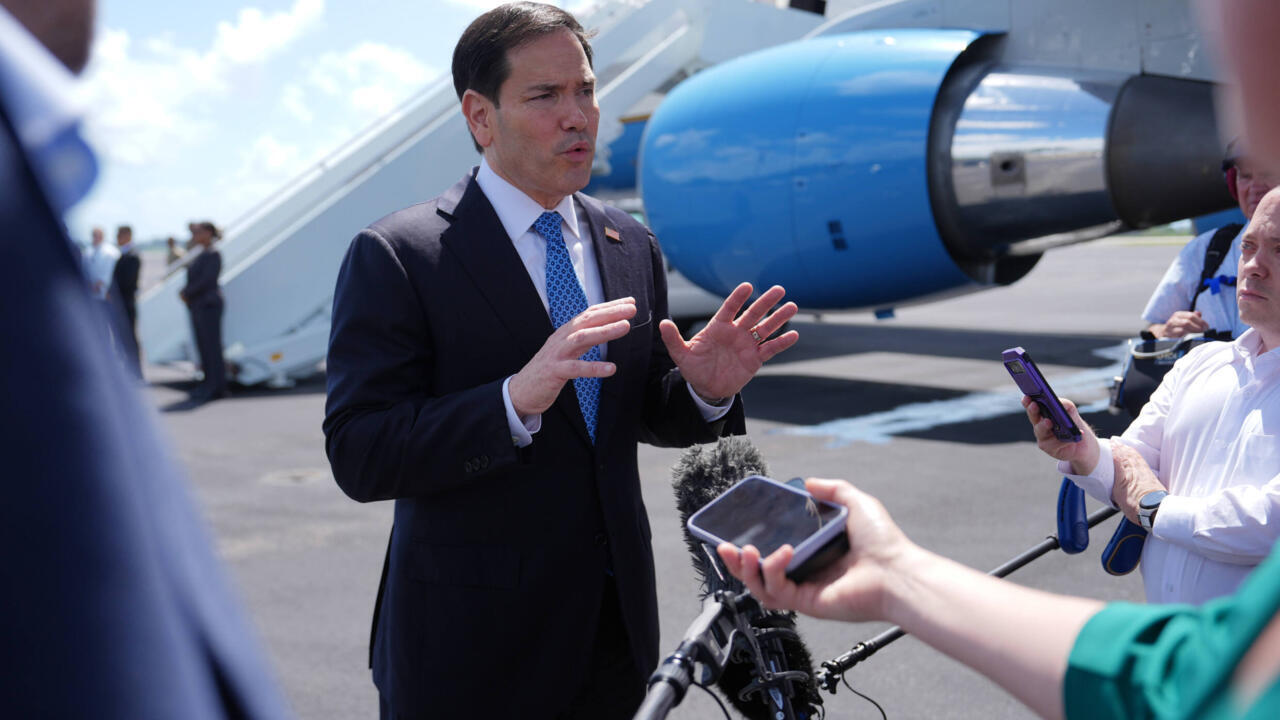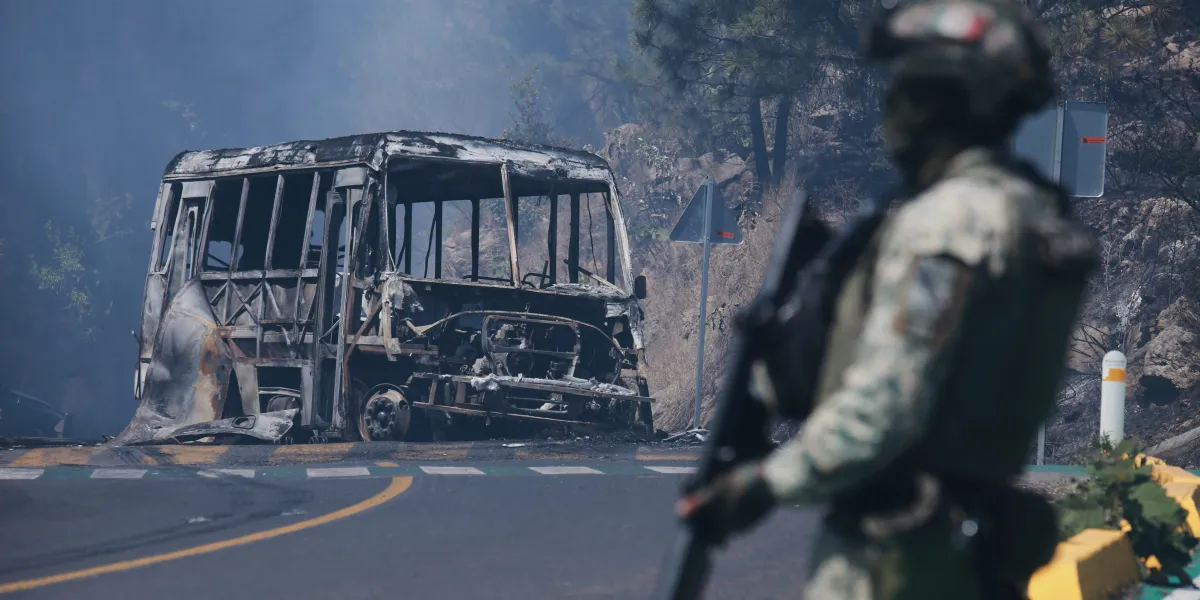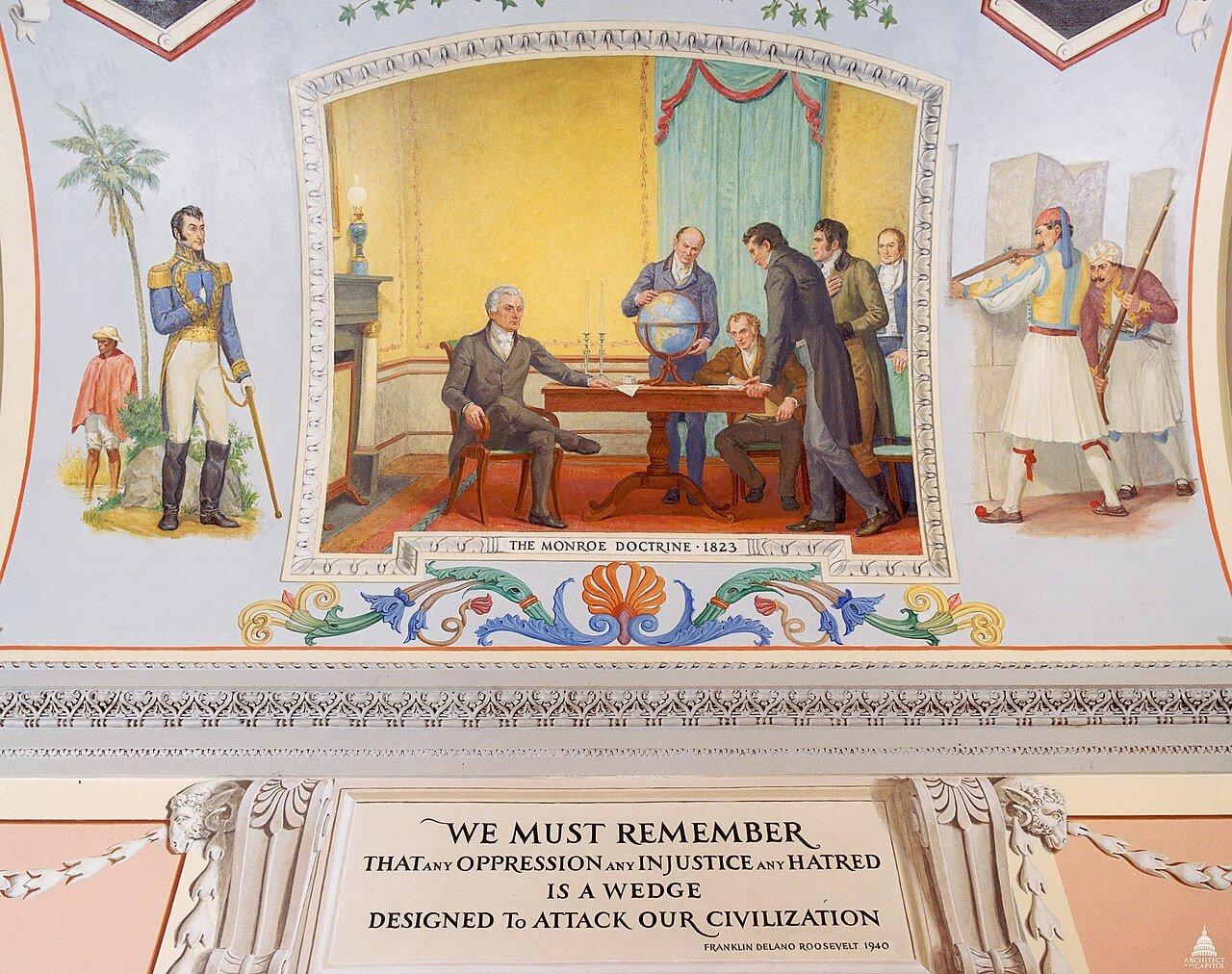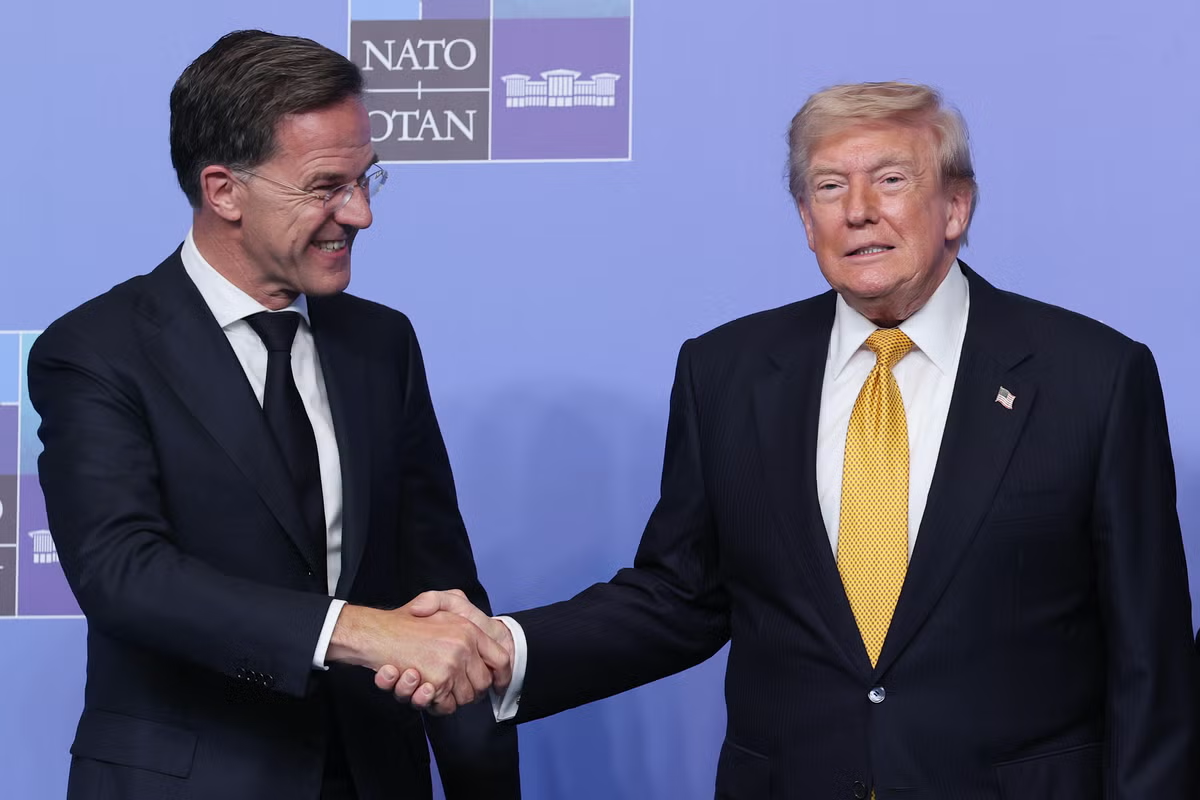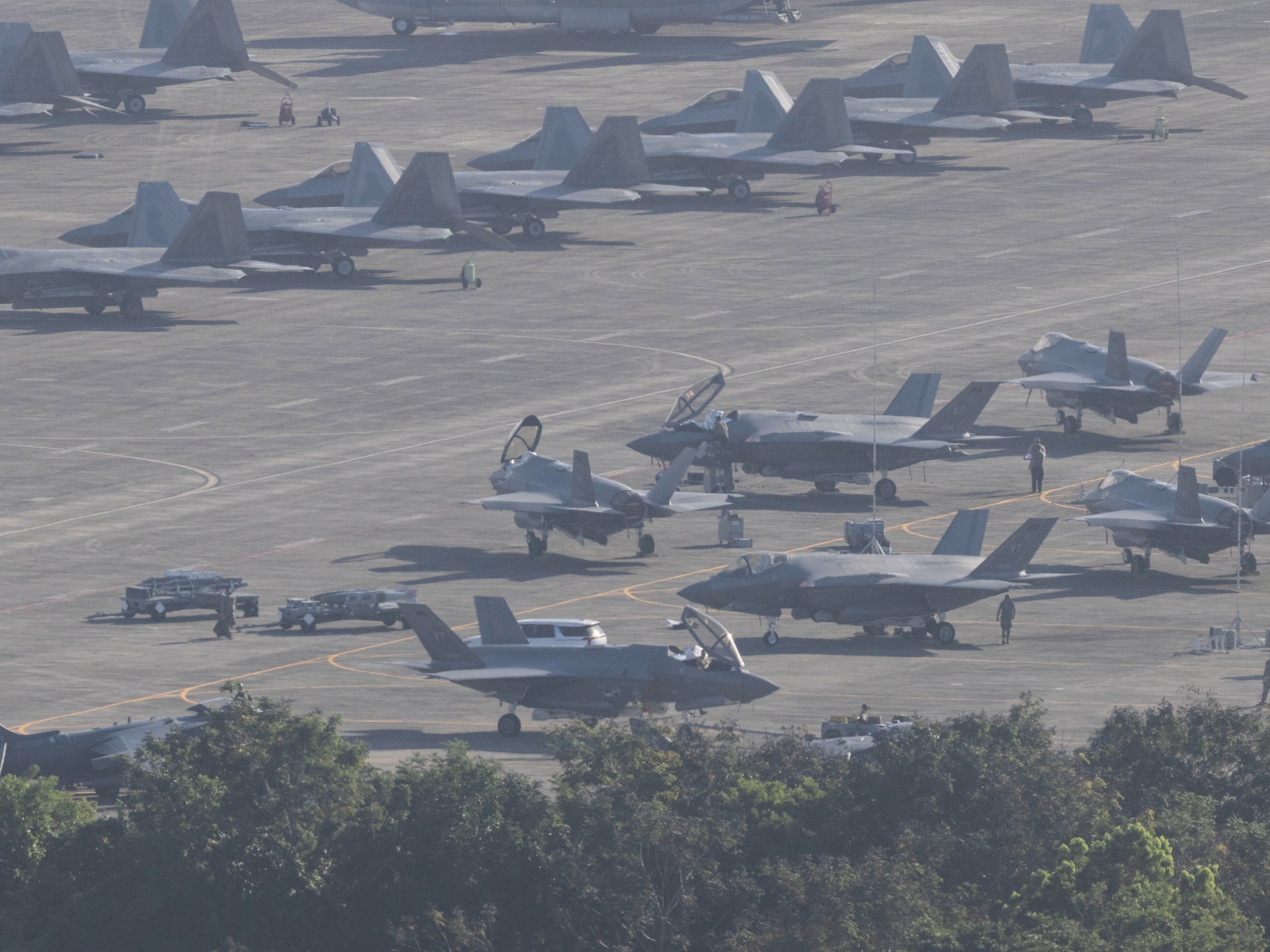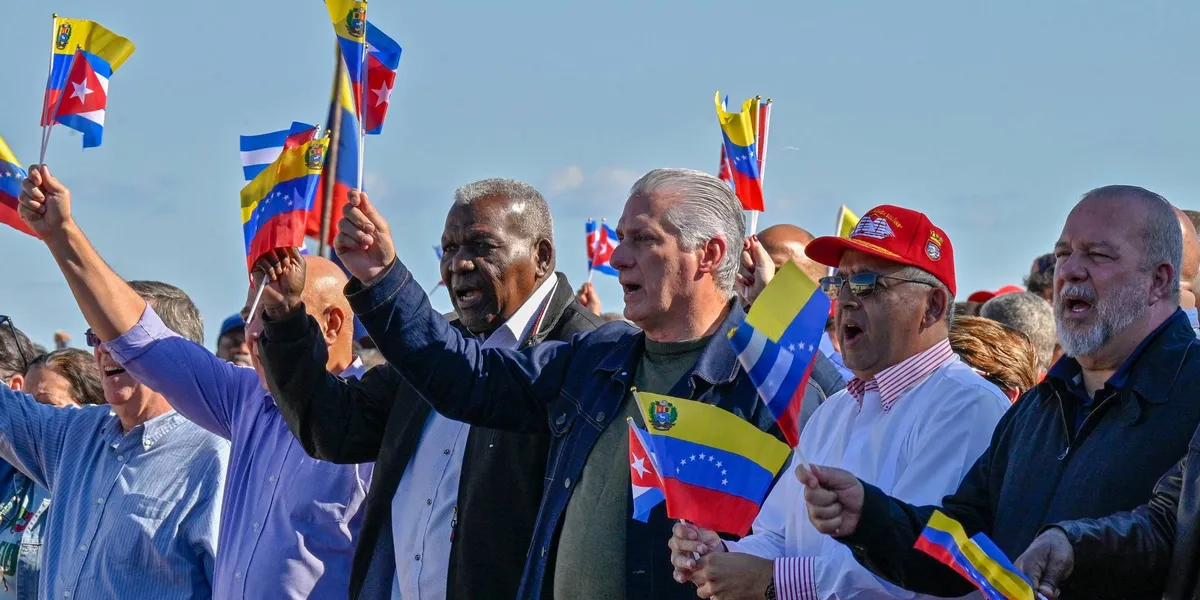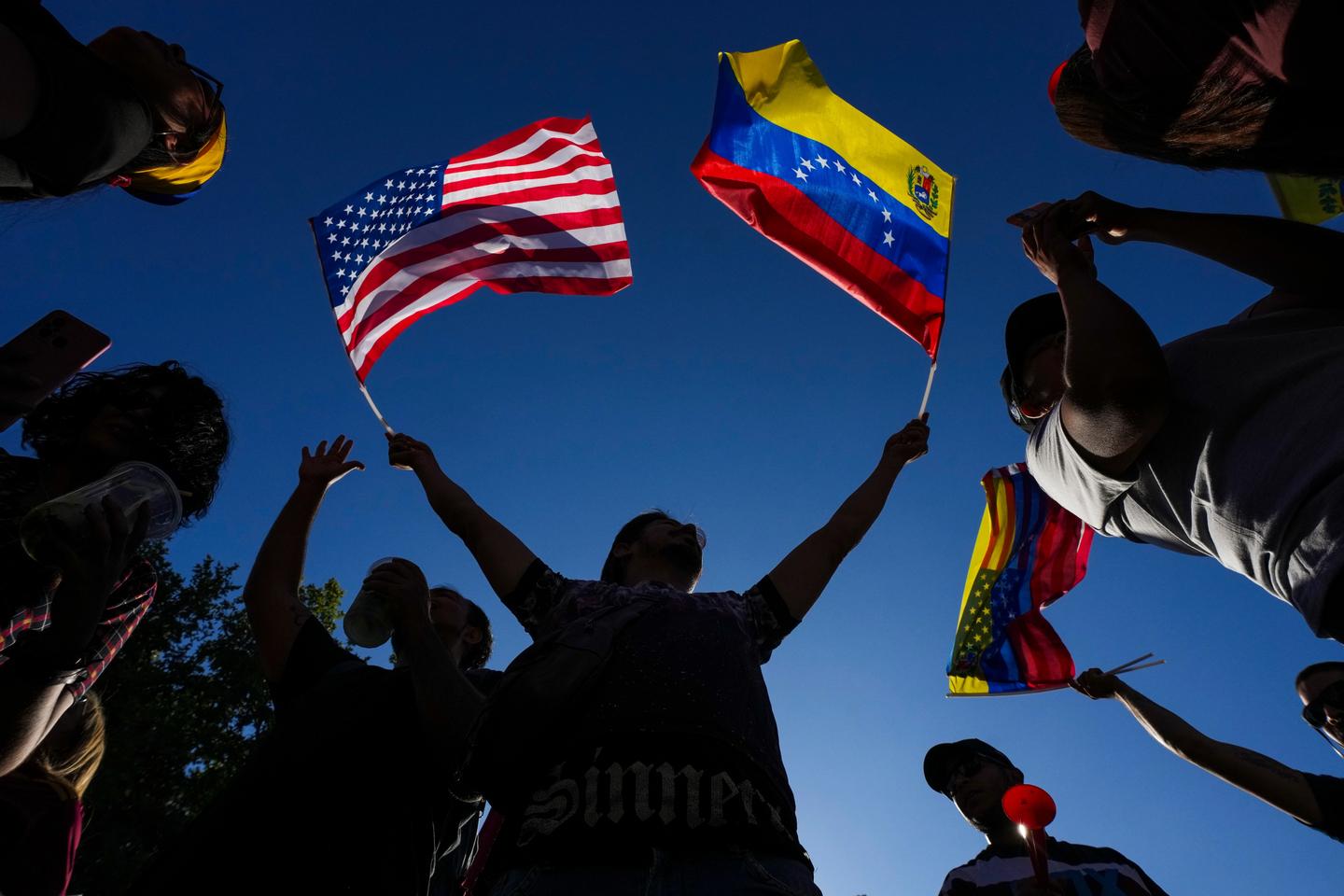
For much of his second term, US President Donald Trump has sought to expand the influence of the US in the Western Hemisphere.His ambitions have stretched from eyeing off Greenland and the Panama Canal, to forcing a change of government in Venezuela.But even with the US military occupied in a war in the Middle East, he has begun to eye a new target, closer to home."Cuba's got problems," Trump declared during a speech earlier this month."On the way back from Iran, … we'll have [the USS Abraham Lincoln] come in, stop about 100 yards offshore, and they'll say, 'Thank you very much. We give up'."It's not all talk.Since February 4, the US Navy and US Air Force have conducted at least 25 intelligence-gathering flights around the island's coastline, according to analysis by CNN. On May 21, the US indicted former Cuban president Raúl Castro on murder charges.To justify his ambitions, Mr Trump has revived a two-century-old foreign policy that promoted American imperialism.Here is what to know about the Monroe Doctrine and how it has been used to shape the region.The shield and swordNations across the Americas spent the early 19th century shrugging off their European colonisers.The US drove offensive British forces out of the country to conclude the War of 1812 — a conflict Americans considered critical to their independence, despite having started it.Between 1821 and 1822, 10 Latin American colonies broke away from Spain and Portugal and declared independence.So when US president James Monroe stood before Congress for his 1823 State of the Union address, he declared the Western Hemisphere closed to future colonisation efforts, adding that the US would consider any European interference a hostile act.The Monroe Doctrine was born from comments made by James Monroe during a State of the Union address. (Wikimedia Commons: LC-USZ62-87925, Library of Congress, PDM 1.0)The statement was of little consequence for the great powers of Europe, but it became a longstanding tenet of US foreign policy, known as the Monroe Doctrine.While Monroe's words were meant as a "defensive shield" of the Americas from outside forces, several of his successors have gone on to interpret the doctrine as more of a "sword" used to expand US influence and control over the region."It's been used to mean all kinds of things," David Smith, an associate professor at the University of Sydney's United States Studies Centre said."It's been used against American imperial activity in Latin America, and it's been used in favour of American imperial activity in Latin America."A fledgling nationBy the 20th century, the US was seeking to take on the role of "regional policeman", according to the US Office of the Historian.President Theodore Roosevelt took an assertive approach to Latin America — a policy that became known as the Roosevelt Corollary to the Monroe Doctrine.He stipulated that, as a last resort, the US would intervene in other nations to ensure they did not violate its rights or invite "foreign aggression to the detriment of the entire body of American nations".This approach was evident in relations with Cuba, which was fighting for self-determination at the turn of the century.Political cartoons in the early 20th century often portrayed Cuba as a child to justify US imperialism. (New York Journal, April 20, 1898, PDM 1.0)The island nation had overthrown its Spanish colonisers in 1898 but found itself under US military occupation in the aftermath of the war.Deborah Shnookal, a Latin America historian and research fellow at the University of Melbourne, said around this time, the US had made Cuba a neo-colony as it vied to absorb the island into its territory."The US was constantly trying to incorporate Cuba one way or another," she said."By the late 19th century, the US had largely achieved its goal of economic control. About 83 per cent of Cuban exports went to the US."Cuba reluctantly agreed to a set of restrictive conditions on its constitution in order for the US military to end its occupation of the island.For the US, this agreement ensured its interests remained protected.American presidents would go to cite the terms in tandem with the Monroe Doctrine to send military forces to the island another two times before they were repealed: from 1906 to 1909 to quell political unrest and from 1917 to 1922 to protect American-owned sugar plantations."[Cuba] was nothing else but a neo-colony," Dr Shnookal said.It was under these conditions that Fidel Castro was born and would go on to lead a revolution through.Speaking at a US Senate Committee in 1960, Earl E T Smith, a former US ambassador to Cuba, said: "Until Castro, the US was so overwhelmingly influential in Cuba that the American ambassador was the second most important man … sometimes even more important than the [Cuban] president."Communism arrives in CubaClose diplomatic ties fostered between the US and Cuba during the middle of the century iced over when Castro came to power in an armed revolt that overthrew dictator Fulgencio Batista in 1959.Washington was wary of Castro's relationship with Soviet Union leader Nikita Khrushchev and became worried about the spread of communism in the Western Hemisphere amid the Cold War.Where the Monroe Doctrine had once sought to keep European control out of the region, its legacy was now focused on the Soviet Union, and Cuba, as a result.President John F Kennedy authorised a plan (now known as the Bay of Pigs) to depose Castro in 1961, using a force of anti-Castro Cuban exiles and obsolete World War II B-26 bombers painted to resemble Cuban air force planes.A Cuban Armed Forces soldier stands next to US-built armaments captured after the Bay of Pigs invasion. (Reuters: Prensa Latina)The invasion failed and ultimately strengthened Castro's administration, with the leader proceeding to publicly self-identify as a Marxist-Leninist.According to the Office of the Historian, Washington again circled the Monroe Doctrine principles when a US spy plane secretly photographed nuclear missile sites being built in Cuba by the Soviet Union in 1962, launching the Cuban Missile Crisis."It shall be the policy of this nation to regard any nuclear missile launched from Cuba against any nation in the Western Hemisphere as an attack by the Soviet Union on the United States, requiring a full retaliatory response upon the Soviet Union," Kennedy said on national television days after the discovery.The Donroe DoctrineThe US resumed relations with Cuba under the Obama administration in 2013, when then-secretary of state John Kerry declared to a group of Latin American leaders that the doctrine was over."For a lot of Republicans, they saw that as the US forfeiting its role in the Western Hemisphere," Dr Smith said."They got really angry about the idea that the US was no longer asserting its right to interfere in the Western Hemisphere. So Trump really kind of brought it back with a vengeance and started talking about it a lot more than it had been talked about really for half a century or so."The revived imperialist policy has come to be called the Donroe Doctrine under Trump (a portmanteau of Donald and Monroe).Donald Trump heralded "American dominance" in the region after US forces captured Nicolás Maduro. (Reuters: Jonathan Ernst)In the wake of US strikes in Venezuela and the capture of its president Nicolás Maduro, Trump said "American dominance in the Western Hemisphere will never be questioned again"."That echo of 'Make America Great Again' ties back to where the Monroe Doctrine came from," Dr Shnookal said."It came from the US coming together as a single nation, asserting itself with pride in the aftermath of the Declaration of Independence and so on."So it is back to that great imperial power. 'We're going to run our hemisphere the way we want, and it belongs to us'."
Trump revives centuries-old doctrine that shaped US-Cuba relations
The Monroe Doctrine was once a core tenet of US foreign policy. US President Donald Trump has brought it back with a new interpretation.
1,273 words~6 min read