O
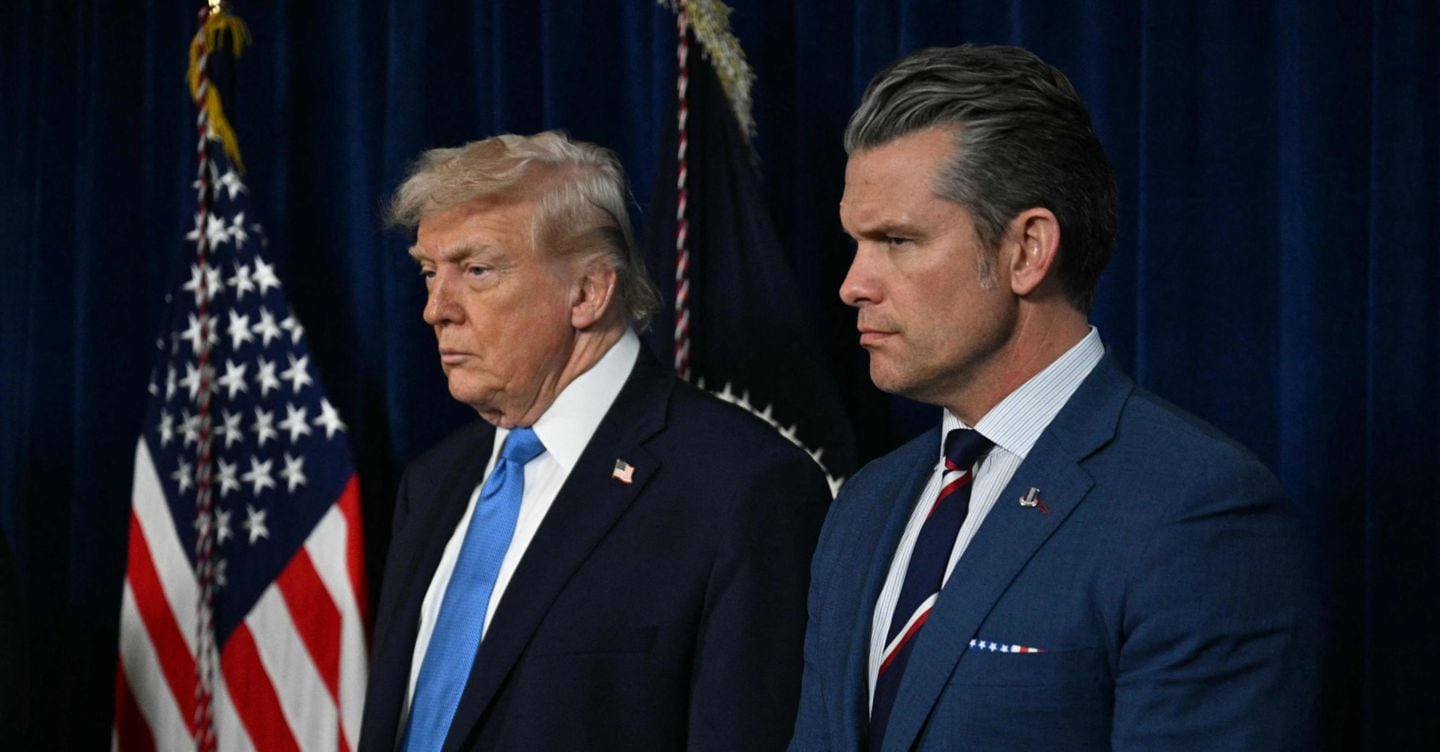
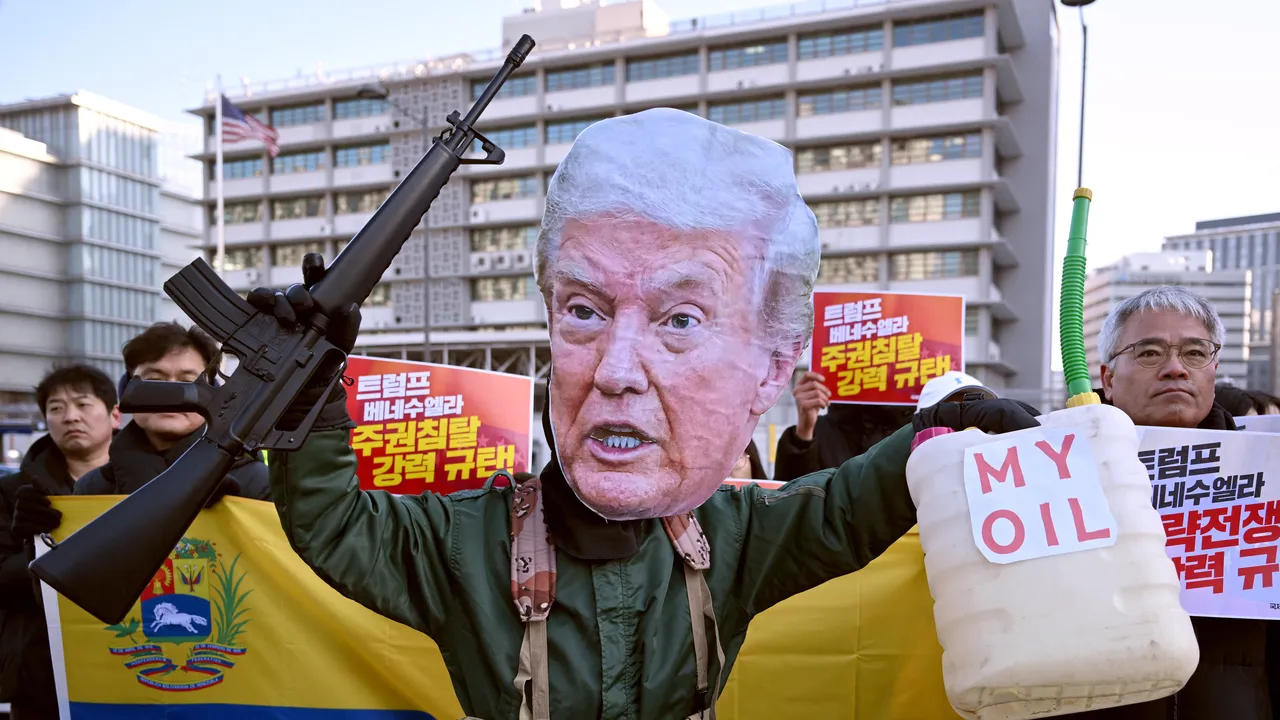
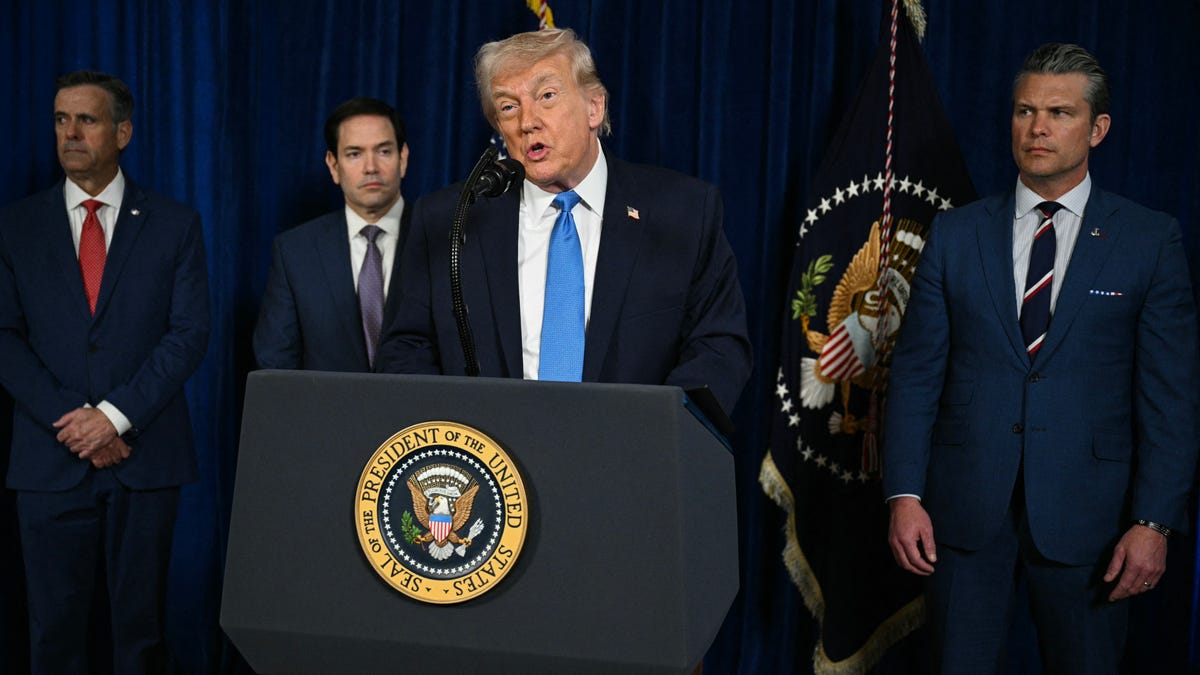
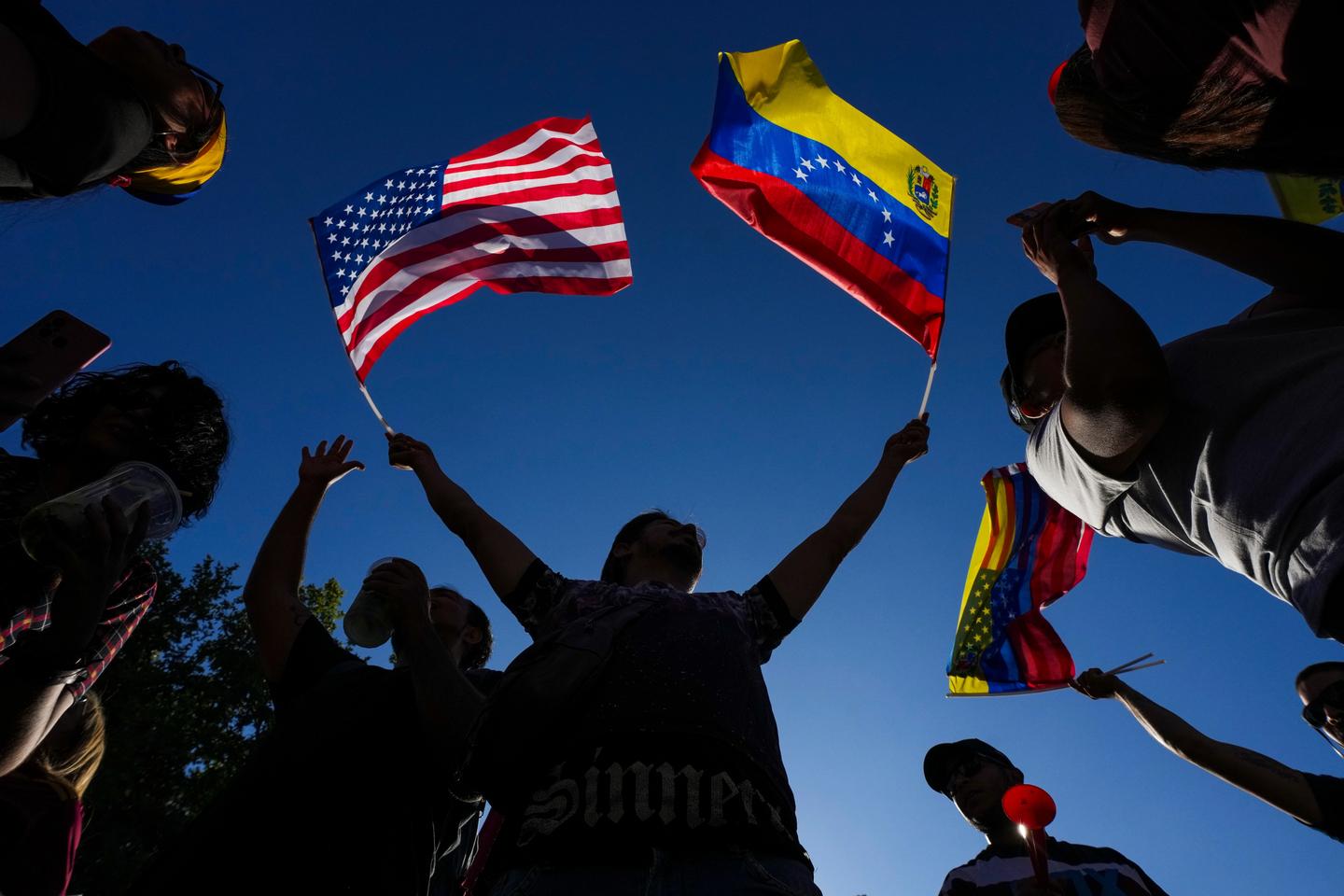
n December 2, 2025, the White House issued a statement celebrating the 202nd anniversary of the Monroe Doctrine and announced the president's intention to reinvigorate it by attaching a "Trump corollary." The national security strategy subsequently made public described the latter as a "common-sense and potent restoration of American power and priorities." One month later, on the early morning of January 3, President Donald Trump put theory into practice by seizing Venezuela by force, demonstrating his commitment to the doctrine, but also his desire to rethink its scope.
Read more The return of the US's predatory imperialism
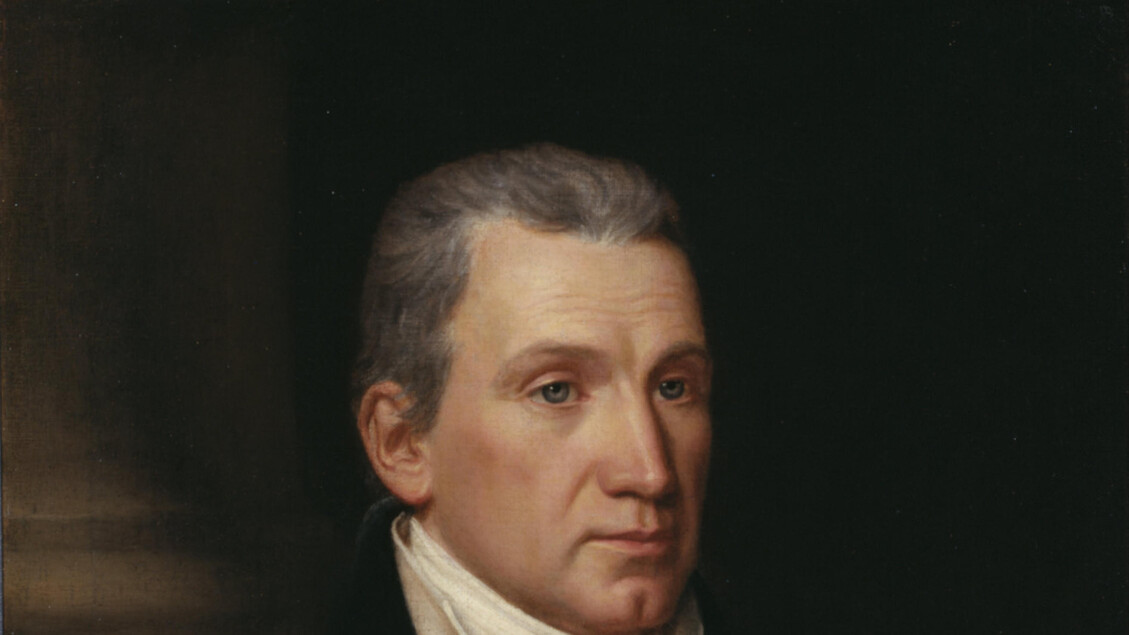
The Monroe Doctrine takes its name from the fifth president of the United States who, on December 2, 1823, declared his country's opposition to any intervention in the Americas by a power from outside the continent. As the US was about to celebrate its first half-century of existence and the Spanish Empire had just lost most of its American possessions, the aim was to prevent a reversal of fortunes by deterring Europeans from attempting to reconquer the Americas.
The Monroe Doctrine was presented as a generous American commitment to guarantee the freedom of all the peoples of the Americas – but above all, as a means for the US to consolidate its continental preeminence by keeping Europeans offstage where no other nation could rival them. But in a world that was still firmly dominated by Europe, the doctrine remained largely aspirational. Until the end of the 19th century, it did not prevent either the maintenance of colonies, nor the continuation of European armed interventions in the Americas, for the simple reason that the US had no real means of opposing them.