T
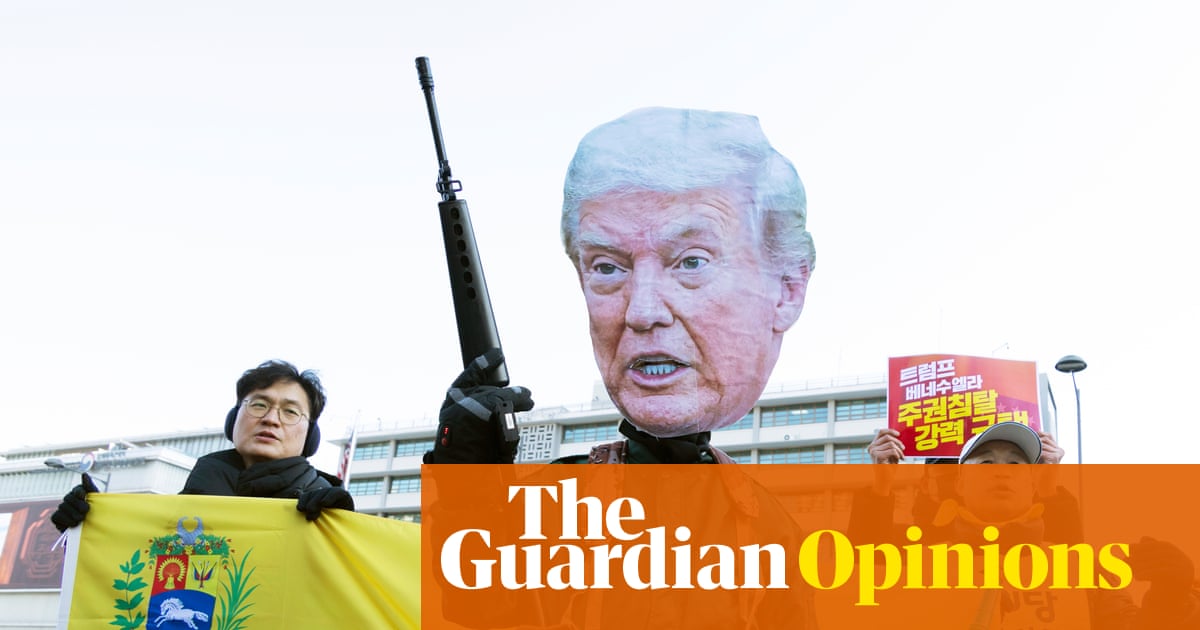
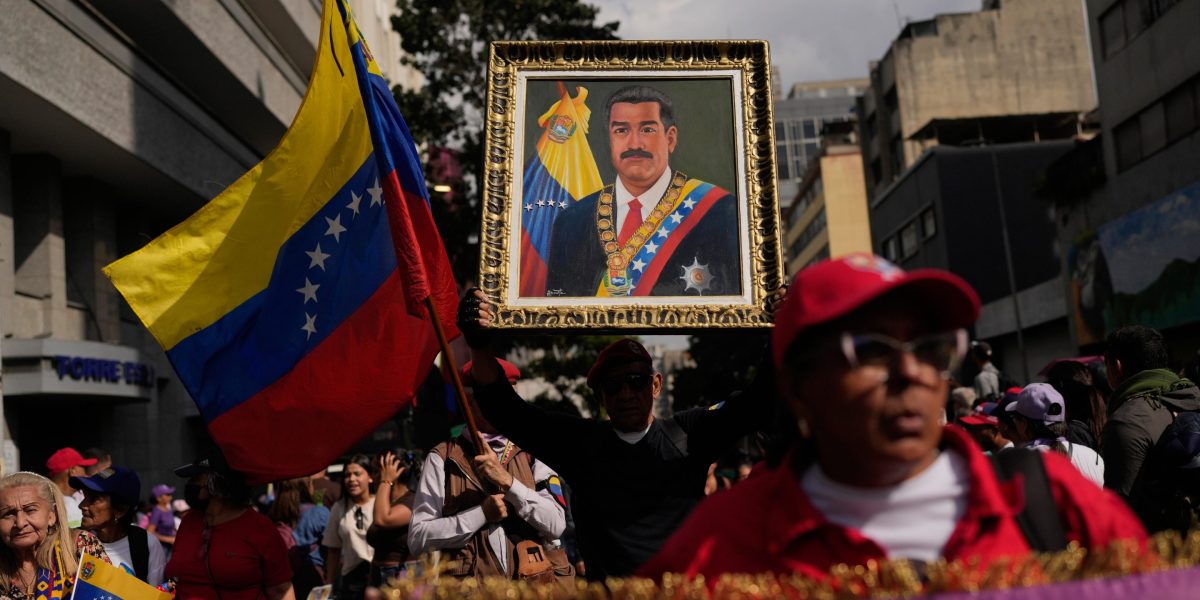
he operation that Donald Trump ordered in Venezuela, without prior consultation or notifying of Congress, at first glance fits into a long American tradition. Since the Monroe Doctrine, formulated in 1823, the US has consistently regarded Latin America as its natural sphere of influence, justifying repeated interventions – both overt and covert – in the name of stability, anti-communism or the defense of the free market. From Guatemala in 1954 to Chile in 1973, from supporting military dictatorships to exporting neoliberal policies embodied by the "Chicago Boys" [Chilean economists trained at the University of Chicago who shaped Pinochet's policies], the region's history has been inseparable from American interference.
Subscribers only
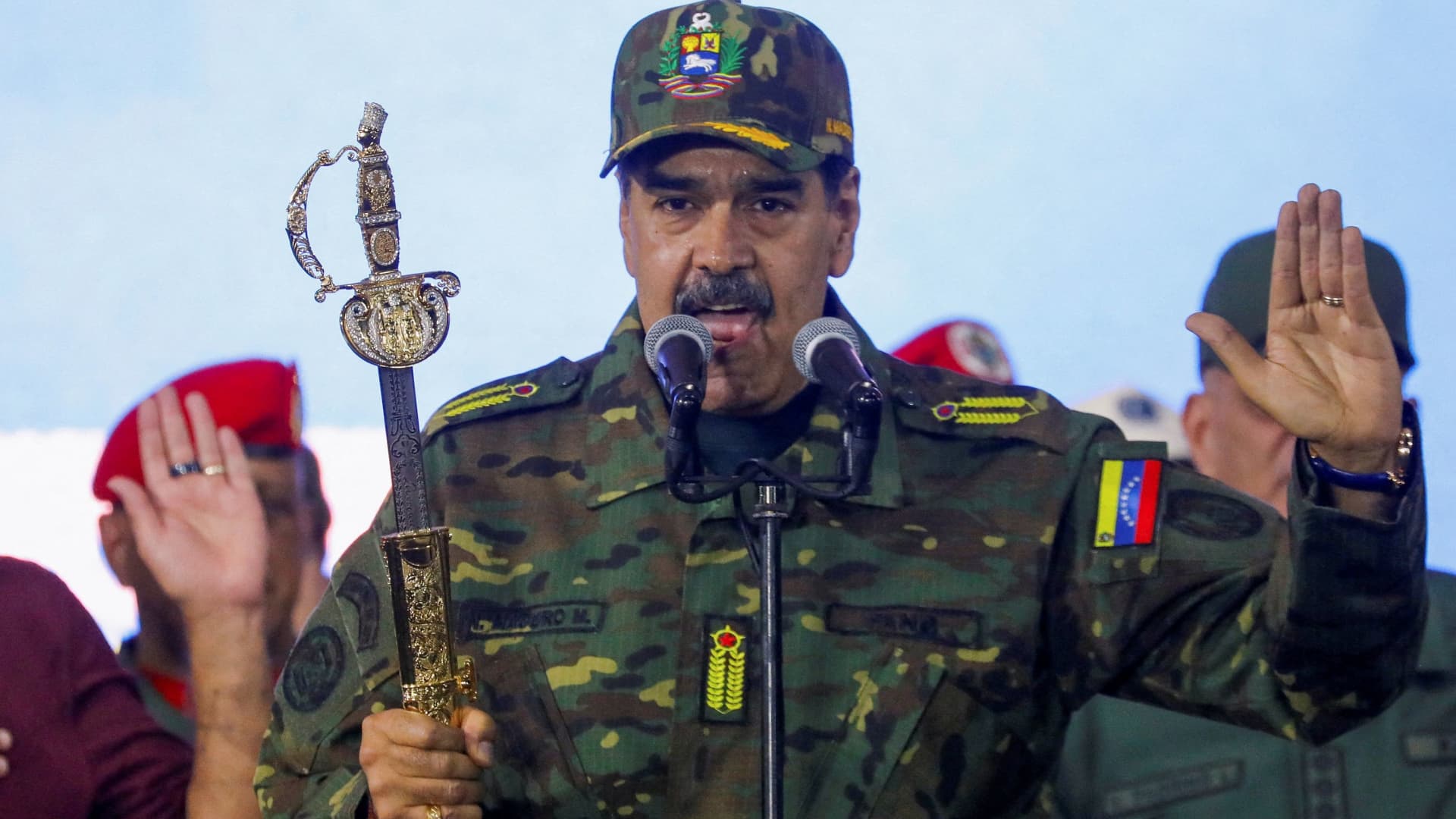
Maduro abduction: 'Trump seeks to usher the Monroe Doctrine into a third era, that of post-Westernism'
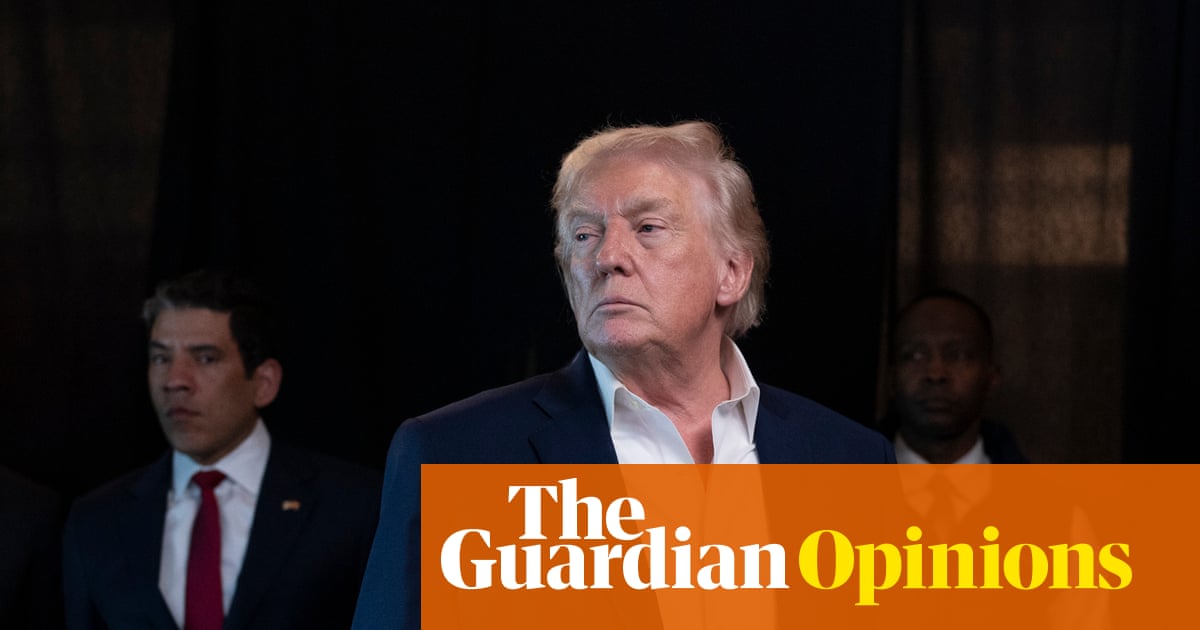
But what is at stake now goes far beyond the repetition of an old imperial pattern. The novelty is not so much the intervention itself, but rather the political and constitutional regime in which it has taken place. For the first time, a US president has openly claimed to have excluded Congress – not out of strategic necessity or urgency, but out of an avowed contempt for the legislative branch.