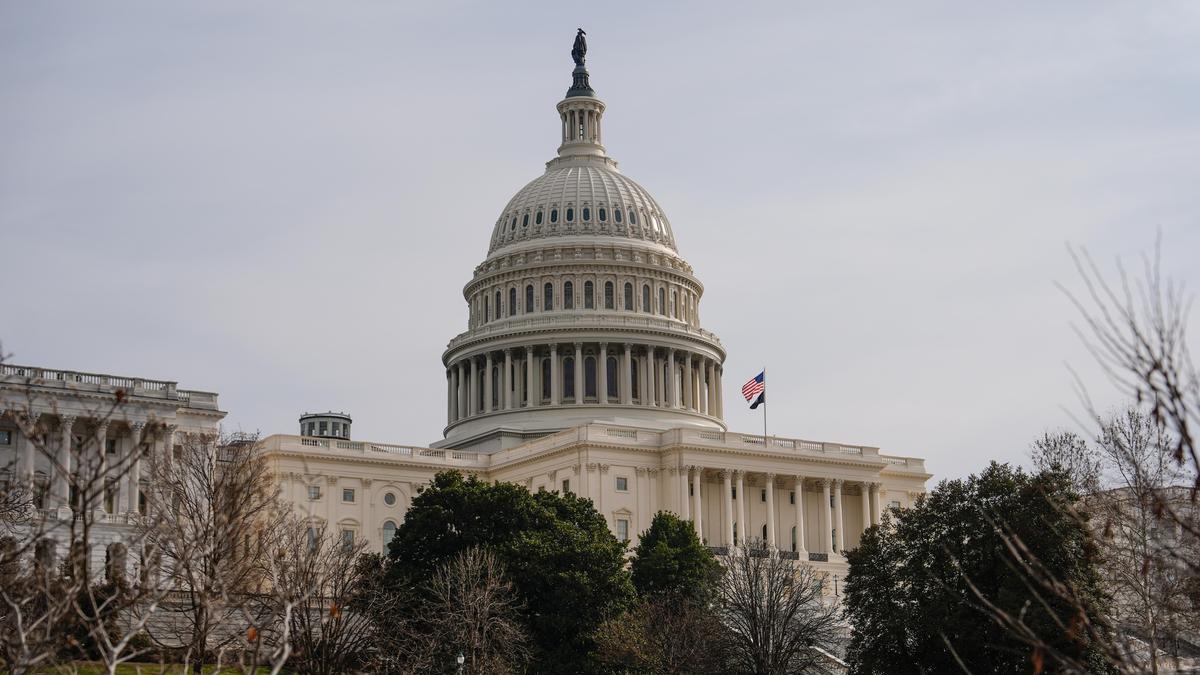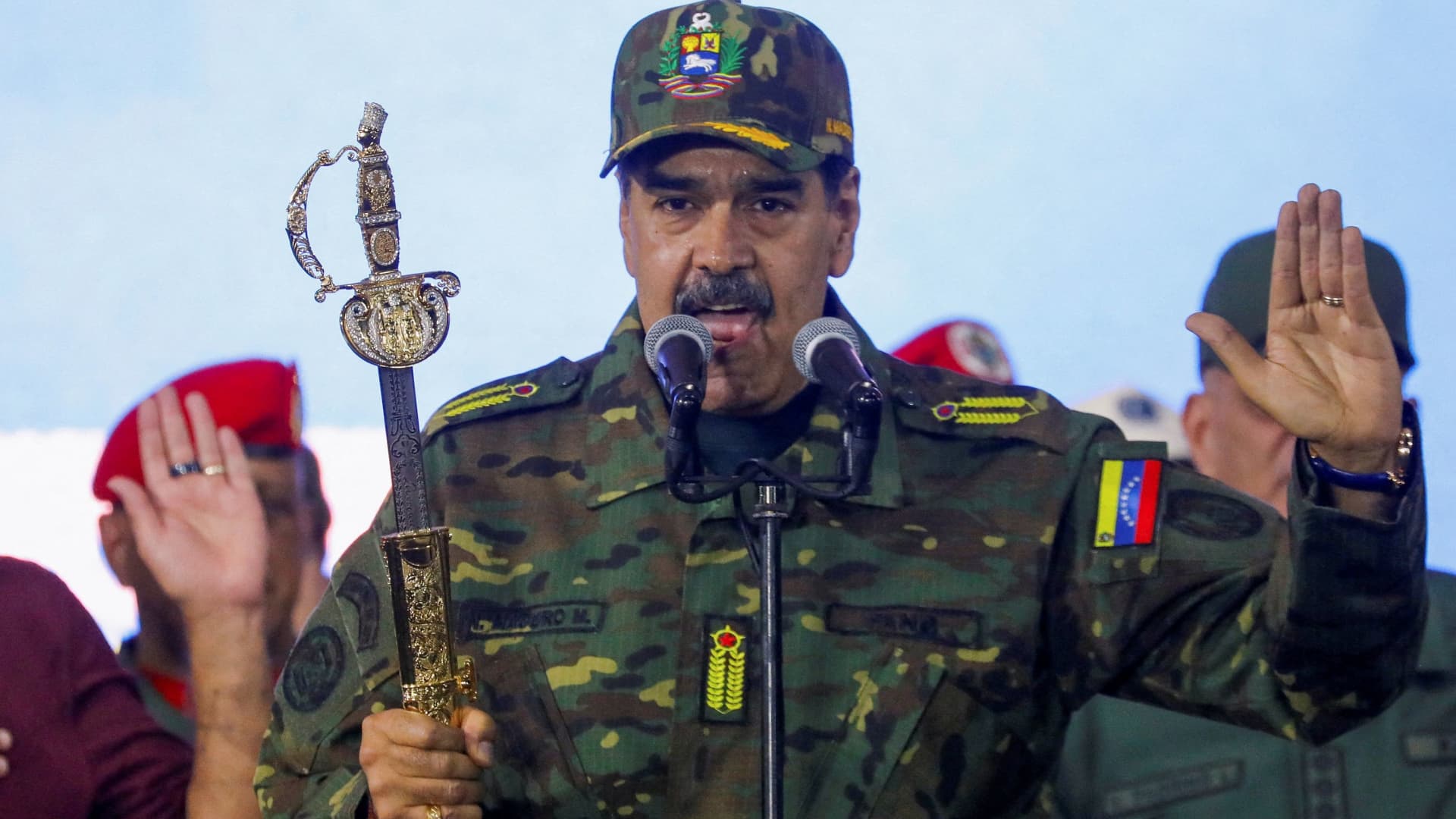
As news spread Saturday of President Donald Trump’s removal of Venezuelan President Nicolas Maduro, a split screen emerged in Congress: Republicans largely celebrated the military operation, while Democrats condemned the president’s actions and questioned their legality.
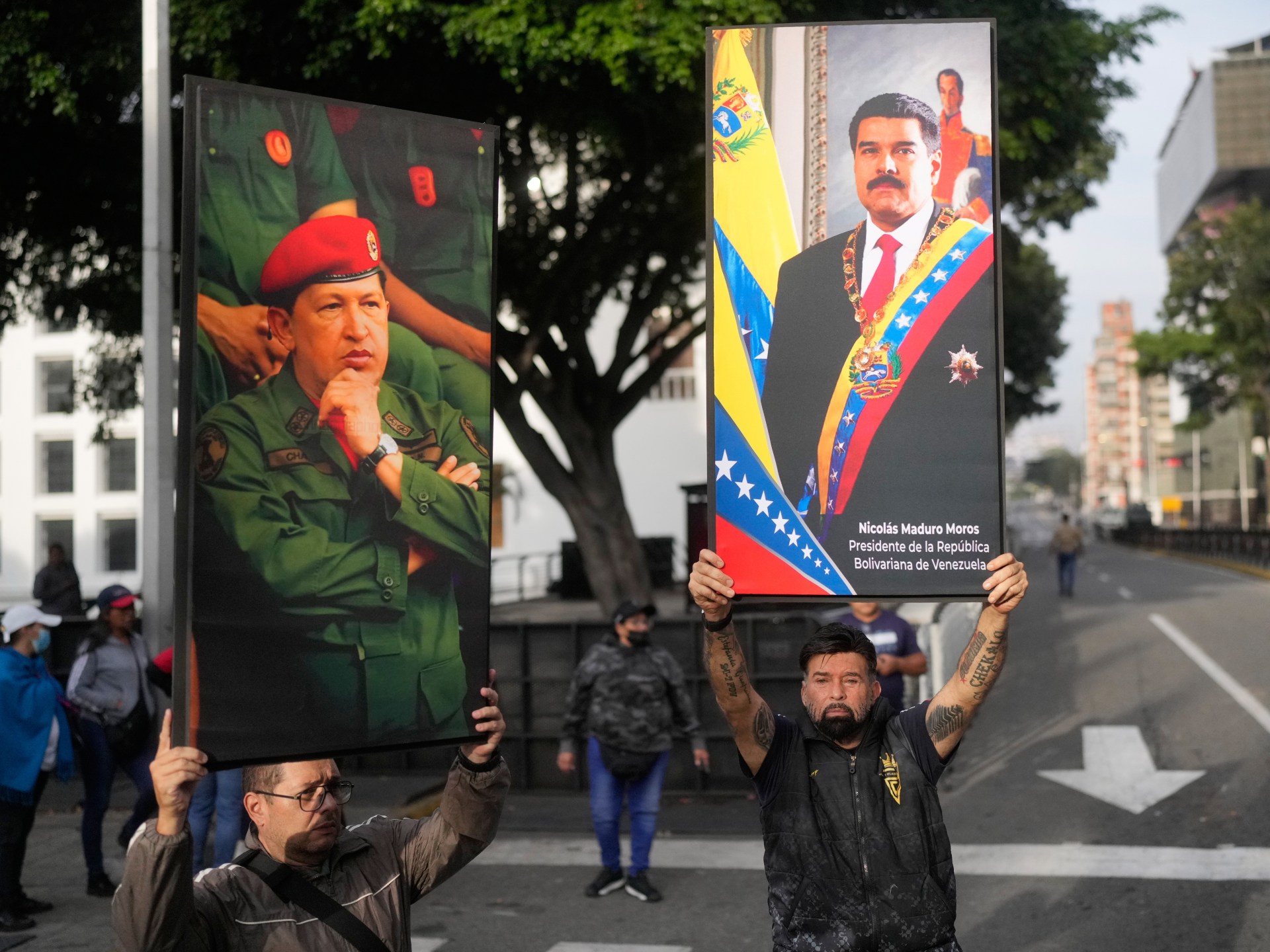
After months of pressure on Maduro, Trump announced on Truth Social that the U.S. had assisted in a “large scale strike” against the country and its leader, who was captured along with his wife, Cilia Flores, and brought to the U.S.
“Trump rejected our Constitutionally required approval process for armed conflict because the Administration knows the American people overwhelmingly reject risks pulling our nation into another war,” Sen. Andy Kim, D-N.J., said in a post to X on Saturday.
The Constitution grants Congress primary authority to declare war. The War Powers Resolution, passed in 1973 in response to the Vietnam War, limits the president’s ability to unilaterally take military action and requires the president to consult with Congress when troops are deployed.
But lawmakers said the president did not seek approval and did not brief Congress on his plans.