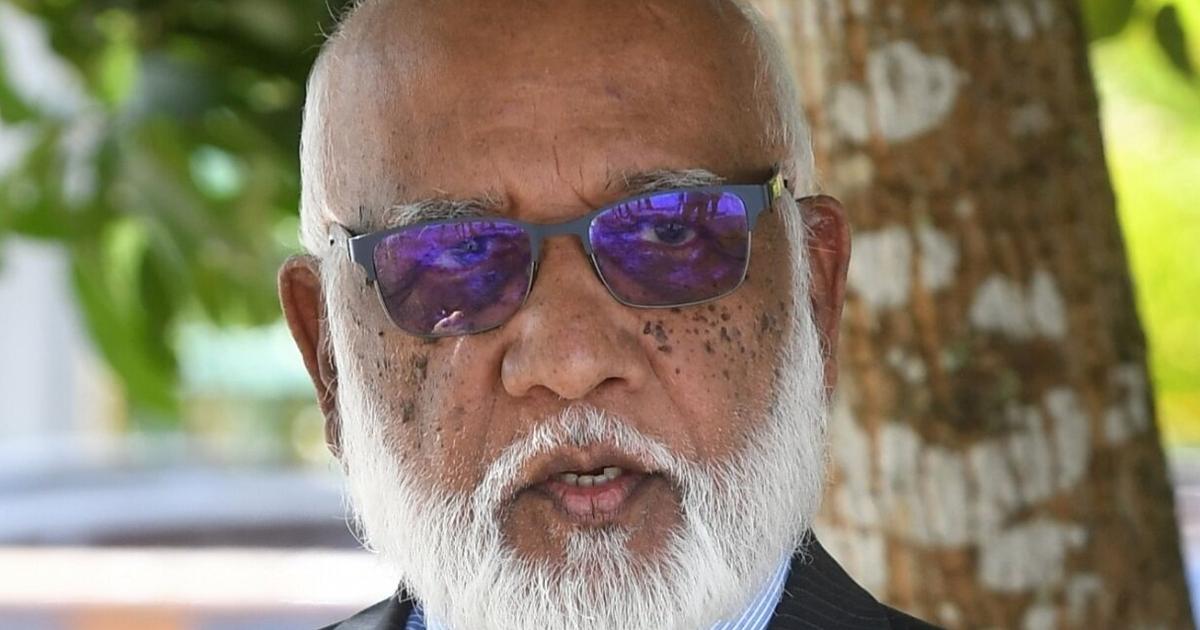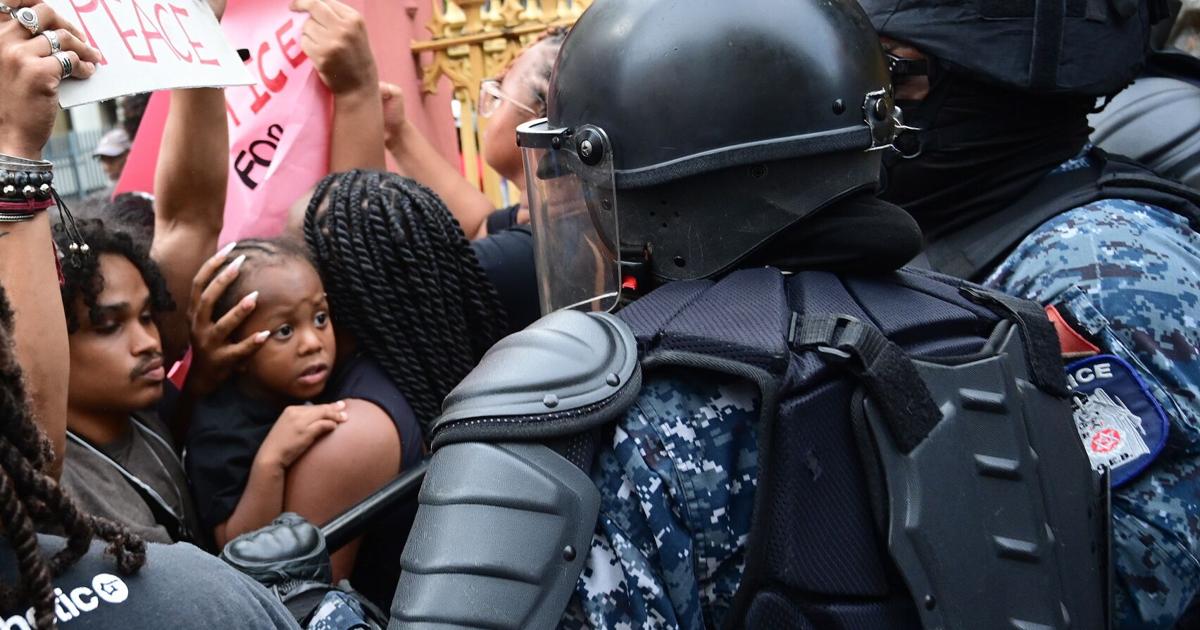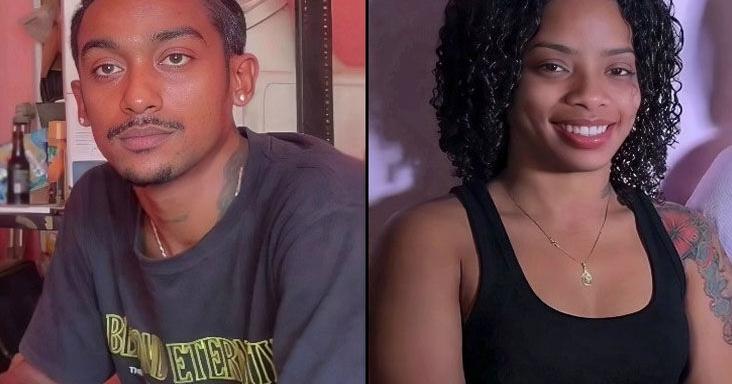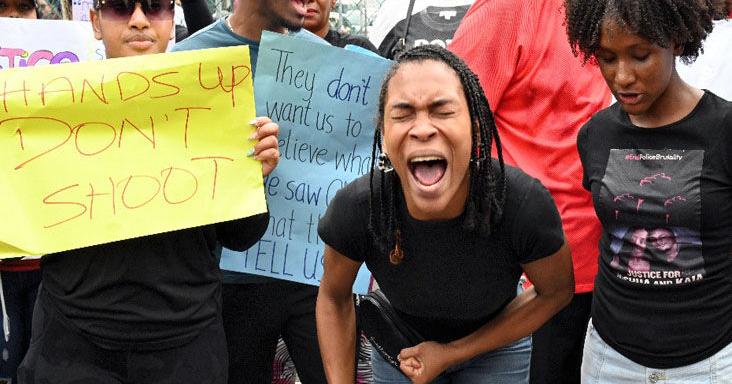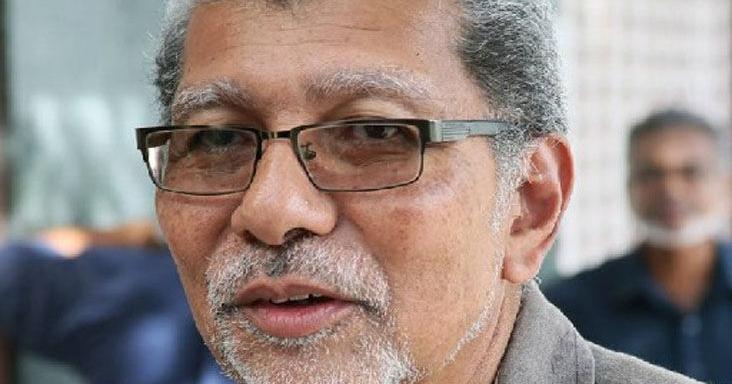
Political leader of the Movement for Social Justice David Abdulah yesterday questioned the handling of communications by the Trinidad and Tobago Police (TTPS) with respect to its announcement of arrest warrants for Kaia Sealy.Abdulah noted the sequence of events, which took place in under 12 hours, had caused confusion and concern among members of the public.He said during Thursday morning’s news conference, Commissioner of Police Allister Guevarro stated that warrants would be issued but no arrests had yet been made and no names were identified.“People felt that finally some justice would be done and that police officers will be charged,” Abdulah said.He said public sentiment changed later on Thursday evening after a police news release stated that warrants had been issued for Sealy for manslaughter and several other offences, including shooting at police officers.“One moment people felt police officers may be charged, next moment the headlines were saying ‘shocking development’,” he said.Abdulah said the development “didn’t sit right” with many people and questioned why the information contained in the release was not disclosed by the Commissioner during the earlier media briefing.He said the handling of the matter raised concerns about communication within the TTPS and further affected public trust and confidence in the police service.Abdulah also referred to comments made by attorneys, criminologists and members of the public on social media following the announcement. He said the TTPS now had a responsibility to provide evidence to support the charges laid against Sealy.“The question now is on the police to be able to prove and provide proper evidence of what happened,” he said.Abdulah also addressed what he described as a lack of public trust in the TTPS, referring to the theft of firearms from the San Fernando Municipal Police Station and the killing of acting corporal Anuska Eversley at the station last month.He said the issue also highlighted concerns surrounding police-involved killings and the language used in reporting such incidents.Abdulah said phrases such as “police-involved shootings” changed public perception of incidents where civilians were killed by police officers.He also renewed calls for police body cameras to be introduced and used during confrontational incidents involving officers.“We cannot rely simply on the words of police officers,” he said.Abdulah said body camera footage would improve transparency and help strengthen public confidence in investigations involving police shootings, adding that while not all police officers were involved in wrongdoing, transparency was necessary if trust in the TTPS was to be restored.Abdulah also criticised the powers currently granted to the Police Complaints Authority (PCA).He said the PCA was unable to independently conduct forensic investigations because its officers could not lawfully handle firearms, ammunition or spent shells as part of their investigations.According to Abdulah, the PCA relied on the TTPS to provide evidence in matters involving police conduct.He called for amendments to the legislation governing the PCA to allow the authority to independently examine firearms, ammunition and forensic evidence connected to police investigations.“We need to amend the Act related to the PCA to give the PCA the power to do its own independent forensic investigation,” Abdulah said.
Abdulah knocks TTPS messaging in Samaroo case
Political leader of the Movement for Social Justice David Abdulah yesterday questioned the handling of communications by the Trinidad and Tobago Police (TTPS) with respect to its announcement of arrest
509 words~2 min read