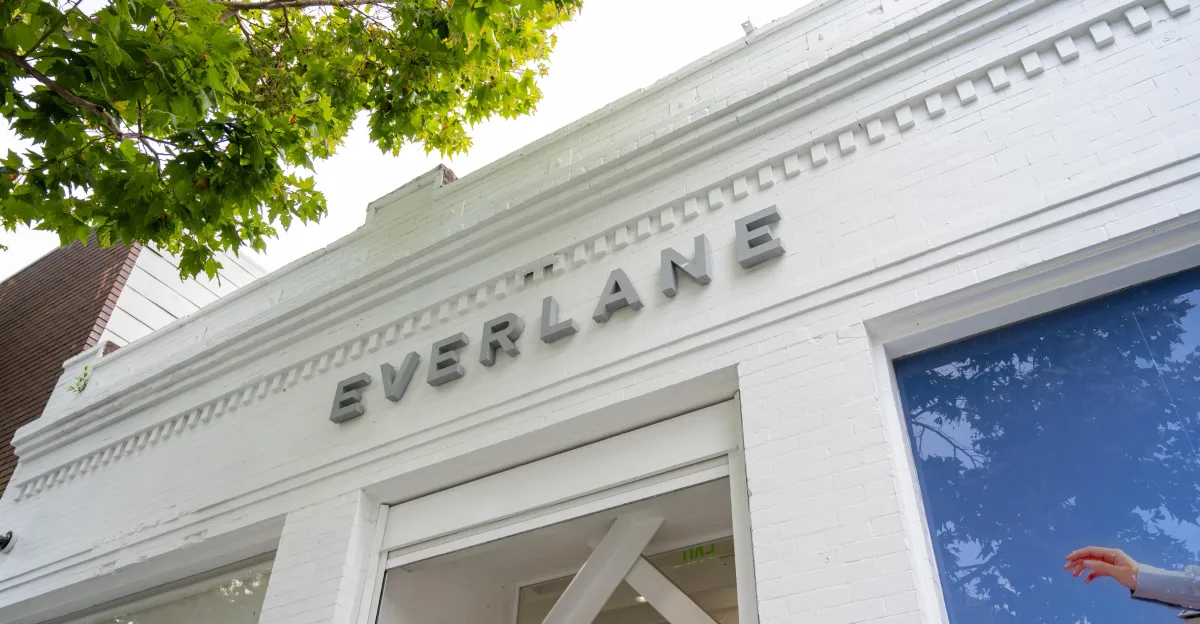
When Everlane burst onto the apparel scene in 2010, its “radical transparency” on matters of pricing and sourcing, coupled with its emphasis on a clean, modern aesthetic and storytelling about the people and places behind its product, made it a hit with millennials seeking chic wardrobe basics, along with the warm and fuzzy feeling of being a responsible consumer.
Those millennials professing to “vote” with their dollars placed greater weight on sustainability, authenticity, and companies being good corporate citizens than their elders did and saw such virtues as perhaps just as important as the functionality or beauty of the products themselves. Tapping into that zeitgeist helped Everlane sell a lot of product at higher prices than its fast-fashion counterparts—and win the attention of major investors, including VC firms such as Kleiner Perkins and Khosla, as well as LVMH-backed L Catterton.
So the news last week that Shein—a hyper fast-fashion brand whose name has become synonymous with high-velocity consumerism—bought the now struggling, debt-laden Everlane for $100 million (well below its peak of $600 million), set off a slew of think pieces about the demise of “conscious consumerism.” And indeed, it adds to the mounting evidence that an ethical stance, without a clear value proposition and raison d’être, is not enough for a brand to succeed these days.