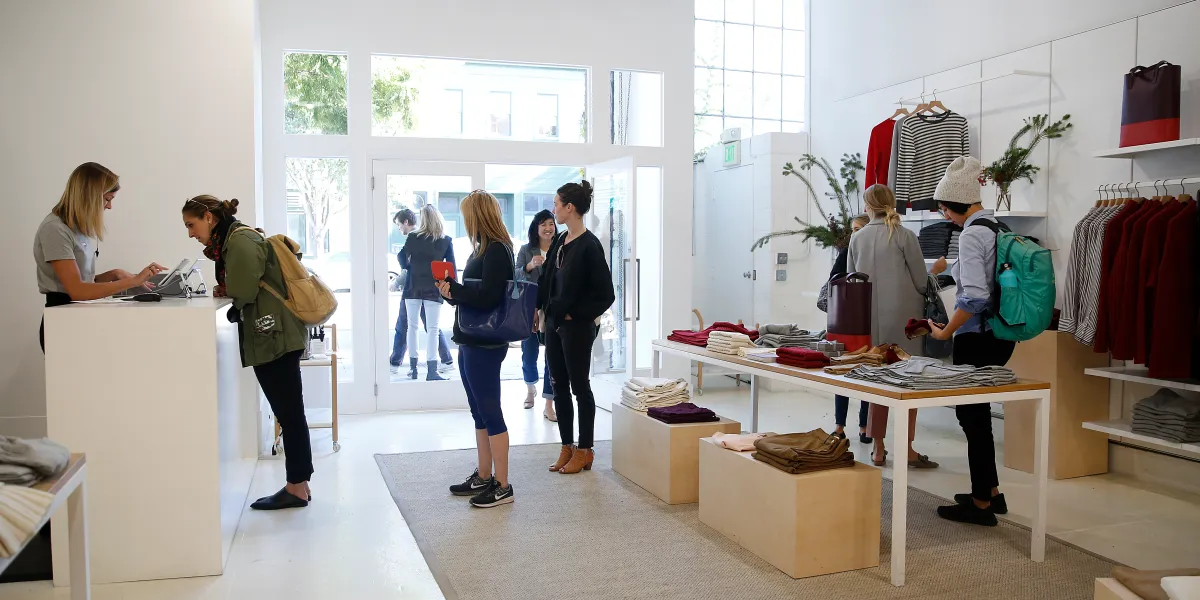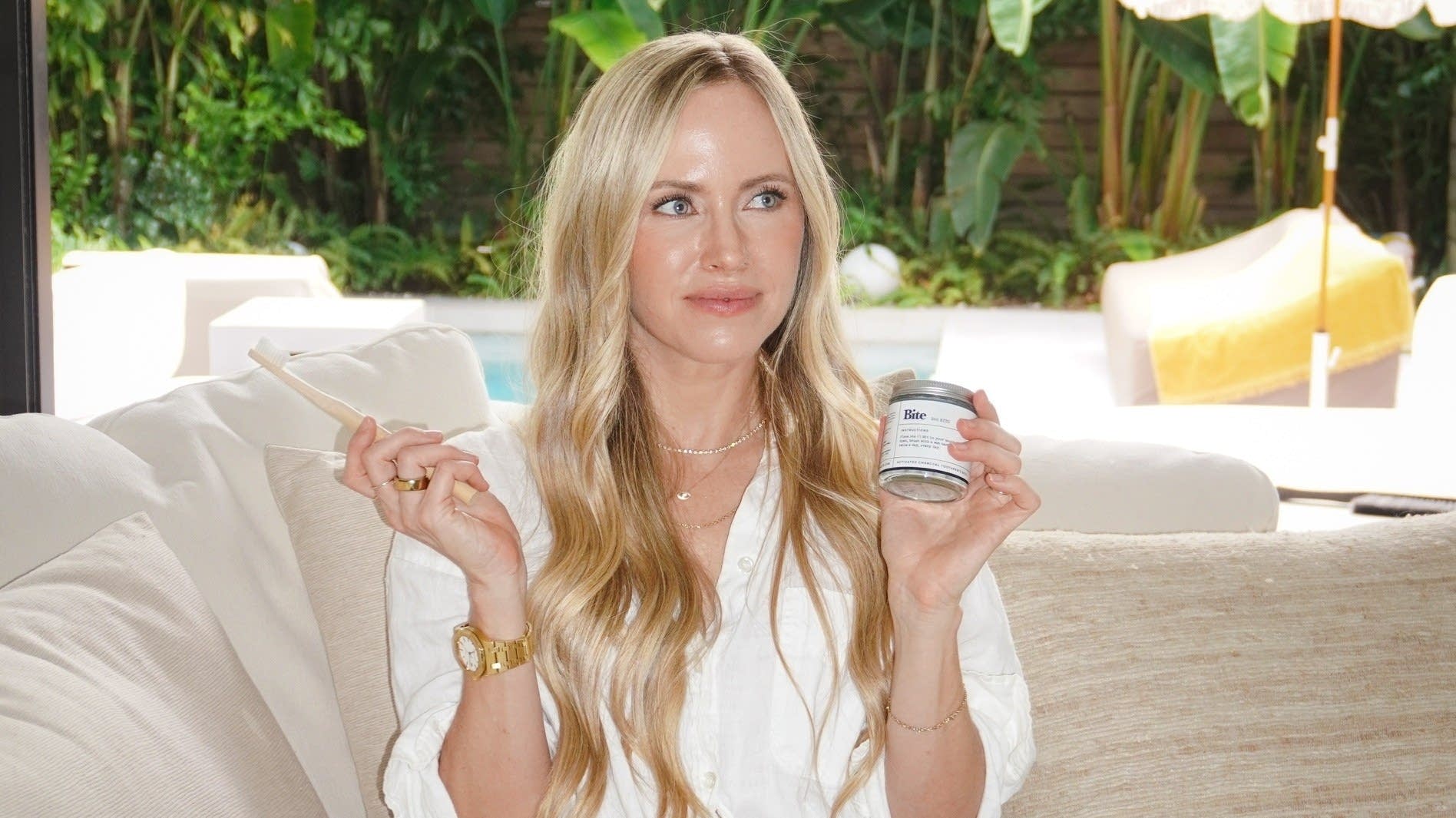
In the 2010s, a wave of direct-to-consumer brands selling to sustainably minded consumers became household names. But recent headlines including shoe company Allbirds pivoting to AI and Everlane, a retailer that built its brand on “ethical capitalism," selling itself to fast-fashion retailer Shein have sparked conversation about the death of a certain type of millennial-focused sustainability brand.“Marketplace” host Kai Ryssdal spoke with Lindsay McCormick, CEO of Bite, a plastic-free personal care products company, back in 2022, as the company pivoted to sell some products in physical stores. Now that the wave of sustainably focused DTC companies appears to have crested, Ryssdal checked in with McCormick about how her company is staying afloat. The following is an edited transcript of their conversation: Kai Ryssdal: You know, along with a bunch of others that I mentioned in the introduction, you were one of those, you know, 2010s, late 2010s-ish companies that went direct-to-consumer for sort of sustainable products, and it was working really well. And I guess I want to know what happened?Lindsay McCormick: Yeah, so you know, we, I feel very lucky that we're still one of the ones hanging on. We're still DTC, we're still sustainable, but you know, seeing like Everlane and Allbirds and just these epic companies that had such amazing messages going the way that they did, I think that there's like a number of reasons. So you know, one thing is that it's harder and more expensive to run a business. So I think we'll probably be talking a little bit about tariffs, as well as even the fact that we're still made here in the U.S., and also consumer sentiment—there were a few years that were a very treacherous time for sustainable brands, especially.Ryssdal: Well, so let's dig into that a little bit, because you say consumer sentiment, and, and I hear that thing that I talk about all the time, which is, you know, consumers are cranky. But that's not what you're talking about, right? There was a definite sort of change in the way consumers looked at sustainability.McCormick: Yeah, so, you know, I kind of said, I joke about this now. You know, I started my company because I wanted to save the sea turtles, and back in 2018 and 2016 that resonated with people. They wanted to know what their products were doing for the planet, what they could do to help, and what we're now kind of finding, especially with this new understanding of microplastics and the impact that it has on the human body, more people are gravitating towards that, so it's no longer about the sea turtles, and now it's about ourselves. Same product, same goals, same mission, it's just a different type of messaging that is resonating with consumers right now.Ryssdal: How do you know it's not about the sea turtles anymore, and it's more about people thinking about themselves in micro plastics, or what have you?McCormick: So because we're direct-to-consumer, we have a really interesting first eye look into this. So we put hundreds of thousands of dollars through Meta every month, and so we're able to see what messaging is resonating with people and what's not. When you put an ad up against, you know, “toothpaste is trashing the planet,” and then another with ‘how microplastics impact your body,” one of them just clearly wins every audience, no matter what. That's one of the reasons that we've kind of pivoted, not our ethos, not our mission, but our messaging.Ryssdal: Right. Sorry, just to be simple about this. Literally, what people are clicking on, you can see that?McCormick: Yep.Ryssdal: Yeah, you mentioned tariffs, which I appreciate, so that I didn't have to introduce it into this conversation. How have they been for you?McCormick: So, [our products] are made in the U.S. But no matter where your product is made, you have ingredients and components coming from all over the world, and so what had happened was that basically all of our manufacturers here in the U.S. ended up having to up their prices in some ways, across our entire product line. And now that tariffs are getting paid back, we have not been made whole.Ryssdal: Did you just take those tariff costs out of your margin, and you ate them?McCormick: Yeah, we didn't raise prices, we just took it. So that was one of the reasons [we got rid of our office space]. You start looking at it like, do we need this office space? We still want to be able to provide for our customer, and, and so you kind of look at ways you can save that doesn't impact your company in a negative way.Ryssdal: This is sort of a tough question to ask an entrepreneur who has poured, I don't even know, it's just got to be, like, 10 years of your life, probably more, into this, and who knows how much capital, but are you going to make it?McCormick: Yeah, we are. We're going to be able to weather the storm. We're seeing, like, after a few tough years, we're seeing some real traction with microplastics. And I think here's the thing, Kai, I think this is cyclical. I think people will start caring again about the planet. I think that we'll be able to be a part of our messaging. It's always been a part of our DNA as a company. It's going to be a good 2026-2027.
Why one direct-to-consumer brand is shifting its messaging
Bite CEO Lindsay McCormick says consumers have replaced concerns about the impact of products on the environment with the impact of products on their bodies.
906 words~4 min read