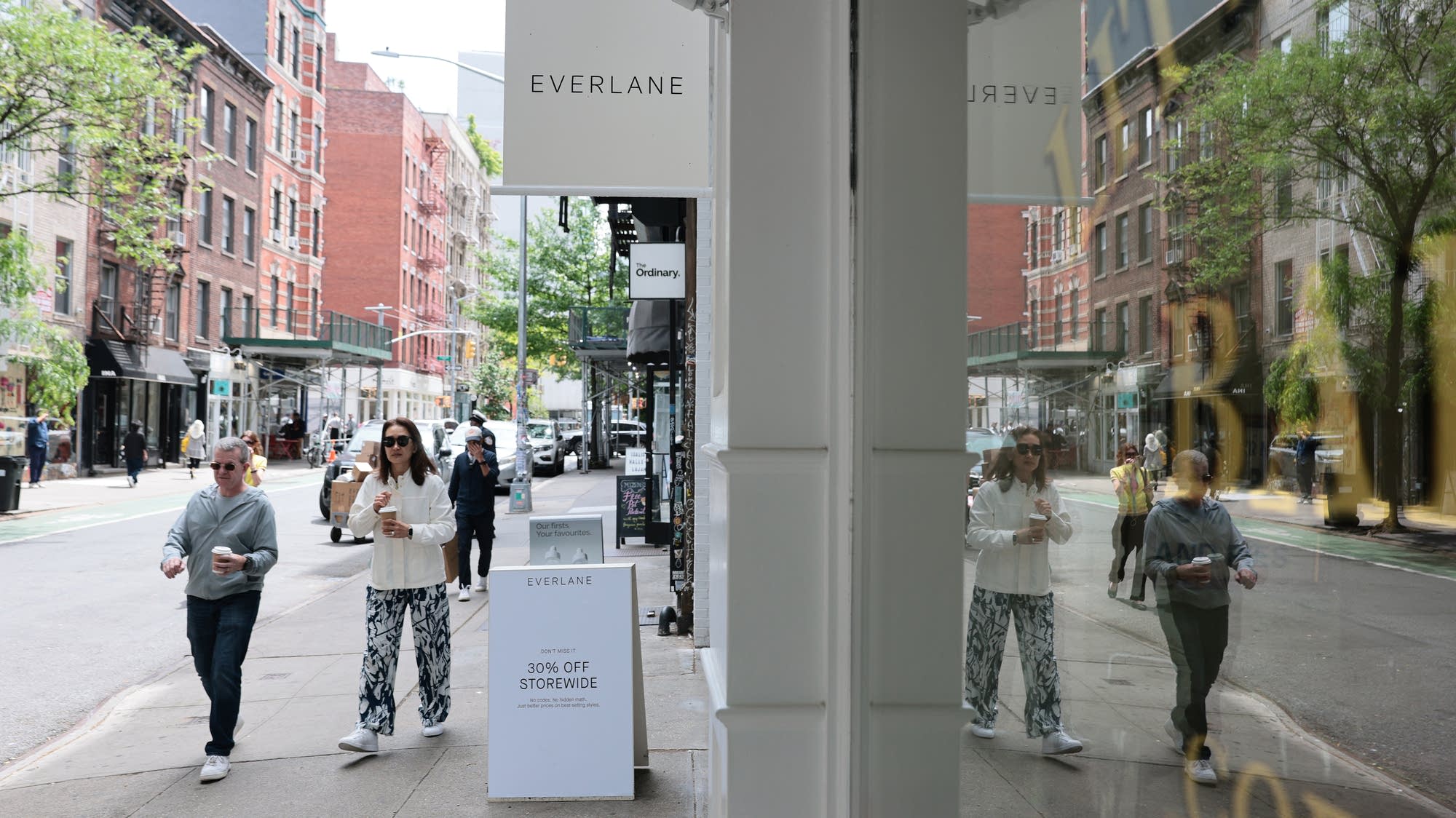
More than a decade ago, a garment factory near Dhaka collapsed, killing more than 1,100 workers. The owners had expanded the building from four floors to eight and cut lots of corners.“There’s always been this race to the bottom in terms of pricing,” said Ann Cantrell, associate professor of fashion business management at the Fashion Institute of Technology. “And this is what happened in Bangladesh.”The race to the bottom in pricing meant a race to the bottom at the factories where clothes are made.“The thing that’s really hard with fashion is not only is it one of the least-regulated industries in the world, but it’s also very human-centered,” Cantrell said. “Like the armhole of our shirt or details on a dress, they are still done by humans.The factory collapse was a turning point in the apparel industry because it made worker abuse impossible to ignore. And the timing of the event is important because the economy had just recovered from the Great Recession, which made it financially easier for companies and consumers to pay more for responsible clothes. Mission-driven brands like Everlane, which was recently bought by fast-fashion house Shein, and Allbirds, now an AI company, took off.But things changed when the pandemic hit. People stopped buying clothes, and supply chains snarled.“I mean, brands are just trying to exist,” Cantrell said.Companies needed cash, and private equity firms rushed in. Cantrell said investors demanded bigger returns over better missions. The optimism that once filled the industry started fading.“Selling a good-quality product that is ethically made that’s also going to last a long time is not going to have the same margins,” she said.Fast fashion is cheaper for companies. It’s also cheaper for consumers, who’ve become super sensitive to prices because of inflation. Everyone has a price — and people will only pay so much for a t-shirt.“Consumers will think first, do I like this product? Does it suit a need? Does it fit me well?” said Jessica Ramirez, managing director of the retail consultancy The Consumer Collective.Yes, shopping at thrift stores and on resale apps like Poshmark and Depop has become popular. But Ramirez thinks this is more about saving money and less about reuse. “The consumer is not at a point where they’re shopping that way to be sustainable,” she said. “They’re being practical.”And even for people who are worried about sustainability, it’s getting harder to decipher what’s greenwashing from what’s green.“The perfect sustainable brand does not exist in my opinion,” said April Perrin, a sustainable wardrobe stylist.All shoppers can do is their best by buying less.“I’m always coming from the perspective of longevity,” Perrin said. “How long am I going to keep this in my closet? If this is something that I truly love and I can see myself wearing this more than 30 times for the next few years, I don’t care where it comes from.”
What happened to mission-driven fashion brands?
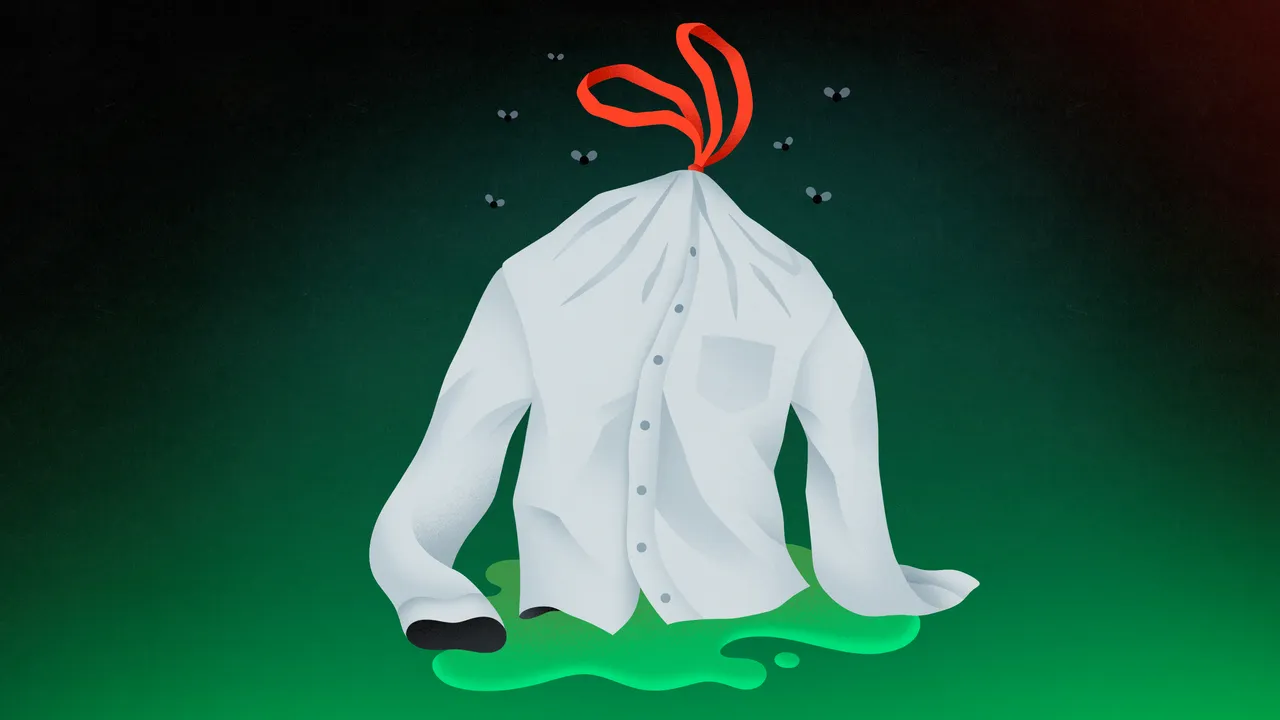
Allbirds is now an AI company. Everlane got bought out by fast-fashion house Shein. The optimism that defined retail in the 2010s has been sold away.
478 words~2 min read