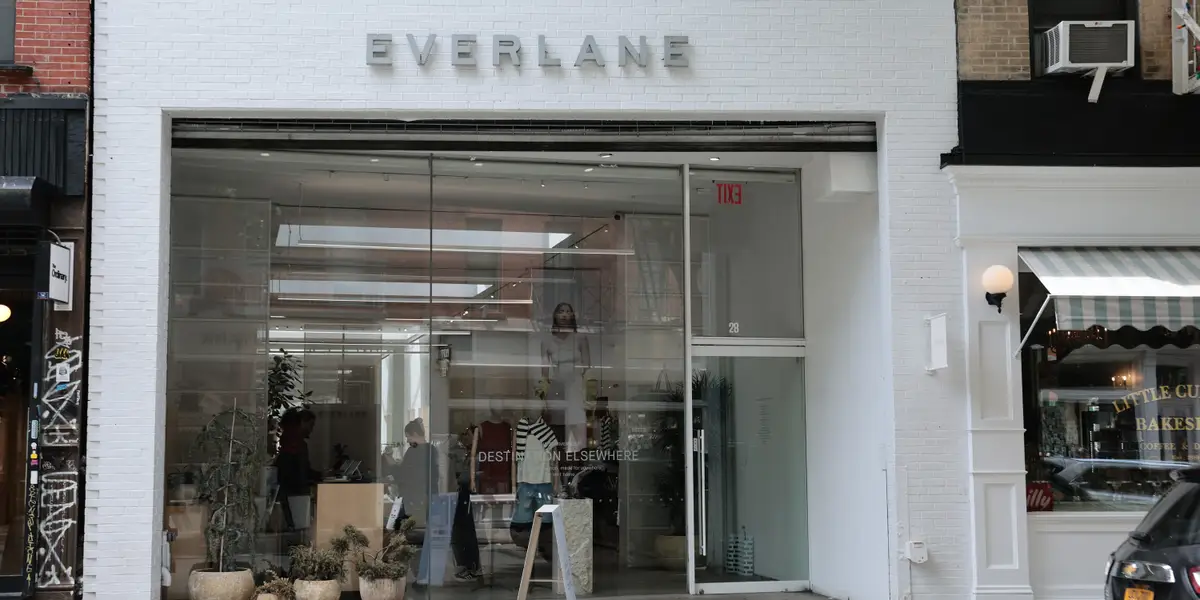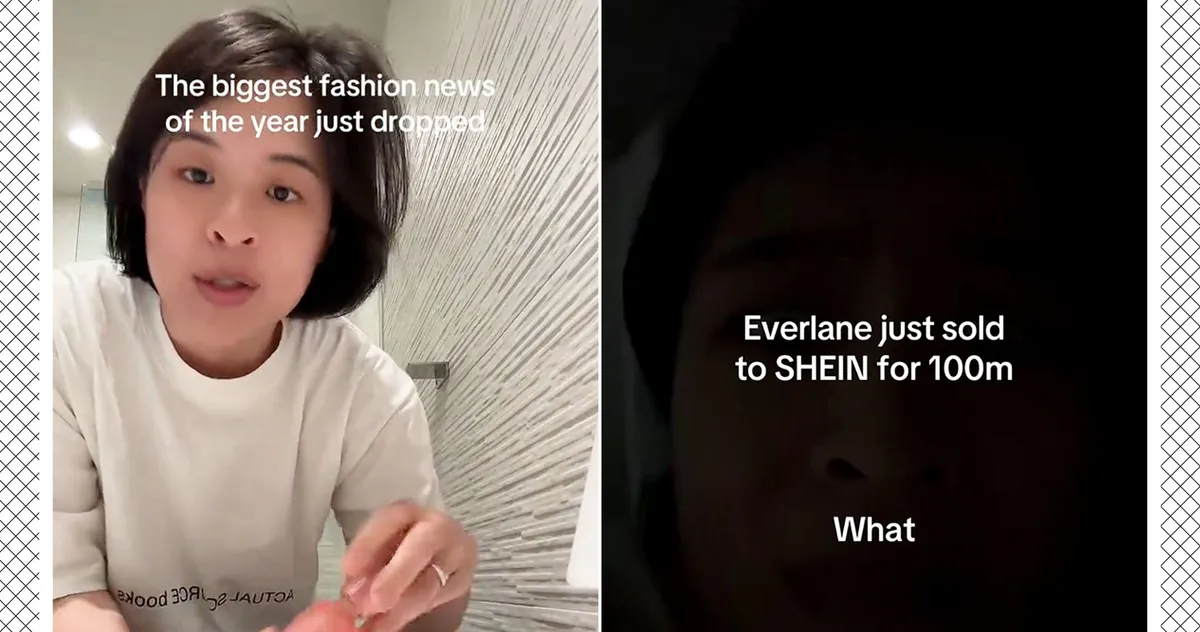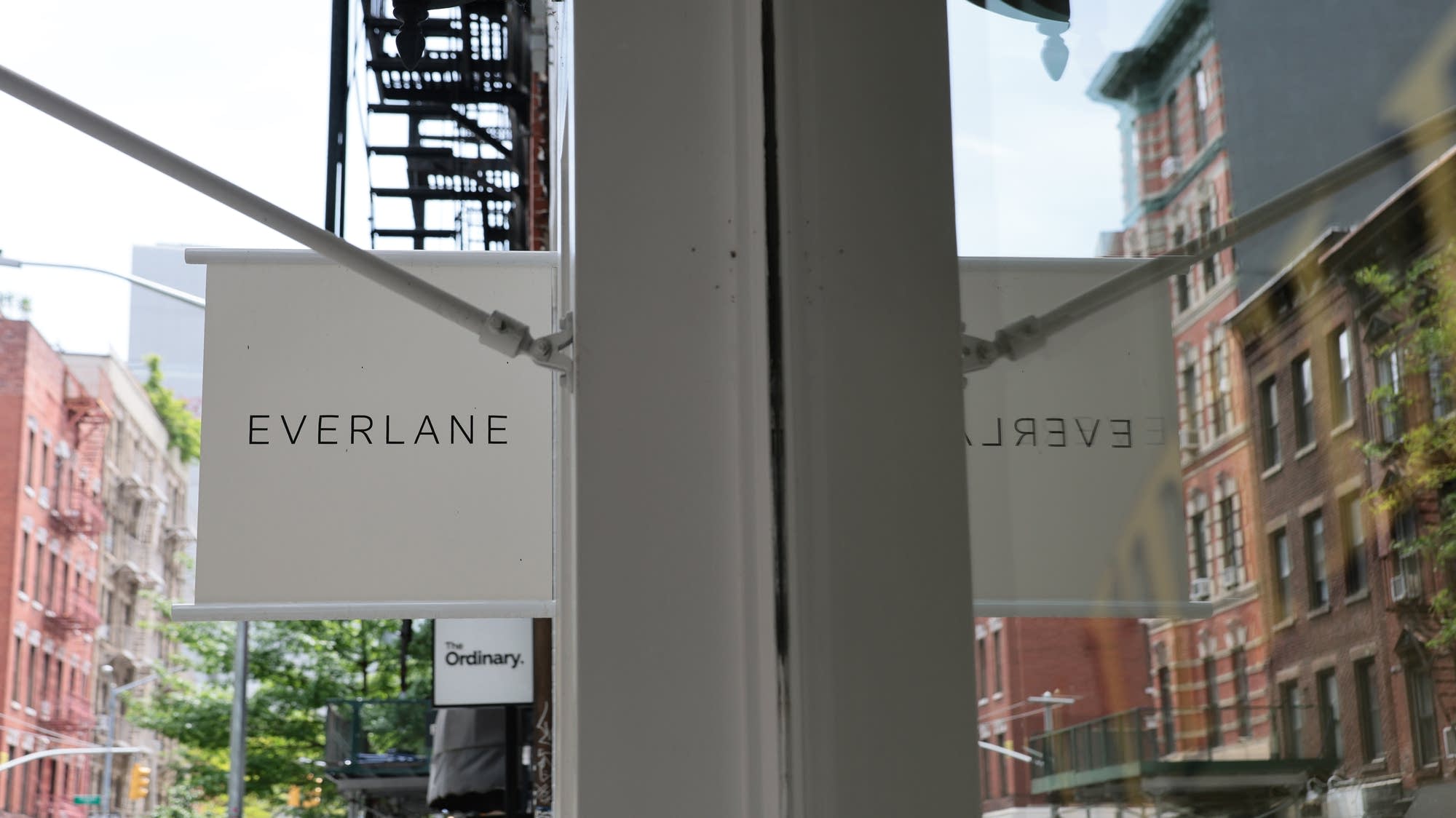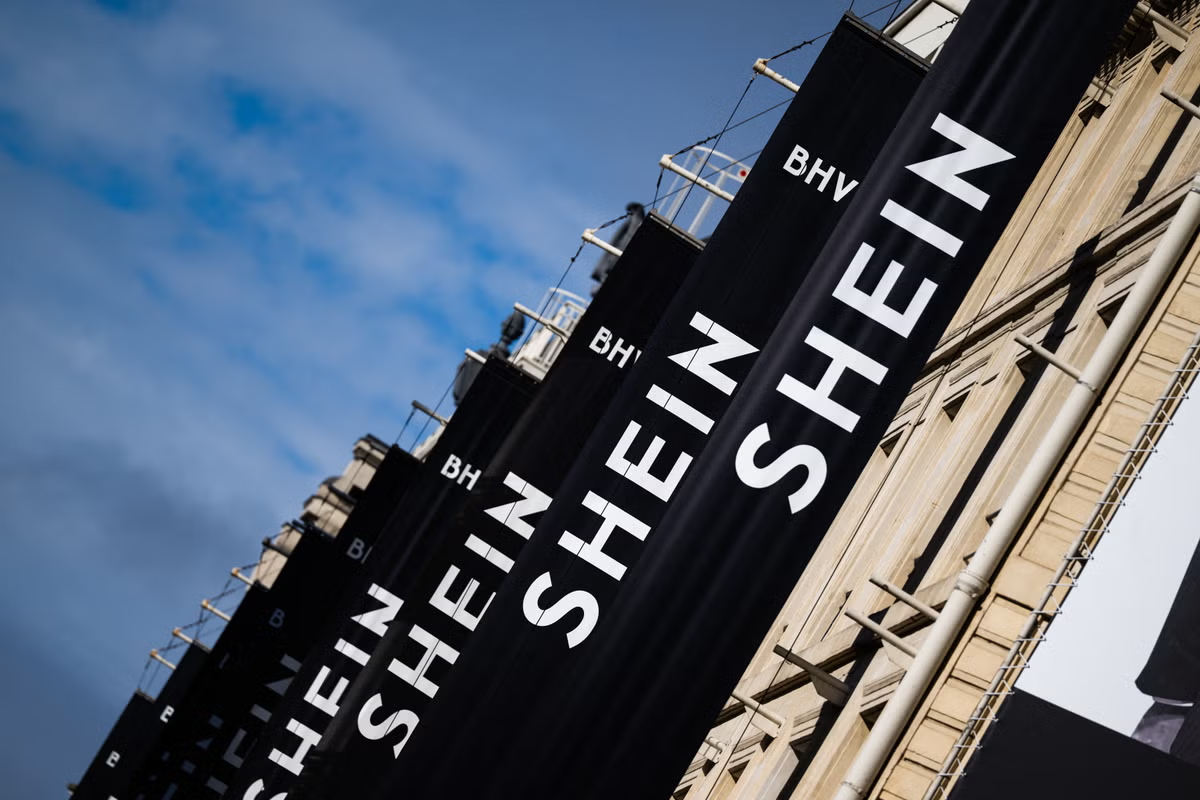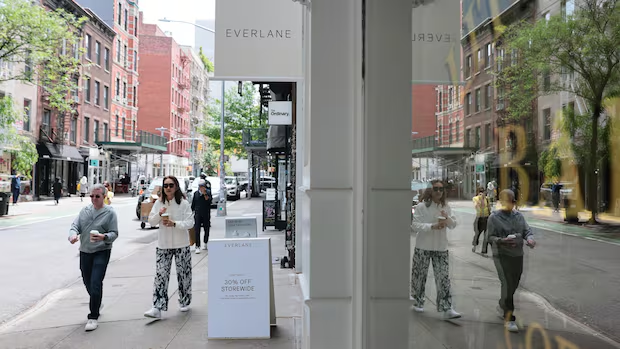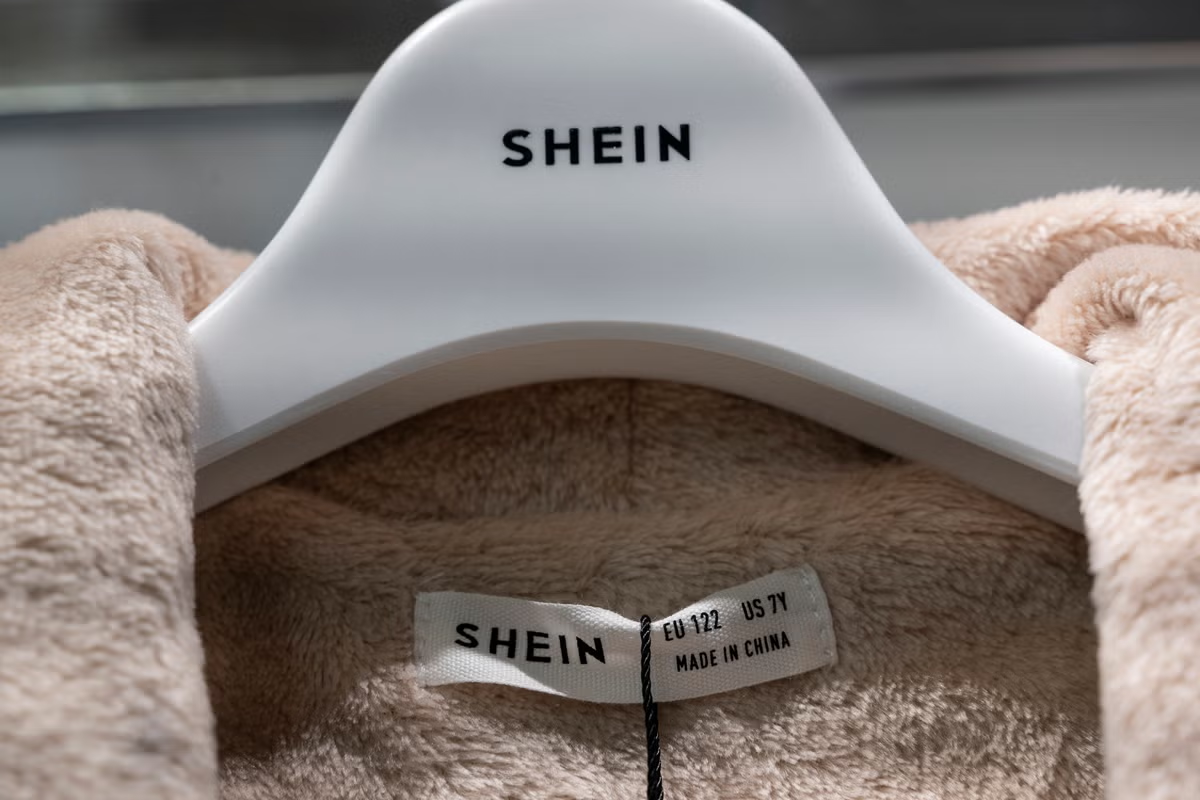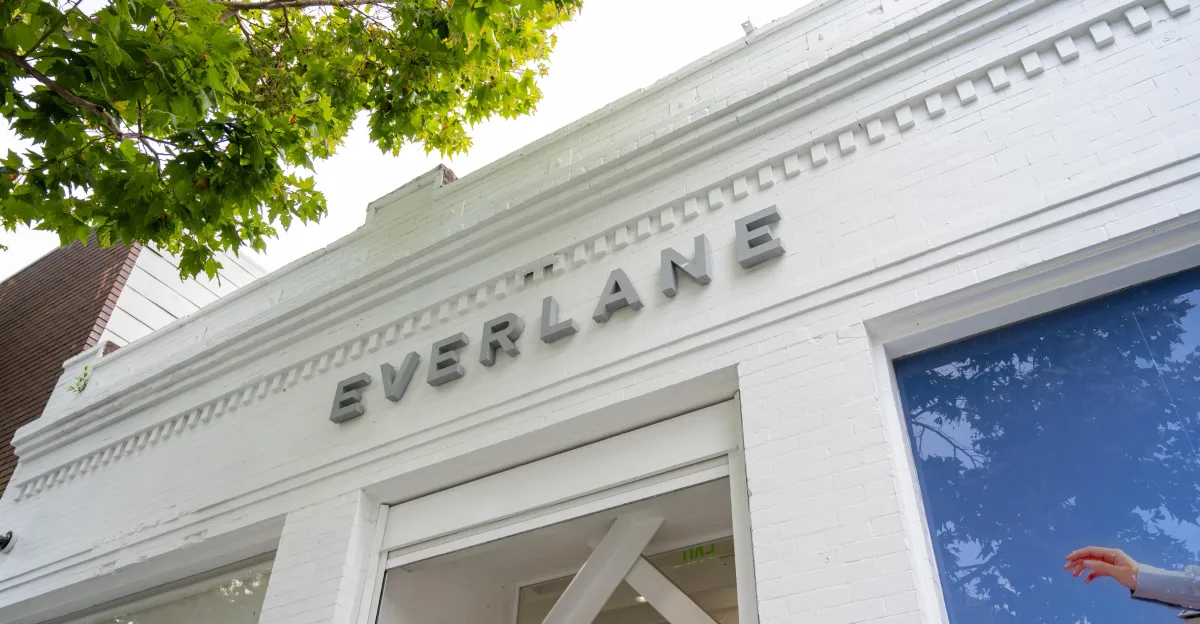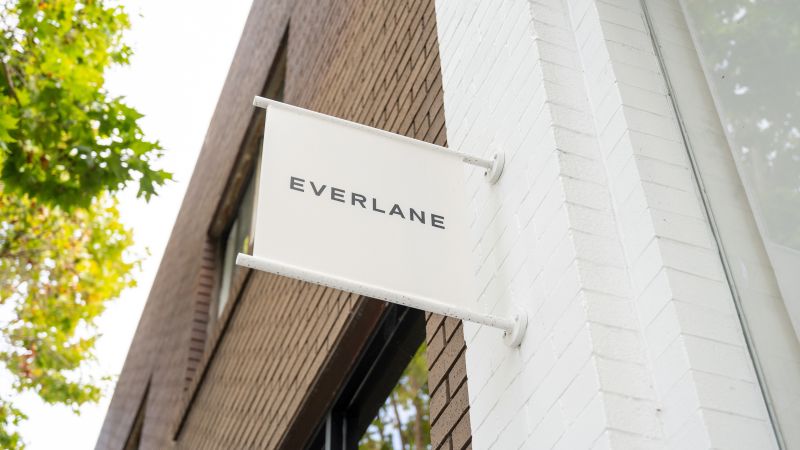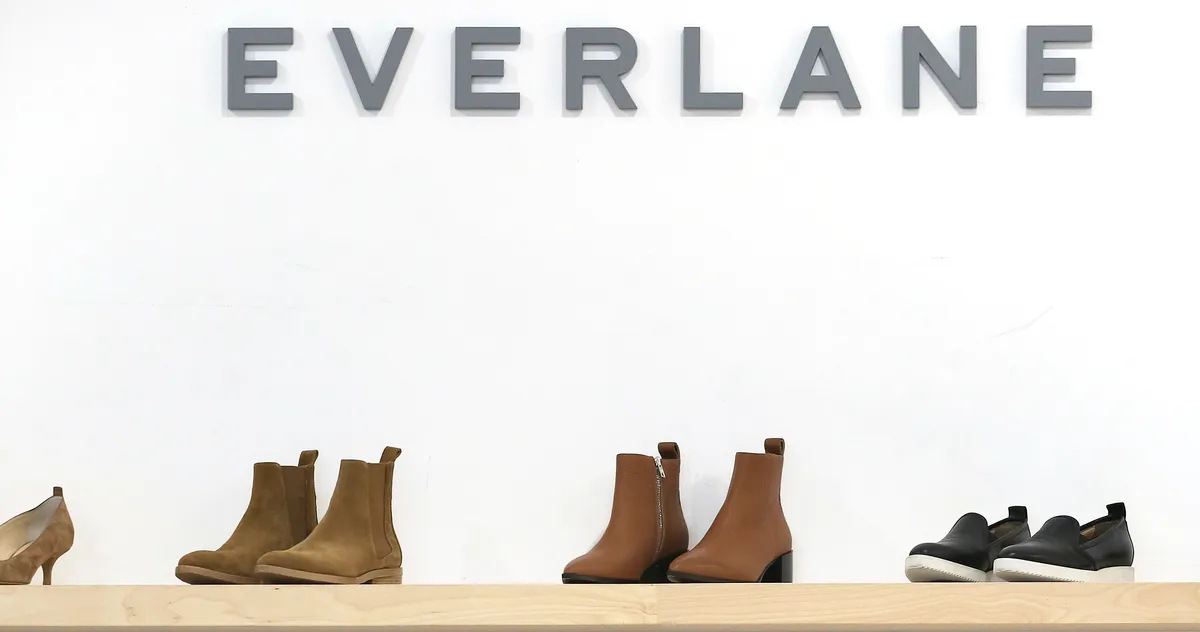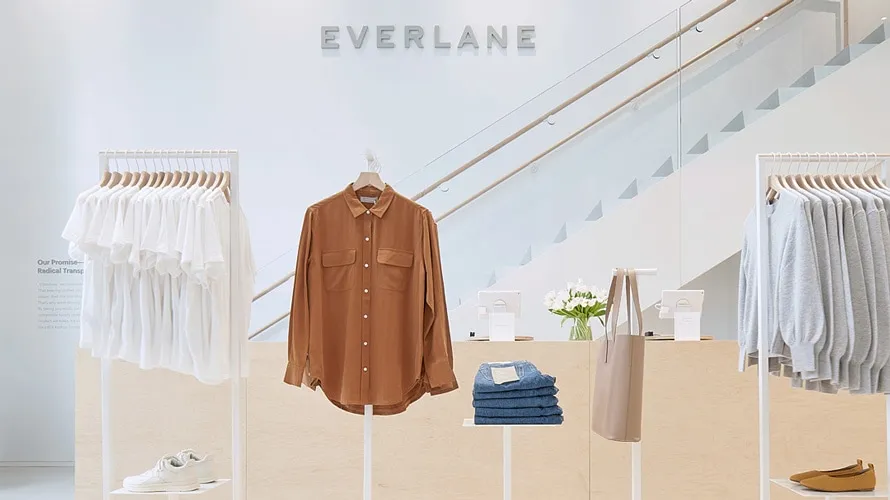
In 2017, the clothing brand Everlane opened its first brick-and-mortar store in Nolita. Right down the block from the former location of the bookstore McNally Jackson, it was a beacon of retail at the time, austere, brightly lit, and installed with shelving that brought to mind a gym locker room at an upscale hotel. It stocked blandly tasteful basics, both men’s and women’s, that promised something like a middle-class millennial American dream: You, too, could wear a white oxford shirt, flat-front chinos, and flesh-colored ballet flats; commute to an office job that mainly consisted of sending e-mails and looking at the internet; and get a craft cocktail at happy hour for ten dollars without having to go home and change.Everlane was founded in 2011, a paragon of the direct-to-consumer startup wave that saw dozens of well-funded, instantly omnipresent retailers popping up to sell thoughtfully designed toothbrushes, kitchenware, suitcases, and any other mundane accessory that people once would have bought at a department store. The establishment of an Everlane store seemed to represent a triumphant moment for the company’s understated, aspirational vision. The brand’s logo did not appear obviously on its clothes; the designs were resolutely uninteresting, even ignorable. Yet the materials were high-quality, the prices were affordable, and labels informed customers which Chinese factories made up its supply chain. Everlane’s hallmarks were efficiency and transparency—admirable qualities, though they didn’t necessarily inspire long-term loyalty or enthusiasm. Anodyne office wear became less relevant in the era of working from home; it fell to the wayside after the pandemic, as fashion trends veered flashier and logo-heavy. Last week, Everlane was subsumed by the Death Star of online fast-fashion retailers, the Chinese company Shein, best known for its extremely low prices and its habit of duping newly popular designs. On Tuesday, the Everlane co-founder Michael Preysman announced a new project that sounds like a plea: Still Radical. “Same principles, but a new take,” the website reads. “And this time: no venture capital, no private equity.”Many of the brands that marked the peak of millennial consumer culture have lately been deconstructed or sold off. This year, Allbirds, maker of the squishy sneaker that defined the tech-bro wardrobe, sold its intellectual property to the fashion conglomerate American Exchange Group, and the resulting shell pivoted to building infrastructure for artificial intelligence. BuzzFeed, the publication that defined viral content, sold a majority stake to Byron Allen, a media entrepreneur who also owns the Weather Channel; its founder and C.E.O., Jonah Peretti, stepped down. Blue Apron, the meal-kit startup that shipped prepackaged, pre-sliced ingredients that busy young adults could throw together and feel virtuous about cooking, sold to Wonder Group, an expanding chain of ghost kitchens promising cheffy delivery “for every craving.” Outdoor Voices athleisure, Parade underwear, and Dollar Shave Club toiletries have all disappeared into conglomerates. One Medical, a boutique primary-care provider notable for its soothing, pastel-colored interiors and text-message-based care, sold to Amazon, falling to the same mediocritizing fate as Whole Foods.Most startups fail, of course. In 2021, I wrote a column about how many of the products offered by these companies were not particularly good to begin with, and how they cloaked their flaws in sleek graphic design and suggestions of “community” with one’s fellow consumers. But this recent wave of consolidation follows a larger pattern. Companies that were initially flooded with investment have found themselves out of cash; what Derek Thompson called the “millennial lifestyle subsidy,” when venture capital incentivized the development of cheap, technologically mediated products ranging from Ubers to wide-legged denim, was revoked. After a number of such companies subsequently flopped, all that was left for the remaining owners or private-equity investors to monetize were the shreds of attachment to the brand names. We are now in that zombified phase when it’s hard to know what the brands even consist of anymore. What was once marketed as a new form of authenticity has degraded to naked profit extraction.The media brand Food52 is an exemplary case. The company was founded in 2009 by former Times food writers Amanda Hesser and Merrill Stubbs. The site established itself with a friendly, intimate, yet professional tone, gently instructing its readers on how to cook like a grownup. It was early to embrace digital video, making instructional cooking videos and kitchen tours for YouTube, and it capitalized on its authority to launch an e-commerce marketplace, selling starter knives, cutting boards, and ingredients, then manufacturing its own cooking tools. In 2019, the private equity firm T.C.G. acquired a majority stake in Food52; the company immediately scaled up, using the investment to acquire Schoolhouse, a cult-favorite lighting manufacturer, and Dansk, a historic Danish cookware brand. It seemed as though a new cultural landmark was being built, driven by Hesser’s refined taste as C.E.O. Then it all fell apart. T.C.G. installed executives from Walmart and then West Elm. According to reporting in Inc., efforts to scale up and speed up production in the homewares brands caused costs to outpace sales. Layoffs ensued and then, in 2025, Food52 filed for bankruptcy. Schoolhouse and Dansk were sold at bargain prices to more experienced manufacturing operators, while the remaining shell of Food52 was later acquired by one of its chief rivals, America’s Test Kitchen. The financial need to be everything at once, to sell to as many people as possible, denatured a brand that once had devoted fans.“Slop” is fast becoming the central metaphor for the cultural output of the late twenty-twenties. A.I. produces slop, but so do vampiric private-equity investors and rapacious billionaires, through corporate consolidation and hollow brand-licensing deals. The central promise of the millennial life-style brand was that, with the help of digital technology, new businesses could produce higher quality by cutting out the layers that had accumulated between producers and consumers. If this did not exactly amount to something artisanal, it at least represented a hope that corporate slop could be functional and positive, that products could be both mass-manufactured and part of a better-made, less mediated world. In the Shein era, the offering has declined to unapologetic slop, an ephemeral transaction that loses its appeal once a cycle of online attention has moved on. Just look at Blank Street, a venture-capital-backed international chain of coffee shops with an Everlane-esque aesthetic palette, minus the pretense of conscientious consumption. Unlike the striving third-wave cafés of the twenty-tens, Blank Street stores don’t convey any ideals; they promise neither taste nor provenance, only speed, price, and availability.My wife, Jess, still owns three of Everlane’s “Boxy Oxford” shirts, in white, that she bought nearly a decade ago. The shirt is made of thick cotton that resists wrinkling. It is cropped in a proportion that is still fashionable. It looks great over a pair of high-waisted pants, which were also a signature Everlane item; the brand’s versatility and modularity made it possible to imagine a whole life measured in sturdy, androgynous basics. We recently bought a crib for our infant son from Nestig, a latecomer to the direct-to-consumer scene that was founded in 2020. It is made of hardwood, pleasant to the touch, and is designed to expand as he grows into toddlerhood. It’s an object that, like so many others, pitches itself into the future—even if it increasingly seems like a relic of the past. ♦
Everlane and the Death of the “Good” Millennial Life-Style Brand
Everlane once embodied a hope that clothes could be mass-manufactured and high-quality. Now it’s owned by the fast-fashion giant Shein. Kyle Chayka writes about the millennial life-style brands that have sold out—and what it says about contemporary consumer culture.
1,212 words~6 min read